Viewing results 817 - 822 of 987
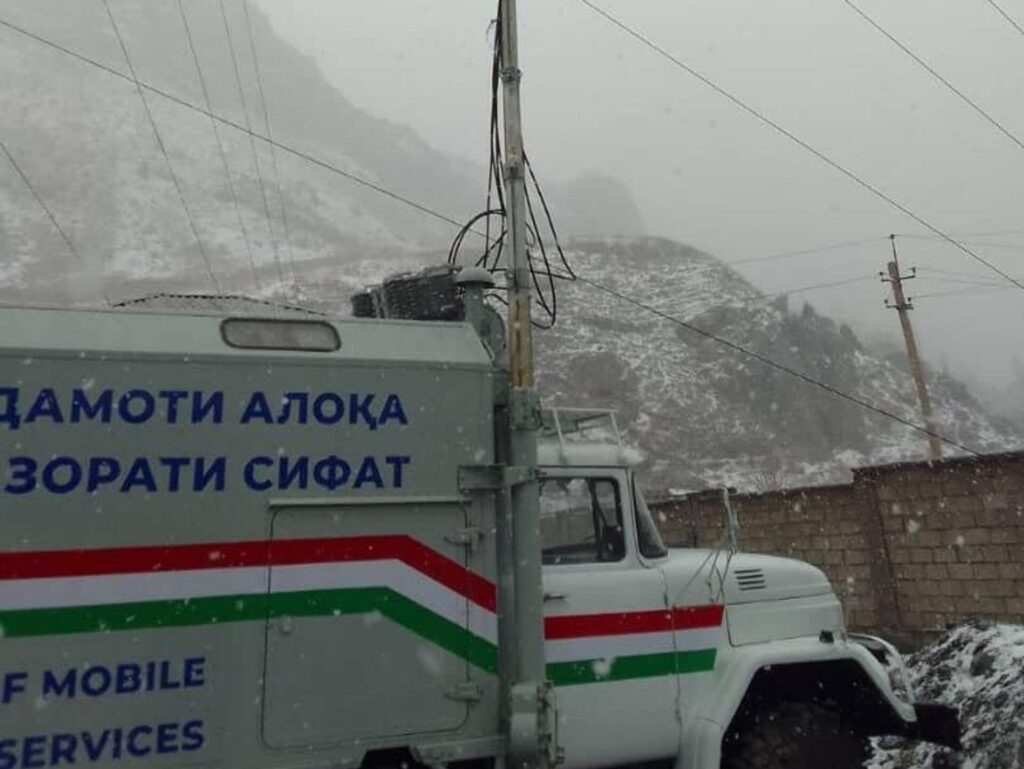
The results of monitoring the quality of mobile communications in the cities and districts of Nurek, Dangara, Vose and Kulyab were presented to the Head of the Communications Service of Tajikistan, Bek Sabur, who arrived on a working visit to the Khatlon region. His visit is connected to the implementation of a decree from the President of Tajikistan "On measures to expand non-cash payments." According to various sources, the level and quality of communications do not meet the requirements. The press service of the Tajik Communications Service reported that Sabur, together with specialists, tested mobile communications in Nurek, Dangar, Vos and Kulyab. "The main purpose of the trip is to determine the accuracy of coverage of base stations in populated areas and identify problems," the press service stated. As a result of the technical inspection, it transpired that not all areas meet the quality requirements for communications. In addition, operator coverage was weak in some places. "The management of the Communications Service ordered providers to install additional stations at the same time as updating the existing ones," the department noted, adding that Sabur held a meeting with the residents of Khatlon to get their opinion on the level and quality of mobile communications. Sabur's visit followed reports received from all over Tajikistan about the low quality of mobile operator services. Tajiks often complain about slow Internet and poor communication. One of the main reasons for this is the lack of infrastructure development. It is also affected by poor energy supply and insufficient development of modern communication technologies in the country. As a result, a significant part of the population has difficulty accessing the Internet. Another problem is the lack of investment in the country's telecommunications industry, although this is slowly being corrected. For example, Tajikistan and China recently signed an agreement that provides for the supply of Chinese equipment to the Republic, which will help improve the quality of the Internet. Tajikistan has also agreed to cooperate with two Russian companies - PITER IX and Digit – in this area. Sabur instructed officials and mobile companies to urgently eliminate the identified shortcomings in order to provide all regions with stable communications and Internet following the Presidential decree.
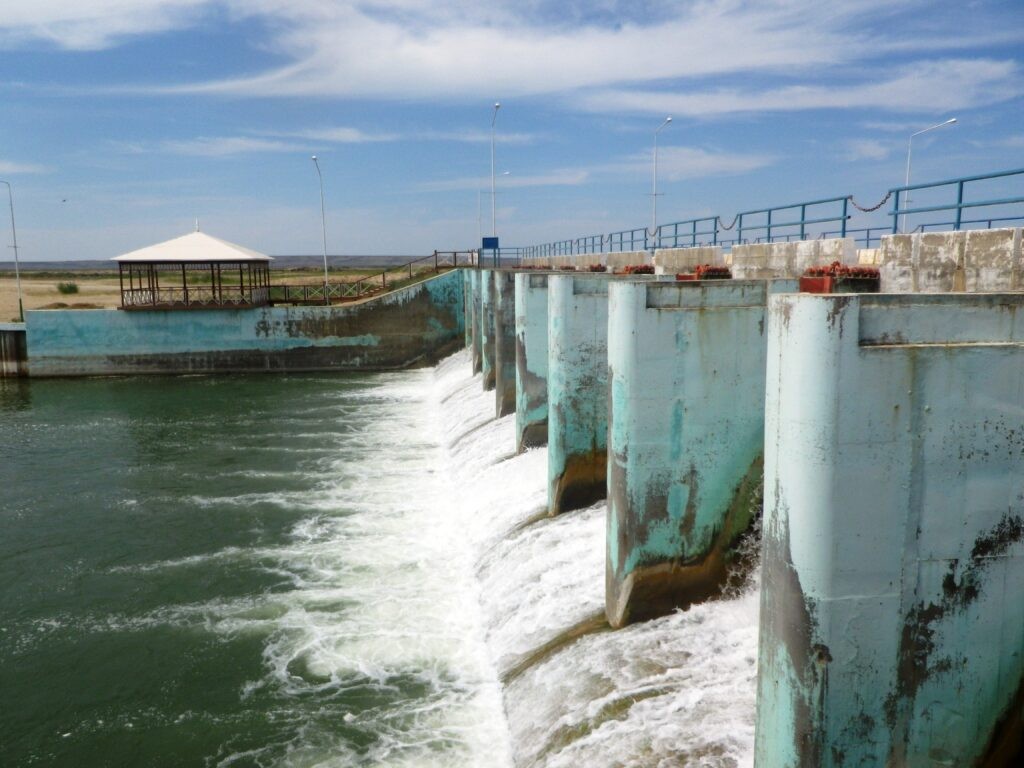
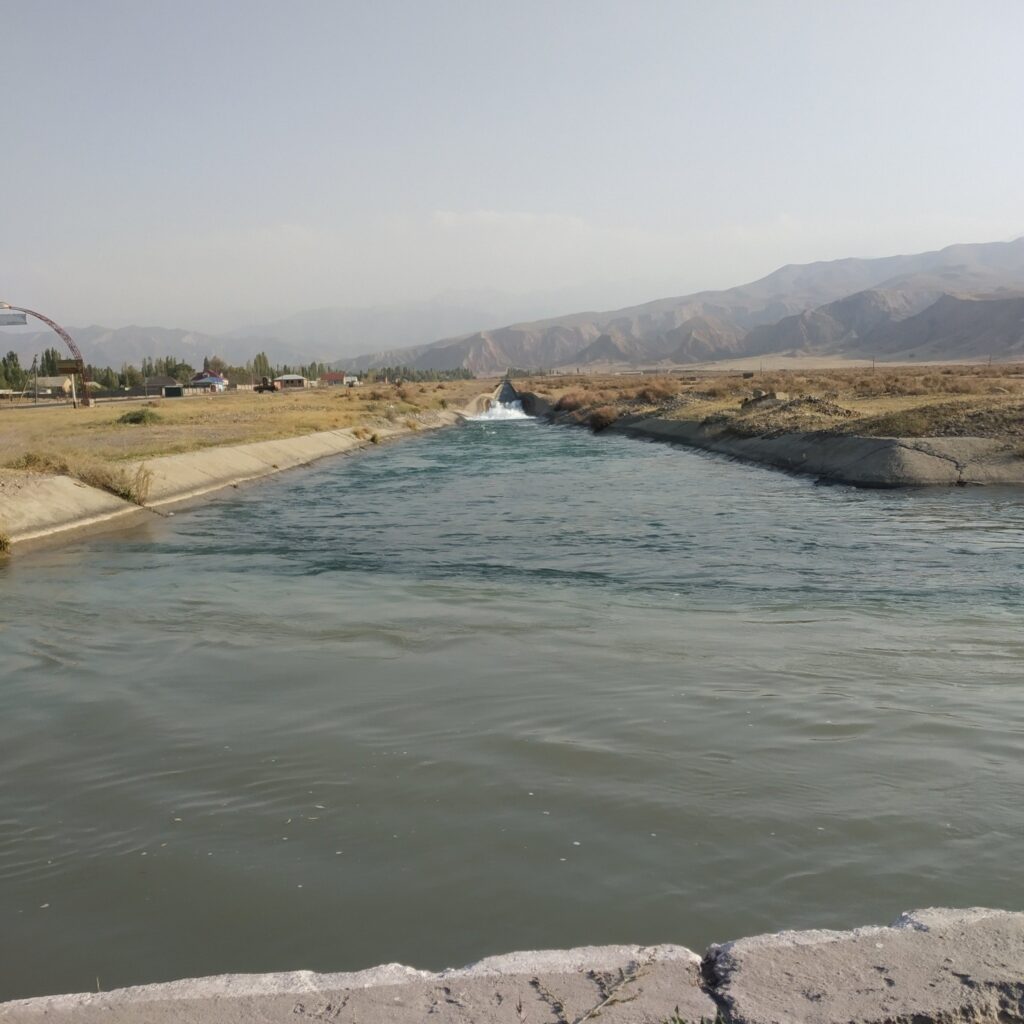
As outlined in a press release on the EDB website, in the summer of 2023, Central Asia was faced once again with water shortages, which have a significant impact on agriculture. The sector relies on irrigation, which consumes up to 80% of available water, and has a poor track record with regard to the efficient use of water resources. The irrigation infrastructure is over 50 years old. More than half of all irrigated land has become salinized, and 40% of water is lost through irrigation canals. A new Eurasian Development Bank (EDB) study entitled “Efficient Irrigation and Water Conservation in Central Asia” outlines ten practical steps for preserving irrigated land potential and promoting water conservation. The list includes four recommendations for adoption at a regional level and six at a national level. The measures are designed to save enough water each year to support sustainable development. Implementing the measures will require collaboration between governments, farmers and multilateral development institutions. The need for urgent action is intensified by the anticipated reduction in the flow of the Amu Darya River. Water deficit is a key structural constraint to socio-economic development in Central Asia. This region is among the most vulnerable to climate change, with temperatures rising at a faster rate than the global average. Periods of drought and low water are becoming more frequent, and the hydrological patterns of rivers and groundwater supplies are undergoing change. Glacier areas have been diminishing rapidly, with a 30% decrease over the last 50 years. Climate change is leading to reduced river flows at a time when the region’s demand for water is growing rapidly. The primary solution to the water deficit lies in improving irrigation practices. Agriculture in Central Asia is the largest consumer of water, with irrigation accounting for 100.4 km3 of the total 127.3 km3 (80%) of water used in the region in 2020. Historically, irrigation has played a vital role in developing agriculture and ensuring food security in the region. Central Asia boasts 10.1 million hectares of irrigated land, representing approximately 2.9% of the world’s total. This irrigated land generates nearly 66% of the region’s gross agricultural output in terms of value. However, Central Asia’s irrigation infrastructure is highly degraded and technically inadequate. It lacks the equipment needed for metering and distributing water for irrigation and controlling its use in the field. The average age of the irrigation infrastructure is over 50 years. Up to half of irrigated land is salinized. Water use in agriculture is inefficient, with 40% of water lost in the irrigation canal system. A commitment to conserving water appears to be the only solution to protecting the potential of irrigated land and food security in Central Asia. This shift in approach is imperative not only because of climate change and escalating water demand, but also to mitigate the anticipated decrease in the flow of the Amu Darya River from Afghanistan. By 2028, the combined effects of climate change, low-water periods and the commissioning of the Kosh-Tepa Canal in...
By 2050, the available resources in the Syr Darya and Amu Darya basins – the region’s two largest sources of water - situated in southern Kazakhstan and along Uzbekistan’s southern border with Turkmenistan - could decrease by 10% to 15%. Water shortages inevitably impact the region’s agricultural sector, which relies on water as a critical factor in food production, the Eurasian Development Bank (EDB) has stated in a news release. The reduction in wheat yields in seven oblasts of Kazakhstan could result in direct economic losses exceeding U$1.2 billion by 2030. These concerns were highlighted by Conrad Albrecht, Managing Director and Head of the Directorate of Sustainability at the Eurasian Development Bank (EDB) during the recent Seventh North and Central Asia Multistakeholder Forum on the Implementation of the SDGs in Almaty. “Kazakhstan, being the only Eurasian nation to have implemented a carbon pricing system, faces the additional challenge of a potential carbon tax amounting to U$250 million. Most economies in the region rely heavily on carbon-intensive industries, necessitating a transition towards more sustainable production methods”, Albrecht said. He also pointed out that the region’s carbon dioxide (CO2) emissions significantly exceed its contribution to the global economy in terms of both GDP and population. However, countries such as Armenia, the Kyrgyz Republic, Tajikistan and Uzbekistan have a share of global CO2 emissions lower than their share of the world’s population, indicating that the region’s economies are critically carbon intensive. “All countries in the Eurasian region are taking climate change extremely seriously, acknowledge their direct contribution to the global agenda and are ready to make ambitious commitments to decarbonization”, Albrecht stressed. “Nevertheless, Central Asian countries still require substantial support from multilateral development banks, and while climate finance to the region is increasing, it remains significantly smaller compared to other low- and middle-income countries”.