• KGS/USD = 0.01144 0%
  • KZT/USD = 0.00194 -0%
  • TJS/USD = 0.10896 -0%
  • UZS/USD = 0.00008 0%
  • TMT/USD = 0.28571 0.28%
  • KGS/USD = 0.01144 0%
  • KZT/USD = 0.00194 -0%
  • TJS/USD = 0.10896 -0%
  • UZS/USD = 0.00008 0%
  • TMT/USD = 0.28571 0.28%
  • KGS/USD = 0.01144 0%
  • KZT/USD = 0.00194 -0%
  • TJS/USD = 0.10896 -0%
  • UZS/USD = 0.00008 0%
  • TMT/USD = 0.28571 0.28%
  • KGS/USD = 0.01144 0%
  • KZT/USD = 0.00194 -0%
  • TJS/USD = 0.10896 -0%
  • UZS/USD = 0.00008 0%
  • TMT/USD = 0.28571 0.28%
  • KGS/USD = 0.01144 0%
  • KZT/USD = 0.00194 -0%
  • TJS/USD = 0.10896 -0%
  • UZS/USD = 0.00008 0%
  • TMT/USD = 0.28571 0.28%
  • KGS/USD = 0.01144 0%
  • KZT/USD = 0.00194 -0%
  • TJS/USD = 0.10896 -0%
  • UZS/USD = 0.00008 0%
  • TMT/USD = 0.28571 0.28%
  • KGS/USD = 0.01144 0%
  • KZT/USD = 0.00194 -0%
  • TJS/USD = 0.10896 -0%
  • UZS/USD = 0.00008 0%
  • TMT/USD = 0.28571 0.28%
  • KGS/USD = 0.01144 0%
  • KZT/USD = 0.00194 -0%
  • TJS/USD = 0.10896 -0%
  • UZS/USD = 0.00008 0%
  • TMT/USD = 0.28571 0.28%
09 December 2025

Anti-Russia sanctions torpedo Kazakhstan’s currency

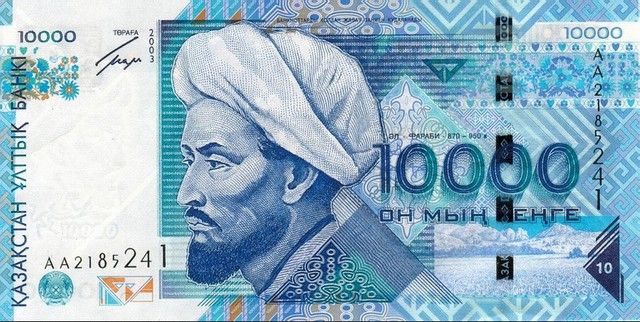
ASTANA (TCA) — The interdependency of Russia’s and Kazakhstan’s economies has caused the Kazakh tenge’s drop following the recent fall of the Russian ruble. We are republishing this article on the issue, written by Almaz Kumenov, originally published by Eurasianet:

The woes of the Russian ruble have infected Kazakhstan, causing a tumble in the value of the tenge too. Authorities have sought to reassure the public, but to little avail.

The tenge has dropped more than one-tenth in value against the dollar since the start of the summer. The rate of devaluation sped up in recent days.

This has been accompanied by a surge in local demand for the greenback. According to the Rating.kz monitoring agency, the volume of dollars purchased at exchange bureaus in June was 2.4 times greater than in the previous month.

On August 13, the National Bank announced that the fall of the tenge had been caused by geopolitical factors — namely, the latest round of US sanctions against a range of countries, including Russia, China and Turkey. The regulator said that if the need arises, it will intervene to restore some stability to the currency.

This latest round of Russia sanctions approved earlier this month, which takes effect on August 22, takes aim at some key sectors, notably banking. The immediate effect was cause the ruble to fall to levels unseen for several years. Such is the level of interdependency between Russia and Kazakhstan’s economies that the tenge immediately followed suit.

Astana is trying to make reassuring noises.

National Economy Minister Timur Suleimenov said on August 16 that the United States had promised, as it readied the latest anti-Russian sanctions, that it would consider Kazakhstan’s economic interests.

The tenge has had a bad decade. It has endured a string of sharp cataclysmic devaluations — in 2009, 2014 and 2015 — and every such event has led to knock-on rises in prices for retail goods.

Presidents of Russia and Turkmenistan hold informal meeting in Sochi

ASHGABAT (TCA) — Russian President Vladimir Putin has hosted the president of Turkmenistan for talks following the long-awaited signing of a new convention on the legal status of the resource-rich Caspian Sea, RFE/RL reported.

At the start of his meeting with Turkmen President Gurbanguly Berdymukhammedov in Russia’s Black Sea resort city of Sochi on August 15, Putin said he would like to discuss “all issues that are of interest for bilateral relations” following the signing of the agreement.

“We have always built our relations based on mutual respect, so we are really doing a lot to promote our cooperation,” the Turkmen leader said.

Ahead of the informal meeting, the Kremlin said the talks would touch upon the “entire range of bilateral relations,” including a “possible energy dialogue.”

The Sochi meeting came three days after an August 12 summit in Kazakhstan’s port city of Aktau during which Putin, Berdymukhammedov, and the presidents of Azerbaijan, Iran, and Kazakhstan signed a new convention on the legal status and delimitation of the oil- and gas-rich Caspian Sea — a matter disputed by the five littoral states for more than 20 years.

The talks also followed the signing of a “strategic partnership” agreement between Russia and Turkmenistan in Ashgabat in October 2017.

Ties between the two countries have been strained by disputes over the issue of natural-gas supplies.

Russia has suspended gas purchases from Turkmenistan for years, citing contract violations by Turkmenistan, while the Central Asian country supplied China with its fuel.

Turkmenistan casts itself as a neutral country and is not a member of the Russia-led Eurasian Economic Union or the Collective Security Treaty Organization, which include other former Soviet republics in Central Asia.

Kyrgyzstan: President visits new oil and garlic processing facility in Uzgen

BISHKEK (TCA) — On August 15, Kyrgyzstan President Sooronbai Jeenbekov toured the new edible oil and garlic processing facility in Uzgen as part of his visit to Osh and Jalal-Abad oblasts in the south of the country. The new facility, a joint investment of the United States Agency for International Development (USAID) and ElDan Atalyk, will employ 73 full-time workers and purchase large quantities of local crops. ElDan Atalyk already has plans this year to buy 4,200 tons of safflower, soybean and rapeseed from thousands of local farmers, the US Embassy in Bishkek reported.

Continue reading

Kyrgyzstan and Uzbekistan agree to swap land near border

BISHKEK (TCA) — Kyrgyzstan and Uzbekistan are working on a possible land swap near the border between the two Central Asian states, some parts of which have not been formally delineated since the collapse of the Soviet Union in 1991, RFE/RL’s Kyrgyz Service reported.

Burkanbek Ashyrov, head of the Barak village in Kyrgyzstan’s Barak exclave, told RFE/RL on August 15 that an agreement had been reached to exchange the exclave for land around the village of Birleshken in Uzbekistan’s Andijon region.

The Barak exclave is comprised of 230 hectares of land that is completely surrounded by Uzbek territory. It is under the rural Ak-Tash administration of the Kara-Suu district of Kyrgyzstan’s southern Osh region.

The land around the Uzbek village of Birleshken is adjacent to the Kyrgyz-Uzbek border.

According to Ashyrov, the exchange process could take up to two years.

Kyrgyz authorities launched a program in 2013 to resettle the Barak exclave’s population in other parts of Kyrgyzstan. About 20 Kyrgyz families remain in the exclave.

About 85 percent of the 1,400-kilometer-long Kyrgyz-Uzbek border has been delineated.

Remaining border sections with an undefined status include the areas around Barak and Uzbekistan’s exclaves of Sokh and Shahimardan, which are completely surrounded by Kyrgyz territory.

Tensions in those areas have led to clashes between local residents and border guards of the former Soviet republics.