• KGS/USD = 0.01144 0%
  • KZT/USD = 0.00194 -0%
  • TJS/USD = 0.10844 -0.46%
  • UZS/USD = 0.00008 0%
  • TMT/USD = 0.28571 0.28%
  • KGS/USD = 0.01144 0%
  • KZT/USD = 0.00194 -0%
  • TJS/USD = 0.10844 -0.46%
  • UZS/USD = 0.00008 0%
  • TMT/USD = 0.28571 0.28%
  • KGS/USD = 0.01144 0%
  • KZT/USD = 0.00194 -0%
  • TJS/USD = 0.10844 -0.46%
  • UZS/USD = 0.00008 0%
  • TMT/USD = 0.28571 0.28%
  • KGS/USD = 0.01144 0%
  • KZT/USD = 0.00194 -0%
  • TJS/USD = 0.10844 -0.46%
  • UZS/USD = 0.00008 0%
  • TMT/USD = 0.28571 0.28%
  • KGS/USD = 0.01144 0%
  • KZT/USD = 0.00194 -0%
  • TJS/USD = 0.10844 -0.46%
  • UZS/USD = 0.00008 0%
  • TMT/USD = 0.28571 0.28%
  • KGS/USD = 0.01144 0%
  • KZT/USD = 0.00194 -0%
  • TJS/USD = 0.10844 -0.46%
  • UZS/USD = 0.00008 0%
  • TMT/USD = 0.28571 0.28%
  • KGS/USD = 0.01144 0%
  • KZT/USD = 0.00194 -0%
  • TJS/USD = 0.10844 -0.46%
  • UZS/USD = 0.00008 0%
  • TMT/USD = 0.28571 0.28%
  • KGS/USD = 0.01144 0%
  • KZT/USD = 0.00194 -0%
  • TJS/USD = 0.10844 -0.46%
  • UZS/USD = 0.00008 0%
  • TMT/USD = 0.28571 0.28%
09 December 2025

Uzbekistan Government Warns Citizens of Immigration Checks in U.S.

Uzbekistan is urging its citizens in the United States to carry proof of legal immigration status at all times, saying U.S. immigration authorities have intensified operations on federal highways across the U.S. in recent days.

Uzbekistan’s Ministry of Foreign Affairs said on Thursday that some people detained in those operations “have been reported in connection with the use of multiple driver’s licenses or suspicions related to terrorism.”

The warning came a day after two members of the West Virginia National Guard were shot near the White House in what President Donald Trump called an act of terrorism. Trump said late Thursday that one had died; the other was in critical condition. U.S. officials identified the alleged shooter as an Afghan man who had driven across the U.S., from Washington state to the capital of Washington, D.C., in order to carry out the attack. The suspect was arrested.

U.S. authorities conducting immigration inspections check on driver’s licenses, the English-language proficiency of drivers, work authorization documents and other paperwork, according to the Uzbek ministry statement. It said U.S. authorities have broad powers of enforcement on federal highways.


CSTO Faces Uncertain Future as Putin Champions Russian Arms

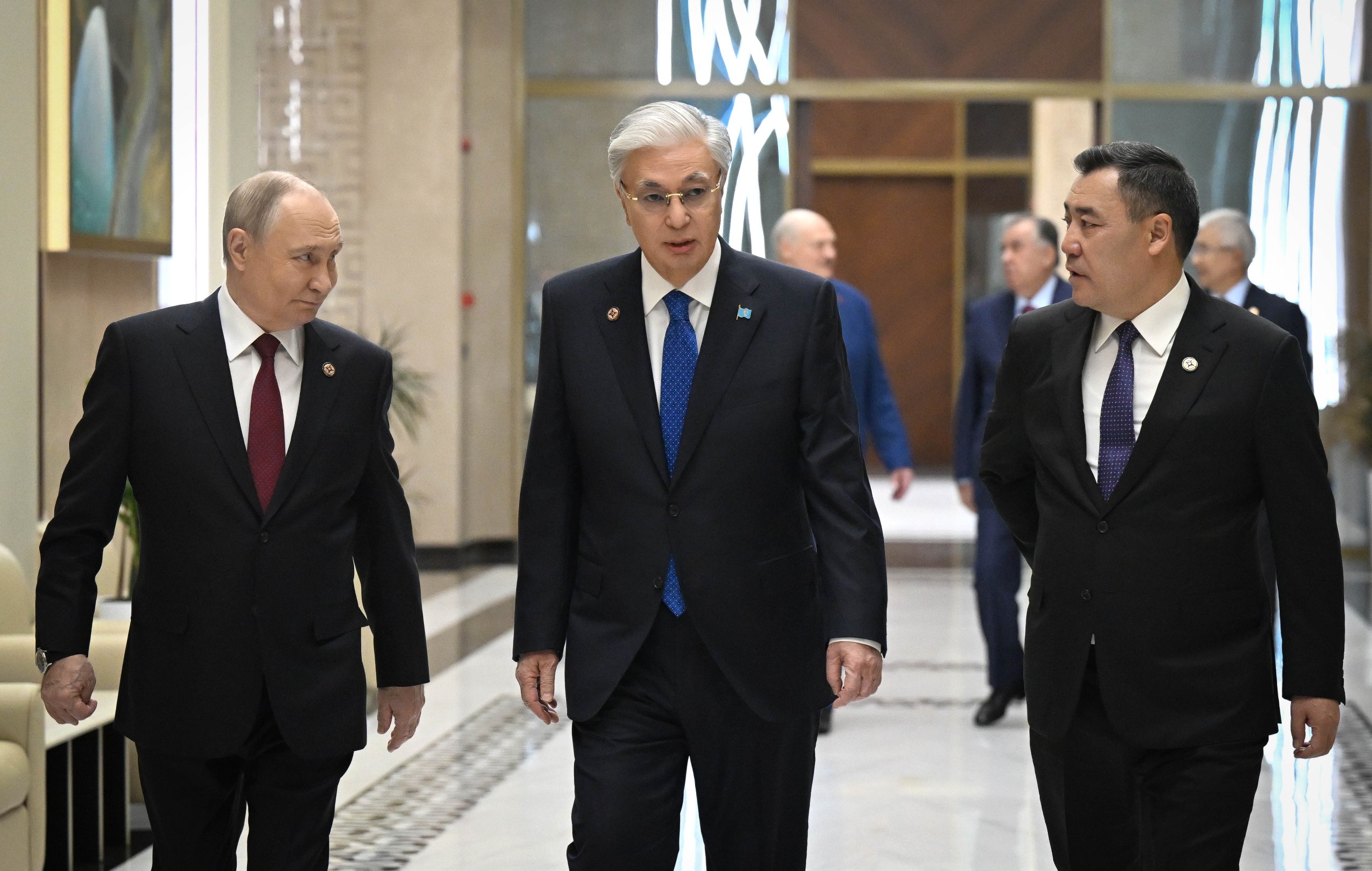
The session of the CSTO Collective Security Council on November 27 in Bishkek underscored a key reality: the bloc, once envisioned as the “Eurasian response to NATO,” now consists of just five active members. Armenia pointedly boycotted the summit, a gesture that spoke volumes about the alliance’s internal fractures.

While the presidents of Kyrgyzstan, Russia, Belarus, Kazakhstan, and Tajikistan discussed “multipolarity” and “security,” Kyrgyz authorities erected a massive LED screen near the presidential residence, conveniently blocking the Ukrainian flag atop the Ukrainian embassy. Officials claimed the move was a “protocol requirement.”

Moscow used the summit as a platform to outline its long-term strategic goals for the region, seizing the moment amid Armenia’s absence, growing debate over the CSTO’s purpose, and rising competition from other international security alliances in Eurasia.

Yerevan’s decision to skip the gathering is a warning sign for fellow CSTO members. Armenia, having faced a real security crisis, evidently no longer views the alliance as a reliable guarantor. This casts doubt on the CSTO’s ability to adapt to a rapidly evolving regional security landscape, where flexibility, responsiveness, and tangible conflict support are increasingly in demand.

In his report, CSTO Secretary General Imangali Tasmagambetov emphasized the bloc’s institutional development over the past three years, expanding collective forces, developing cyber capabilities, and establishing new international roadmaps. He also announced the creation of an Information and Analytical Department, signaling an effort to emulate more sophisticated military-political structures. Yet much of his address echoed the standard talking points delivered at previous summits.

Tasmagambetov did address Armenia’s absence, stating, “The CSTO respects Yerevan’s sovereign right.” Rather than defusing the issue, this acknowledgment only served to highlight the political rupture.

Despite the tensions, CSTO leaders signed a broad set of documents, including a collective security strategy, an anti-drug initiative, and new military cooperation plans, reportedly one of the most comprehensive packages in recent years.

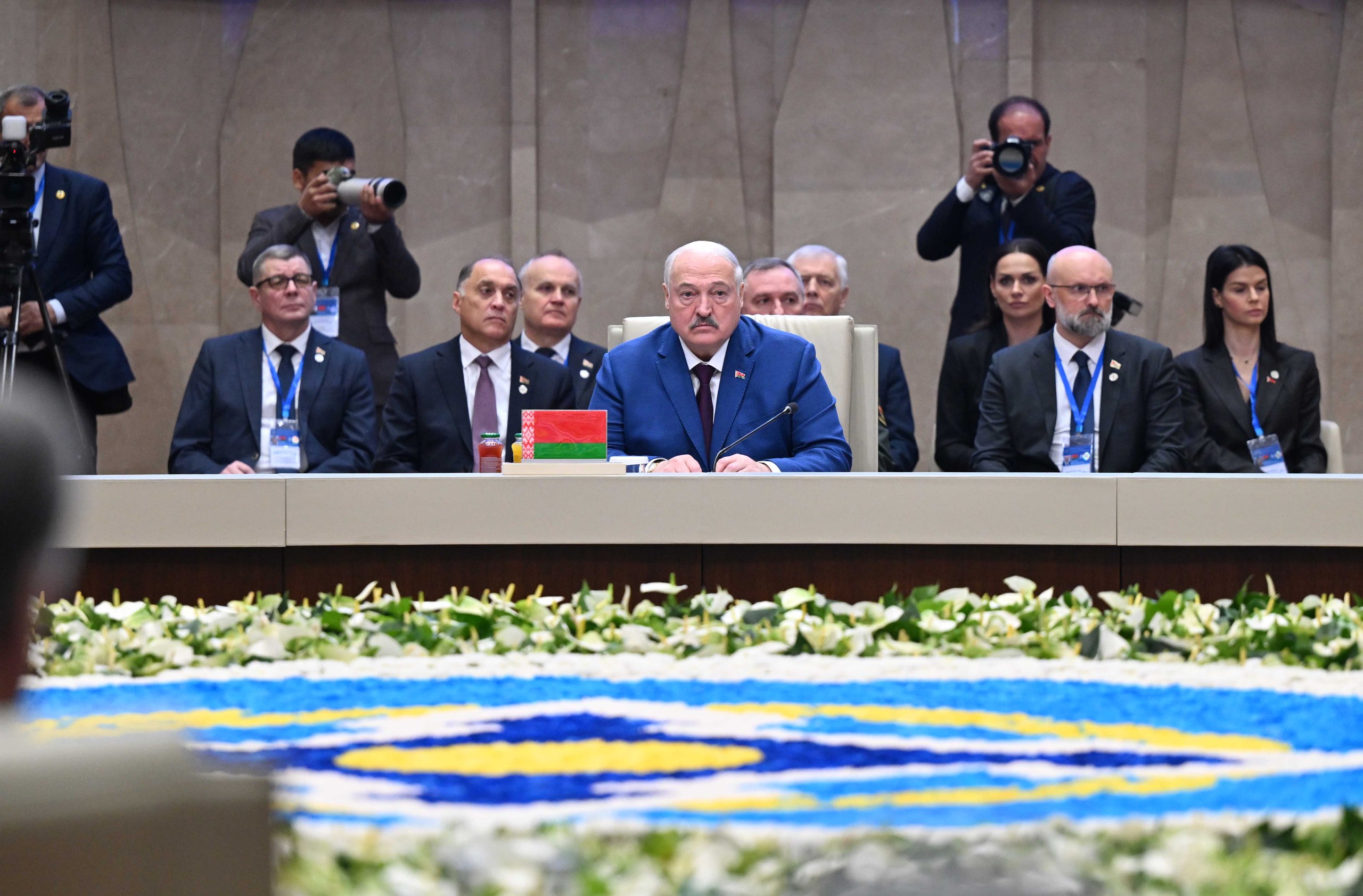
Nonetheless, the summit’s spotlight belonged to Vladimir Putin and Alexander Lukashenko. The other leaders appeared relegated to the sidelines, affirming declarations to preserve a fragile collective consensus.

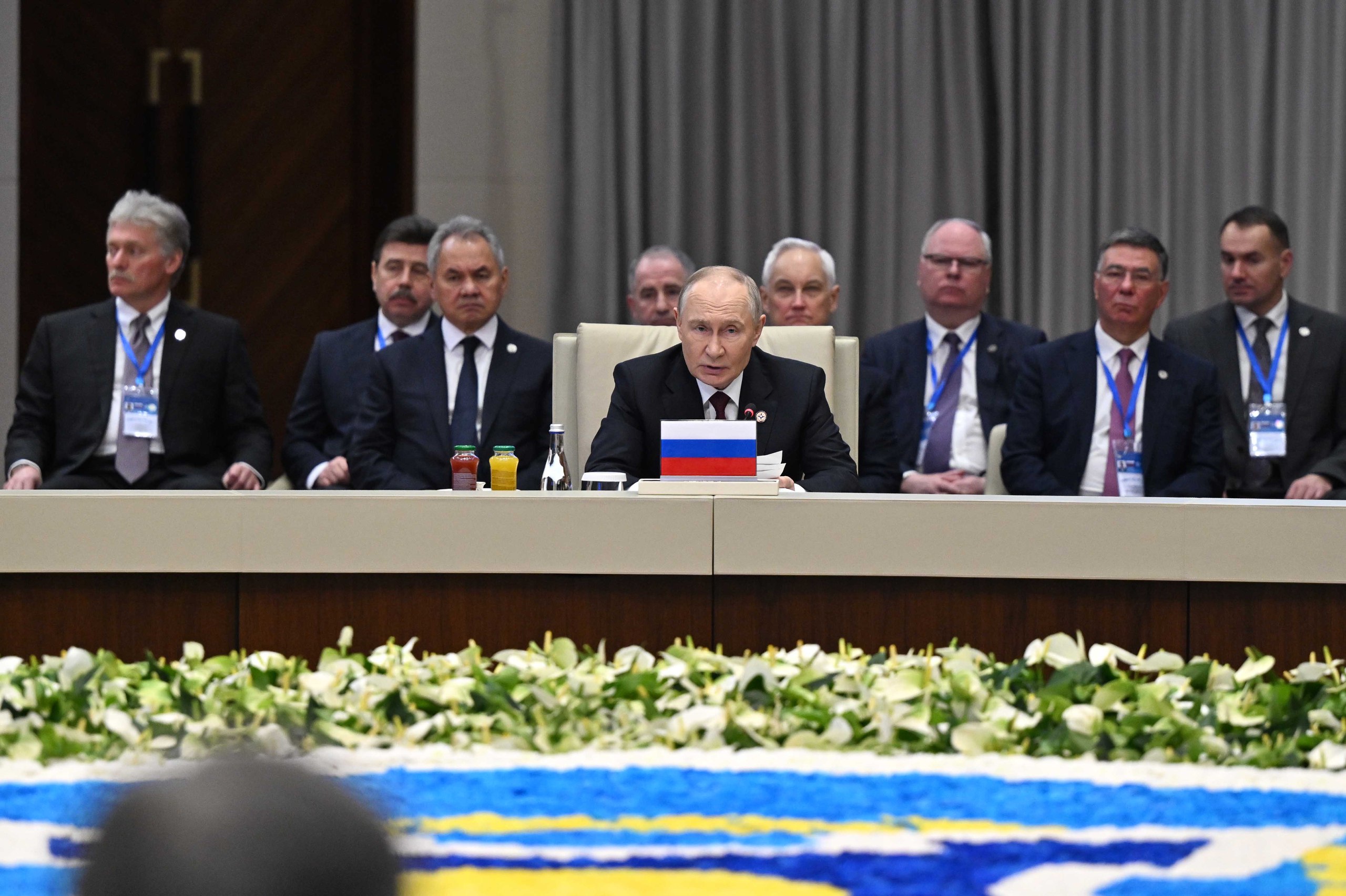
Putin’s visit to Bishkek spanned two days, during which his pronouncements effectively became the summit’s agenda. He reiterated that the CSTO is a “guarantor of stability” and proposed equipping the bloc’s collective forces with Russian weapons “proven in combat conditions”, a clear reference to the war in Ukraine, though left deliberately vague.

With Russia set to assume the CSTO chairmanship in 2026, the Kremlin appears to be steering the alliance toward deeper military-technical integration. Promoting its weapons to member states not only boosts Russia’s arms industry but also increases CSTO members’ reliance on Russian technologies and command systems.

Some analysts suggest Moscow’s chairmanship priorities, from cybersecurity to aerospace defense, reflect an effort to position the CSTO as a counterweight to rival military-political blocs.

President Lukashenko of Belarus added a European security dimension to the talks, citing NATO’s growing defense budgets and the military buildup in Poland, Germany, and the Baltic states as justification for reinforcing the CSTO.

For Kazakhstan, Kyrgyzstan, and Tajikistan, the organization’s agenda is increasingly complex. Russia continues to push for tighter military integration through arms deliveries and joint drills. Yet these Central Asian states remain committed to diversifying their foreign relations, engaging not only with the U.S. and Europe but also with China, Turkey, and Middle Eastern powers.

Putin cited exercises such as Vzaimodeistvie, Poisk, and Echelon as key to establishing standardized combat training across the bloc. However, regional experts caution that training exercises alone cannot be a substitute for a coherent political consensus on the use of collective forces.

The appointment of Taalatbek Masadykov as the new CSTO secretary general may usher in a new phase. Kyrgyzstan, which has handed over the chairmanship to Russia, now holds a key leadership role in the bloc’s administration.

International Space Station Marks 25 Years of Continuous Habitation

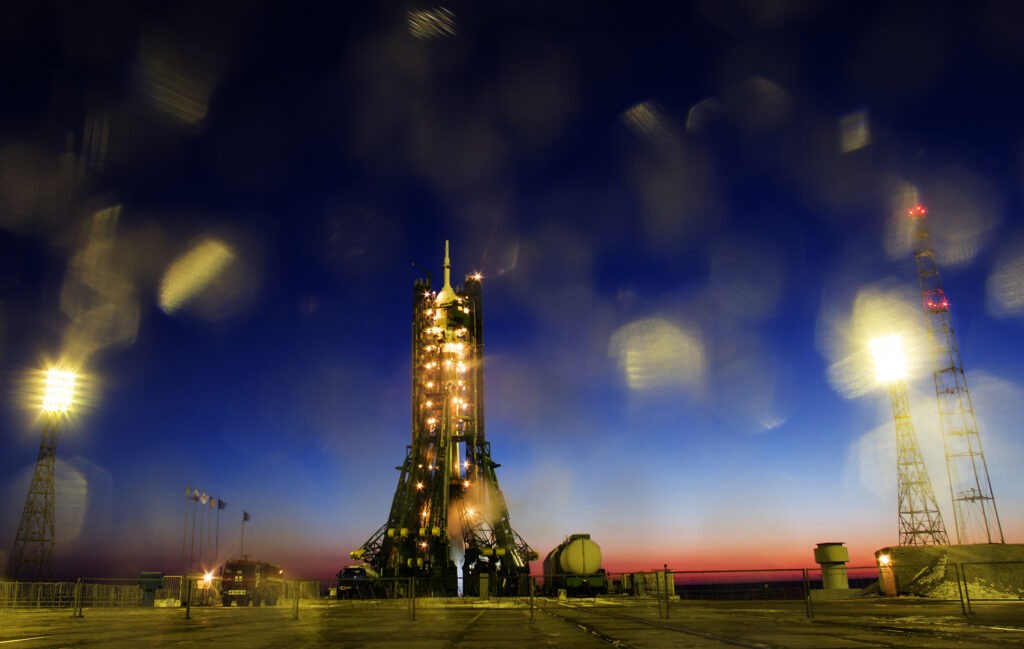
Two Russian cosmonauts and one American astronaut floated through a hatch into the International Space Station on Thursday, beginning an eight-month stay after arriving on a Russian spacecraft that launched from the Baikonur Cosmodrome in Kazakhstan.

The Soyuz MS-28 craft that docked at the station, or ISS, on Thursday carried Russian commander Sergey Kud-Sverchkov on his second trip to space, as well as Russian Sergey Mikayev and Christopher Williams of NASA. Mikayev and Williams are on their first mission as part of a longstanding collaboration between NASA and Russian space agency Roscosmos that has kept the ISS continuously inhabited for 25 years. The first arrivals were in November 2000.

Live video showed Kud-Sverchkov, Mikayev and Williams, who will conduct scientific experiments and spacewalks during their stay, being greeted with big smiles from the astronauts and cosmonauts already on board the ISS. There are now a total of 10 people on the station.

Williams, who has worked as a clinical physicist and cancer researcher, recently talked about his relationship with his fellow travelers from Russia on a NASA-run program called Houston We Have a Podcast.

“It’s a really great crew,” Williams said. The two Russians, he said, “are both just absolutely wonderful people, really kind, super interested, super intellectually curious, which is really fun. Had a lot of really, really great discussions, just talking and talking about things. And it’s been been wonderful to both spend some time with them over in Star City, and also to be able to spend some time with them in Houston through our training.”

Star City is a facility in the Moscow area where cosmonauts train. Houston is home to NASA’s Johnson Space Center.

“And so when I’m over there in Star City, we’re doing a lot of Soyuz simulations together,” Williams said. “So we’re spending a lot of time, sort of the three of us in a small capsule for, you know, several hours at a time, you know, in suits… running through sort of mock scenarios of of what would happen on launch, on rendezvous, on on on departing the station, as well as in the ISS trainers.”

The training also included emergency scenarios that could unfold on the International Space Station.


CSTO Signs New Security Roadmap in Bishkek Amid Armenia Boycott and Putin Ukraine Remarks

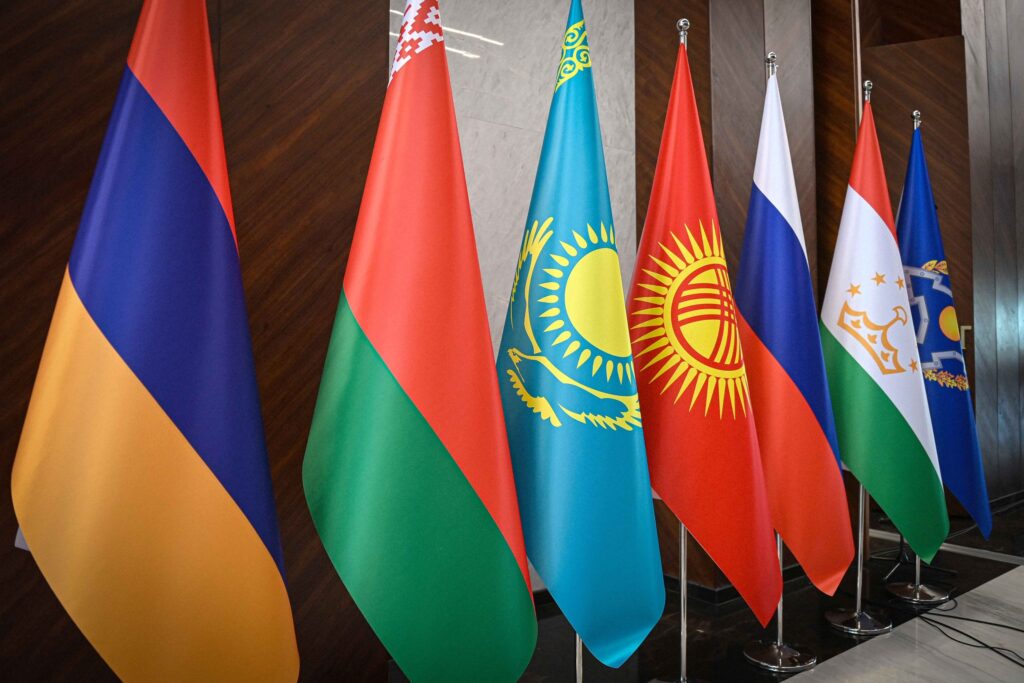
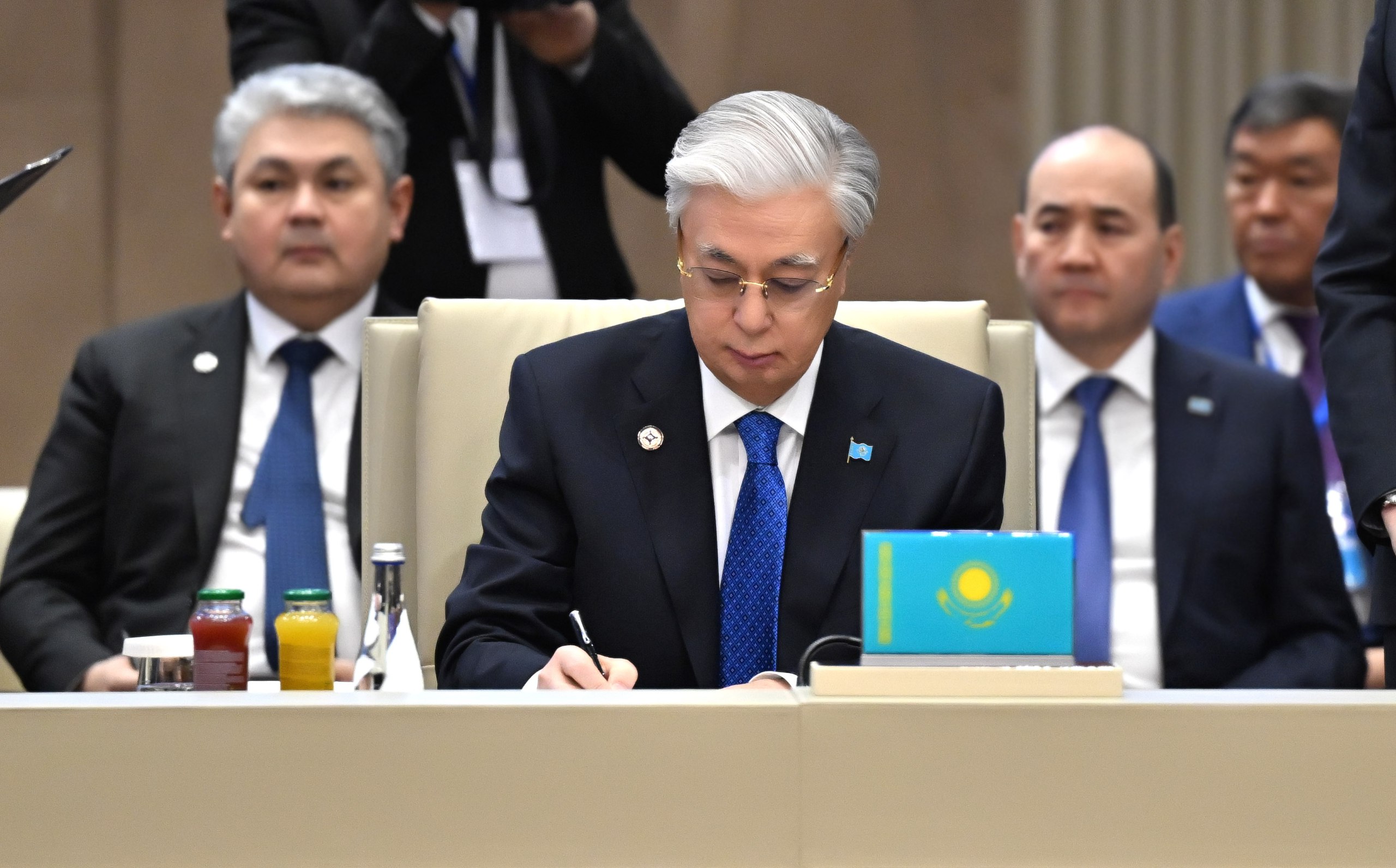
The Collective Security Treaty Organization (CSTO) reaffirmed its commitment to regional security and political coordination during its annual summit in Bishkek, Kyrgyzstan, on November 27. Leaders from five of the bloc’s six members – Russia, Belarus, Kazakhstan, Kyrgyzstan, and Tajikistan – attended the event and signed off on a series of military, security, and strategic cooperation agreements.

Armenia, the sixth CSTO member, boycotted the summit for the second year running, continuing its protest against the alliance’s refusal to intervene during Armenia’s conflict with Azerbaijan, and marking another low in Armenia’s engagement with the CSTO after months of public grievances against the bloc. Despite Yerevan’s absence, the other members adopted a wide-ranging joint declaration reaffirming the alliance’s collective defense commitments and outlining new initiatives to modernize its security framework. Notably, Armenia did not oppose the adoption of the summit documents in its absence.

The CSTO, founded in 2002 and led by Russia, has a charter that guarantees mutual defense among members, though the bloc has often struggled to act decisively during regional crises. Still, it remains the only formal security alliance connecting Russia with post-Soviet Central Asian republics.
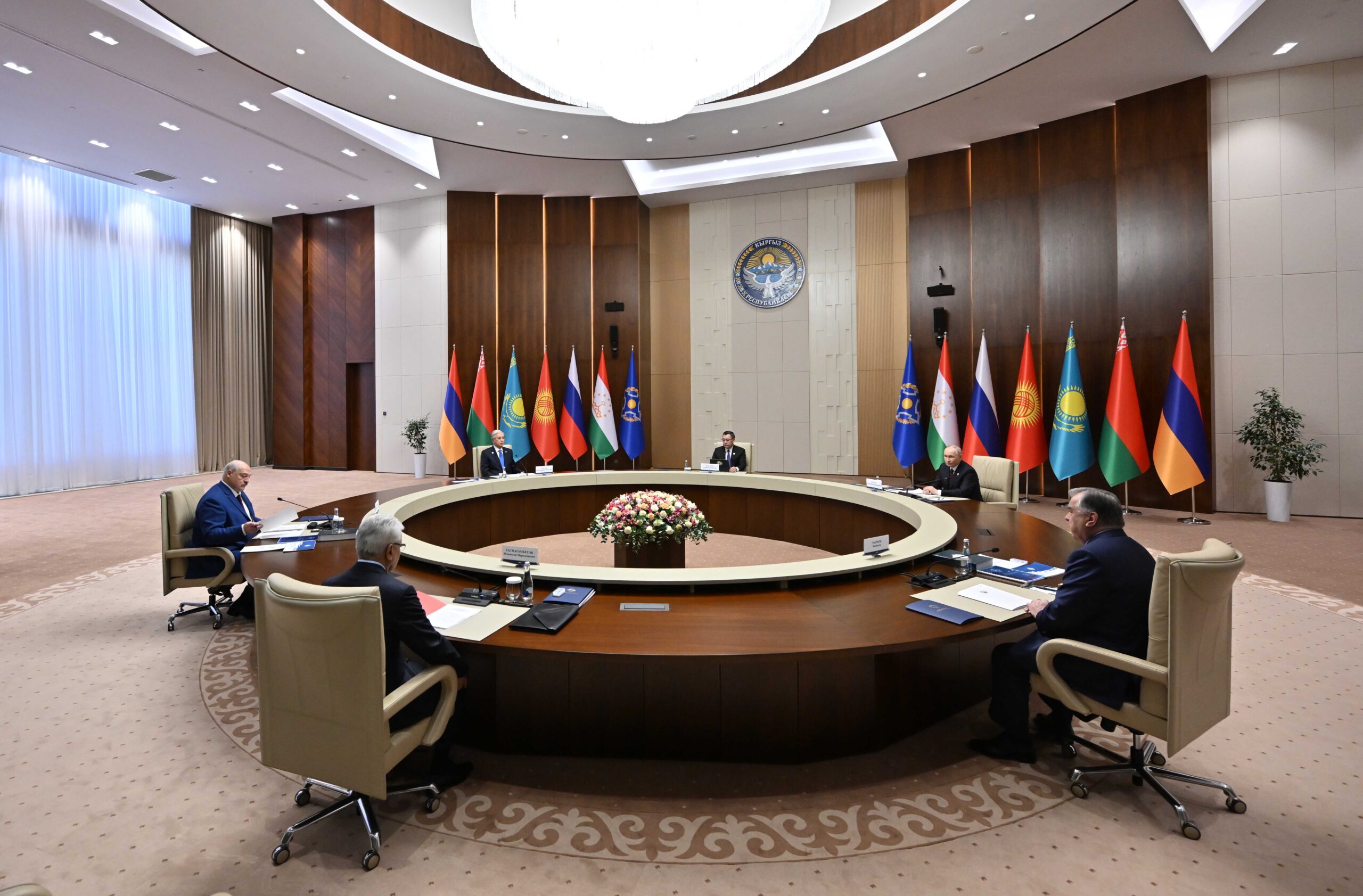
Kyrgyz President Sadyr Japarov hosted the summit, marking the end of his country’s chairmanship. Japarov handed over the role to Russian President Vladimir Putin, who announced that Russia will lead the CSTO in 2026 under the motto “Collective Security in a Multipolar World: Common Goal—Shared Responsibility.” The bloc also appointed Kyrgyzstan’s Taalatbek Masadykov as the next Secretary General. The former deputy head of Kyrgyzstan’s Security Council will begin his three-year term on January 1, 2026.

In remarks during the summit, Putin also addressed global concerns about the war in Ukraine, stating that a 28-point peace plan proposed by former U.S. President Donald Trump could serve as a “basis for future agreements.” He added that Russia has no intention of attacking Europe, seeking to dispel fears of escalation while reaffirming Moscow’s security agenda.

The summit ended with the adoption of a large number of documents. Among them were a strategy to combat drug trafficking and plans to improve border security, peacekeeping readiness, and anti-terrorism efforts.

Russia used the summit to offer CSTO members a rearmament initiative. Putin proposed supplying allies with modern Russian-made weapons that had “proven their effectiveness” in recent conflicts. The offer included expanded cooperation in joint production and training. Military exercises will continue under the newly adopted five-year cooperation plan. In 2025, the CSTO held drills in Kyrgyzstan, Belarus, and Tajikistan under the banner “Indestructible Brotherhood.” The plan outlines regular future training, integration of air defense units, and enhancements to peacekeeping logistics.

The alliance also adopted an Anti-Drug Strategy for 2026–2030 and signed a joint resolution to intensify Operation “Kanal,” which targets drug routes through Central Asia. The CSTO committed to upgrading its counterterrorism strategy and enhancing cyber defense capabilities, with Russia proposing broader coordination on information security and biosecurity.

Tajik President Emomali Rahmon, meanwhile, used the summit to urge partners to accelerate border security aid along Tajikistan’s porous southern frontier with Afghanistan.

For Central Asia, the summit’s decisions carry immediate implications. Tajikistan, Kyrgyzstan, and Kazakhstan each face different internal and border-related challenges, but all benefit from continued defense integration and training. The CSTO’s reaffirmation of its mutual defense clause—Article 4—signals continued political support for Central Asian states concerned about terrorism, cross-border infiltration, and drug trafficking.

Kazakhstan, a founding member, remains one of the bloc’s most engaged contributors. In January 2022, the country invoked CSTO support to quell mass unrest. The rapid deployment of CSTO peacekeepers helped stabilize the situation, marking the bloc’s first internal intervention.

Kyrgyzstan concluded its 2025 CSTO chairmanship with praise from allies. President Japarov stated that all planned objectives – security coordination, crisis simulations, and high-level military planning – were completed. The appointment of Masadykov as Secretary General reinforces the country’s diplomatic standing within the bloc.

The CSTO also emphasized building deeper ties with the Shanghai Cooperation Organization and the Commonwealth of Independent States. That move suggests a shift toward broader regional coordination, especially on narcotics control, training, and digital security.

However, not all signs pointed to harmony. Armenia’s refusal to attend reflected growing disillusionment with the CSTO’s crisis response track record. Yerevan has criticized the alliance for failing to intervene during border clashes with Azerbaijan, and has explored alternative partnerships with the European Union and NATO members.

The CSTO’s remaining members appeared content to move forward despite the rift. Russia’s incoming chairmanship suggests the bloc will continue expanding its military agenda while integrating security issues such as migration and cybersecurity. Moscow also appears committed to keeping the CSTO as a platform for safeguarding its faltering influence in the region.

Though many of the new plans extend through 2030, offering continuity for training, modernization, and joint exercises, whether the bloc’s goals materialize will depend on funding, logistics, and political will. For its Central Asian members, the CSTO remains a buffer against regional instability, especially given Afghanistan’s uncertain trajectory and persistent economic fragility in border provinces.

In practice, the CSTO’s value continues to lie in its deterrent role, its ability to stage rapid-response drills, and its political symbolism. As the Bishkek summit showed, the bloc still commands consensus among most of its members, even if that consensus is built on uneven capacities and shifting alliances.

Uzbekistan Gains ASEAN Approval to Join Cooperation Treaty

Uzbekistan’s efforts to strengthen its ties with Southeast Asia advanced significantly this week after all member states of the Association of Southeast Asian Nations (ASEAN) approved Tashkent’s application to join the Treaty of Amity and Cooperation in Southeast Asia (TAC). The decision was made during a meeting of ASEAN foreign ministers chaired by Malaysia in Kuala Lumpur, according to the Dunyo news agency.

Signed in Bali in 1976, the TAC outlines core principles for regional cooperation, including peaceful dispute resolution, non-interference, renunciation of force, and respect for sovereignty.

ASEAN now comprises 11 countries with a combined population nearing 700 million, forming one of the world’s most dynamic economic regions. Uzbekistan’s accession to the TAC is expected to enhance its political and economic presence in Southeast Asia, facilitate state-to-state cooperation, boost trade and investment, and increase confidence among international companies operating in or considering expansion into Central Asia.

Political analyst Jahongir Akramov described the approval as a significant diplomatic achievement for Uzbekistan. Speaking to The Times of Central Asia, he said the move aligns closely with Uzbekistan’s foreign policy principles: “Uzbekistan’s joining this treaty can be seen as a very significant diplomatic success. One of the key reasons is that the core principles of the TAC fully match the principles set out in Article 17 of Uzbekistan’s Constitution, non-use of force, resolving conflicts peacefully, negotiating disputes, and respecting the sovereignty of states.”

Akramov noted that since 2016, Uzbekistan’s foreign policy has evolved along three strategic vectors, all of which are reinforced by the TAC: “First, Uzbekistan adopted a multi-vector foreign policy. Second, the country has taken major steps to develop economic diplomacy. Third, we have been deepening regional integration. All three of these trends are fully consistent with joining the TAC.”

He emphasized that the timing is especially relevant amid growing geopolitical strains: “Geopolitical tensions have intensified, particularly among the United States, China, and Russia. In this situation, participating in platforms such as ASEAN can help reduce pressure and maintain diplomatic balance.”

Akramov also positioned Uzbekistan’s move as part of a broader Global South cooperation trend. “Central Asian and ASEAN countries are both part of the Global South. Building closer relations ensures our interests are better represented in shaping new international norms.”

Economically, Akramov pointed to ASEAN’s size and diversity as highly advantageous. “ASEAN includes Indonesia, the world’s most populous Muslim-majority country, Singapore, a global innovation hub, Malaysia, an advanced and diversified economy, and Thailand, a leading tourism destination. Closer ties with these states could expand tourism, improve Uzbekistan’s international image, and boost the competitiveness of Uzbek products.”

He added that ASEAN’s extensive experience with regional integration offers a model for Central Asia. “As one of the first Central Asian countries to join the TAC, Uzbekistan could take a leading role in fostering ASEAN-Central Asia cooperation. A regional office or cooperation structure based in Tashkent or Samarkand would be a major diplomatic achievement.”

However, Akramov cautioned that the partnership would require careful navigation. “Southeast Asia has its own geopolitical tensions, such as the South China Sea disputes involving the Philippines and China. Uzbekistan must remain neutral and avoid diplomatic entanglements.”

He also cited internal ASEAN challenges. “The crisis in Myanmar, including issues related to the Rohingya population, remains unresolved. Taking a strong stance on sensitive issues could backfire. Diplomacy will need to be measured.”

On the economic front, Akramov warned of increased competition. “Indonesia and Vietnam are highly competitive in textiles. Thailand dominates tourism. Singapore leads in innovation. Uzbekistan must prepare to compete in a tougher environment, requiring adaptation across our diplomatic, economic, and educational institutions.”

When asked about priority sectors, Akramov identified textiles, food production, tourism, and collaboration with innovative IT parks in Singapore and Malaysia as key areas of opportunity. “These sectors can generate jobs and expand expertise. Education and cultural exchange programs will also see gains.”

Uzbekistan is now expected to complete the final steps toward full accession to the TAC. Originally a regional agreement, the treaty has expanded into a global platform. Since the late 1990s, China, Russia, the United States, and the European Union have all joined, bringing the number of signatories to nearly 50.

For Tashkent, joining the TAC reflects a deeper integration with one of the world’s most strategically important regions, cementing its place in a rapidly evolving global order.

Over 62% of All Microloans in Kyrgyzstan Are for Consumer Purposes

Between January and September 2025, microcredit organizations in Kyrgyzstan issued loans totaling approximately $720 million to nearly 797,000 recipients, according to the National Statistics Committee. These figures highlight the growing role of microfinance in a country with a population of just over 7 million.

While the number of borrowers declined by 13.2% compared to the same period in 2024, the total volume of microloans increased by 33.6%, suggesting a trend toward larger individual loan sizes.

Bishkek, the capital, accounted for the largest share of microloan recipients, with nearly 259,000 people, 32.5% of the nationwide total, taking out loans during the nine-month period.

Consumer lending dominated the sector, making up more than 62% of all microloans issued. Loans for agricultural development comprised just over 15%, while those for trade and the catering sector represented 9.5%.

Compared to the same period last year, the share of consumer loans rose by 9.7%, while the share of agricultural loans declined by 4.6%, reflecting a shift in borrowing priorities.

Kyrgyzstan currently has 21 commercial banks and 515 non-bank financial institutions, including microcredit organizations. The financial sector’s client base grew by 40% in the first nine months of 2025, largely due to increased adoption of mobile banking and the rise of online lending through microfinance platforms.

In response to growing concerns about digital financial fraud, Kyrgyzstan introduced a self-restriction mechanism on November 1. The system allows individuals to voluntarily block new loans or credit being issued in their name, an effort to protect consumers from unauthorized lending using forged or stolen identification documents.

Under the new regulation, banks and microfinance institutions are legally required to verify whether a client has enacted a self-restriction before issuing a loan.