• KGS/USD = 0.01144 0%
  • KZT/USD = 0.00196 -0%
  • TJS/USD = 0.10899 0%
  • UZS/USD = 0.00008 0%
  • TMT/USD = 0.28571 0.28%
  • KGS/USD = 0.01144 0%
  • KZT/USD = 0.00196 -0%
  • TJS/USD = 0.10899 0%
  • UZS/USD = 0.00008 0%
  • TMT/USD = 0.28571 0.28%
  • KGS/USD = 0.01144 0%
  • KZT/USD = 0.00196 -0%
  • TJS/USD = 0.10899 0%
  • UZS/USD = 0.00008 0%
  • TMT/USD = 0.28571 0.28%
  • KGS/USD = 0.01144 0%
  • KZT/USD = 0.00196 -0%
  • TJS/USD = 0.10899 0%
  • UZS/USD = 0.00008 0%
  • TMT/USD = 0.28571 0.28%
  • KGS/USD = 0.01144 0%
  • KZT/USD = 0.00196 -0%
  • TJS/USD = 0.10899 0%
  • UZS/USD = 0.00008 0%
  • TMT/USD = 0.28571 0.28%
  • KGS/USD = 0.01144 0%
  • KZT/USD = 0.00196 -0%
  • TJS/USD = 0.10899 0%
  • UZS/USD = 0.00008 0%
  • TMT/USD = 0.28571 0.28%
  • KGS/USD = 0.01144 0%
  • KZT/USD = 0.00196 -0%
  • TJS/USD = 0.10899 0%
  • UZS/USD = 0.00008 0%
  • TMT/USD = 0.28571 0.28%
  • KGS/USD = 0.01144 0%
  • KZT/USD = 0.00196 -0%
  • TJS/USD = 0.10899 0%
  • UZS/USD = 0.00008 0%
  • TMT/USD = 0.28571 0.28%
09 December 2025

Kyrgyz Authorities Raid State Tax Service Offices

Kyrgyzstan’s State Committee for National Security (SCNS) conducted searches across four district offices of the State Tax Service (STS), detaining several high-ranking employees on allegations of abuse of office.

According to the SCNS, 30 tax officials were apprehended, including three of the four heads of the State Tax Service in Bishkek. These officials were placed in the SCNS pre-trial detention center on charges related to fraudulent shipping invoices.

“During the inspection, it was revealed that major manufacturers and importers of excisable goods – such as alcohol and tobacco products – recorded revocations and withdrawals of shipping documents in the relevant accounting databases, despite continuing to supply these products predominantly to southern regions of the country,” the SCNS stated.

The investigation showed that in 2024 alone, tax officials failed to address numerous instances of revoked shipping invoices amounting to $3.7 million. This reportedly enabled large manufacturers and importers to evade taxes. A criminal case has been initiated under Article 337 of the Criminal Code, which pertains to the abuse of official position.

Authorities are working to determine the total financial damage caused to the state. Meanwhile, charges are expected to be brought against the detained district heads of the Bishkek STS offices. A court will decide on appropriate legal remedies as the investigation continues.

S&P Global Ratings Predicts 5.6% Annual Growth for Uzbekistan Through 2027

S&P Global Ratings has reaffirmed Uzbekistan’s long-term sovereign credit rating at BB, forecasting strong economic growth averaging 5.6% annually from 2024 to 2027. This growth will be driven by public investment and private consumption. While rising public and external debt presents some risks, S&P expects fiscal and current account deficits to narrow after peaking in 2023.

Economic Projections

Uzbekistan’s gross general debt is projected to reach 39% of GDP in 2024, a level considered moderate by global standards. Most of this debt originates from official creditors under concessional terms. The agency’s stable outlook reflects robust growth prospects, balanced against challenges posed by debt accumulation.

The country’s economy expanded by 6.6% in the first nine months of 2024, fueled by sectors such as construction, trade, and communications. Investments continue to play a pivotal role, with Uzbekistan maintaining one of the world’s highest investment-to-GDP ratios at 34%. Key investment areas under the “Uzbekistan – 2030” strategy include energy, transport, agriculture, and tourism.

Diversification and Energy Goals

As part of efforts to diversify energy sources, Uzbekistan is targeting 40% green energy by 2030. Saudi Arabia’s ACWA Power has pledged $7.5 billion in investments for electricity projects. The government is also expanding exports of critical resources such as copper, gold, silver, and uranium to boost revenue streams.

Opportunities and Risks

Despite challenges such as low GDP per capita and reliance on remittances, Uzbekistan benefits from a young workforce and rising foreign investment. However, risks remain, including potential sanctions on companies linked to Russia and difficulties in creating sufficient jobs.

In 2024, remittance inflows – primarily from Russia, along with Germany and South Korea – increased by 35%, providing a significant economic boost. Trade with Russia also grew by 26%, and Uzbekistan signed a two-year gas import contract with Gazprom. Meanwhile, the government is taking steps to mitigate the risks of secondary sanctions stemming from its trade ties with Russia.

Broader Context

These developments align with Uzbekistan’s long-term economic strategies while highlighting both opportunities and vulnerabilities. S&P’s latest forecasts reaffirm the country’s growth trajectory, supported by strategic investments and economic reforms, yet underscore the importance of managing debt and external risks.

Turkmenistan and Turkey Aim to Double Trade Turnover

Turkmenistan and Turkey have announced plans to double their annual trade turnover from $2.5 billion to $5 billion in the coming years.

Turkish Trade Minister Ömer Bolat shared the goal during an exhibition in Ashgabat, where more than 70 Turkish companies were represented. He emphasized that the current trade volume is insufficient and that achieving this milestone would significantly strengthen economic ties between the two nations.

Roadmap for Economic Cooperation

A key step toward this goal will be the 8th meeting of the intergovernmental commission, scheduled for February or March next year in Ankara. According to Bolat, the meeting will approve a new roadmap for trade and economic cooperation.

“We will develop our cooperation in various fields, following the vision of the leaders of our brotherly countries,” Bolat stated, highlighting the deep cultural and historical ties between Turkey and Turkmenistan.

Priority Sectors

The partnership will focus on several priority areas:

• Energy: Discussions are underway to facilitate the transportation of Turkmen natural gas to Europe, which could lead to strategically important agreements.

• Chemical Industry: Both countries aim to collaborate on projects that enhance the sector’s development.

• Trade Facilitation: Improvements in customs procedures and visa regime simplifications are expected to ease business interactions for citizens of both nations.

Bolat also underscored the importance of Turkish construction projects in Turkmenistan, as well as the role of the Middle Corridor in boosting trade opportunities by improving goods transportation.

Strengthening Economic Ties

Turkey and Turkmenistan already maintain robust economic relations, with Turkey ranking as one of Turkmenistan’s leading trade partners. More than 600 Turkish companies operate in sectors such as trade, investment, construction, energy, transportation, communications, textiles, and processing industries.

This strategic collaboration reflects shared cultural and historical roots, with both countries committed to furthering economic cooperation across various fields. The ambitious $5 billion trade goal demonstrates a mutual effort to deepen ties and expand opportunities in the region.

France to Help Kazakhstan Preserve Lake Balkhash

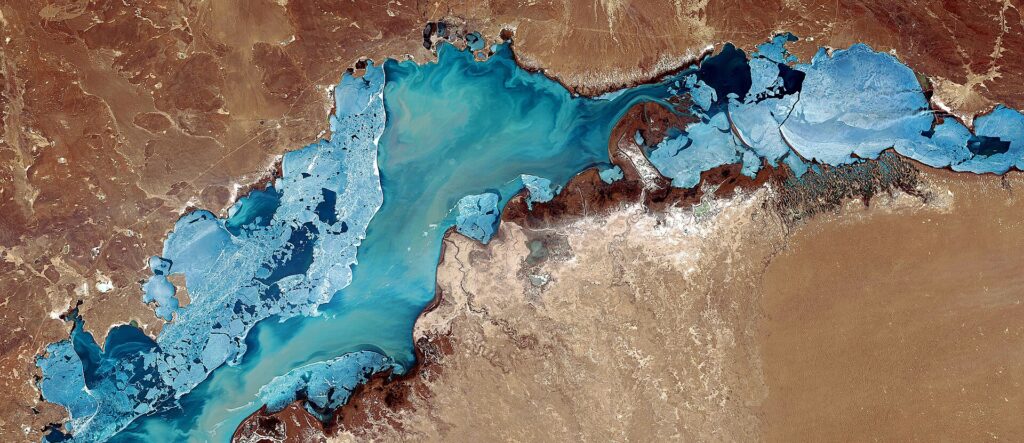
Kazakhstan’s Ministry of Water Resources and Irrigation, the French Development Agency (AFD), and the French Geological Survey (BRGM, Bureau de Recherches Géologiques et Minières) have signed a cooperation agreement to preserve Lake Balkhash. The agreement was formalized on December 4 at the One Water Summit in Saudi Arabia, attended by Kazakhstan President Kassym-Jomart Tokayev and French President Emmanuel Macron.

Located 175 miles northwest of Almaty, Kazakhstan’s largest city, Lake Balkhash is the world’s fifteenth-largest lake. Under the agreement, the French side will allocate a grant of 1.35 million €uros to Kazakhstan’s Ministry of Water Resources and Irrigation to develop sustainable water management for the lake. The project includes a comprehensive study of the Lake Balkhash basin to create a long-term preservation plan through 2040.

Minister of Water Resources and Irrigation, Nurzhan Nurzhigitov explained, “The trilateral agreement with AFD and BRGM is aimed at studying and sustainably managing water in the Lake Balkhash basin. The document provides for measuring and analyzing the state of water, modeling climate and anthropogenic influences, and forecasting the water balance until 2040. One of the goals of the project is to optimize the operating mode of the Kapchagay Reservoir to stabilize the level of Lake Balkhash. Based on the results of the study, measures will be taken to clean the rivers [feeding Balkhash], prevent soil degradation and water pollution, develop fisheries and ecotourism, and create a regulatory framework for the protection of the lake.”

At the summit, Kazakhstan’s Special Representative for International Environmental Cooperation, Zulfiya Suleimenova, announced that Kazakhmys Corporation, one of the country’s leading private companies, will contribute $5 million to preserve the ecosystem of Lake Balkhash and adjacent wetlands.

In November, The Times of Central Asia reported that 13.5 billion cubic meters of water had been sent to Lake Balkhash via the Ili River from the Kapchagay Reservoir in 2024, raising the lake’s average water level to 341.6 meters above sea level. The Ili River, which originates in China, provides about 70% of Lake Balkhash’s water.

Earlier in May, reports indicated that Balkhash’s water level had risen by 23 centimeters since the start of the year, largely due to increased rainfall and snow-melt floods during spring. Additionally, Kazakhstan and China have begun negotiations on the joint management of trans-boundary rivers, including the Ili. As previously reported by The Times of Central Asia, a key focus for Kazakhstan in these talks is to maintain optimal water levels in Lake Balkhash.

Kazakhstan’s Evolving IT Sector and the Rise of AI

Kazakhstan is witnessing a surge in IT talent as specialists from Ukraine, Russia, and Belarus flock to the country. While this has intensified competition for local professionals, many Kazakh IT specialists are also seeking opportunities abroad. To better understand the current landscape, The Times of Central Asia spoke with Mazhit Berniyazov, founder of the travel startup Mego.tours, about the development of Kazakhstan’s IT industry.

TCA: How long have you been working in IT, and how in-demand is this sector in Kazakhstan?

Mazhit Berniyazov: My 16 years of experience in IT and related fields has given me a front-row seat to the sector’s rapid development and transformation. I’ve worked in both dynamic startups and large companies, experiencing the benefits and challenges of each.

Globally, IT is one of the most sought-after sectors, and its popularity continues to grow. In Kazakhstan, the demand for IT professionals has surged in recent years, driven by several factors. First, IT offers a wide range of career paths, making it appealing to people with diverse skills and interests—whether it’s software development, web design, cybersecurity, or data analytics. Second, training opportunities have expanded significantly, with numerous online courses, schools, and academies offering accessible and high-quality education, often bypassing the need for traditional higher education. Third, the IT industry’s dynamic and ever-evolving nature ensures constant demand for skilled professionals, adding to its appeal.

The COVID-19 pandemic has also transformed the IT market. The rise of hybrid work models—combining remote and in-office work—has given professionals greater flexibility and freedom. This shift has broadened hiring pools, enabling Kazakh companies to recruit international talent, which, in turn, has heightened competition in the local labor market.

TCA: What steps are needed to further develop Kazakhstan’s IT industry?

Mazhit Berniyazov: Over the past two years, Kazakhstan has seen a significant influx of IT professionals from Russia, Belarus, and Ukraine. While many bring high levels of expertise, this migration has intensified competition for local specialists. Additionally, some migrant professionals accept lower salaries due to their circumstances, creating further challenges for Kazakh IT workers.

This influx has a dual impact: it raises the overall level of the IT industry in Kazakhstan while also pushing local specialists to enhance their skills and adapt to the evolving landscape.

Government support is crucial for the growth of the IT sector, yet Kazakhstan still lacks a clear strategy for leveraging its potential, especially in areas like artificial intelligence (AI). While initiatives exist to support IT development, there is no comprehensive roadmap for AI integration or sufficiently effective programs to attract investment and nurture startups in this field.

Globally, AI is advancing rapidly, transforming industries such as healthcare, finance, logistics, and marketing. However, Kazakhstan is still in the early stages of crafting a national AI strategy. Challenges include limited public investment, a shortage of qualified specialists, and the absence of a robust regulatory framework.

To compete internationally, Kazakhstan must implement a targeted program for AI development, including:
• Encouraging scientific research and innovation
• Supporting education and training initiatives
• Creating a favorable investment climate
• Establishing an effective regulatory environment

Only with these measures in place can Kazakhstan unlock its potential in AI and secure a competitive position on the global stage. Without decisive action, the country risks falling further behind global leaders, and competition within the labor market will continue to intensify.

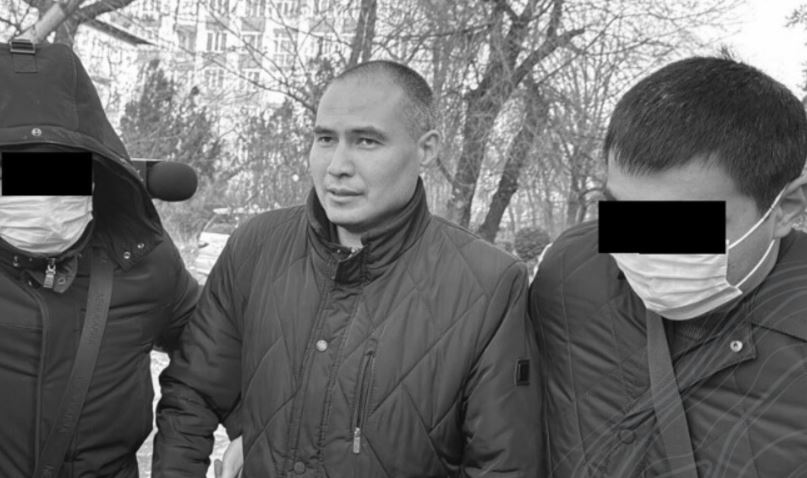
UN Expresses Concern Over Arrest of Kyrgyz Lawyer Samat Matsakov

The UN Special Rapporteur on the rights of human rights defenders, Mary Lawlor, has voiced concern over the arrest of lawyer Samat Matsakov in Bishkek. In a statement published on social media platform X, Lawlor highlighted potential violations of procedural safeguards.

“Received disturbing news about the arrest of human rights lawyer Samat Matsakov in Kyrgyzstan, which is a clear violation of procedural safeguards for arrest and fair trial standards. Lawyers must be protected from harassment and persecution,” she wrote.

Detention and Charges

Samat Matsakov was detained on November 29 on fraud charges. However, Matsakov claims he has not been provided with a clear explanation of the allegations against him. During a search of his apartment, an investigator from the State Committee for National Security (SCNS) confiscated a dictaphone and disks connected to a client’s case. The client, Imamidin Tashov, is the former director of the KG Group construction company.

Matsakov has been placed in pre-trial detention until December 30. His arrest has sparked criticism from human rights activists and lawyers, who describe it as an unprecedented violation of the law. An appeal against the pre-trial detention order is currently being prepared.

Professional Legacy

Matsakov is well-known for defending journalists, the akyn (poet-singer) Askat Zhetigen, and various high-profile individuals, including company executives and public figures. His detention has drawn significant attention from human rights organizations and the international community.

Critics argue that the arrest reflects broader challenges facing legal professionals in Kyrgyzstan, emphasizing the need for greater protections to ensure that lawyers can perform their duties without fear of harassment or persecution.