• KGS/USD = 0.01144 0%
  • KZT/USD = 0.00194 -0%
  • TJS/USD = 0.10896 -0%
  • UZS/USD = 0.00008 0%
  • TMT/USD = 0.28571 0.28%
  • KGS/USD = 0.01144 0%
  • KZT/USD = 0.00194 -0%
  • TJS/USD = 0.10896 -0%
  • UZS/USD = 0.00008 0%
  • TMT/USD = 0.28571 0.28%
  • KGS/USD = 0.01144 0%
  • KZT/USD = 0.00194 -0%
  • TJS/USD = 0.10896 -0%
  • UZS/USD = 0.00008 0%
  • TMT/USD = 0.28571 0.28%
  • KGS/USD = 0.01144 0%
  • KZT/USD = 0.00194 -0%
  • TJS/USD = 0.10896 -0%
  • UZS/USD = 0.00008 0%
  • TMT/USD = 0.28571 0.28%
  • KGS/USD = 0.01144 0%
  • KZT/USD = 0.00194 -0%
  • TJS/USD = 0.10896 -0%
  • UZS/USD = 0.00008 0%
  • TMT/USD = 0.28571 0.28%
  • KGS/USD = 0.01144 0%
  • KZT/USD = 0.00194 -0%
  • TJS/USD = 0.10896 -0%
  • UZS/USD = 0.00008 0%
  • TMT/USD = 0.28571 0.28%
  • KGS/USD = 0.01144 0%
  • KZT/USD = 0.00194 -0%
  • TJS/USD = 0.10896 -0%
  • UZS/USD = 0.00008 0%
  • TMT/USD = 0.28571 0.28%
  • KGS/USD = 0.01144 0%
  • KZT/USD = 0.00194 -0%
  • TJS/USD = 0.10896 -0%
  • UZS/USD = 0.00008 0%
  • TMT/USD = 0.28571 0.28%
09 December 2025

Kazakhstan Seeks to Stabilize Currency as Tenge Hits Record Low

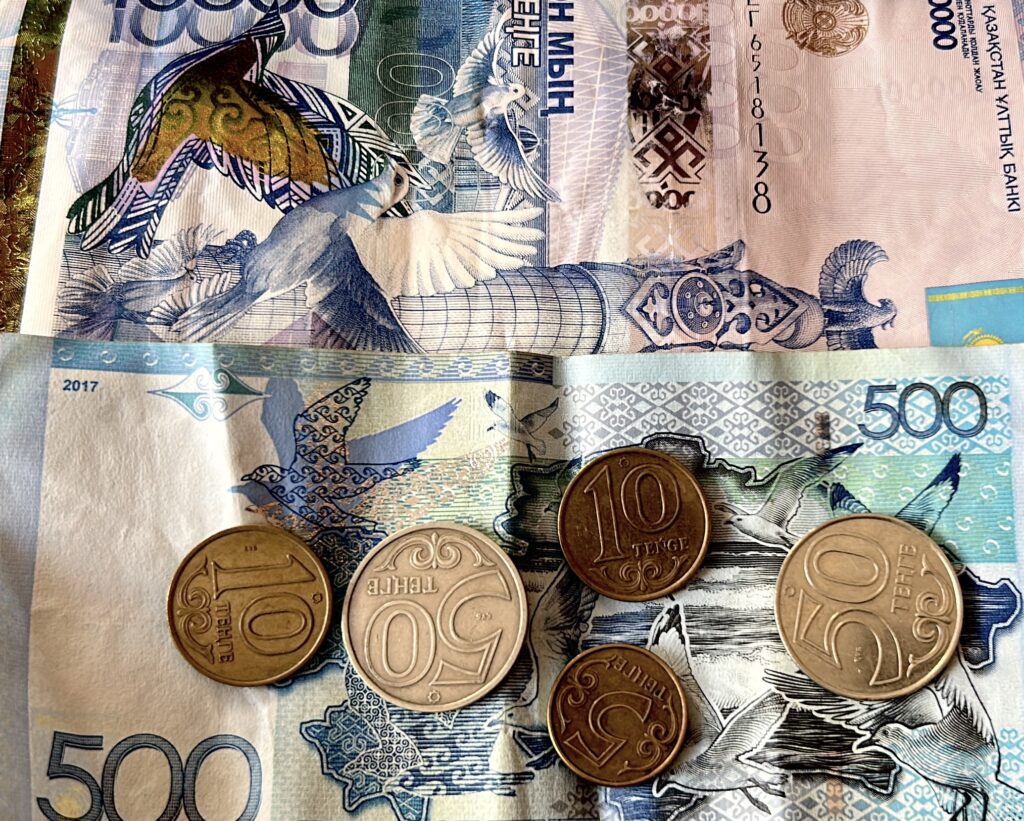
Kazakhstan’s central bank said Monday that it has spent more than $1 billion in foreign exchange interventions since mid-November in an effort to stabilize the declining currency, which has passed the threshold of 500 tenge to the U.S. dollar and hit record lows. Kazakh officials attribute the drop to the global appreciation of the dollar, a decrease in oil prices, the tumbling Russian ruble and other factors. 

The National Bank said it expects to spend another $800 million or $900 million in foreign currency sales in December to cover transfers from the National Fund to the state budget. It also noted that the government on Nov. 19 reinstated a requirement that “quasi-government entities” sell 50% of foreign currency revenue as a measure to balance the FX market. 

“On the domestic FX market, there was an increase in demand for foreign currency from economic agents and a limited supply, partly due to the exchange rate surpassing a psychological threshold,” said the bank, referring to the 500 tenge to the dollar barrier. 

“Amid the deterioration of several fundamental factors, to prevent destabilizing fluctuations, smooth excessive volatility in the tenge exchange rate, and ensure the supply of foreign currency, the National Bank conducted foreign exchange interventions from November 15 to November 28. The total volume of currency sales for the month amounted to USD 1,047 million,” it said. 

The tenge fell to a record low of 520 to the dollar on Monday, according to financial news reports. The Bloomberg news agency said the currency went as low as 530 to the dollar on Monday afternoon, amounting to a loss of more than 13% for the year so far.

A significant factor affecting the tenge is the fall in the value of the ruble, which took another hit last month after new Western sanctions were imposed on Gazprombank, a Russian state-owned bank that handles energy transactions.  

Kazakhstan and Russia are major trading partners. On a visit to Kazakhstan last week, Russian President Vladimir Putin highlighted growing trade between the two countries and said: “Payments were and still are a problem, but we now have over 80 percent of payments made in national currencies, which, of course, makes our work in the financial sphere easier.”

Russia accounts for almost 20% of Kazakhstan’s foreign trade, according to Kazakh President Kassym-Jomart Tokayev. He said last week that Kazakhstan remains a partner of Russia during this “difficult” time, possibly a reference to geopolitical tensions and economic challenges related to Russia’s war in Ukraine.  

On Monday, Nurlan Baibazarov, Kazakhstan’s deputy prime minister and minister of the national economy, appealed for calm, said finances are stable and that Kazakhstan had weathered similar exchange rate fluctuations at the beginning of the war in early 2022, according to the Orda.kz news site.  

Justice for Veterans: U.S. Acknowledges Cancer Cases Tied to Service at Uzbekistan’s K2 Base

Thousands of American veterans who served at Uzbekistan’s K2 airbase have reported rare cancers and diseases – but only now, more than two decades later, is the U.S. government taking steps to address their dire situation.

The U.S. Department of Veterans Affairs (VA) has announced plans to include bladder, urinary tract, and genitourinary cancers as conditions presumed to be linked to service at Uzbekistan’s Karshi-Khanabad airbase, known as K2.

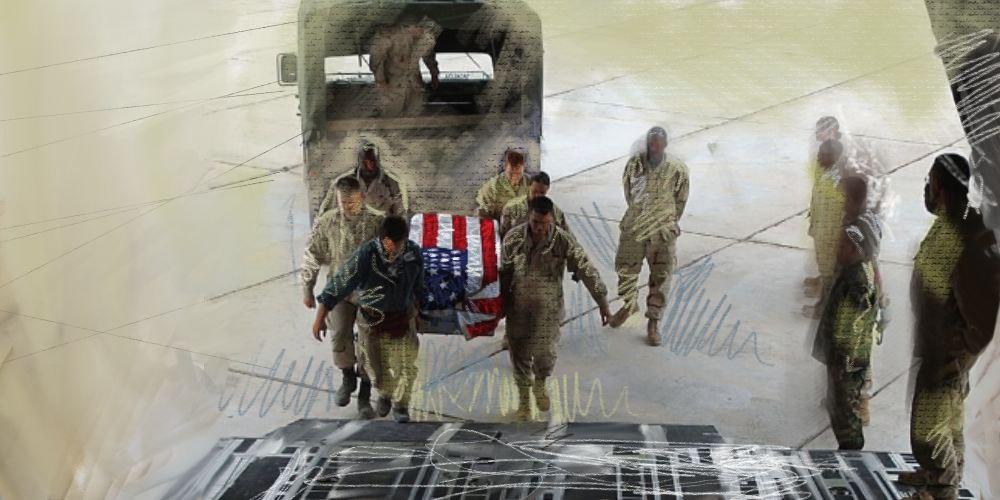
In 2001, the U.S. military moved into K2, a former Soviet airbase, to support a series of operations named “Enduring Freedom” which were purportedly aimed at tackling terrorism and Al-Qaeda in the wake of 9/11. However, in addition to the threat of terrorism, the troops faced another danger: the toxic environment. Reports from the base describe exposure to chemicals and radioactive materials. Soldiers recalled an underground “black bubble,” glowing lakes, and a chemical odor lingering in the air.
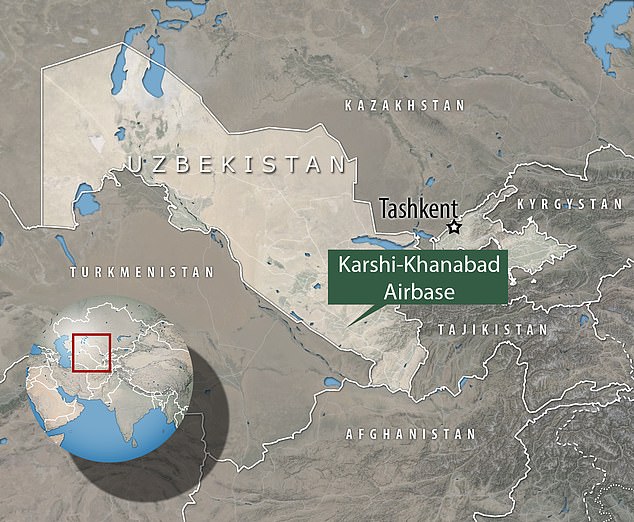
Image: Stronghold Freedom Foundation

The Karshi-Khanabad airbase was heavily used by the Soviet military during its operations in Afghanistan from 1979 to 1989, when it served as a site for producing, storing, and testing various weapons, including chemical weapons. The base also stored fuel, solvents, and other harmful substances. Additionally, it became a dumping ground for toxic waste, asbestos, enriched uranium, and other hazardous materials. Spills of these substances were frequent, leaving lasting environmental damage.

Before the U.S. occupied K2, the destruction of Soviet-era missiles left some soil contaminated with low-level radioactive depleted uranium. The destruction of Soviet missiles was part of disarmament obligations under the 1987 Intermediate-Range Nuclear Forces (INF) Treaty.

A 2001 survey found traces that could be harmful if inhaled, and a 2002 assessment confirmed small amounts of uranium, identified as non-U.S. depleted uranium, outside Camp Stronghold Freedom’s perimeter. The affected area was covered with clean soil, fenced off, and marked as off-limits in November 2001. Furthermore, approximately 392 chemical compounds were found at the K2 Air Base.

Thousands of military personnel who served in K2 suffered from severe illnesses, including rare forms of cancer, associated with their time at the base. However, over the years, the U.S. government and the VA have delayed recognition of the link between service in K2 and these health issues, leaving many veterans without adequate support.
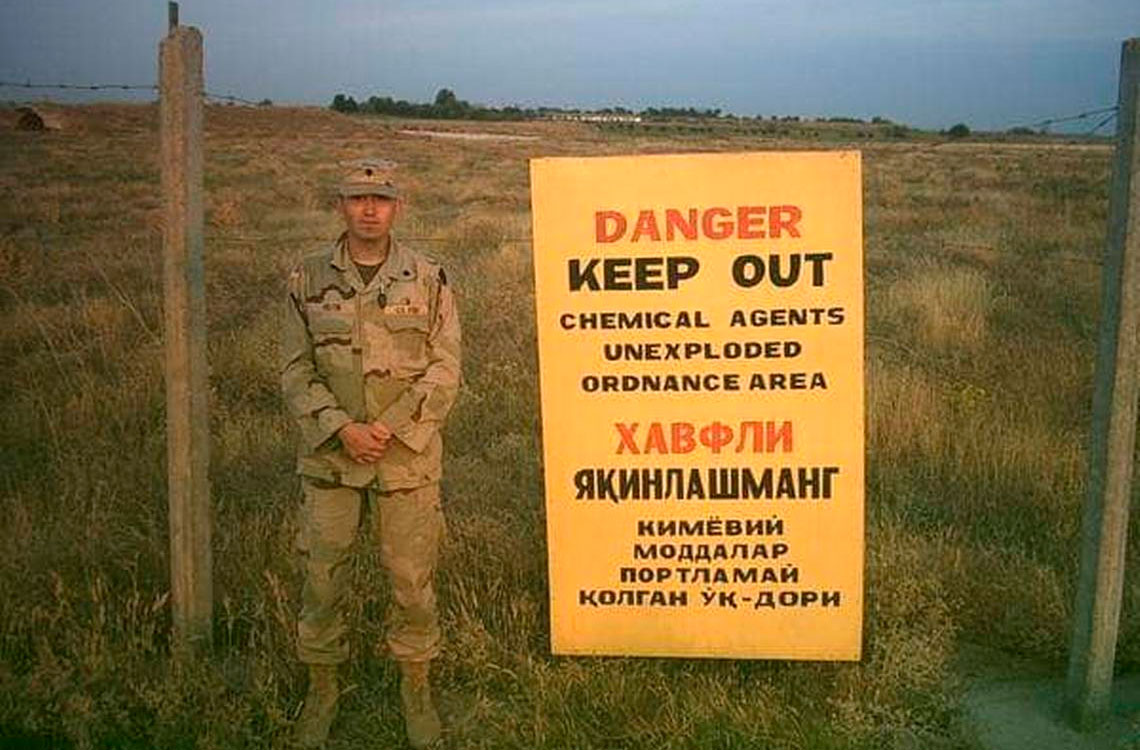
Image: Stronghold Freedom Foundation

According to the Stronghold Freedom Foundation, K2 veterans are 500% more likely to get cancer than other veterans – 75% of U.S. service members deployed to Uzbekistan alone have developed at least one type of K2-related illness.

On November 11, President Joe Biden announced an expansion of the PACT Act (Promise to Address Comprehensive Toxics Act), a law he signed in August 2022 to improve healthcare for veterans exposed to toxins. President Biden stated that the act has already helped over a million veterans and their families access benefits. Under new efforts, the VA will add bladder cancer, ureter cancer, multiple myeloma, and certain types of leukemia to the list of presumptive conditions. This expansion applies to all veterans who served at K2 and in other parts of Southwest Asia.

How President-elect Donald Trump will approach this issue remains unclear.

The VA has also conducted an accelerated review to recognize additional rare conditions related to toxic exposure for veterans deployed to the Gulf War region, including K2. The base, often described as a “toxic soup of exposures,” contained numerous hazardous contaminants.

Karshi-Khanabad Air Base, also called Camp Stronghold Freedom, was a one-square-mile base in southeastern Uzbekistan near the border with Tajikistan. From 2001 to 2005, it was used by the U.S. Army, Air Force, and Marines for operations in Afghanistan. It is now home to the Uzbek Air Force’s 60th Separate Mixed Aviation Brigade.

A Department of Defense (DOD) study found higher risks of certain cancers among K2 veterans, including malignant melanoma and lymphatic or hematopoietic neoplasms. Despite this, the military was not informed of these toxic hazards. Declassified Pentagon documents from 2001-2002 revealed that K2 was a toxic zone due to remnants from its Soviet-era use.

VA Secretary Denis McDonough described K2 as “a place that jeopardized immediate and long-term health.” Army Col. Gordon Peters, who served there, recalled a chemical odor so intense it felt as if the entire area could ignite if a match were struck.

Veterans can file compensation claims with the VA for illnesses linked to their service. For those with presumptive conditions, claims are processed more quickly as they do not need to prove their illness is service-related. Of the 16,000 veterans who served in K2, 13,002 were included in the VA’s healthcare system, and about 12,000 received a disability rating for service-related conditions.

Three years ago, a VOA journalist interviewed locals living around the Karshi-Khanabad base and Uzbeks serving at the base. According to the local population that have been living in the area for a long time and grazing livestock, they have had no problems with their health.
However, Zabikhulla Saipov, a candidate of Political Science and independent researcher, stated that after Uzbek workers who participated in preparing for the arrival of U.S. forces fell ill one by one, the U.S. Central Command conducted its inspection to assess risks at the base. They noted that “contamination of the ground where the airfield is located poses a threat to the health of the U.S. forces deployed there.”

Veterans like Mark Jackson fondly recall their time in Uzbekistan, but have expressed dissatisfaction with the U.S. government and the Pentagon. While they completed their mission, they were left unaware of the base’s toxic dangers. After returning, Jackson and others experienced respiratory problems.

In 2021, Islombek Bakijonov, the deputy chairman of the State Ecology Commission of Uzbekistan, presented some of his theories. During the Soviet-era, chemical substances and herbicides were sprayed on cotton fields. Bakijonov stated that although 33 sites where chemicals from the Soviet period were stored had been closed, 17 remained. He mentioned that one of these sites might be located in the K2 base area.

Following reports of cancer and radiation cases among U.S. soldiers who were stationed at K2, in 2021, Uzbekistan’s Ministry of Defense arranged a press tour of the airfield. Military officials denied any concerns about radiation. Journalists were shown equipment used to measure radiation and air pollution at the base.

According to Maruf Musayev, a serviceman who has been stationed at the base for eight years, the equipment that detects radiation and chemical poisoning has not detected any signs of danger. It is reported that these devices operate in real time. “For eight years, no cases of radiation were detected. My health is good, thank God,” stated Musaev. Meanwhile, Ruiddin Fayzullayev, a 52-year-old electrician working in the military unit since 1994, noted that no cases of cancer have been recorded among military personnel or residents.

Kyrgyzstan Criticizes Russia’s Approach to Migration

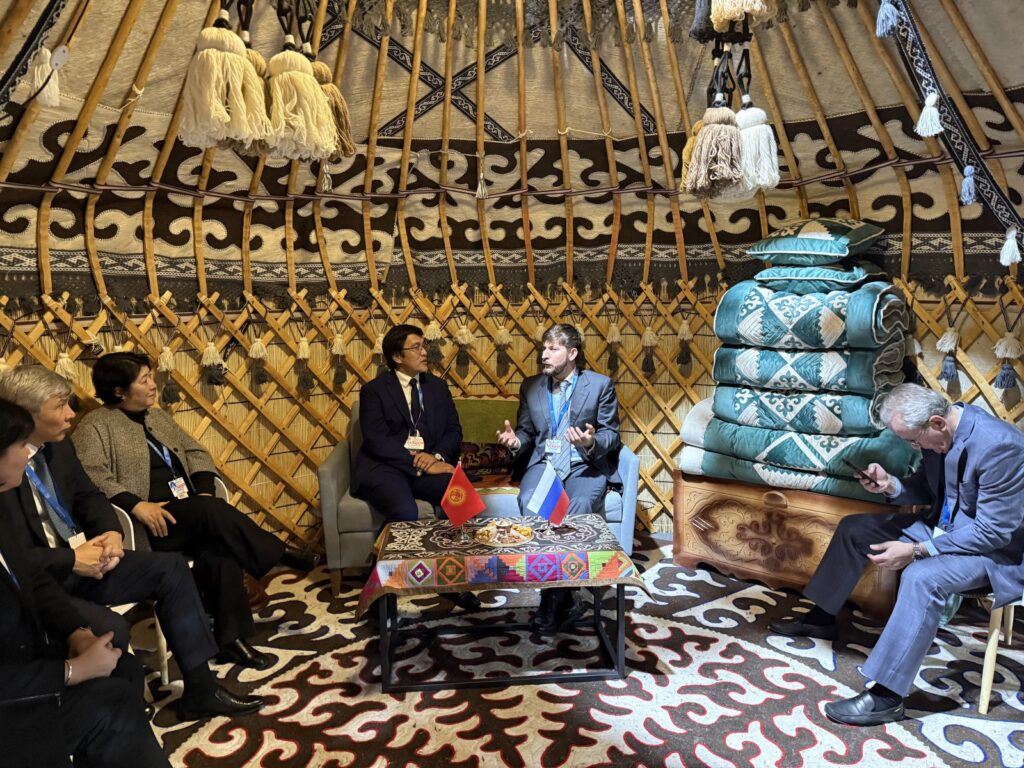
Edil Baisalov, Deputy Chairman of Kyrgyzstan’s Cabinet of Ministers, voiced frustration over Russia’s approach to labor migration during an interview with Russian media. He criticized Moscow for failing to fully honor the principle of free movement of labor within the Eurasian Economic Union (EAEU), of which Kyrgyzstan is a member.

“Free movement of labor resources is one of the principles of the Eurasian Economic Union. Our fundamental documents state that we have access to the labor market on the same basis as citizens of any member state. Thousands of Russians work for us on the same terms as Kyrgyz,” Baisalov stated.

Despite these agreements, he claimed that Kyrgyz workers often face restrictions and criticisms in Russia akin to those applied to migrants from non-EAEU countries.

“People, including seasonal workers, may stay for weeks or months. Some have relocated to Russia with their families and work as doctors, teachers, scientists, and professors. Our migrants significantly contribute to various sectors of Russia’s modern economy, particularly in the service industry—hotels, cafes, and more. Every penny earned by Kyrgyz migrants in the Russian Federation comes at the cost of incredible effort,” he said.

Baisalov highlighted that these challenges are prompting Kyrgyz labor migrants to seek opportunities in other nations, such as South Korea, Japan, the UAE, Turkey, and EU countries.

“Tens of thousands of our women have found their calling in Italy, where elderly care is in high demand. It turns out there’s no better choice than our caregivers and nannies. We even opened an embassy in Italy because nearly 30,000 Kyrgyz citizens reside in Naples and on the island of Sardinia,” he explained.

In light of these trends, the Kyrgyz government has pledged to create 250,000 new jobs within the country in the coming year. A campaign is also underway to encourage citizens working abroad to return home.

Kyrgyzstan Proposes Ban on Cell Phones in Schools and Universities

Kyrgyzstan’s Ministry of Education and Science has proposed a draft decree to restrict the use of cell phones in the country’s educational institutions. The initiative, currently open for public discussion, aims to enhance the educational and social environment and shield students from the adverse effects of excessive technology use.

Under the proposed regulations, students and staff must switch their phones to silent mode upon entering the premises. Students are encouraged to turn off their devices and store them in designated classrooms. Phones would only be permitted during breaks or in emergencies. The decree also prohibits charging devices within educational institutions.

The draft includes strict measures against misuse. It bans distributing materials depicting violence, cruelty, or pornography via mobile devices and forbids actions that could harm an institution’s reputation. Unauthorized photography and videography would also be prohibited.
Special guidelines apply to educators, who would be barred from using phones during lessons unless directly related to educational purposes.

The ministry emphasized that the proposed rules are designed to protect students’ health, curb bullying, and combat the spread of harmful content.

Several countries in the post-Soviet space and beyond have implemented similar restrictions on cell phone use in schools. In Russia, as of December 19, 2023, students are prohibited from using mobile devices during lessons except in emergencies involving life or health threats. Azerbaijan and Tajikistan have enacted comparable bans to enhance student focus and educational quality.

Globally, France has prohibited cell phone use for students aged 3 to 15 since September 2018 to reduce distractions and improve academic discipline. The Netherlands introduced a smartphone ban in schools at the start of 2024, citing benefits such as better academic performance and reduced student anxiety.
UNESCO recommended in July 2023 that schools worldwide adopt smartphone bans to improve academic performance and minimize classroom distractions. Proponents of such measures argue that they increase student concentration, improve education quality, and mitigate the impact of digital devices on children’s mental health.

Kazakhstan Launches New Online Marketplace

A new domestic online marketplace, Teez, has commenced operations in Karaganda, the central city of Kazakhstan’s Karaganda region. The platform, offering next-day delivery, has opened pick-up points in 24 cities nationwide.

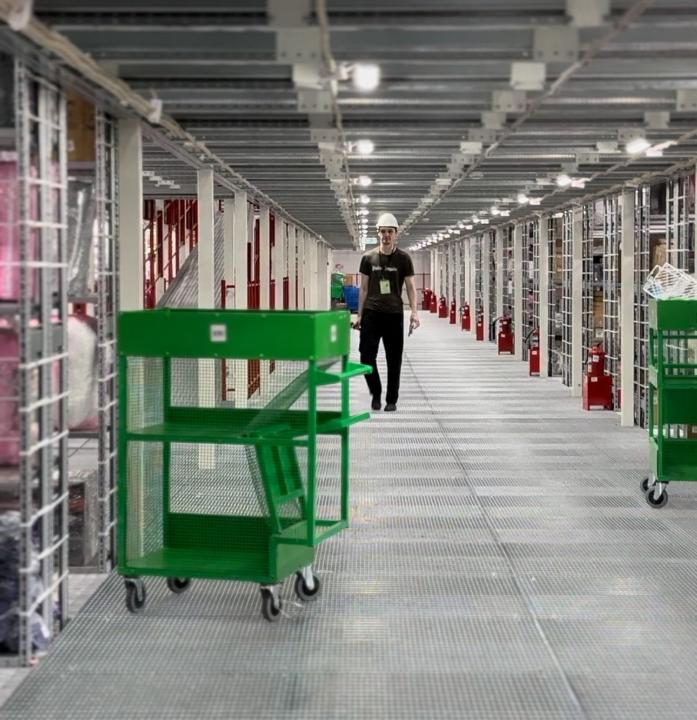
On November 29, Kazakhstan’s Minister of Trade and Integration, Arman Shakkaliyev, visited the marketplace’s main warehouse. Teez co-founder Linar Khusnullin informed the minister that the platform currently operates 40 pick-up points and plans to expand this network to 127. The marketplace offers 50,000 product types, and its customer application has already been downloaded by 170,000 users.

The company’s warehouse spans 25,000 square meters, but by 2030, it aims to expand to a 120,000-square-meter facility. Teez aspires to become Kazakhstan’s leading e-commerce platform.

Shakkaliyev highlighted the rapid growth of e-commerce in Kazakhstan, noting a 20% increase in electronic trade volume from January to October 2024 compared to the same period in 2023. He emphasized that Karaganda, with its central location and developed infrastructure, has the potential to become a vital trade and logistics hub not just for Kazakhstan but for the entire Central Asian region.

The Times of Central Asia reported that in 2023, the volume of e-commerce in Kazakhstan exceeded 2.2 trillion KZT ($4.8 billion), accounting for 13% of all retail trade, a 0.5% increase from the previous year. The country aims to raise its share of e-commerce to 20% by 2030.

Swiss Bank Implicated in Corruption Scheme Linked to Islam Karimov’s Daughter

Swiss bank Banque Lombard Odier & Cie SA faces allegations of violating anti-money laundering regulations concerning funds linked to Gulnara Karimova, the controversial daughter of Uzbekistan’s first president, Islam Karimov. The Swiss Attorney General’s Office revealed that the bank managed nine suspicious accounts tied to Karimova’s organization, the “Office,” despite clear violations of external regulations and internal policies.

A former bank manager was also charged with facilitating the scheme between 2005 and 2012. According to investigators, the “Office” functioned solely as a front to launder funds derived from corruption in Uzbekistan’s telecommunications sector. It reportedly had no legitimate business operations and employed no staff.

The investigation found that the banker deliberately provided false information to obscure Karimova’s role as the ultimate beneficiary of the accounts. The individual is also accused of destroying or concealing documents that could have exposed the illegal origins of the funds. From 2011 to 2012, the banker allegedly allowed unauthorized access to a safe linked to the “Office,” enabling the removal of critical evidence supporting fraudulent transactions.

Gulnara Karimova was once a prominent figure in her father’s administration, known for her roles as a singer, fashion designer, socialite, businesswoman, and diplomat. At one point, she was even considered a potential successor to Islam Karimov. However, by late 2013, her relationship with her father deteriorated, resulting in her political downfall. By 2014, her residence was raided, and she was implicated in a corruption case involving Swedish telecom giant TeliaSonera.

Her legal troubles escalated, with convictions in 2015 for embezzlement, public fund misappropriation, and tax evasion, leading to a five-year sentence. This was extended in 2017, placing her under house arrest alongside her daughter. In 2019, Karimova was moved to a penal colony for violating house arrest conditions. In 2020, she was sentenced to an additional 13 years for crimes including creating a criminal association, extortion, and embezzlement. In September 2023, the Swiss General Prosecutor’s Office filed an indictment against Karimova in the Federal Court. Prosecutors allege that foreign companies seeking entry into Uzbekistan’s telecommunications market were coerced into paying bribes through entities within the “Office” structure.’

Karimova’s legal troubles extend beyond Uzbekistan. British courts have confiscated properties linked to her, valued at over £20 million. The ongoing investigation into her global operations has drawn attention to her role in one of the largest corruption cases in Uzbekistan’s history. This latest scandal has deepened scrutiny of Karimova’s dealings and raised questions about the accountability of financial institutions enabling such schemes.