• KGS/USD = 0.01144 0%
  • KZT/USD = 0.00194 -0%
  • TJS/USD = 0.10844 -0.46%
  • UZS/USD = 0.00008 0%
  • TMT/USD = 0.28571 0.28%
  • KGS/USD = 0.01144 0%
  • KZT/USD = 0.00194 -0%
  • TJS/USD = 0.10844 -0.46%
  • UZS/USD = 0.00008 0%
  • TMT/USD = 0.28571 0.28%
  • KGS/USD = 0.01144 0%
  • KZT/USD = 0.00194 -0%
  • TJS/USD = 0.10844 -0.46%
  • UZS/USD = 0.00008 0%
  • TMT/USD = 0.28571 0.28%
  • KGS/USD = 0.01144 0%
  • KZT/USD = 0.00194 -0%
  • TJS/USD = 0.10844 -0.46%
  • UZS/USD = 0.00008 0%
  • TMT/USD = 0.28571 0.28%
  • KGS/USD = 0.01144 0%
  • KZT/USD = 0.00194 -0%
  • TJS/USD = 0.10844 -0.46%
  • UZS/USD = 0.00008 0%
  • TMT/USD = 0.28571 0.28%
  • KGS/USD = 0.01144 0%
  • KZT/USD = 0.00194 -0%
  • TJS/USD = 0.10844 -0.46%
  • UZS/USD = 0.00008 0%
  • TMT/USD = 0.28571 0.28%
  • KGS/USD = 0.01144 0%
  • KZT/USD = 0.00194 -0%
  • TJS/USD = 0.10844 -0.46%
  • UZS/USD = 0.00008 0%
  • TMT/USD = 0.28571 0.28%
  • KGS/USD = 0.01144 0%
  • KZT/USD = 0.00194 -0%
  • TJS/USD = 0.10844 -0.46%
  • UZS/USD = 0.00008 0%
  • TMT/USD = 0.28571 0.28%
09 December 2025

On the Threshold of Cold Weather, Kyrgyz People Stockpile Coal

Kyrgyz authorities have extended a temporary ban on coal exports outside the Eurasian Economic Union (EAEU) customs territory. The decree, signed by the head of the Cabinet of Ministers, Akylbek Japarov, aims to prevent a sharp rise in coal prices amid growing demand and to mitigate potential public unrest caused by fuel shortages.

The ban, which will remain in effect for six months, excludes coal exported by the state enterprise Kyrgyzkomur. This coal is sold to neighboring Uzbekistan. The Kyrgyz Ministry of Economy and Commerce has been tasked with notifying the World Trade Organization of this decision.

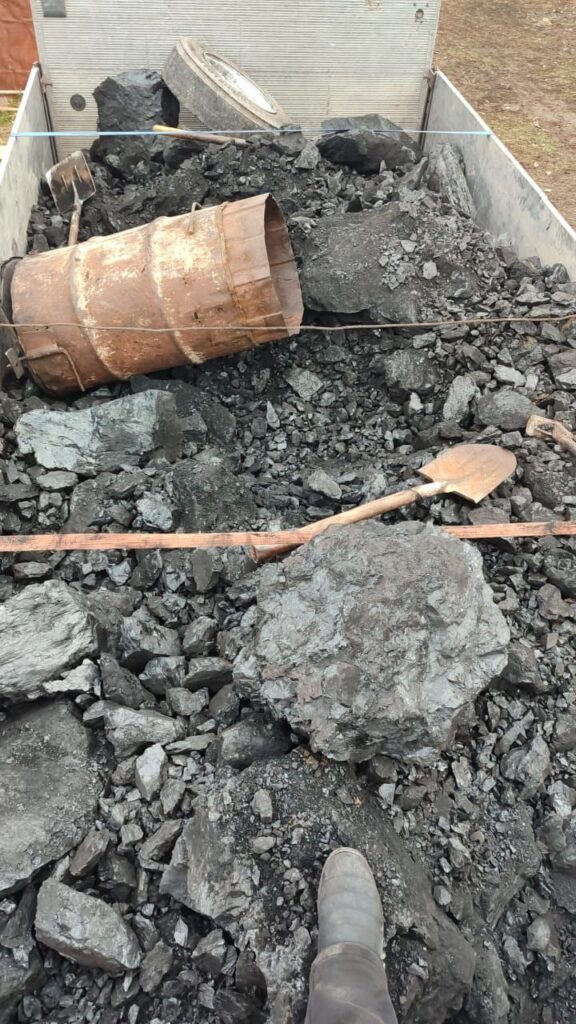
As temperatures drop, coal outlets across Kyrgyzstan are experiencing a rush of purchases by residents anxious to prepare for the cold weather. This surge in demand has caused coal prices to rise. To address the issue, the Antimonopoly Service has begun conducting regular inspections of retail outlets to identify sellers inflating prices.

“We visit trading outlets undercover and identify sellers who artificially increase prices. Citizens also report violations via our hotline. According to the law, individuals can be fined 3,000 KGS (around $35), and companies can face fines of up to 13,000 KGS (approximately $150),” explained Taalaibek Kenzheshev, a leading specialist in the Antimonopoly Regulation Service’s department, during an interview with The Times of Central Asia.

In response to rising prices, the government has opened state-run coal outlets to sell fuel directly to consumers without intermediaries, ensuring more affordable pricing.

“At private markets, sellers often cheat by selling coal in bags with insufficient weight. State-run outlets sell coal by weight, making it more reliable and cost-effective,” shared Sanzhar Orozbekov, a resident of Chui Oblast, with The Times of Central Asia.

The Antimonopoly Regulation Service has set maximum coal prices in each region, depending on logistics complexity and the distance from coal mines. The highest coal prices are in Karakol, located east of the Issyk-Kul region, while the cheapest coal is found in southern Kyrgyzstan. However, even in the south, prices are influenced by coal exports to Uzbekistan.

Imported Kazakh coal remains popular among Kyrgyz residents despite its higher cost. Known for burning more efficiently and producing greater heat, it is a preferred choice for some. However, the government intends to phase out the use of Kazakh coal at the Bishkek combined heat and Power Plant (CHPP), planning instead to rely entirely on domestic coal sources.

According to the Kyrgyz Ministry of Energy, the country will need 2.6 million tons of coal for the upcoming autumn-winter season, half of which is required by households. The Ministry has assessed preparations for winter as adequate and has assured citizens that there will be no power outages this year.

Kazakhstan Needs a Fourth Oil Refinery to Meet Its Growing Demand for Motor Fuel

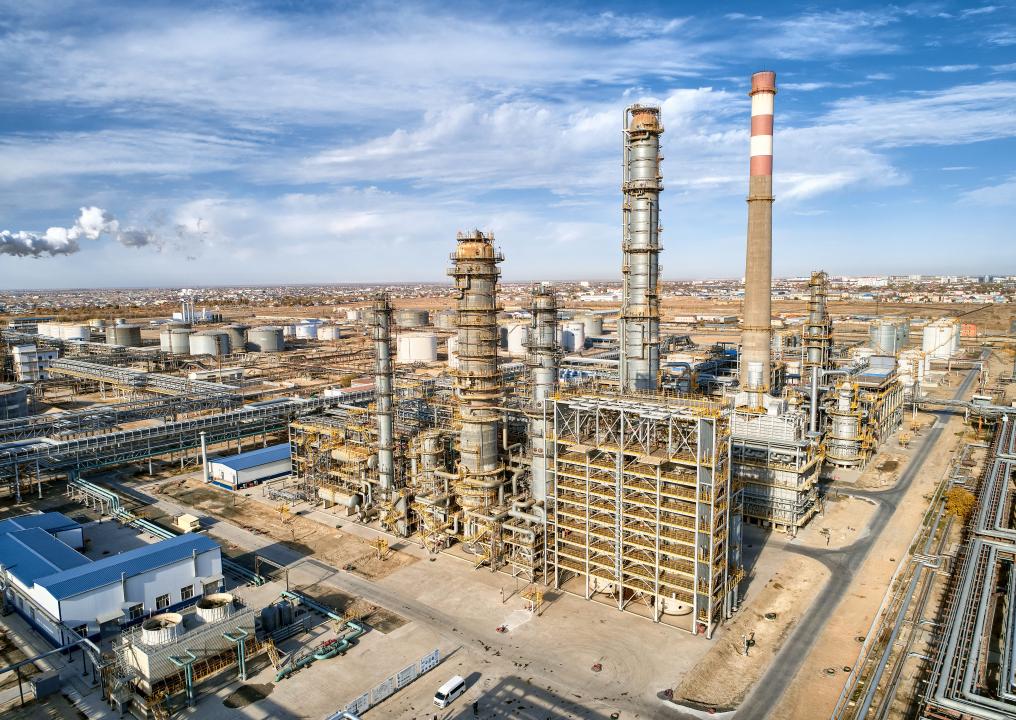
Speaking in parliament on November 25, Kazakhstan’s Energy Minister Almasadam Satkaliyev announced that the country anticipates a shortage of motor fuel by 2036. To address this, he emphasized the need to design a new oil refinery with a capacity of 10 million tons per year by 2030, with construction slated to begin in 2032.

According to Satkaliyev, the proposed refinery will ensure Kazakhstan’s fuel demands are met from 2040 to 2050 while also enabling exports to rapidly developing markets in Central, South, and Southwest Asia.

Currently, Kazakhstan operates three oil refineries – located in Shymkent, Pavlodar, and Atyrau – which are sufficient to meet domestic demand for gasoline and diesel fuel. However, during seasonal shortages, Kazakhstan imports additional fuel from Russia.

Satkaliyev provided details on the country’s fuel production and import figures for 2024. Kazakhstan plans to produce 10.9 million tons of fuel this year, including 5.1 million tons of gasoline, 0.6 million tons of aviation fuel, and 5.2 million tons of diesel. In addition, approximately 1 million tons of fuel will be imported from Russia, comprising 0.285 million tons of gasoline, 0.3 million tons of aviation fuel, and 0.45 million tons of diesel.

By 2032, Kazakhstan’s annual fuel production is expected to reach 19 million tons, including 8.2 million tons of gasoline, 1.5 million tons of aviation fuel, and 9.3 million tons of diesel. This increase will not only eliminate the need for imports but also enable the country to export surplus fuel.

Satkaliyev also addressed the domestic supply of liquefied petroleum gas (LPG), which is the most affordable and widely used automobile fuel in Kazakhstan. From January to October 2024, Kazakhstan produced 2.5 million tons of LPG, compared to 2.4 million tons in 2023. The Energy Ministry has set the planned production volume for 2024 at 2.9 million tons.

To stabilize the LPG market, the ministry has banned its exports since November 2023. The domestic market requires 164,000 tons of LPG monthly, while the ministry distributes 130,000-140,000 tons.

Looking ahead, the government aims to meet rising LPG consumption by introducing new production capacities, with plans to increase annual LPG production to 4.2 million tons by 2032.

Uzbek Nationals Arrested in UAE Over Murder of Israeli Rabbi Zvi Kagan

The Times of Central Asia has reported that three Uzbek nationals are suspected in the murder of Rabbi Zvi Kagan, an Israeli-Moldovan citizen and prominent figure in the Jewish religious movement Chabad.

The UAE Ministry of Interior announced the arrest of the suspects, identified as Olimpi Toirovich (28), Makhmudjon Abdurakhim (28), and Azizbek Kamlovich (33). A ministry-released photo showed the suspects blindfolded and shackled, underscoring the seriousness of the case.

Authorities have transferred the investigation to the prosecutor’s office but have yet to disclose the specific charges or motive behind the murder.

Rabbi Kagan, a UAE resident, was reported missing on November 21, prompting a swift search by local authorities. His body was discovered on November 24, leading to the identification and arrest of the suspects.

A respected member of the UAE’s Jewish community, Kagan assisted the country’s chief rabbi and managed a kosher supermarket, Rimon, in Dubai. His contributions were pivotal in supporting the Jewish community in the region.

The case has drawn significant attention due to Kagan’s prominent role and the mystery surrounding the crime. UAE officials have stated that the investigation is ongoing, with further details expected to emerge as it progresses.

France to Support Development of Kyrgyzstan’s Largest Ski Resort

Kylychbek Rysaliyev, President of Kyrgyzstan’s Tourism Development Support Fund, recently met with French Ambassador to Kyrgyzstan Nicolas Faye to discuss enhancing bilateral cooperation in tourism. During the talks, Ambassador Faye reaffirmed France’s commitment to supporting the development of a major skiing complex in the Issyk-Kul region.

Highlighting the importance of the Three Peaks Ski Complex project, Ambassador Faye described it as a priority for the French Embassy, promising France’s expertise in its design and execution.

“The lack of direct flights between Kyrgyzstan and France currently hinders a broader influx of tourists,” noted Ambassador Faye, emphasizing that improving air connectivity could significantly boost tourism potential.

Rysaliyev underscored the value of French expertise, pointing to France’s robust tourism industry, which is a key driver of its national economy. He expressed confidence that collaboration on the Issyk-Kul ski complex would facilitate valuable knowledge exchange and elevate Kyrgyzstan’s position as a global tourist destination.

The Three Peaks Ski Complex, a flagship initiative announced by Kyrgyz President Sadyr Japarov, is already in its preparatory phase. Infrastructure improvements, including road construction, power supply, and water systems, are underway. The state-owned company Kyrgyz Courchevel has been tasked with overseeing the project’s development.

The first phase of the resort, set to open by 2030, will include 60 kilometers of ski tracks out of an anticipated 200 kilometers, six ropeways, and a range of facilities such as hotels, restaurants, ethno-towns, and conference halls. The project is expected to position the Issyk-Kul region as a premier skiing destination, fostering economic growth and attracting international visitors.

London Hosts Celebration for the 300th Anniversary of Turkmen Poet Makhtumkuli Fraghi

Makhtumkuli Fraghi, a revered Turkmen poet and philosopher, whose writings have profoundly shaped Turkmenistan’s national identity and enriched global cultural heritage, was celebrated in London on November 22, 2024. Known for his deep reflections on life, justice, and humanism, Makhtumkuli’s works have become an integral part of the world’s cultural heritage, emphasizing universal values and profound human insight.

The Embassy of Turkmenistan in London hosted a gala evening to mark the 300th anniversary of the poet’s birth. Organized in collaboration with the Makhtumkuli Institute of Language, Literature, and National Manuscripts of the Academy of Sciences of Turkmenistan, the event welcomed diplomats, scholars, students, and members of the Turkmen diaspora.

Turkmenistan’s Ambassador to the UK, Yazmurad Seriaev, along with scientists Nuraev and Changliyev, delivered speeches celebrating the poet’s profound contributions to world culture and his enduring significance for the Turkmen people. Attendees were treated to a documentary on Makhtumkuli Fraghi’s life and work as well as an exhibition of his writings translated into English. Special attention was given to the early phase of his literary journey, its influence on public thought, and its role in the evolution of literature.

The London celebration was part of a series of global events commemorating Makhtumkuli’s tricentennial. These tributes not only honor his literary legacy but also serve to strengthen cultural ties between nations, reaffirming the timeless relevance of Makhtumkuli Fraghi’s work in global literature.

Turkmen Human Rights Activist Soltan Achilova Released After Forced Hospitalization

Renowned Turkmen journalist Soltan Achilova, along with her daughter and son-in-law, has been discharged from the infectious disease department of Choganly Hospital after six days of forced isolation. According to the Turkmenistan Chronicle portal, none of the three showed symptoms or signs of any infectious disease.

Prior to their release, Achilova’s apartment was disinfected, but authorities provided no explanation for their hospitalization or the results of medical tests conducted during their detention.

The Times of Central Asia previously reported that Achilova and her relatives were hospitalized after a group of men in medical coats forcibly removed them from their home on November 20. This happened on a day when the journalist was scheduled to travel to Geneva to attend a Martin Ennals Foundation award ceremony, where her work was to be recognized. The timing has led to widespread speculation that the hospitalization was a calculated effort to prevent her attendance.

While in isolation, doctors conducted blood tests and nasal swabs but failed to announce any diagnosis. Despite this, medical staff prescribed treatment, which Achilova refused, citing the absence of an explanation for her condition.

The journalist’s release was reportedly facilitated by diplomatic interventions from several countries and pressure from international human rights organizations. Although now safely home, the incident highlights the increasingly hostile environment for human rights defenders and independent journalists in Turkmenistan, a country notorious for its oppressive restrictions on free speech and movement.