• KGS/USD = 0.01144 0%
  • KZT/USD = 0.00194 -0%
  • TJS/USD = 0.10844 0%
  • UZS/USD = 0.00008 0%
  • TMT/USD = 0.28490 0%
  • KGS/USD = 0.01144 0%
  • KZT/USD = 0.00194 -0%
  • TJS/USD = 0.10844 0%
  • UZS/USD = 0.00008 0%
  • TMT/USD = 0.28490 0%
  • KGS/USD = 0.01144 0%
  • KZT/USD = 0.00194 -0%
  • TJS/USD = 0.10844 0%
  • UZS/USD = 0.00008 0%
  • TMT/USD = 0.28490 0%
  • KGS/USD = 0.01144 0%
  • KZT/USD = 0.00194 -0%
  • TJS/USD = 0.10844 0%
  • UZS/USD = 0.00008 0%
  • TMT/USD = 0.28490 0%
  • KGS/USD = 0.01144 0%
  • KZT/USD = 0.00194 -0%
  • TJS/USD = 0.10844 0%
  • UZS/USD = 0.00008 0%
  • TMT/USD = 0.28490 0%
  • KGS/USD = 0.01144 0%
  • KZT/USD = 0.00194 -0%
  • TJS/USD = 0.10844 0%
  • UZS/USD = 0.00008 0%
  • TMT/USD = 0.28490 0%
  • KGS/USD = 0.01144 0%
  • KZT/USD = 0.00194 -0%
  • TJS/USD = 0.10844 0%
  • UZS/USD = 0.00008 0%
  • TMT/USD = 0.28490 0%
  • KGS/USD = 0.01144 0%
  • KZT/USD = 0.00194 -0%
  • TJS/USD = 0.10844 0%
  • UZS/USD = 0.00008 0%
  • TMT/USD = 0.28490 0%
09 December 2025

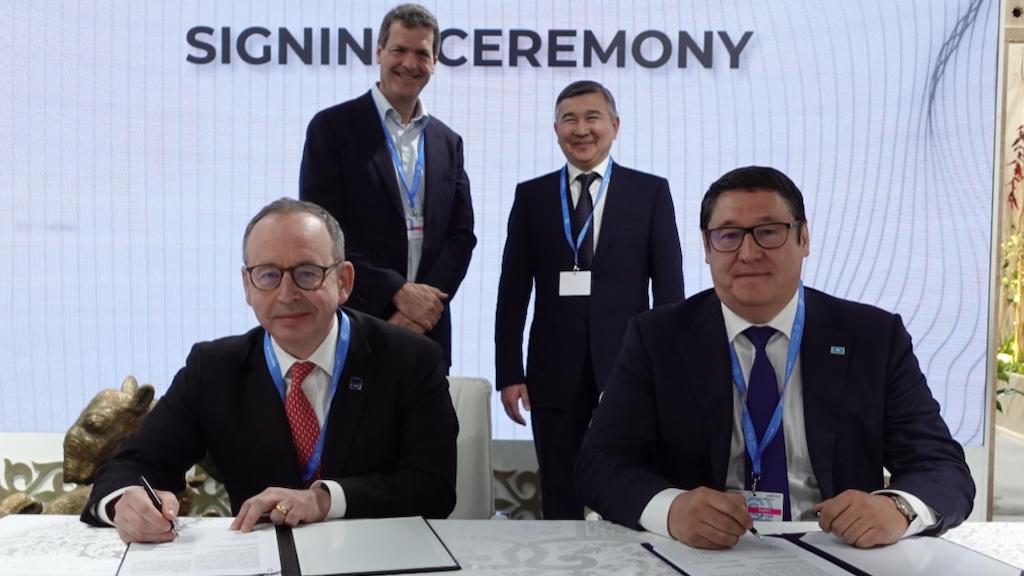
ADB to Help Kazakhstan Move Away from Coal Power Generation

Kazakhstan’s Ministry of Energy and the Asian Development Bank (ADB) have signed a memorandum of understanding, moving closer to the possible early retirement of a coal plant in Kazakhstan under the bank’s Energy Transition Mechanism (ETM) program.

Under the memorandum, the ministry and ADB will work toward a pilot transaction that will demonstrate a pathway to significantly reduce Kazakhstan’s greenhouse gas emissions by decommissioning pilot coal plants for renewables or other low-c or repurposing carbon energy technologies. A feasibility study will determine which of the country’s coal-fired power generation, combined heat and power plants and heat-only boilers could be the most viable for early retirement.

ADB and Kazakhstan have also agreed to analyze the potential impact of early decommissioning or repurposing of a plant on the country’s power and heat supply, develop the country’s renewable energy generation capacity, and promote regional energy trade.

ADB Director General for Central and West Asia Yevgeniy Zhukov commented: “Keeping 1.5 degrees alive means moving away from fossil fuels and toward clean energy as quickly as possible—and ADB’s ETM program aims to do that in a way that considers each country’s energy and socioeconomic development needs. As Asia and the Pacific’s climate bank, we are committed to helping Kazakhstan inclusively decarbonize its economy, and we aim to demonstrate how the clean energy transition can be accelerated in Central Asia.”

Minister of Energy of Kazakhstan Almassadam Satkaliyev added, “Kazakhstan will need to develop a new approach in the power, heating, and water sectors as a single technological system, and we rely on ADB’s support and experience. I hope this program will demonstrate new systems’ technological shift and reliability through ETM, which can then be replicated in other plants and regions.”

Kazakhstan is a major consumer of coal, with 25 billion tons of coal reserves estimated to be the eighth largest worldwide. About 70% of the country’s electricity is produced from coal, while energy-related activity, including heat and electricity production, accounts for more than 80% of the country’s total greenhouse gas emissions.

Kazakhstan’s long-term strategy for achieving carbon neutrality by 2060 involves reducing its use of fossil fuels and increasing its renewable power generation capacity.
COP29: Tajikistan Goes for Green as Pollution, Climate Change Take Toll

Tajikistan’s longtime president has said his country plans to switch entirely to renewable sources of energy by 2032, though a recent World Bank report warns that climate change is already threatening Tajikistan’s energy and water security, which are key to development. 

At the United Nations climate conference in Azerbaijan, President Emomali Rahmon said on Tuesday that Tajikistan’s goal was to become a “green” country by 2037, a reference to low carbon and resource efficiency goals. 

“Today, 98% of our electricity is produced by hydropower, and Tajikistan’s share in the amount of greenhouse gas emissions is small” compared to many other countries, said Rahmon, who has been in power since 1994. “However, achieving the above goals requires a lot of effort and money from us.”

He told delegates at the COP29 meeting in Baku that Tajikistan is cooperating with development partners, “especially global financial institutions.”

In a report released last week, the World Bank cautioned that Tajikistan’s growth model has “reached its limits” despite robust economic development and poverty reduction in the last two decades. It said domestic institutions are weak, the private sector is underdeveloped and Tajikistan’s economic aspirations will be on hold unless it implements structural reforms. 

“Degraded agricultural land, along with risks of increasing water scarcity, raises major risks to the productivity of crop and livestock sectors, critical to the livelihoods of the majority of Tajiks. Air pollution is rife, with Dushanbe’s measure of particulate matter far exceeding regional averages and other cities affected,” it said. 

The World Bank acknowledged Tajikistan’s plan to improve infrastructure for hydropower development, clean energy, and water storage to address the challenges of climate change. But it said the effects of global warming, including glacier melting and extended droughts, could undermine development goals and drive an increase in poverty. 

Tajikistan’s big hope is that the Rogun hydropower plant, which has been under construction since 2007 and is partly operating, can play a transformative role in electricity generation in Tajikistan but also as a clean energy exporter to other countries in Central Asia. The project has faced delays, cost overruns and criticism from environmental and rights groups. 

The World Bank, one of the international backers of the project, said the success of the Rogun plant, which will have a total generation capacity of 3,780 megawatts, will depend on “enhanced governance and transparency, dedicated supervision support, and a sustainable macroeconomic framework.”

Former Top Prosecutor in Kyrgyzstan is Detained

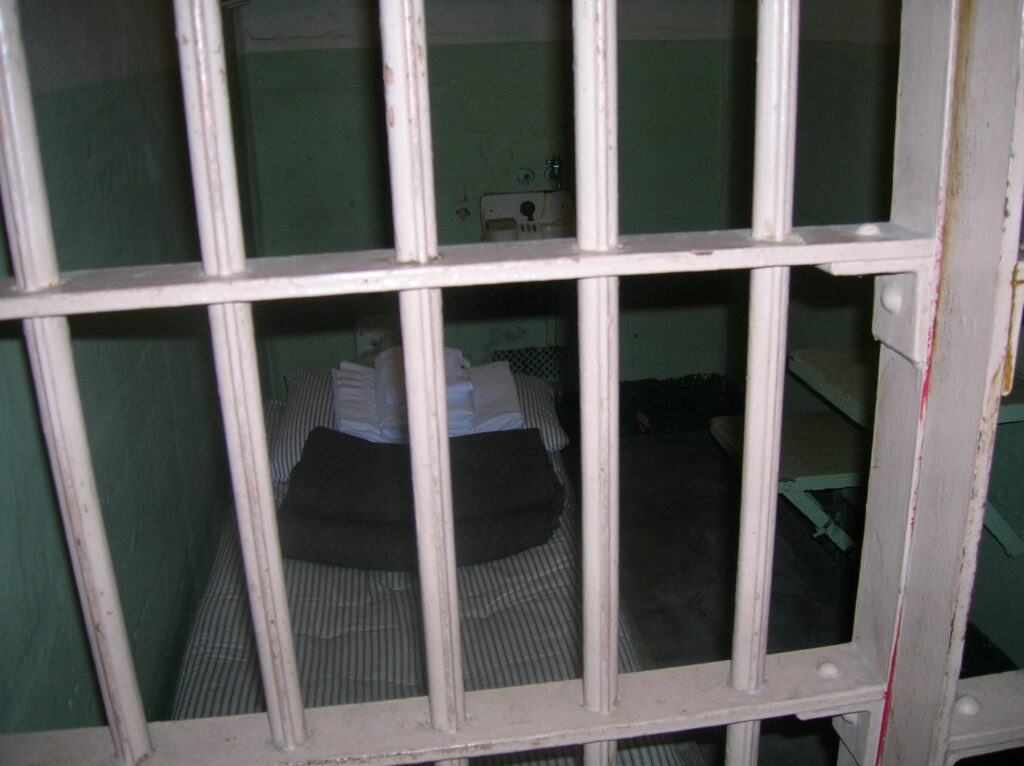
Kyrgyzstan´s former deputy prosecutor general has been arrested and will be held in pretrial detention until Jan. 10, media reported on Tuesday.

Kuban Adyl uulu, who was dismissed from his job in April, faces charges including alleged involvement in organized crime and efforts to incite unrest and seize power by violent means, Kaktus.media reported without elaborating.

Similar charges have been brought in other cases in Kyrgyzstan, including against media workers, in what critics describe as a heavyhanded way to maintain control and stamp out dissent. The government often warns citizens against spreading disinformation that could destabilize society.

Kaktus.media attributed information about Adyl uulu´s arrest to unidentified sources in law enforcement and a district court in Bishkek. Other media outlets in Kyrgyzstan issued similar reports. Vesti.kg reported that several other people were also detained.

Adyl uulu was fired as part of a reshuffle of the leadership, including anti-corruption officers, in the prosecutor general’s office that was ordered by President Sadyr Japarov. In the days prior to the dismissal, the president had reprimanded the prosecutor general and the natural resources minister over the alleged interference of subordinates in the activities of the ministry’s licensing commission.

Japarov has said that fighting corruption is a priority, though watchdog groups say graft remains entrenched in Kyrgyzstan.

Kazakhstan Secures Agreement for 11 Billion Cubic Meters of Water from Neighboring Countries by April 2025

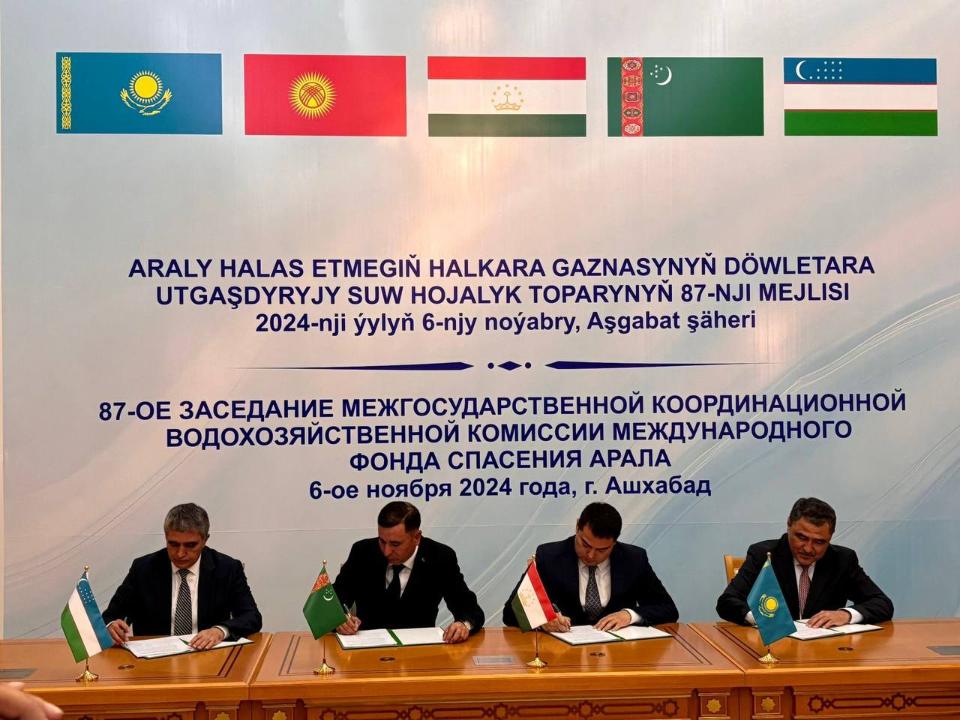
Kazakhstan will receive approximately 11 billion cubic meters of irrigation water from the Syr Darya River by April 2025, following an agreement made by Nurzhan Nurzhigitov, Kazakhstan’s Minister of Water Resources and Irrigation, with representatives from neighboring Central Asian countries. The accord was reached at the 87th meeting of the Interstate Coordination Water Management Commission held last week in Ashgabat, Turkmenistan, and attended by water ministry leaders from Tajikistan, Turkmenistan, and Uzbekistan, with Kyrgyzstan as an observer.

This substantial water supply is expected to fill the Shardara reservoir in southern Kazakhstan by April 1, 2025, providing enough water for the region’s 2025 irrigation season. Given Kazakhstan’s reliance on irrigation for agriculture, particularly in the arid south, the flow from upstream countries like Tajikistan, Kyrgyzstan, and Uzbekistan is vital.

Nurzhigitov noted, “This year, thanks to negotiations and joint actions, we ensured the effective water distribution in the Syrdarya River basin. Agreements on water and energy cooperation with Kyrgyzstan were implemented, and measures were taken to coordinate the operating mode of the Bakhri-Tojik reservoir [in Tajikistan] during this year’s irrigation season.”

Turkmenistan Pays Tribute to the Founder of Modern Turkey in Ashgabat Ceremony

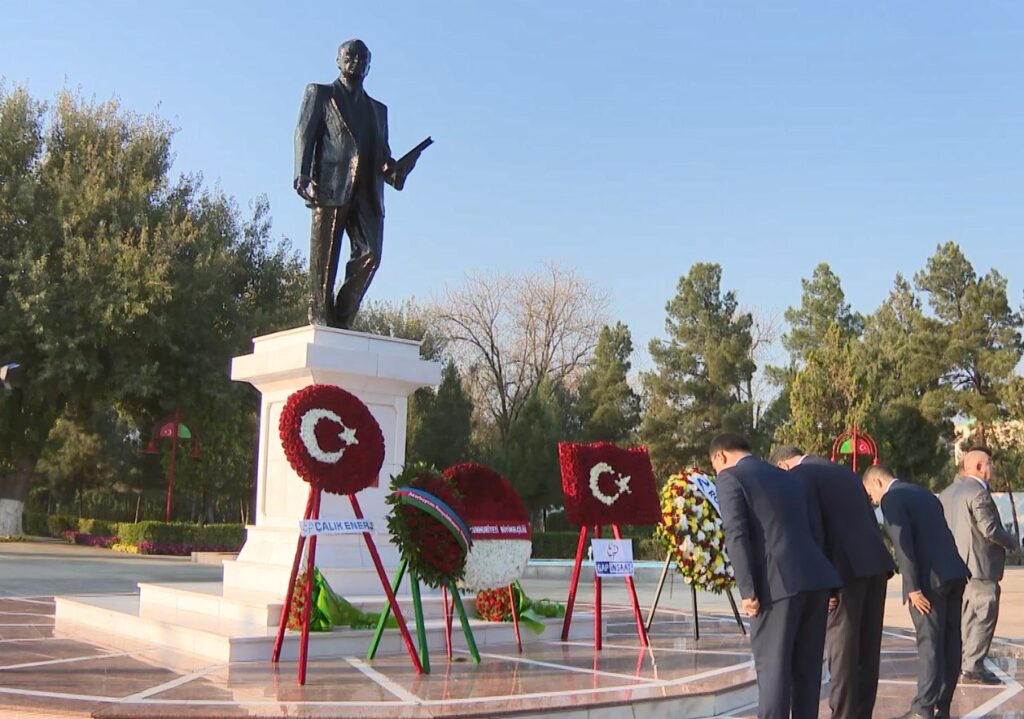
On November 10, Ashgabatex, Turkmenistan’s capital, hosted a memorial event to honor Mustafa Kemal Atatürk, the founder and first president of the Republic of Turkey. Held at the park named in his memory, the ceremony was attended by Turkish Ambassador to Ashgabat, Togan Oral; Deputy Head of the Ashgabat Municipality, Bayrammurat Gurbanov; teachers and students from the Turkmen-Turkish School; Turkish citizens residing in Turkmenistan; and members of the media.

The Turkish diplomatic mission organized the event, beginning with a moment of silence and followed by the playing of the national anthems of Turkmenistan and Turkey. A wreath-laying ceremony at the Atatürk Monument provided an opportunity for diplomats and distinguished guests to pay tribute to Atatürk’s profound impact on modernizing Turkey.

Mustafa Kemal Atatürk’s leadership led to the establishment of the Republic of Turkey in 1923. His sweeping reforms transformed key sectors of Turkish society, including education and the economy. November 10 marks the anniversary of his passing in 1938.

Chechen Leader Kadyrov Denies Involvement in Attack on Allamjonov

On October 26 Uzbek media reported an attack on the former head of President Shavkat Mirziyoyev’s information department, Komil Allamjonov. At around 1:40a.m., near his home in Tashkent’s Kibray district, two unidentified individuals fired several shots at the car he was in before fleeing. Fortunately, no one was injured.

The weapon type remains unknown. Authorities have opened an attempted murder case and are searching for the suspects. However, the General Prosecutor’s Office has not confirmed whether Allamjonov was specifically targeted in the incident.

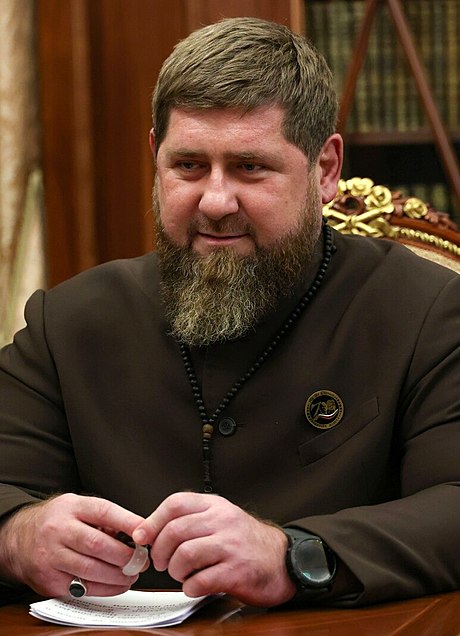
Some opposition media have suggested a “Chechen connection” implicating Chechen leader Ramzan Kadyrov in the attack on Allamjonov. In response, Kadyrov denied involvement, stating that the media attributed the incident to him.

“I don’t want to respond to this provocative leak. Moreover, work in all spheres, including information and law enforcement, is excellently organized in Uzbekistan thanks to the wise policy of the respected President Shavkat Miromonovich Mirziyoyev. I will only add that if I had really planned something, I would have completed it and with a 100% result,” he stated.

Kadyrov emphasized the close ties between Chechens and Uzbeks, describing them as “brotherly peoples with a common historical past.”
He added: “I regard this information leak as a tool of political play by some third parties and a clear attempt to sow discord between our countries. I am sure that other publications in the style of Western fakes will follow. Be that as it may, my dear brothers in Uzbekistan and I will definitely find out who is behind this provocative information leak.”

The General Prosecutor’s Office stated that the investigation is ongoing, and promised further updates.