• KGS/USD = 0.01144 0%
  • KZT/USD = 0.00194 -0%
  • TJS/USD = 0.10844 -0.46%
  • UZS/USD = 0.00008 0%
  • TMT/USD = 0.28571 0.28%
  • KGS/USD = 0.01144 0%
  • KZT/USD = 0.00194 -0%
  • TJS/USD = 0.10844 -0.46%
  • UZS/USD = 0.00008 0%
  • TMT/USD = 0.28571 0.28%
  • KGS/USD = 0.01144 0%
  • KZT/USD = 0.00194 -0%
  • TJS/USD = 0.10844 -0.46%
  • UZS/USD = 0.00008 0%
  • TMT/USD = 0.28571 0.28%
  • KGS/USD = 0.01144 0%
  • KZT/USD = 0.00194 -0%
  • TJS/USD = 0.10844 -0.46%
  • UZS/USD = 0.00008 0%
  • TMT/USD = 0.28571 0.28%
  • KGS/USD = 0.01144 0%
  • KZT/USD = 0.00194 -0%
  • TJS/USD = 0.10844 -0.46%
  • UZS/USD = 0.00008 0%
  • TMT/USD = 0.28571 0.28%
  • KGS/USD = 0.01144 0%
  • KZT/USD = 0.00194 -0%
  • TJS/USD = 0.10844 -0.46%
  • UZS/USD = 0.00008 0%
  • TMT/USD = 0.28571 0.28%
  • KGS/USD = 0.01144 0%
  • KZT/USD = 0.00194 -0%
  • TJS/USD = 0.10844 -0.46%
  • UZS/USD = 0.00008 0%
  • TMT/USD = 0.28571 0.28%
  • KGS/USD = 0.01144 0%
  • KZT/USD = 0.00194 -0%
  • TJS/USD = 0.10844 -0.46%
  • UZS/USD = 0.00008 0%
  • TMT/USD = 0.28571 0.28%
09 December 2025

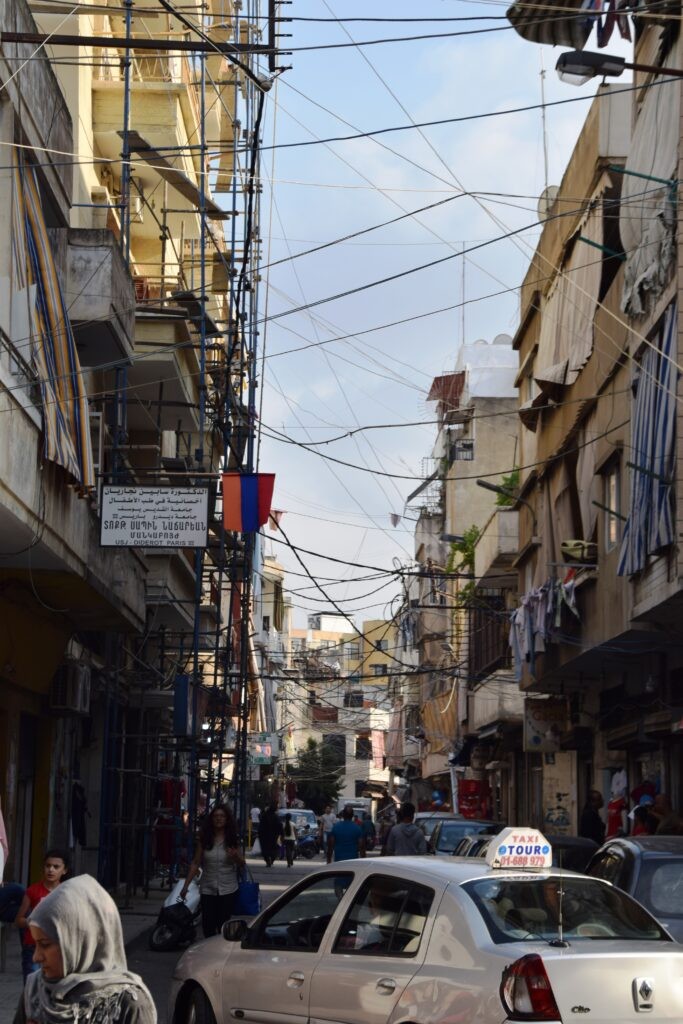
As Conflict Rages, Kazakhstan Evacuates Citizens from Lebanon

Kazakhstan has evacuated several dozen Kazakh citizens and their family members from Lebanon, the Ministry of Foreign Affairs said on Monday. It cited “escalating tensions in the Middle East,” a reference to fighting between Israel and its Iran-backed enemies, including Hezbollah in Lebanon.

“This operation was organized through Istanbul and Dubai, resulting in the safe return of 41 people to Astana and Almaty from Beirut between October 17-31, 2024,” the ministry said in a statement.

“The evacuation was conducted to protect the rights and interests of citizens of the Republic of Kazakhstan who were in the conflict zone,” it said.

Other countries have also organized evacuations of their citizens from Lebanon. Türkiye assisted in the air evacuations of more than 2,000 people from 21 countries, including Uzbekistan, Türkiye’s state Anadolu Agency reported last month.

Israeli air strikes have pounded parts of Lebanon and Israeli forces launched a ground incursion into southern Lebanon last month, a year after Hezbollah started firing rockets and other projectiles into Israel in support of Iran-backed Hamas in Gaza. The Hezbollah action was a show of solidarity with Hamas in the war that broke out after its Oct. 7, 2023 attack on Israel.

Iran, meanwhile, has directly threatened Israel with retaliation for Israeli air strikes on Iranian targets last month, the latest in a series of tit-for-tat attacks between the two adversaries. The United States said it was sending more military aircraft to the region to deter Iran.


Russia’s Zakharova: Gas Deliveries to Uzbekistan Surpass Five Billion Cubic Meters

According to Russian Foreign Ministry spokesperson Maria Zakharova, Russian gas supplies to Uzbekistan, which started in October 2023, have now surpassed five billion cubic meters. She noted that in 2023, Russia, Kazakhstan, and Uzbekistan initiated a two-year agreement to deliver Russian gas through Kazakhstan via a contract between Gazprom and UzGasTrade.

“As of today, the volume of gas supplies has exceeded five billion cubic meters. Russian companies Gazprom and LUKOIL are advancing multiple projects to develop gas fields within Uzbekistan. The parties are set on gradually expanding their cooperation in the gas sector. There are, in fact, no bilateral issues that might slow down this energy partnership,” Zakharova shared at a recent briefing.

She added that “all matters are being addressed constructively, with energy discussions being a regular part of high-level and interdepartmental negotiations.” This year, key meetings featured talks on energy cooperation, including Russian President Vladimir Putin’s state visit from May 26-28 and Prime Minister Mikhail Mishustin’s visit on September 9-10.

“Energy collaboration is a core component of our bilateral relationship, with our foreign policy departments maintaining close contact and offering the needed political and diplomatic support to keep this cooperation moving forward,” Zakharova highlighted.

Kazakhstan and China Begin Negotiations on Joint Use of Transboundary Rivers

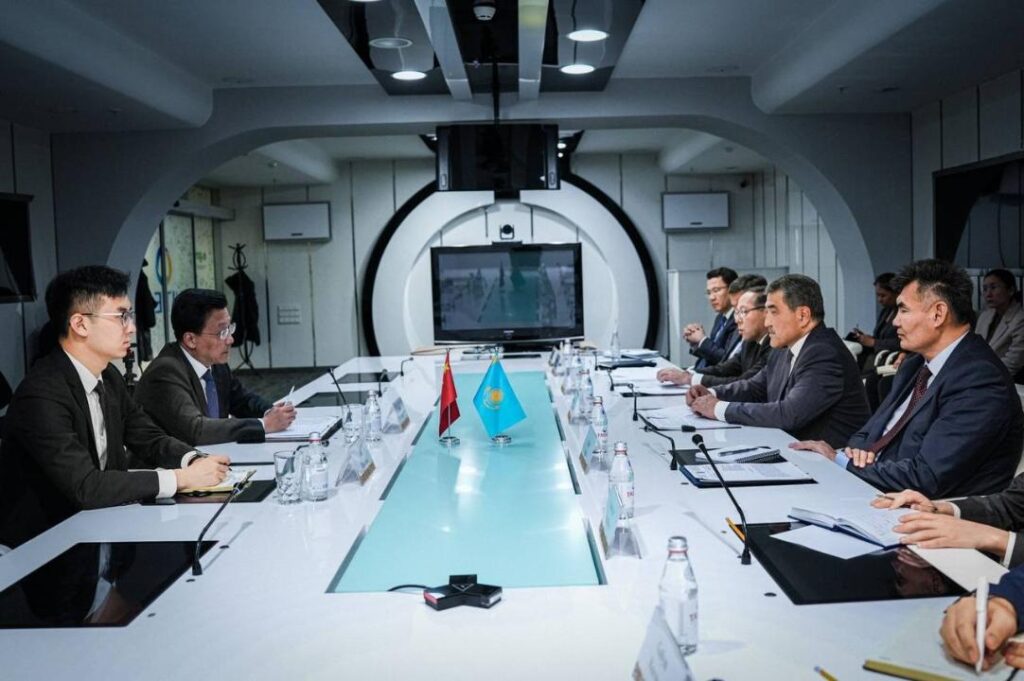
On November 1, Kazakhstan’s Minister of Water Resources and Irrigation Nurzhan Nurzhigitov met with Zhang Xiao, the Chinese Ambassador to Kazakhstan, to discuss bilateral water cooperation and the joint use and distribution of water from transboundary rivers.

Three large rivers in Kazakhstan — the Ertis, the Ile, and the Emel — originate in China.

The two countries established a special working group of experts to negotiate the provision of water to the Ile-Balkhash basin and develop fisheries and tourism in the region.

The Ministry of Water Resources and Irrigation of Kazakhstan intends to sign a memorandum of cooperation with the Ministry of Water Resources of China shortly.

The Kazakh minister and Chinese ambassador discussed joint modernization and automation of Kazakhstan’s water infrastructure, production and use of water-saving technologies, and advanced training of Kazakhstani water specialists in China.

Late in August, The Times of Central Asia reported that the Kapchagay reservoir outside Almaty was full for the first time in ten years.

The reservoir collects water from the Ile (or Ili) River, which originates in China and is meant to regulate the river’s flow on its way to Kazakhstan’s largest lake, Balkhash.

EBRD and EU Support Solar Power Project in Uzbekistan

The European Bank for Reconstruction and Development (EBRD) is providing funds to construct a solar power plant in Uzbekistan’s Khorezm region.

The EBRD’s financial package of up to $54.6 million (€50.5 million) will be provided to Sarimay Solar, a special-purpose company fully owned by Voltalia, an international energy producer and service provider based in France. The package will consist of a senior loan of up to $44.8 million (€41.5 million) and a special facility of €9 million, which will support Sarimay Solar during construction.

The project will benefit from an unfunded guarantee covering a senior loan tranche of $7 million (€6.5 million) provided by the European Union’s European Fund for Sustainable Development Plus.

The financing will help Sarimay Solar construct and operate a 100 MWac (126MWdc) greenfield solar photovoltaic plant, contributing to Uzbekistan’s aim of further decreasing its reliance on carbon-intensive thermal power generation and developing up to 25 GW of solar and wind capacity by 2030.

Once operational, the plant is expected to generate up to 252 GWh of electricity yearly and reduce annual CO2 emissions by more than 141,000 tons.

For the fourth year in a row, Uzbekistan has been the leading recipient of EBRD funding in Central Asia. The Bank has invested around €4.9 billion in 167 projects across the country, most of which support private entrepreneurship.

First-Ever Tungsten Production Launched in Kazakhstan

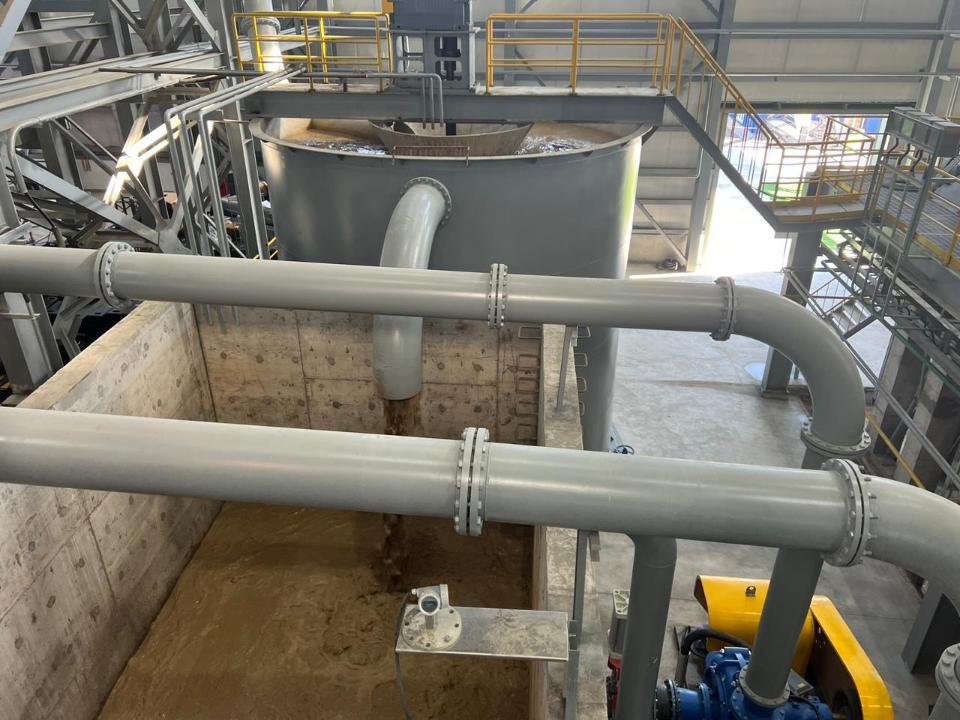
On November 1, Kazakhstan’s first tungsten processing plant was opened in the Almaty region. According to the Kazakh Ministry of Industry and Construction, this will strengthen the country’s position in the global rare earth metals market.

The $300 million project will create up to 1,000 local jobs and, when fully operational, will process 3.3 million tons of ore annually, producing 65% tungsten concentrate.

Jiaxin International Resources Investment Ltd. is implementing the project, which was joined by Jiangxi Copper Corporation, China Railway Construction Company, China Civil Engineering Construction Company, and Ever Trillion International Singapore PTE LTD.

Further plans include constructing a $150 million deep processing facility to increase tungsten content to 88.5% and produce high-purity tungsten carbide.

Tungsten has the highest melting point of all metals and is alloyed with other metals to strengthen them. Tungsten and its alloys are used in many high-temperature applications, such as arc-welding electrodes and heating elements in high-temperature furnaces. Tungsten carbide is tough and important to the metal-working, mining, and petroleum industries.

Speaking at the 36th meeting of the Foreign Investors’ Council in Astana on October 31, Kazakhstan President Kassym-Jomart Tokayev emphasized that Kazakhstan has a unique mineral resource base and has attracted more than $1 billion of private investment in geological exploration over the past six years.

WTO Momentum: Uzbekistan Wraps up Talks with U.S.

Uzbekistan has taken another big stride in its march toward membership in the World Trade Organization, a goal that it hopes to finalize ahead of the WTO ministerial meeting in the spring of 2026.

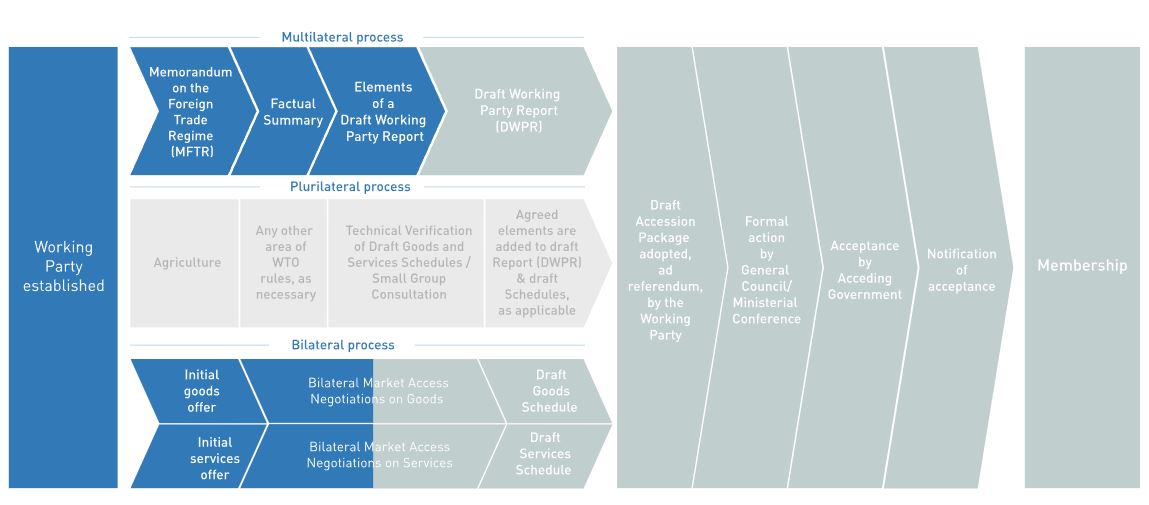
A bilateral agreement with the United States has been reached after 14 months of negotiations, according to Azizbek Urunov, Uzbekistan’s chief negotiator on WTO accession. Uzbekistan has now completed talks with 21 countries as it seeks to implement reforms and integrate more closely with the global economy, demonstrating considerable momentum toward WTO accession since no deals had been negotiated at the beginning of 2023.

“It has been an adventurous journey, tough but substantive negotiations,” Urunov said after the talks with American counterparts last week. Uzbekistan started the WTO accession process in 1994, several years after independence from the Soviet Union, and then dropped the effort a decade later. It resumed the campaign a few years ago.

Johanna Hill, deputy director-general of the WTO, said last month that Uzbekistan’s goal was to “reduce the number of outstanding bilateral negotiations to under 10 WTO Members by next year.”

Uzbekistan’s accession process; image: WTO


Uzbekistan is pursuing reforms in the role of state trading enterprises, exports restrictions and subsidies, technical barriers to trade and other areas, according to Hill.

“Uzbekistan has been one of the most active acceding governments of late. It has pushed ahead with economic reform, in the strategic region of Central Asia, with WTO accession very high on the government’s agenda,” she said. Hill cited a WTO report this year that says economies reforming their markets during WTO accession grew on average 1.5% more than economies that did not reform.

The WTO report maintains that trade and more global cooperation are critical to fostering equality and inclusivity, while acknowledging rising geopolitical tensions, measures to restrict trade, greater urgency surrounding the push for sustainability and other challenges.

Some analysts point to the WTO’s ministerial conference in Abu Dhabi, United Arab Emirates earlier this year as a showcase for the troubles that the organization is facing.

“On the critical agenda items – agricultural trade, fisheries subsidies, and reform of the WTO’s dispute-settlement mechanism – ministers simply kicked the can down the road, undertaking to continue work and once more extend deadlines that few expect to be met,” wrote Evan Rogerson, an analyst at the S. Rajaratnam School of International Studies in Singapore. His commentary on the meeting was among several presented by the Council of Councils, an international group of policy institutes.