• KGS/USD = 0.01144 0%
  • KZT/USD = 0.00194 -0%
  • TJS/USD = 0.10844 -0.46%
  • UZS/USD = 0.00008 0%
  • TMT/USD = 0.28571 0.28%
  • KGS/USD = 0.01144 0%
  • KZT/USD = 0.00194 -0%
  • TJS/USD = 0.10844 -0.46%
  • UZS/USD = 0.00008 0%
  • TMT/USD = 0.28571 0.28%
  • KGS/USD = 0.01144 0%
  • KZT/USD = 0.00194 -0%
  • TJS/USD = 0.10844 -0.46%
  • UZS/USD = 0.00008 0%
  • TMT/USD = 0.28571 0.28%
  • KGS/USD = 0.01144 0%
  • KZT/USD = 0.00194 -0%
  • TJS/USD = 0.10844 -0.46%
  • UZS/USD = 0.00008 0%
  • TMT/USD = 0.28571 0.28%
  • KGS/USD = 0.01144 0%
  • KZT/USD = 0.00194 -0%
  • TJS/USD = 0.10844 -0.46%
  • UZS/USD = 0.00008 0%
  • TMT/USD = 0.28571 0.28%
  • KGS/USD = 0.01144 0%
  • KZT/USD = 0.00194 -0%
  • TJS/USD = 0.10844 -0.46%
  • UZS/USD = 0.00008 0%
  • TMT/USD = 0.28571 0.28%
  • KGS/USD = 0.01144 0%
  • KZT/USD = 0.00194 -0%
  • TJS/USD = 0.10844 -0.46%
  • UZS/USD = 0.00008 0%
  • TMT/USD = 0.28571 0.28%
  • KGS/USD = 0.01144 0%
  • KZT/USD = 0.00194 -0%
  • TJS/USD = 0.10844 -0.46%
  • UZS/USD = 0.00008 0%
  • TMT/USD = 0.28571 0.28%
09 December 2025

World Bank Helps Uzbekistan With Digital Inclusion Project

The World Bank has given Uzbekistan a soft loan of $50 million to grow its digital economy.

The loan will help employ about 9,000 young people — including 4,500 women and 360 persons with disabilities — in IT-related services. The funds will also be used to create 11 IT service centers, and train 6,200 people in digital skills, communication and foreign languages. The program, which will run until 2029, foresees the creation of a legislative framework in the IT sphere.

The IT sector’s contribution to Uzbekistan’s GDP remains insignificant — it was just 1.9% in 2022.
Uzbek Refineries Abandoning Kazakh Oil in Favor of Cheaper Russian Crude

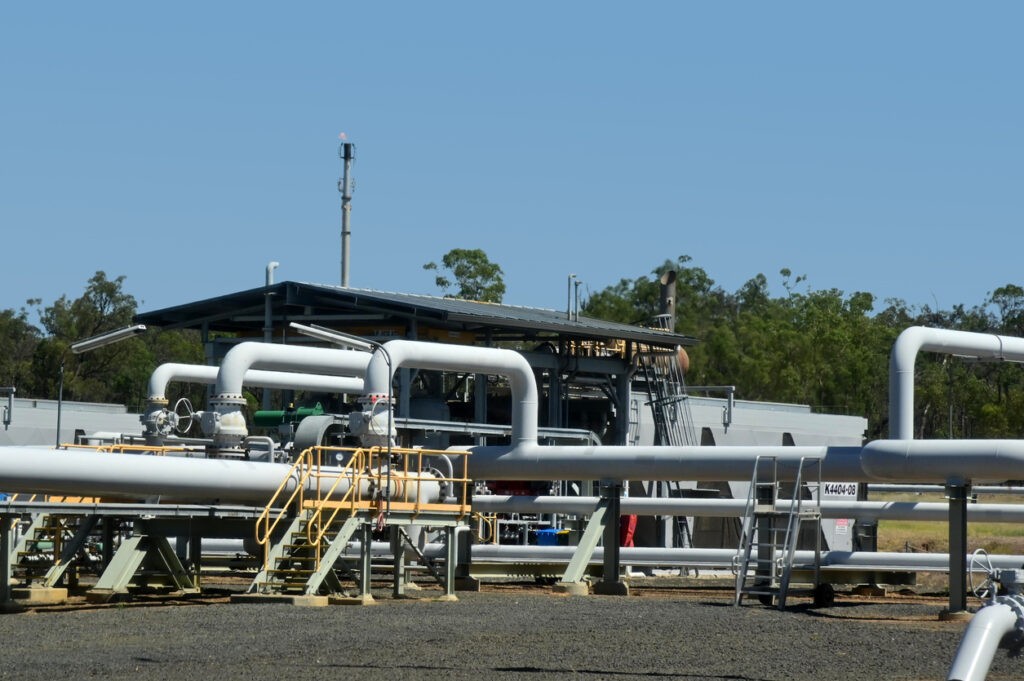
Uzbekistan is reducing oil imports from Kazakhstan in favor of cheaper Russian oil, according to a report by the specialized, energy-focused Telegram channel, Oil & Gas of Kazakhstan. According to this source, in the first quarter of 2024, companies in Uzbekistan imported 15,200 tons of crude oil from Kazakhstan by rail for processing. In January-March of 2023, imports amounted to 25,600 tons. The main volume of raw materials this year went to the Ferghana refinery.

At the same time, Russia’s Gazprom-Neft shipped 75,000 tons of oil through the pipeline in transit through Kazakhstan in the first quarter of 2024. This is almost seven times more than a year earlier, when this figure was just 10,700 tons.

By the end of 2024, Russia plans a full-year supply volume to Uzbekistan of up to 550,000 tons of oil, against a total of 154,300 tons a year earlier, which will be supplied through Kazakh state oil-pipeline operator, KazTransOil’s trunk pipelines. The reason for the growth of supplies is a more attractive price, which is in part pushed down by both the G7’s price cap of $60 per barrel on Russian oil exports, and India’s disinclination to pay for Russian oil in rubles – which is driving down Russian exports. If oil from Kazakhstan is supplied to Uzbekistan at a discount of $8-9 per barrel relative to the North Sea Dated Brent oil contract, then the size of the discount on Russian crude is reaching $11-12 per barrel.

Funds from Kazakhstan’s National Fund to be Invested in New Format

The National Bank of Kazakhstan has revealed its strategy for investing the National Fund’s money in alternative instruments, emphasizing the gradual increase in money committed to that tranche of investments to $2.5 billion by 2025. This portfolio, launched in 2023, represents 3% of the total allocation of the savings portfolio and will be a key element of asset diversification.

National Bank officials note that this decision came as part of a drive to balance the National Fund’s assets and improve returns. This, in turn, contributes to additional diversification and mitigation of risks.

The National Fund Management Concept to 2030, developed by the country’s main bank and approved by president Kassym-Jomart Tokayev, defines strategic principles and approaches aimed at maximizing returns. It includes the use of defensive strategies, factor investing, and also pays attention to ESG (Environmental, Social & Governance) principles.

The structure of the National Fund consists of a stabilization portfolio and a savings portfolio. While the former is invested in short-term government securities issued in developed economies, the latter is more diversified and includes a wide range of assets, including alternative instruments and a gold portfolio.

The National Fund’s assets currently stand at $60.7 billion, despite the withdrawal of 35.5 trillion tenge (~$77 million) over the past ten years, mostly during the pandemic.

Uzbekistan Sends Humanitarian Aid to Kazakhs Affected by Floods

The people of Uzbekistan plan to send humanitarian aid to the people of Kazakhstan affected by the spring floods, according to a report by news outlet 24.KZ.

The initiative was proposed by a group including a local blogger, activists and Kazakhs living in Uzbekistan. Residents of Upper Chirchik, Tashkent region, sent hundreds of liters of vegetable oil and bedding. There are also people bringing inflatable boats, rubber boots and personal hygiene items to the collection center.

Uzbeks also organized fundraising, with the amount of funds raised reaching 60 million sum (~$4,700).

According to 24.KZ, the volunteers planned to send humanitarian aid to Kazakhstan on April 19 to a village affected by the flood in the Kostanay region.

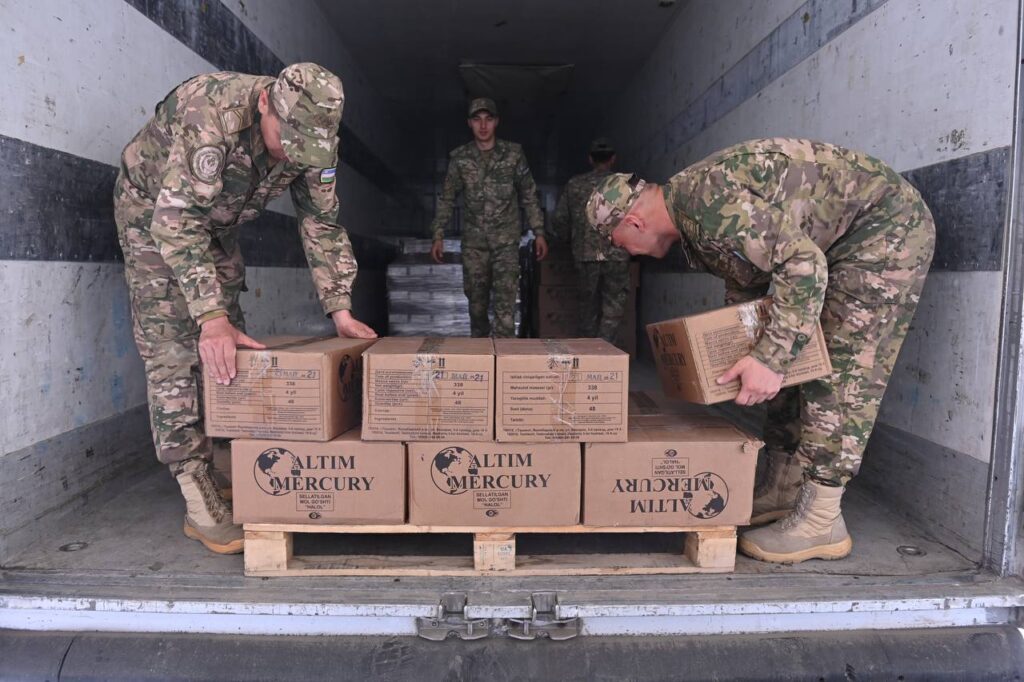
Humanitarian aid has been sent to the people affected by the floods in Kazakhstan. Fifteen large trucks will deliver food, clothes, blankets, blankets, pillows, hygiene products, special equipment tents, rubber boat kits and other essential items.

Kyrgyzstan Completes Resettlement of Residents From Exclave in Uzbekistan

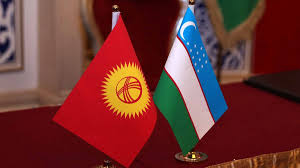
The Kyrgyz government has completed the resettlement of residents of the Barak exclave, a portion of a country separated from the Kyrgyz mainland that is completely encompassed by Uzbekistan. That’s according to a report by the TV channel ELTR.

All houses and social infrastructure in Barak were dismantled and moved to Kyrgyzstan. Ninety-eight families were temporarily placed in different areas of Osh region, with some of them staying with relatives, and others placed in rented houses.

According to the report, the government of Uzbekistan allocated 208 hectares of land to Kyrgyzstan in exchange for Barak. The Kyrgyz government plans to build housing in this area and settle the relocated families.

Barak is a rural settlement with a total area of about 4 square kilometers, where 1,250 people lived. It was the largest exclave of Kyrgyzstan, surrounded on all sides by the Uzbek region of Andijan’s Korgontepa district. Barak is located 1.5 kilometers from the border with the Kyrgyz mainland.

In 2018 Kyrgyzstan and Uzbekistan agreed on an exchange of land plots whereby Kyrgyzstan would receive the territory of Barak, and in return swap an equivalent plot of land adjacent to the village of Aktash in the Karasuv district. However, the exchange did not take place. In November 2022 Kyrgyzstan announced that it had reached a final agreement on the exchange of territories with Uzbekistan, giving the green light to the current resettlement plan.

Turkmenistan’s Government Employees Should Know President’s Biography in Order to Pass Certification

According to a report by the Chronicles of Turkmenistan, the main questions asked to employees of state bodies in Turkmenistan during the attestation period are related to the president and his relatives.

This year, employees of the Transport and Communications Agency, the Health and Medical Industry, the Ministry of Labor and Social Protection of the Population, the Ministry of Public Education, and the Turkmen Oil Concern were certified in Ashgabat.

Reportedly, employees of these institutions were warned about the need to pass the certification, and people were prepared for questions about their profession and job responsibilities, with those who had bought a diploma and didn’t have a deep understanding of their specialty especially worried.

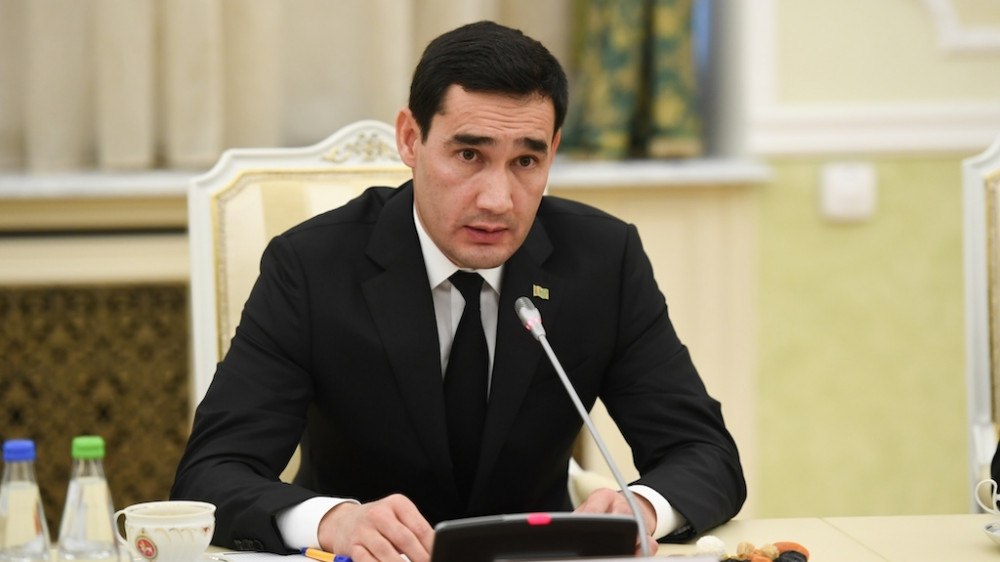
However, the examiners were not interested in the civil servants’ professional knowledge, but in the biography of President Serdar Berdymukhamedov. People were asked where he was born and educated, what positions he held, his family members and the books he has purportedly written.

Not all civil servants passed the certification. Managers have threatened to demote or cut their salaries of those who failed, whilst encouraging their employees to apply for recertification, the report stated.