• KGS/USD = 0.01144 0%
  • KZT/USD = 0.00194 -0%
  • TJS/USD = 0.10896 -0%
  • UZS/USD = 0.00008 0%
  • TMT/USD = 0.28571 0.28%
  • KGS/USD = 0.01144 0%
  • KZT/USD = 0.00194 -0%
  • TJS/USD = 0.10896 -0%
  • UZS/USD = 0.00008 0%
  • TMT/USD = 0.28571 0.28%
  • KGS/USD = 0.01144 0%
  • KZT/USD = 0.00194 -0%
  • TJS/USD = 0.10896 -0%
  • UZS/USD = 0.00008 0%
  • TMT/USD = 0.28571 0.28%
  • KGS/USD = 0.01144 0%
  • KZT/USD = 0.00194 -0%
  • TJS/USD = 0.10896 -0%
  • UZS/USD = 0.00008 0%
  • TMT/USD = 0.28571 0.28%
  • KGS/USD = 0.01144 0%
  • KZT/USD = 0.00194 -0%
  • TJS/USD = 0.10896 -0%
  • UZS/USD = 0.00008 0%
  • TMT/USD = 0.28571 0.28%
  • KGS/USD = 0.01144 0%
  • KZT/USD = 0.00194 -0%
  • TJS/USD = 0.10896 -0%
  • UZS/USD = 0.00008 0%
  • TMT/USD = 0.28571 0.28%
  • KGS/USD = 0.01144 0%
  • KZT/USD = 0.00194 -0%
  • TJS/USD = 0.10896 -0%
  • UZS/USD = 0.00008 0%
  • TMT/USD = 0.28571 0.28%
  • KGS/USD = 0.01144 0%
  • KZT/USD = 0.00194 -0%
  • TJS/USD = 0.10896 -0%
  • UZS/USD = 0.00008 0%
  • TMT/USD = 0.28571 0.28%
09 December 2025

Uzbekistan to Participate in International TALIS Study for First Time in 2024

At a press conference on 1 April, the Information and Mass Communications Agency announced that Uzbekistan is to participate in the Organization for Security & Cooperation in Europe’s (OECD) Teaching and Learning International Survey (TALIS).

Referencing the alarming rise in mental stress amongst teachers across the educational sector, Laziz Khojakulov, head of the Ministry of Preschool and School Education’s Department of Strategic Development and International Ratings, stated, “Not only in Uzbekistan, but all over the world, teachers have social and emotional problems.”

He then noted two measures being taken by the ministry to address the issue.

“First of all, there are international TALIS studies, starting from the public education systems and continuing to the preschool and school education system, in which the attitude of teachers toward their profession and the effects on it are studied. This is something new to us. Secondly, we plan to sign up to a joint project to work on the socio-emotional conditions of teachers in the direction of continuous professional development in cooperation with the UNESCO organization.”

The ministry also plans to introduce special training courses for teachers to overcome mental stress and tension.

In a statement to Kun.uz, Sardor Rajabov, deputy minister of Preschool and School Education, confirmed that 210 of Uzbekistan’s schools have been selected to take part in the TALIS survey for the first time in April and May of 2024.

The worldwide TALIS study focuses on pedagogical and professional practices of educators, school administrators, and staff members, and also works within educational environments in schools to provide analysis on issues drawn from consistent and trustworthy data. The OECD has been conducting its study since 2008, with surveys conducted every six years.
Bishkek Tightens Grip on NGOs

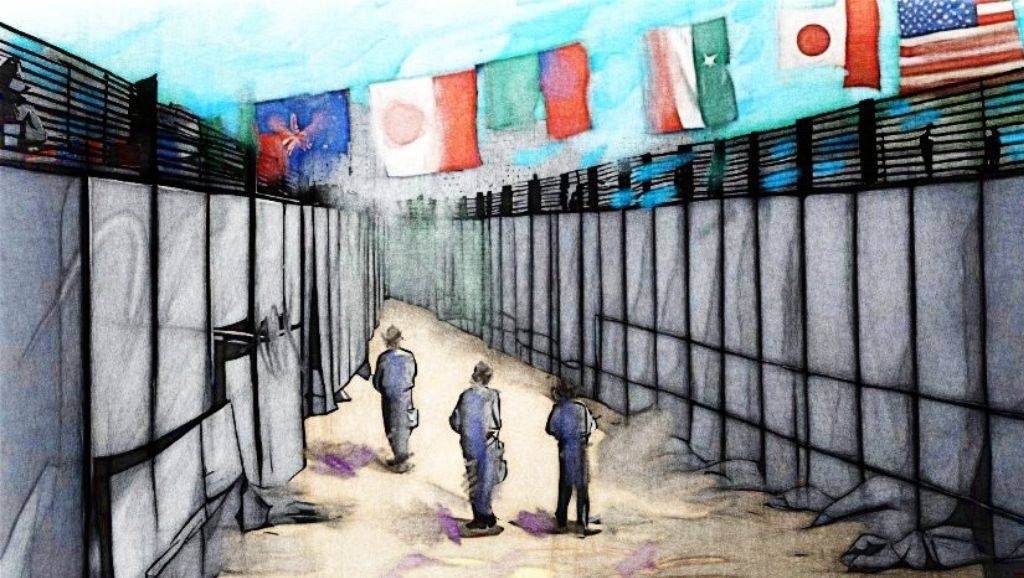
BISHKEK, Kyrgyzstan – Kyrgyzstan´s President said on Tuesday that he has approved a law that tightens control over non-governmental organizations which receive foreign funding, despite concerns that the measure could erode basic freedoms and services.

President Sadyr Japarov defied international pressure to refrain from signing the law, which was passed by an overwhelming margin in Kyrgyzstan’s Parliament on March 14. In a Facebook post, he said the measure would make NGOs more accountable and increase transparency, an assertion that critics say is misleading.

For decades, NGOs “just opened bank accounts, took money from foreign donors and used it as they saw fit, including for personal purposes,” Japarov said. “From now on they will be registered with the Ministry of Justice like everyone else. They will open bank accounts. They will start to work openly. There will be no more confusion.”

NGOs “spread false information, saying ‘we will be persecuted, we will be arrested as agents of a foreign state’. And the donors believed it,” said Japarov, adding that “there will be no persecution” of the groups.

Critics say the law represents a slow-moving crackdown that rolls back efforts to develop civil society with the help of foreign governments and other institutions.

“We’re deeply disappointed that Kyrgyzstan’s president Sadyr Japarov has signed the repressive law on ‘foreign representatives,’ citing misleading, untrue arguments about NGOs,” said the International Partnership for Human Rights, a Brussels-based group. 

“At least get the facts straight,” Syinat Sultanalieva, a Central Asia researcher for Human Rights Watch, said of Japarov’s statement, adding that it was wrong of Japarov to suggest that NGOs “never registered and did not submit reports and basically ran amok unchecked.”

In his statement, Japarov bristled at criticism from Western-affiliated institutions and said there was a double standard.

“Why do non-governmental organizations in developed Western countries register with the Ministry of Justice, the Tax Service, open a bank account and not do the same when they come to us?” he said. “Or are we a second-class country? No, we are not. We will no longer allow such dubious actions.”

Japarov had previously accused NGOs of spreading “inaccurate information,” emphasizing that the draft law “is close to the Foreign Agents Registration Act (FARA) adopted in 1938 in the United States.”. Some opponents claim it is based on Russia´s “foreign agents” law, and could be used as an instrument of oppression.

Kazakhstan and Kyrgyzstan to Unite Against External Military Threat

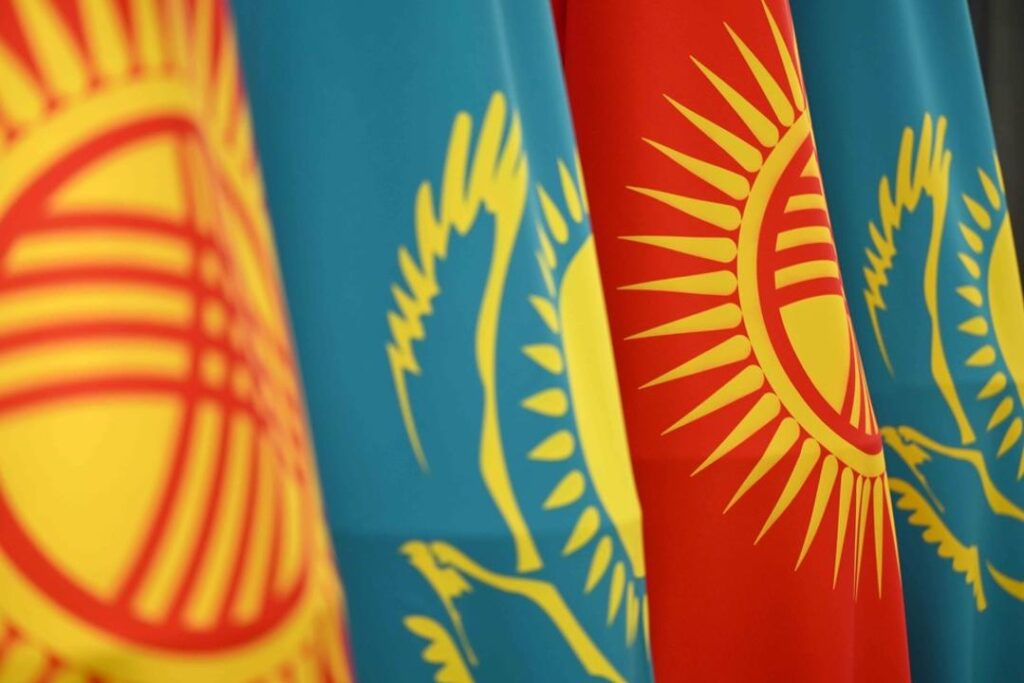
Proposals are in place for Kazakhstan and Kyrgyzstan to enter an agreement on deepening and expanding allied relations. Drafted by the President of Kazakhstan Kassym-Jomart Tokaye, the decree, ‘On the signing of an agreement on deepening and expanding allied relations between the Republic of Kazakhstan and the Kyrgyz Republic’, was recently published on the Open Regulatory Legal Acts portal.

The draft treaty states that when faced with a situation that “represents a threat of armed attack from third states, the parties will immediately hold appropriate consultations with each other, both bilaterally and within the framework of international organizations of which they are members, with a view to adopting measures conducive to its peaceful settlement.”

Furthermore, Kazakhstan and Kyrgyzstan will “confirm their commitment not to participate in any blocks or alliances, and also refrain from participating in any actions directed against the other party.”

The territories and resources of both countries will not be used “for the purpose of preparing or carrying out aggression or other hostile actions against the other party, as well as to the detriment of the state sovereignty, security and territorial integrity of the other party.”

Kazakhstan and the Kyrgyz Republic will prevent the use on their territories of “communication systems and other infrastructure by third states for the purpose of preparing or carrying out armed actions against the other party.”

The draft document also makes provision for strengthening economic relations between the two countries, in particular “by creating favorable conditions for mutual access of goods, services and investments, their protection in the territories of their states, and the implementation of joint investment projects.”

Renewables Generated Almost 6% of Kazakhstan’s Electricity in 2023

According to Kazakhstan’s Ministry of Energy, in 2023, the volume of electricity generated by renewable energy facilities reached 6.675 billion kWh or 5.92% of the country’s total electricity.

Kazakhstan currently boasts 147 renewable energy facilities including 59 wind power plants with a capacity of 1,409.55 MW, 46 solar power plants with a capacity of 1,222.61 MW, 39 hydroelectric power plants with a capacity of 269.6 MW, and three biogas power plants with a capacity of 1.7 MW.

In 2023, sixteen renewable energy facilities with a total installed capacity of 495.57 MW were put into operation, including 12 wind farms with a total capacity of 437.1 MW in the Akmola and Zhetisu regions, 2 hydroelectric power plants with a total capacity of 3.7 MW in the Almaty and Turkestan regions, and 2 solar power plants with a capacity 54.77 MW in the Turkestan region.

Kazakhstan is forecast to commission a further 25 renewable energy facilities with a total capacity of 599.85 MW by 2027.

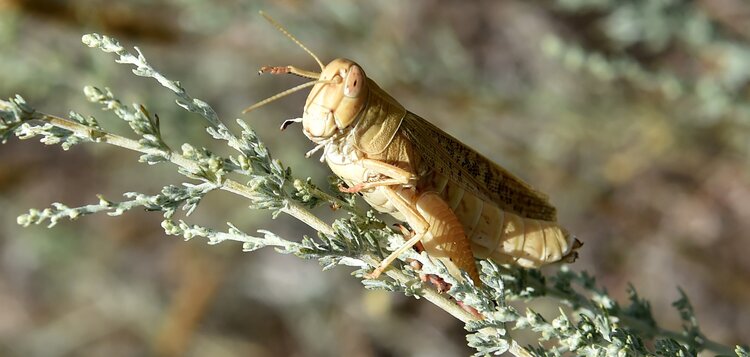
Kazakhstan Poised to Battle Bombardment of Locusts

At a government meeting on locust control on March 28th, Kazakhstan’s Deputy Minister of Agriculture, Azat Sultanov reported that this year, locust swarms are predicted to hit 2.5 million hectares of agricultural land in Kazakhstan, compared to 1.6 million hectares in 2023. The largest locust invasions are expected in the regions of Aktobe (784 thousand hectares), Kostanay (776 thousand hectares), and Turkestan (271 thousand hectares).

The country currently has enough stock of pesticides to treat 1.1 million hectares of land. Including pre-orders of chemicals to cover a further 323.6 thousand hectares, and new contracts to treat 607.5 thousand hectares, the central warehouse will be equipped to treat 2.09 million hectares by April 20th. The southern Turkestan region will likewise, begin treating its territory with chemical treatments against locusts at the end of the month.

Kazakhstan has seen a drastic increase in agricultural land being hit by locusts, rising from 514,000 hectares in 2020 to 1.6 million hectares in 2023, and is expected to peak in 2024. According to the UN’s Food and Agriculture Organization, locust outbreaks pose a severe threat to agriculture in the South Caucasus and Central Asia, with more than 25 million hectares and 20 million people in the region rendered vulnerable by damage inflicted by these migratory pests.

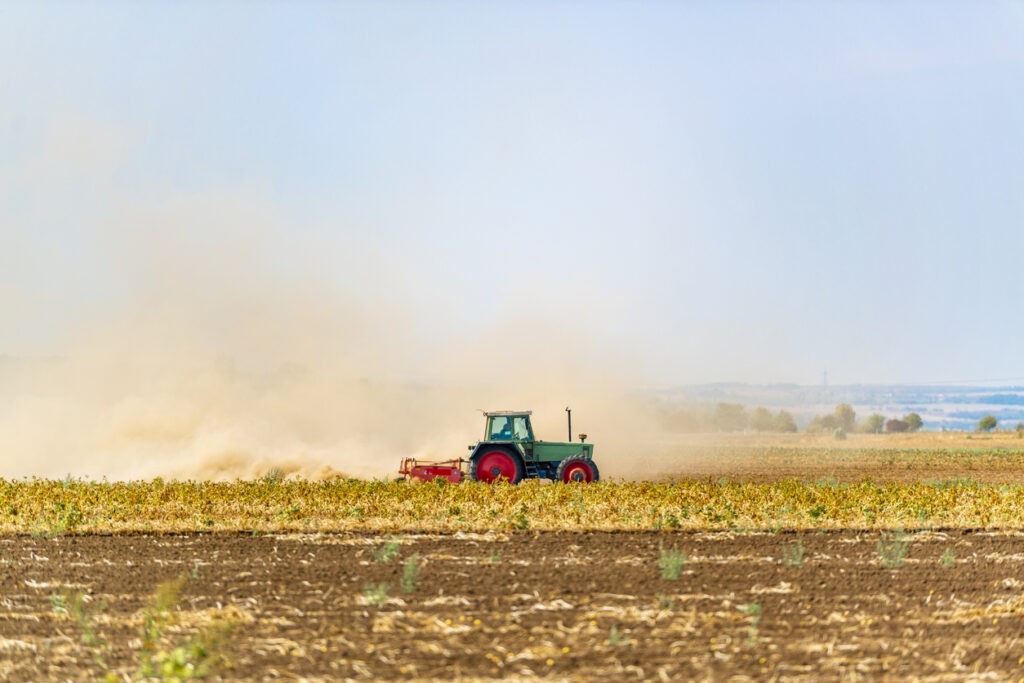
Uzbek Reforms Already Being Felt in Agriculture

The Uzbek news agency UzA reports that according to the Institute of Macroeconomic and Regional Studies, the ongoing reforms in Uzbekistan have had a positive effect on agriculture.

Cotton yield has increased by 1.5 times in the last year, and wheat production has grown by 13%. Changes in legislation related to trade liberalization and export promotion have helped to increase exports of fruits and vegetables by 1.8 times in the last five years, to $1.2 billion.

Uzbek authorities plan to introduce a program to subsidize 50% of farmers’ insurance premiums. This program calls for all farm subsidies to be provided through a single platform called ‘Agrosubsidiya’, based on the “one-window” concept for digital municipal services.