• KGS/USD = 0.01144 0%
  • KZT/USD = 0.00194 -0%
  • TJS/USD = 0.10844 -0.46%
  • UZS/USD = 0.00008 0%
  • TMT/USD = 0.28571 0.28%
  • KGS/USD = 0.01144 0%
  • KZT/USD = 0.00194 -0%
  • TJS/USD = 0.10844 -0.46%
  • UZS/USD = 0.00008 0%
  • TMT/USD = 0.28571 0.28%
  • KGS/USD = 0.01144 0%
  • KZT/USD = 0.00194 -0%
  • TJS/USD = 0.10844 -0.46%
  • UZS/USD = 0.00008 0%
  • TMT/USD = 0.28571 0.28%
  • KGS/USD = 0.01144 0%
  • KZT/USD = 0.00194 -0%
  • TJS/USD = 0.10844 -0.46%
  • UZS/USD = 0.00008 0%
  • TMT/USD = 0.28571 0.28%
  • KGS/USD = 0.01144 0%
  • KZT/USD = 0.00194 -0%
  • TJS/USD = 0.10844 -0.46%
  • UZS/USD = 0.00008 0%
  • TMT/USD = 0.28571 0.28%
  • KGS/USD = 0.01144 0%
  • KZT/USD = 0.00194 -0%
  • TJS/USD = 0.10844 -0.46%
  • UZS/USD = 0.00008 0%
  • TMT/USD = 0.28571 0.28%
  • KGS/USD = 0.01144 0%
  • KZT/USD = 0.00194 -0%
  • TJS/USD = 0.10844 -0.46%
  • UZS/USD = 0.00008 0%
  • TMT/USD = 0.28571 0.28%
  • KGS/USD = 0.01144 0%
  • KZT/USD = 0.00194 -0%
  • TJS/USD = 0.10844 -0.46%
  • UZS/USD = 0.00008 0%
  • TMT/USD = 0.28571 0.28%
09 December 2025

Renewables Generated Almost 6% of Kazakhstan’s Electricity in 2023

According to Kazakhstan’s Ministry of Energy, in 2023, the volume of electricity generated by renewable energy facilities reached 6.675 billion kWh or 5.92% of the country’s total electricity.

Kazakhstan currently boasts 147 renewable energy facilities including 59 wind power plants with a capacity of 1,409.55 MW, 46 solar power plants with a capacity of 1,222.61 MW, 39 hydroelectric power plants with a capacity of 269.6 MW, and three biogas power plants with a capacity of 1.7 MW.

In 2023, sixteen renewable energy facilities with a total installed capacity of 495.57 MW were put into operation, including 12 wind farms with a total capacity of 437.1 MW in the Akmola and Zhetisu regions, 2 hydroelectric power plants with a total capacity of 3.7 MW in the Almaty and Turkestan regions, and 2 solar power plants with a capacity 54.77 MW in the Turkestan region.

Kazakhstan is forecast to commission a further 25 renewable energy facilities with a total capacity of 599.85 MW by 2027.

Kazakhstan Poised to Battle Bombardment of Locusts

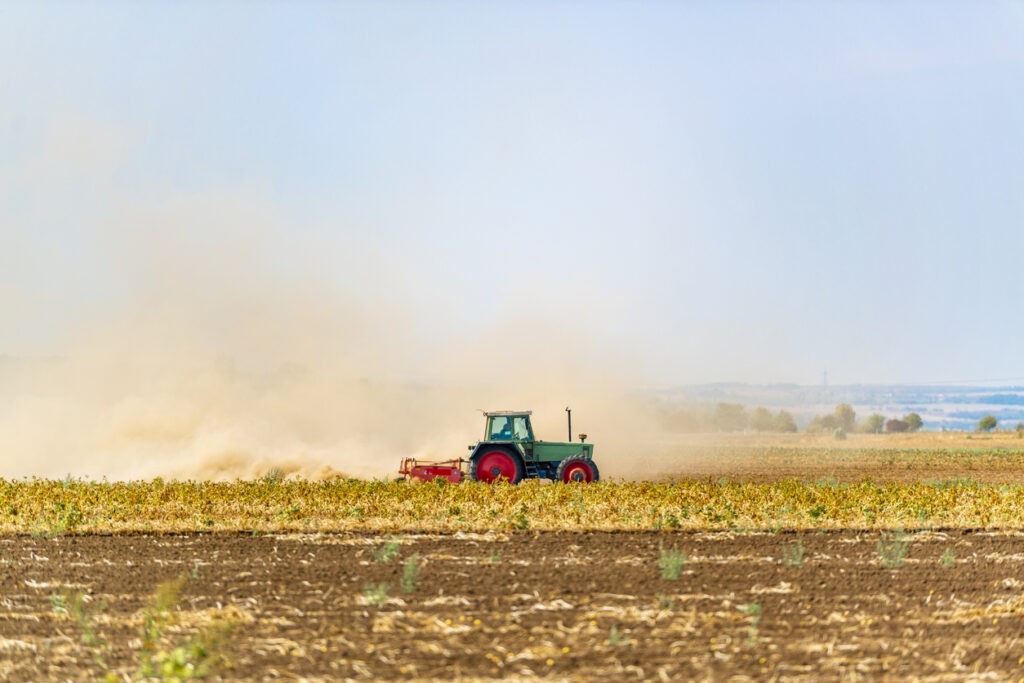
At a government meeting on locust control on March 28th, Kazakhstan’s Deputy Minister of Agriculture, Azat Sultanov reported that this year, locust swarms are predicted to hit 2.5 million hectares of agricultural land in Kazakhstan, compared to 1.6 million hectares in 2023. The largest locust invasions are expected in the regions of Aktobe (784 thousand hectares), Kostanay (776 thousand hectares), and Turkestan (271 thousand hectares).

The country currently has enough stock of pesticides to treat 1.1 million hectares of land. Including pre-orders of chemicals to cover a further 323.6 thousand hectares, and new contracts to treat 607.5 thousand hectares, the central warehouse will be equipped to treat 2.09 million hectares by April 20th. The southern Turkestan region will likewise, begin treating its territory with chemical treatments against locusts at the end of the month.

Kazakhstan has seen a drastic increase in agricultural land being hit by locusts, rising from 514,000 hectares in 2020 to 1.6 million hectares in 2023, and is expected to peak in 2024. According to the UN’s Food and Agriculture Organization, locust outbreaks pose a severe threat to agriculture in the South Caucasus and Central Asia, with more than 25 million hectares and 20 million people in the region rendered vulnerable by damage inflicted by these migratory pests.

Uzbek Reforms Already Being Felt in Agriculture

The Uzbek news agency UzA reports that according to the Institute of Macroeconomic and Regional Studies, the ongoing reforms in Uzbekistan have had a positive effect on agriculture.

Cotton yield has increased by 1.5 times in the last year, and wheat production has grown by 13%. Changes in legislation related to trade liberalization and export promotion have helped to increase exports of fruits and vegetables by 1.8 times in the last five years, to $1.2 billion.

Uzbek authorities plan to introduce a program to subsidize 50% of farmers’ insurance premiums. This program calls for all farm subsidies to be provided through a single platform called ‘Agrosubsidiya’, based on the “one-window” concept for digital municipal services.

Turkmenistan’s Balkan Shipyard to Partner with Dutch Company

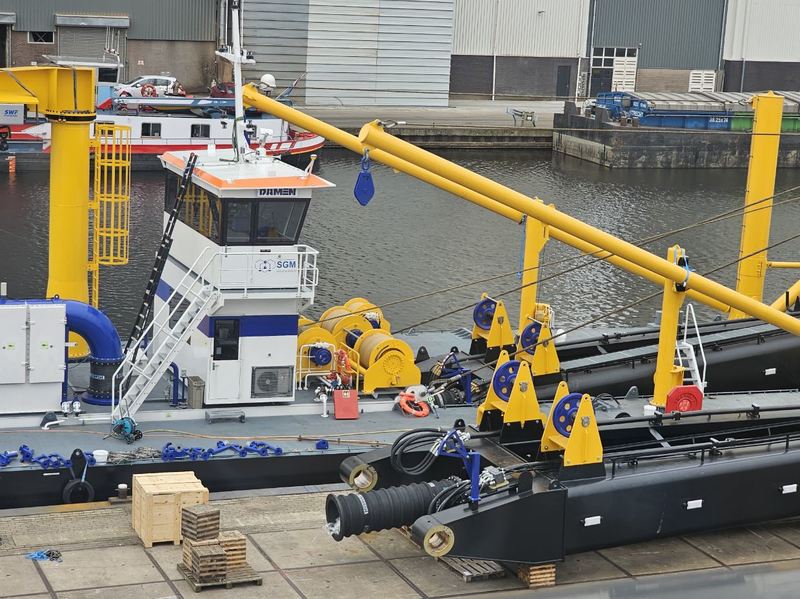
A group of managers from Turkmenistan’s Balkan Shipyard visited the Netherlands recently, and held a number of meetings with local shipbuilding companies, the Turkmen company reported. Balkan Shipyard is interested in constructing dredgers — boats or barges fitted with special machines that are used to deepen existing harbors, rivers, and canals — in Turkmenistan, as well as providing their staff with further training.

The shipyard’s managers discussed the production of an electric dredger with the managements of three Dutch companies: De Klopp BV, Royal IHC and Damen Shipyards Group. As a result of these meetings, Balkan Shipyard has announced that the CSD 650 dredger will be built at a shipyard in Turkmenistan, supervised by engineers from Damen.

In October 2023 managers from the state agency Turkmendeňizderýaýollary (Turkmen Sea and River Roads) discussed with Damen Shipyards Group the possibility of building a dredger at a factory in Turkmenistan.

Additionally, Korea’s Koryo Shipbuilding Industry Technology Co., Ltd. has reportedly transferred some proprietary construction technologies to Balkan Shipyard, which will increase the capacity of the Turkmen factory from four to five vessels per year.

Experts Warn Kazakhstan Over Possible Consequences of Further Armenia-Azerbaijan Conflict

On March 31, the Azerbaijani Defense Ministry said on its website that provocations on the Armenian-Azerbaijani border have recently become more frequent – and warned the Armenian authorities that Baku could take tough retaliatory measures. The same day, the Armenian Defense Ministry on its website rejected the information that it was accumulating troops on the Armenian-Azerbaijani border. The EU Mission in Armenia also stated that “no such movements have been observed.”

This turn of dialogue closely mirrors the events of autumn 2020, when there was a major military escalation. The Azerbaijani Defense Ministry then repeatedly warned Armenia against provocations in the conflict zone – and after that, hostilities started.

If the Armenian-Azerbaijani conflict develops, Kazakhstan will have to stop oil supplies to Europe via Azerbaijan, as the country is a member of the regional Collective Security Treaty Organization (CSTO), notes economist Galym Khusainov. “It is necessary to prepare a plan of action in case the conflict intensifies and Kazakhstan’s oil supplies through Azerbaijan may be cut off,” he told the Times of Central Asia.

Furthermore, Kazakhstan could face major losses if investments are made in developing the Zangezur transportation corridor, financier Rasul Rysmambetov said. “The most important strategy is to develop as many corridors as possible: Azerbaijan, the northern direction, the southern direction, [and] transit to Europe via Russia. In general, Kazakhstan mainly exports oil, so we just need to develop as many corridors as possible, so that the loss of one corridor or damage to one corridor will not affect the overall export of our goods,” Rysmambetov told the Times of Central Asia.

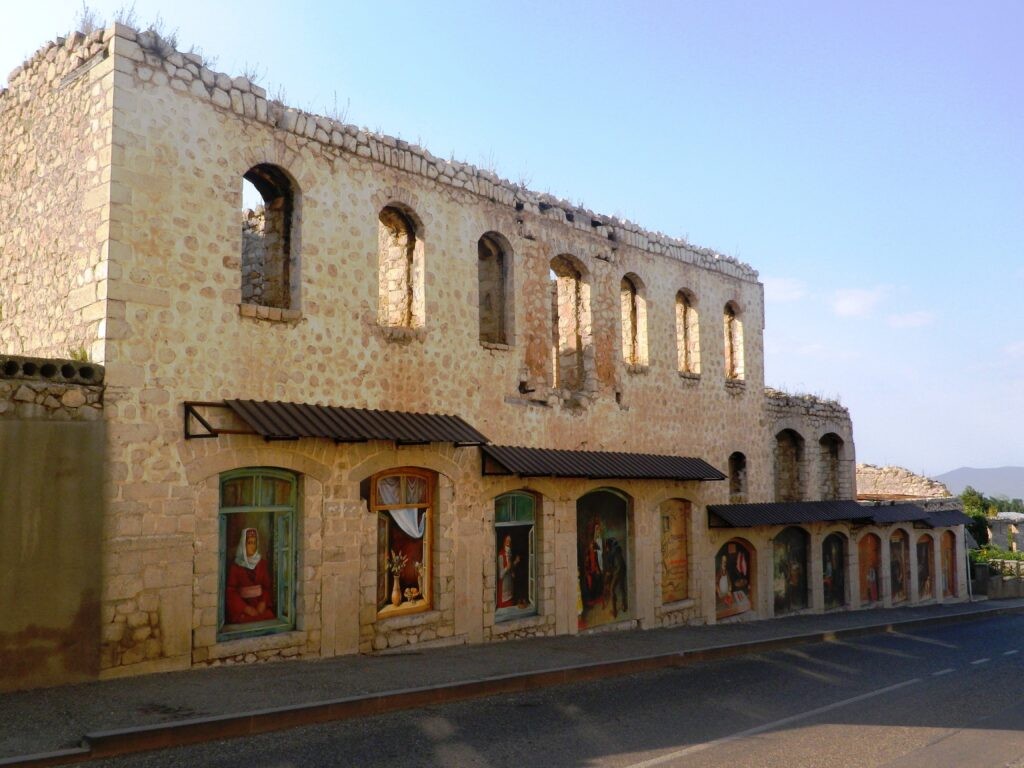
The conflict between Armenia and Azerbaijan escalated in the early 1990s after the collapse of the Soviet Union, centered around the dispute over control of the Karabakh region. As a result of the First Karabakh War, the region passed to Armenian jurisdiction. In the fall of 2020, after the Second Karabakh War, Karabakh passed to Azeri control. The United Nations (UN) recognizes Karabakh as the territory of Azerbaijan.

Despite the population within its borders being 94% ethnically Armenian, the Bolsheviks eventually founded the Nagorno-Karabakh Autonomous Oblast as part of Soviet Azerbaijan in 1923. Whilst there was an economic logic in allowing farmers to reach their traditional grazing lands without the hindrance of borders, the decision also owed much to divide and rule politics and a desire to please their Kemalist allies in Turkey. In 1921, the Treaty of Kars saw Moscow cede “imperialist” Western Armenia to Turkey as part of a ‘friendship and brotherhood’ agreement, the Soviets even going so far as to arm Kemalist troops. Massacres continued, and in September 1922 an estimated 100,000 Christians – 25,000 of whom were Armenians – were killed in modern-day Izmir alone.

Today, the threat of war between Armenia and Azerbaijan lingers in part because the issue of political control of several villages on the Armenia-Azerbaijan border in Armenia’s Syunik region remains unresolved. Azerbaijan calls these territories its historical lands, while Armenia argues that they are its territory, as was stipulated in the 1991 Almaty Declaration, which codified the modern Armenia-Azerbaijan border.

As for Kazakhstan’s oil supplies to Europe, the country’s authorities began actively seeking an alternative to supplies via Russia after the Kremlin began its attack on Ukraine in February 2022. Currently, one route is the Baku-Supsa pipeline, which runs through Azerbaijan to the Georgian Black Sea port of Supsa, through which Kazakhstan transports oil to European markets. Another is the Baku-Tbilisi-Ceyhan (BTC) pipeline, which sends oil to the Turkish port on the Mediterranean Sea.

Uzbekistan, EU Team Up to Train Local Ecology Specialists Amid Central Asia’s Water Crisis

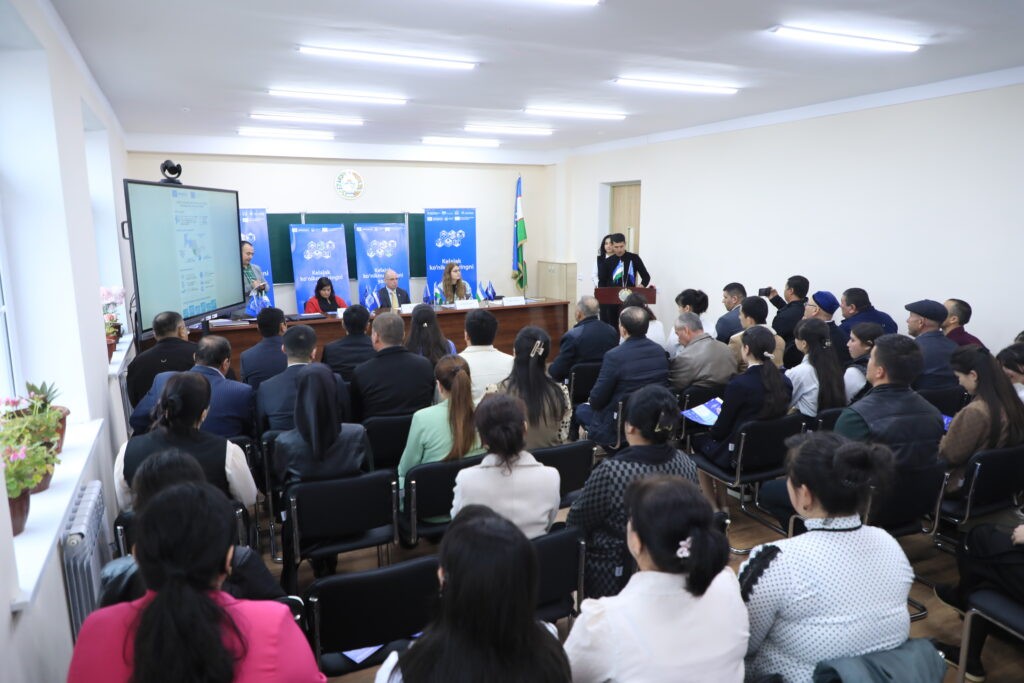
The European Union (EU) Delegation in Uzbekistan has provided financial assistance to modernize the Koshkopyr College of Water Management and Land Reclamation, located in the Khorezm province. The college was renovated within the framework of a project called Development of Employment Skills in Uzbekistan’s Rural Areas. As part of the renovation, workshops, classrooms and laboratories have been updated, with wiring and lighting replaced.

The renovation of the college started in April 2022 with an allocated budget of more than €1 million, said Dildora Tangriberganova, deputy rector for education and training. “All workshops and training laboratories of the college were modernized and updated. We received 16 new computers and all the furniture necessary for classrooms. We expect to receive equipment for laboratories and workshops soon,” Tangriberganova told the Times of Central Asia.

The Koshkopir College of Water Resources and Land Reclamation, established in 1989, trains specialists in such areas as hydromelioration (hydrological engineering), vehicle maintenance, animal husbandry, automation and computer science in water management, and other specialties. Currently the college has 221 students. The administration of the educational institution noted that the updated material and technical base will prove helpful for students in mastering their future professions.

The joint EU-Uzbekistan rural-development program has been in effect since July 2020. Its goal is to improve education in the agricultural and irrigation spheres. The total budget of the four-year project is €9.6 million.

The water crisis remains an acute problem in Central Asian countries, including Uzbekistan, as the landlocked region has no direct access to the world’s oceans. Experts believe that in 2030, the volume of freshwater shortage in Uzbekistan will reach 7 billion cubic meters – and by 2050 it will double, according to a report by Gazeta.uz.

Farmers consume the most water in the country. At the same time, 40% of water is wasted due to outdated municipal infrastructure. Experts emphasize that in the future, water scarcity will lead to higher prices for food products and increase the risk of diseases spreading.