• KGS/USD = 0.01144 0%
  • KZT/USD = 0.00196 -0%
  • TJS/USD = 0.10899 0%
  • UZS/USD = 0.00008 0%
  • TMT/USD = 0.28490 0%
  • KGS/USD = 0.01144 0%
  • KZT/USD = 0.00196 -0%
  • TJS/USD = 0.10899 0%
  • UZS/USD = 0.00008 0%
  • TMT/USD = 0.28490 0%
  • KGS/USD = 0.01144 0%
  • KZT/USD = 0.00196 -0%
  • TJS/USD = 0.10899 0%
  • UZS/USD = 0.00008 0%
  • TMT/USD = 0.28490 0%
  • KGS/USD = 0.01144 0%
  • KZT/USD = 0.00196 -0%
  • TJS/USD = 0.10899 0%
  • UZS/USD = 0.00008 0%
  • TMT/USD = 0.28490 0%
  • KGS/USD = 0.01144 0%
  • KZT/USD = 0.00196 -0%
  • TJS/USD = 0.10899 0%
  • UZS/USD = 0.00008 0%
  • TMT/USD = 0.28490 0%
  • KGS/USD = 0.01144 0%
  • KZT/USD = 0.00196 -0%
  • TJS/USD = 0.10899 0%
  • UZS/USD = 0.00008 0%
  • TMT/USD = 0.28490 0%
  • KGS/USD = 0.01144 0%
  • KZT/USD = 0.00196 -0%
  • TJS/USD = 0.10899 0%
  • UZS/USD = 0.00008 0%
  • TMT/USD = 0.28490 0%
  • KGS/USD = 0.01144 0%
  • KZT/USD = 0.00196 -0%
  • TJS/USD = 0.10899 0%
  • UZS/USD = 0.00008 0%
  • TMT/USD = 0.28490 0%
09 December 2025

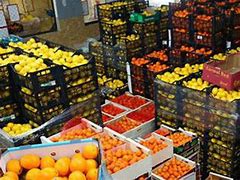
Uzbekistan to Increase Production and Export of Agricultural Produce

At a government meeting chaired by President Shavkat Mirziyoyev on March 18th, it was reported that in 2023, Uzbekistan produced 23 million tons of fruit and vegetables, but exports reaped just $2 billion, far short of the anticipated $5 billion.

Over the past year, over ten new markets have opened for Uzbek agricultural exports, including Australia, New Zealand, Singapore, Colombia, and Indonesia, raising the number of countries importing agricultural products from Uzbekistan to 85.

There are however, shortfalls in the sector. The potential of one million hectares of land previously used for grain and earmarked for the cultivation of fruit and vegetables is yet to be exploited. The same applies to 508,000 hectares of household plots plus a further 260,000 hectares of land lying barren.

At the meeting, the head of state expressed his readiness to consider any steps necessary for increasing agricultural and food exports in the coming year: “Controlling inflation and ensuring currency stability are directly related to exports. If we do not expand the conditions for export along with an increase in production, the result will not meet expectations.”

To that end, the head of state supported the proposal to boost agricultural exports by opening Uzbekistan’s trading houses in major port cities such as Nagoya, Mersin, Rotterdam, Qingdao, Klaipeda, and Doha.

One of the most vital issues is the certification of Uzbek agricultural produce for export. Following the launch of the first private laboratory with international accreditation at the Agricultural Services Centre in Yukorichirchik, $8 million will be invested in similar modern laboratories in Zangiata, Fergana, and Samarkand this year. A reference laboratory will also be opened in Tashkent to ensure that private laboratories comply with international standards.

Creation of Kazakhstan–Azerbaijan “Supreme Interstate Council” Marks New Era of Cooperation

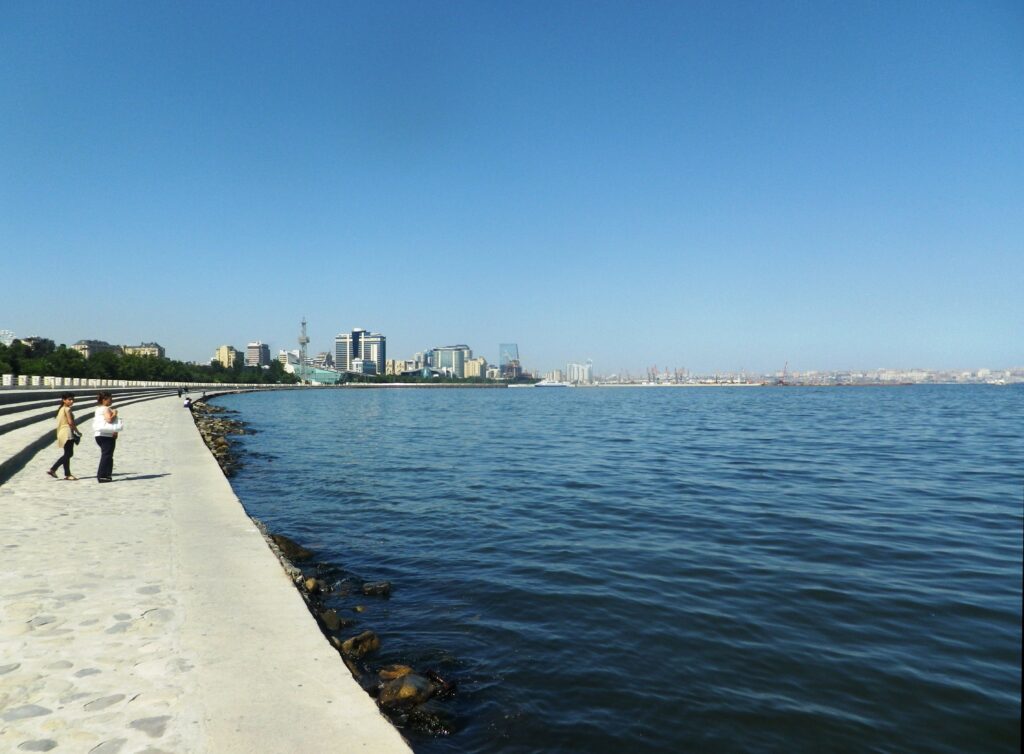
Diplomatic relations between Kazakhstan and Azerbaijan have developed dynamically since they were first established in August 1992, and have increased over the past 20 years, and grown especially since 2017. Over the last decade, the number of high-level visits in both directions have been rising to the point where they are now regular occurrences at an inter-ministerial level. That said, President Kassym-Jomart Tokayev’s state visit to Baku on March 11–12 represents yet another new phase in the two countries’ strategic partnership with a focus on trade, economic investment, and international cooperation.

This new era is marked by the creation of their bilateral Supreme Interstate Council (SIC), a qualitatively recent development that will institutionalize and drive cooperation in new ways. (Readers should note here that the connotation of “Supreme” in this case signifies “high-level” rather than “having sovereign or autonomous power”. This is exactly the difference, respectively, between the Russian-language adjectives vysshii – literally “high-level” or “highest” – and verkhovnyi – the USSR’s Supreme Soviet, its highest legislative body, was verkhovnyi. This is a matter of choice of terms for translation. “Supreme” has been adopted following the usage of the countries concerned in their English-language public discourse, but it should not be misunderstood.)

Although the Kazakhstan–Azerbaijan SIC has only just held its first meeting and is not yet fully institutionalized, it would seem from diplomatic indications that its activity is likely to resemble that of the Strategic Partnership Council (SPC) between Turkey and Azerbaijan. This latter forum was created in 2019 to subsume the two countries’ bilateral Strategic Cooperation Council, which was founded in 2010. Cooperation organized by this bilateral SPC broadly covers four issue areas: military-political and security issues, military and military-technical cooperation, humanitarian issues, and economic cooperation.

These areas are listed in order of priority, meaning that the SPC and the SIC’s first focus is on cooperation related to military and security issue areas, plus other relevant issues that these may indicate. Nevertheless, cooperation in the humanitarian and economic spheres, which has been ongoing for some time, is sometimes folded into these top-priority areas within the existing consultative structures.

The agreements signed at the November 2021 presidential summit between Kazakhstan and Uzbekistan had foreseen the formation of a bilateral SIC between them as well. Now that both these parties have ratified their Treaty of Allied Relations, also signed at that time, this SIC’s first meeting is scheduled for August of this year. Following the pattern of what is known about the SIC with Azerbaijan, it will be formally chaired by the two heads of state and organized by their respective foreign ministries.

The speakers of their parliaments’ lower houses and representatives of security councils may join in the work as necessary. Thus, security and foreign-policy issues will be the main concern in the first instance. Nevertheless, like the SIC between Kazakhstan and Azerbaijan, the one between Kazakhstan and Uzbekistan is likely in the medium term to develop organizationally along the lines of the Turkish-Azerbaijani Strategic Cooperation Council, eventual transformation into their bilateral Strategic Partnership Council, as explained above.

It is worth mentioning that Azerbaijan and Uzbekistan also agreed in 2023 to create a bilateral SIC, which has not yet held its first meeting. It would be interesting to speculate whether this might be held along with the Kazakhstan–Uzbekistan SIC meeting planned for August 2024.

Whether that happens or not, the potential exists in the future for such trilateral meetings to take place. Indeed, along with the fact that the various SICs focus in the first instance on security issues makes such trilateral meetings likely in the medium-term, at least in an ad hoc or intermittent format. It is also possible that the SICs become an instrument for facilitating Uzbekistan’s participation in the Trans-Caspian International Trade Route (TITR). At present, no private or public entity from Uzbekistan participates in the TITR (also known as the “Middle Corridor”), whether as a regular member, associate member or partner.

There is an analogous precedent for trilateral intergovernmental security cooperation in the “Weimar Triangle” established in 1991 between France, Germany and Poland. This cooperation forum declined in significance after around 2015, only to be reinvigorated following the February 2022 outbreak of renewed Russian military hostilities against Ukraine.

Given that Kazakhstan, Azerbaijan and Uzbekistan are also affected by the post-2022 situation surrounding the Russia–Ukraine conflict, the likelihood of some trilateral security cooperation being regularized among them in the medium term is heightened.

The creation of SICs between Kazakhstan and Azerbaijan, as well as between Kazakhstan and Uzbekistan – and the prospect of a similar council between Azerbaijan and Uzbekistan – represents a significant evolution in the Caspian Sea region’s diplomatic and security landscape. These developments signify not only a strengthening of interstate relationships, but also indicate a strategic decision, taken in parallel, to address mutual security and regional stability concerns in the face of evolving geopolitical challenges.

The emphasis on high-level and comprehensive cooperation frameworks, driven by Kazakhstan’s diplomacy and modelled somewhat on the Turkish-Azerbaijani partnership, suggests a concerted effort to elevate collaboration beyond traditional bilateral formats, addressing shared Caspian Sea interests while seeking to foster a more cohesive and resilient regional order. The eventual adoption of a quasi–Weimar Triangle cooperation model is an intriguing perspective.

In whatever way these patterns may materialize in the future, these councils offer a promising avenue for addressing shared challenges and leveraging the collective strength of Central Asia.

Uzbekistan Starts Exporting Copper Products to the U.S. and Mexico

Exporters in Uzbekistan have begun sending products made of Uzbek copper to Mexico and the U.S., according to the Nigoh Telegram channel. In January and February, Almalyk Mining and Metallurgical Combine exported goods valued at $82 million dollars, fulfilling 101.3% of their forecasted capacity.

Among the various products there were 7,300 tons of copper products, 4,600 tons of zinc metal, and 132 tons of molybdenum products.

Items from the Almalyk plant are exported to more than 20 countries, and the geographic reach of their exports is expanding. In 2023 the company added two new markets for copper products in the Americas — the U.S. and Mexico — as well as a new European buyer, Finland.

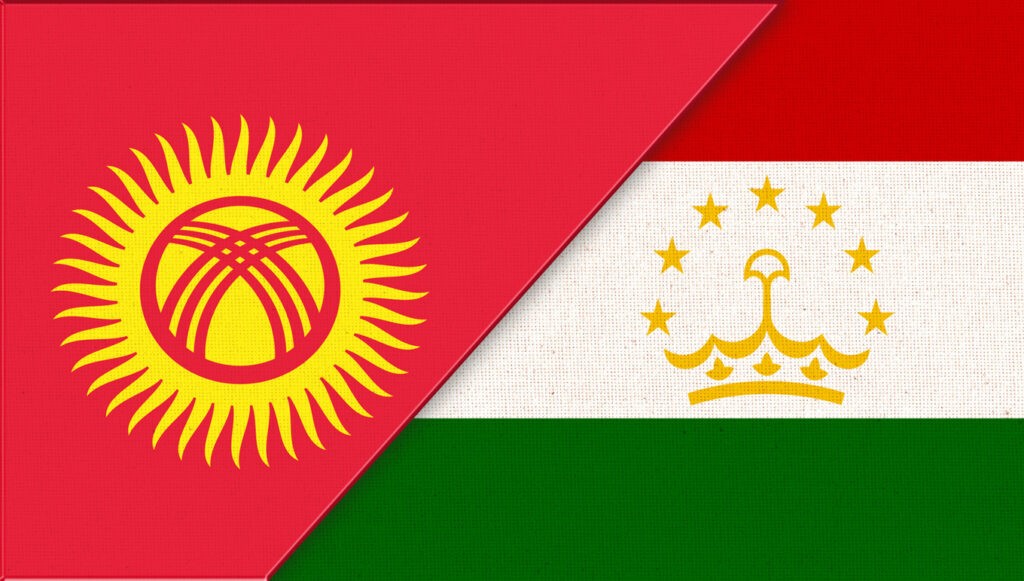
Tajikistan and Kyrgyzstan Agree to Further Border-Demarcation Protocol

From 12 – 17 March, Tajik and Kyrgyz topographic working groups and legal groups serving under the respective government delegations convened to in Tajikistan’s Sughd region.

According to a report by the Tajik State Committee for National Security, discussion in Buston focused on the demarcation and delimitation of Tajikistan’s and Kyrgyzstan’s state borders.

During the meeting, an agreement was signed by topographical working groups to codify 10.76 kilometres of the Tajikistan-Kyrgyzstan state border. The two parties then voted to continue working on defining the remaining portions of the common state border at a subsequent meeting to be held in Kyrgyzstan.

Back in February, the Minister of Foreign Affairs of Tajikistan Sirojiddin Mukhriddin said that almost 200 kilometres of the common line of the Tajikistan-Kyrgyz state border had been agreed upon, leaving roughly 100 kilometres of the area under dispute.

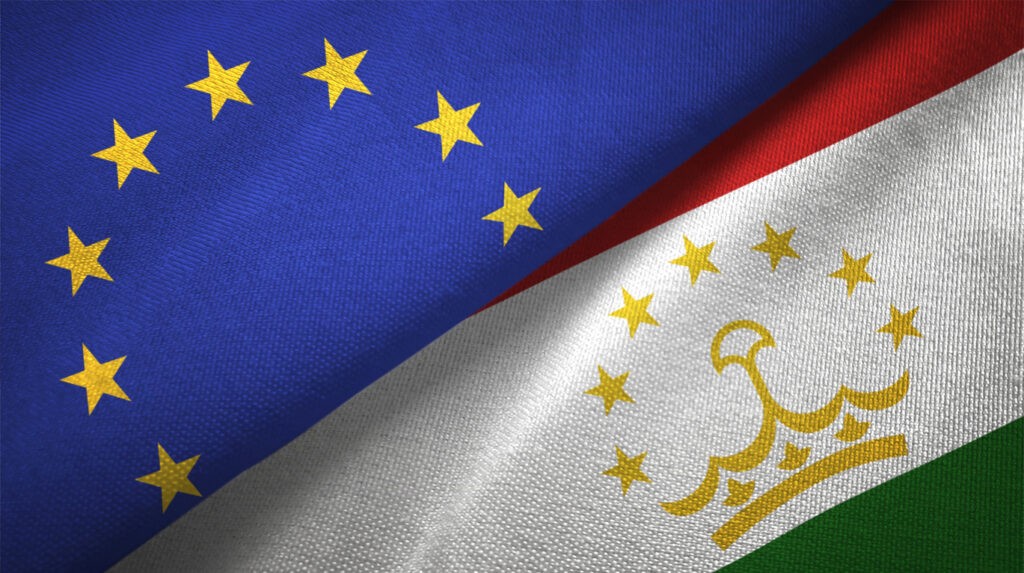
EU Allocates $49 Million to Tajikistan for Energy Projects

The European Union has given Tajikistan €91 million ($99 million) for priority projects in the country under the first phase of the EU Multiannual Indicative Program (MIP) from 2021 to 2024. This was reported by Tajikistan’s Ministry of Economic Development and Trade.

At a recent meeting,
the EU representatives announced that they are prepared to give Tajikistan a €45 million ($49 million) grant for energy projects. 

Under the direction of the EU’s ambassador to Tajikistan Raimundas Karoblis and Tajikistan’s deputy minister for economic development Ashurboy Solehzoda, the parties “stated that they were ready to increase their mutually beneficial cooperation” at the meeting. By the end of 2023, trade between Tajikistan and the EU was valued at $401.5 million ($437 million), according to the economy ministry.

The department had previously stated that Tajikistan-EU trade was valued at $490 million in 2022, meaning that volumes fell by 22% in 2023.

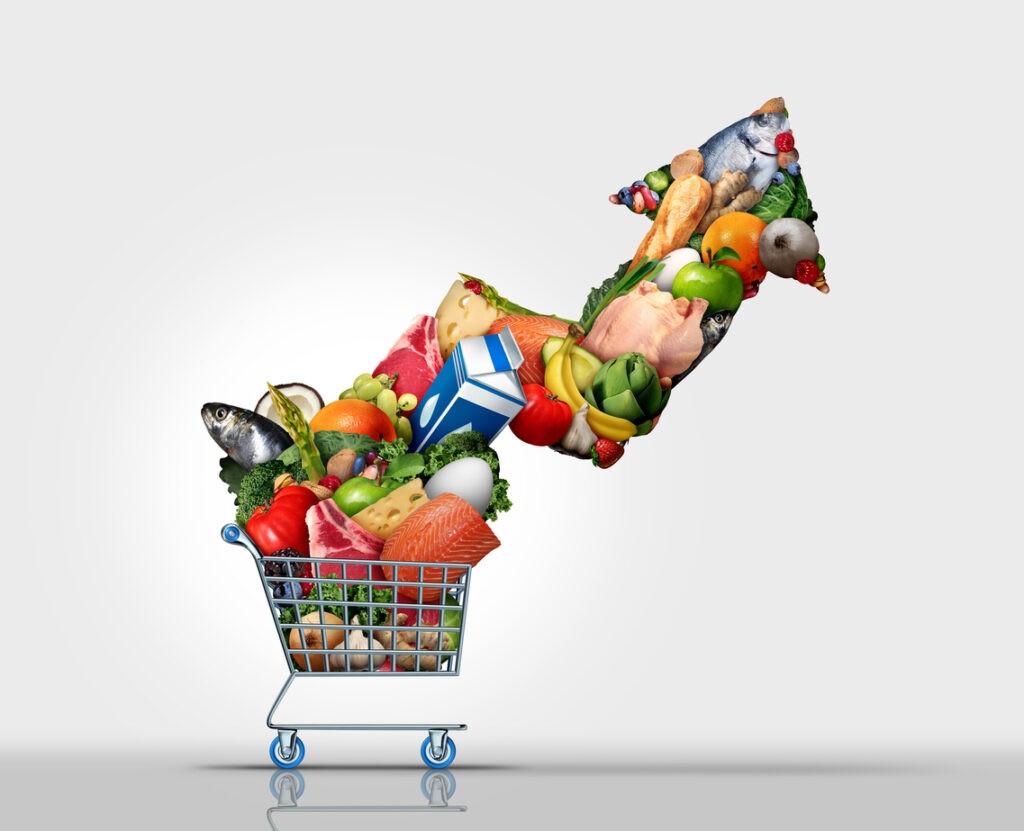
Turkmenistan’s Food Prices Continue to Rise

The prices of subsidized products in Turkmenistan’s state stores continue to rise, according to a report by correspondents from the Chronicles of Turkmenistan.

Beginning March 12, the price of a kilogram of poultry increased to 35 manat ($10) from 21 manat ($6). The price for domestically produced chicken is the same as for poultry imported from Turkey.

In some stores chicken legs are still being sold at the old price — 16 manat ($4.57) per kilogram — but according to sellers, new batches could be more expensive.

These days in various parts of Turkmenistan’s capital Ashghabat, private traders are selling rice — the price of which has increased by three manat per kilo — directly from trucks.

As of March 6, eggs have become more expensive in Ashgabat’s state stores. The price has increased to 1.50 manat ($0.43) and 45 manat ($12.86) for a 30-egg tray, respectively, from one manat ($0.29) per egg or 30 manat ($8,57) per tray.

The cost of flour went to 3-5 manat ($0.86 – $1.43) per kilogram from one manat ($0.29) in February — while the cost of bread increased to four manat ($1.14) from one manat ($0.29) per loaf.

Turkmenistan’s president Serdar Berdimuhamedov signed an order to raise the purchase prices of wheat and cotton by two to three times beginning with the harvest of 2024 — just before the sharp increase in the prices of goods in state stores.