• KGS/USD = 0.01144 0%
  • KZT/USD = 0.00194 -0%
  • TJS/USD = 0.10844 -0.46%
  • UZS/USD = 0.00008 0%
  • TMT/USD = 0.28571 0.28%
  • KGS/USD = 0.01144 0%
  • KZT/USD = 0.00194 -0%
  • TJS/USD = 0.10844 -0.46%
  • UZS/USD = 0.00008 0%
  • TMT/USD = 0.28571 0.28%
  • KGS/USD = 0.01144 0%
  • KZT/USD = 0.00194 -0%
  • TJS/USD = 0.10844 -0.46%
  • UZS/USD = 0.00008 0%
  • TMT/USD = 0.28571 0.28%
  • KGS/USD = 0.01144 0%
  • KZT/USD = 0.00194 -0%
  • TJS/USD = 0.10844 -0.46%
  • UZS/USD = 0.00008 0%
  • TMT/USD = 0.28571 0.28%
  • KGS/USD = 0.01144 0%
  • KZT/USD = 0.00194 -0%
  • TJS/USD = 0.10844 -0.46%
  • UZS/USD = 0.00008 0%
  • TMT/USD = 0.28571 0.28%
  • KGS/USD = 0.01144 0%
  • KZT/USD = 0.00194 -0%
  • TJS/USD = 0.10844 -0.46%
  • UZS/USD = 0.00008 0%
  • TMT/USD = 0.28571 0.28%
  • KGS/USD = 0.01144 0%
  • KZT/USD = 0.00194 -0%
  • TJS/USD = 0.10844 -0.46%
  • UZS/USD = 0.00008 0%
  • TMT/USD = 0.28571 0.28%
  • KGS/USD = 0.01144 0%
  • KZT/USD = 0.00194 -0%
  • TJS/USD = 0.10844 -0.46%
  • UZS/USD = 0.00008 0%
  • TMT/USD = 0.28571 0.28%
09 December 2025

Kyrgyzstan Releases Its First Climate Action Transparency Report

On October 7, Kyrgyzstan’s Ministry of Natural Resources, Environment, and Technical Supervision unveiled its first Biennial Climate Action Transparency Report, marking a key step in aligning with international climate obligations.

The report was developed with contributions from government agencies, academic institutions, the private sector, and civil society, with support from the United Nations Development Programme (UNDP). It outlines the country’s progress in addressing climate change, current greenhouse gas (GHG) emissions, climate risk preparedness, and the external support it has received.

According to the report, Kyrgyzstan’s total GHG emissions in 2023 amounted to 19.38 million tons of CO₂ equivalent. At the same time, the country’s forests, soils, and other ecosystems absorbed 10.31 million tons, resulting in net emissions of 9.07 million tons of CO₂ equivalent. The report notes that this “climate safety net” provides a valuable natural buffer that should be protected and expanded.

The energy sector remains the largest source of emissions, accounting for more than half of the total. However, emissions from transport, electricity generation, and heating have declined significantly since the early 1990s, largely due to the adoption of cleaner technologies and improved energy efficiency. Agriculture is the second largest contributor to emissions, primarily driven by livestock farming, with levels remaining relatively stable over recent decades.

The submission of the transparency report is a requirement under the Paris Agreement, the international climate treaty signed by Kyrgyzstan in 2016.

Beyond fulfilling a global commitment, transparent reporting is also a pathway to unlocking funding from international financial institutions, climate funds, and private investors. According to the report, improved transparency can help attract investment in energy efficiency, renewable energy, sustainable water management, climate-smart agriculture, and disaster risk reduction, critical elements in Kyrgyzstan’s strategy to achieve carbon neutrality by 2050.

Kazakhstan and Germany Partner on Sustainable Water Management

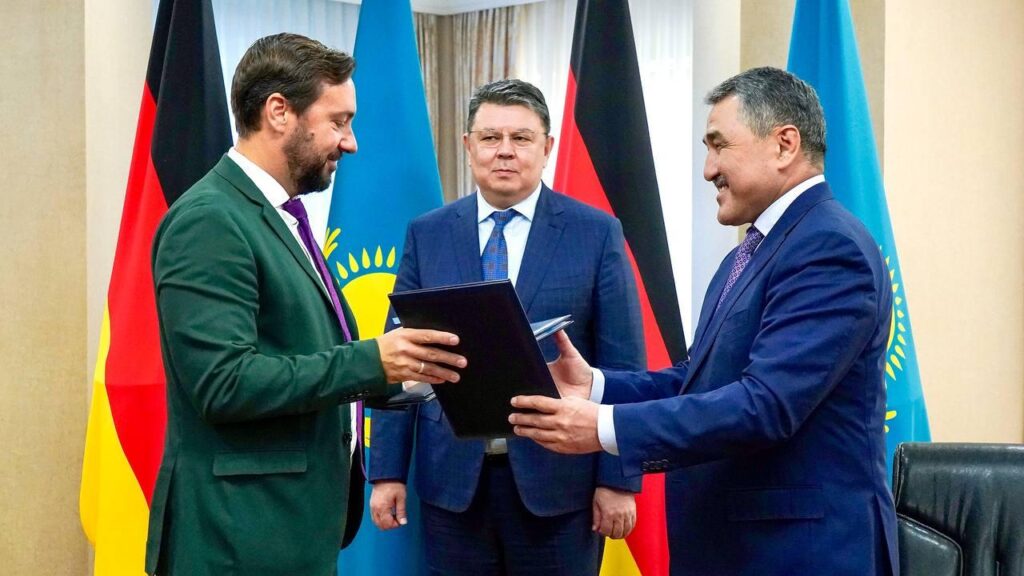
Kazakhstan’s Ministry of Water Resources and Irrigation and the German Water Partnership (GWP) signed a Strategic Partnership Agreement on October 8 aimed at enhancing bilateral cooperation in sustainable water management.

The agreement will allow Kazakhstan to adopt international best practices and advanced water-saving technologies, strengthen climate resilience in the water sector, improve flood and drought response, and expand training for water-sector professionals.

GWP is Germany’s leading water-sector network with a strong international focus. It brings together around 300 companies, trade associations, and institutions from business, science, and research.

German expertise is already contributing to Kazakhstan’s digital projects in water resource forecasting, modeling, and accounting. German technologies are also being used in the construction of hydraulic infrastructure across the country.

Following the signing, Deputy Prime Minister Kanat Bozumbayev and GWP Managing Director Boris Greifeneder discussed plans to deepen cooperation. One key proposal was the establishment of a Kazakh-German Water Innovation Hub, to be housed at the Information and Analytical Center of the Ministry of Water Resources and Irrigation, with GWP’s support.

In a related initiative, the Kazakh-German University (DKU), the National Academy of Sciences of Kazakhstan, and the Kazakh National Agrarian Research University, supported by Germany’s Hanns Seidel Foundation, recently launched a new scientific and educational hub: the Kazakh-German Nexus Institute.

Headquartered in Almaty, the Nexus Institute will focus on developing evidence-based policies for sustainable land and water use in Central Asia.

Water resource management remains a critical priority for Kazakhstan, particularly in the country’s arid southern regions where agriculture depends heavily on efficient irrigation systems.

Kazakh Lawmakers Propose Extending Import Benefits for Electric Vehicles

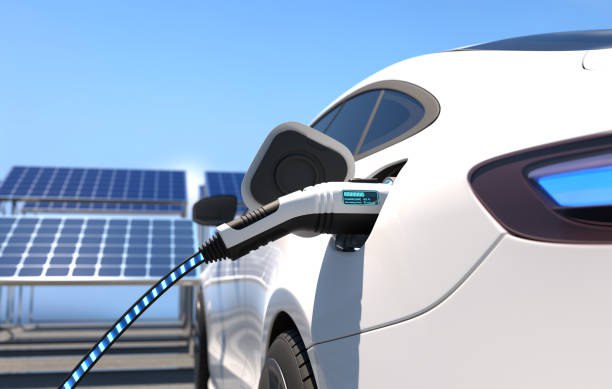
Olzhas Nuraldinov, a member of the Mazhilis, Kazakhstan’s lower house of parliament, has proposed that Prime Minister Olzhas Bektenov extend the country’s preferential import regime for electric vehicles (EVs). Under the Customs Union Commission’s Decision No. 130 of November 27, 2009, electric vehicles can currently be imported into Kazakhstan duty-free. However, the regulation imposes a quantitative cap, no more than 15,000 EVs in total, and is set to expire on December 31, 2025.

As of September 25, 2025, more than 13,000 electric vehicles had been imported under the scheme, accounting for 87.2% of the quota, according to Kazakhstan’s State Revenue Committee. Lawmakers argue that it is unlikely the 15,000 vehicle threshold will be reached by year’s end and are therefore urging the government to extend the deadline.

“Once the preferential regime expires, electric vehicle prices will rise by 30-40%, which will reduce demand and slow the development of eco-friendly transport,” Nuraldinov said in a formal parliamentary appeal to the prime minister. “We propose extending the preferential import regime for at least three more years and, if necessary, raising the issue with the Eurasian Economic Commission.”

According to Nuraldinov, EV imports increased twelvefold in two years, from 1,245 units in 2022 to 15,700 in 2024. Some of these imports occurred outside the preferential framework, as roughly 1,900 vehicles can still be imported duty-free under the current quota.

Despite this growth, electric vehicles still represent just 0.5% of all registered vehicles in Kazakhstan, compared to 35% in China and more than 22% in the European Union. Kazakhstan has over 6.4 million registered vehicles, more than 70% of which are over ten years old and emit five to seven times more pollutants than newer models, Nuraldinov noted. “Ending these benefits would undermine efforts to improve air quality and worsen environmental conditions,” he warned. “In Almaty, where the population exceeded 2.3 million this year, 80% of air pollution comes from vehicle emissions. Meanwhile, the electric transport sector has begun forming its own ecosystem, creating jobs, service centers, assembly sites, and a growing network of charging stations. Their number has increased from 200 to 1,200 nationwide.”

As The Times of Central Asia previously reported, some lawmakers voiced concern in February about the potential strain that a growing EV fleet could place on Kazakhstan’s energy infrastructure.

World Bank: Central Asia to Lead Regional Growth in 2025 Despite Global Slowdown

Economic growth in Europe and Central Asia (ECA) is slowing but remains resilient amid global and regional challenges, according to the World Bank’s latest Europe and Central Asia Economic Update: Jobs and Prosperity, released on October 7, 2025.

The report projects GDP growth in the region at 2.4% in real terms this year, down from 3.7% in 2024. The slowdown is primarily attributed to weaker growth in Russia. However, excluding Russia, which accounts for about 40% of the region’s total economic output, growth is expected to hold steady at approximately 3.3% in both 2025 and 2026.

“Developing economies in the region need bold reforms to turn resilience into stronger growth in productivity, output, and jobs,” said Antonella Bassani, World Bank Vice President for Europe and Central Asia. She stressed the importance of strengthening the private sector, improving education systems, and attracting more private investment to generate quality employment and address demographic changes.

Central Asia remains the fastest-growing subregion for the third consecutive year, with growth expected to rise from 5.7% in 2024 to 5.9% in 2025. The World Bank attributes this momentum to increased oil production in Kazakhstan, higher remittance inflows, and rising public and private investment.

Turkey and Poland are also highlighted for their strong performance, with forecast growth rates of 3.5% and 3.2%, respectively, supported by solid consumer demand and capital investment.

Despite these positive signals, the World Bank warns that sluggish growth and weak reform momentum are exacerbating challenges in the labor market. While employment across the ECA region has expanded by 12% over the past 15 years, particularly in the services sector, many of the new jobs are low-skilled and offer limited income potential.

Demographic shifts pose another challenge. The region’s working-age population is projected to shrink by 17 million in the coming decades, especially in Eastern and Central Europe and the Western Balkans. In contrast, Central Asia and Turkey are expected to see population growth, intensifying the need to generate sufficient employment opportunities.

The report recommends that countries invest in infrastructure, education, and private-sector development to improve productivity. “Each country can tailor its approach to best use its assets, human talent, physical infrastructure, institutions, and natural resources,” said Ivailo Izvorski, World Bank Chief Economist for Europe and Central Asia.

In Central Asia, economic growth is expected to be driven by expansion in agrifood and livestock processing, transport and logistics along Eurasian trade corridors, renewable energy investment, and tourism development. The World Bank notes that these sectors, supported by the region’s cultural and natural heritage, could help position Central Asia as one of the world’s most dynamic emerging markets.

Opinion: Uzbekistan’s Winds of Change – A Blueprint for Renewable Energy Transformation in Central Asia

For much of its post-Soviet history, Uzbekistan’s energy system has been defined by natural gas. Its abundant domestic reserves provide a cheap and reliable source of electricity generation, export revenues, and industrial growth. However, this reliance has come at a cost, including vulnerability to fossil fuel volatility, carbon emissions inconsistent with global climate commitments, and an energy profile increasingly at odds with international investment trends.

Today, a new landscape is emerging in Uzbekistan’s energy sector. The vast steppes and desert plateaus of the Karakalpakstan and Navoi regions have emerged as some of the most promising areas for wind turbines and energy sector development. This transformation could redefine not only Uzbekistan’s energy security but also the regional energy map of Central Asia.

A Decade in the Making: From Pilot to Pioneer

This story begins in 2020, when the United Arab Emirates’ renewable energy developer Masdar signed an agreement to construct the Zarafshan Wind Farm in the Navoi region. Initially, this was not a pilot project, as its proposed capacity was about 500 MW, making it the largest wind project among the Central Asian countries at the time. Its symbolism pulsed with an energy no less powerful than the current itself. For Uzbekistan, which had no operating commercial wind capacity, the project marked a significant shift from concept to execution. The Zarafshan Wind Farm reached financial close in 2020, commenced construction in 2022, and was officially inaugurated in December 2024 by Uzbekistan’s President Shavkat Mirziyoyev. Developer reports describe it as one of the largest operational wind farms in Central Asia. It represented a step forward toward sustainability and a message of resolve for energy resilience. In a region where fossil fuels still dominate, Uzbekistan has positioned itself as a regional leader in large-scale wind energy production..

Scaling Beyond Zarafshan: Kungrad and Nukus

The breakthrough at the Zarafshan Wind Farm signaled the dawn of a larger journey. Subsequently, Saudi Arabia’s ACWA Power, a giant in renewable energy, agreed to set up the Kungrad Wind IPP. This project includes a transformative complex of three 500 MW wind farms with a total capacity of 1.5 GW of power generation. According to project plans, it will also be accompanied by a 300 MW battery energy storage system (BESS) and roughly 1,450 kilometers of new transmission infrastructure. This single project surpasses Uzbekistan’s earlier renewable efforts and, when completed, will represent one of the most significant clean energy undertakings in the region.

Similarly, the Nukus II wind farm-plus-storage project, which secured financing from the Asian Development Bank (ADB) and other partners in mid-2025, seeks to expand renewable energy use, reduce reliance on fossil fuels, cut greenhouse gas emissions, and strengthen energy security. It includes building and operating a 200 MW wind power plant, a 100 MWh battery storage system, a 44 km transmission line, and an upgrade of the 220 kV Beruniy substation. This integration of renewables with flexible storage represents a new phase of Uzbekistan’s energy transition, one where renewables are not simply added to the grid but actively enhance its stability. Furthermore, the project aligns with Uzbekistan’s Country Partnership Strategy 2024–2028, which focuses on a green energy transition and private sector growth. It also supports ADB’s Energy Policy by promoting renewable energy, inclusive access, and efficiency through private participation.

Why BESS Storage Matters

Battery energy storage systems (BESS) are often treated as an optional add-on in early renewable markets. The integration of battery storage is perhaps the most significant innovation in Uzbekistan’s wind rollout. In most emerging markets, wind projects are added to the grid without storage, creating operational challenges when supply and demand do not align. Uzbekistan, however, is embedding storage at scale from the outset in flagship projects like Kungrad and Nukus II. In an energy grid system that is still dominated by gas plants, battery systems allow wind power to be time shifted, absorbed when the wind blows strongest and dispatched during demand peaks, especially in the evenings when households rely on electricity the most. This reduces reliance on fossil fuels, conserves valuable hydrocarbons for export, and cuts emissions. The decision to link wind with BESS demonstrates strategic foresight. In a country where natural gas is both a domestic staple and a crucial source of foreign currency, Uzbekistan’s green shift is not symbolic but operationally resilient.

National Targets and Regional Leadership

Uzbekistan has declared ambitious targets for renewable energy. According to the International Energy Agency’s (IEA) Energy Policy Review 2022, the country aims to install 8 GW of solar and wind capacity by 2026 and 12 GW by 2030, including 7 GW of solar and 5 GW of wind. Officials have also suggested that renewables could account for 25–40% of electricity generation by 2030. Large solar PV projects (100–500 MW) are planned mainly for the central and southern regions, while wind farms of similar scale will be concentrated in the northwestern region, which includes Jizzakh, Samarkand, Bukhara, Kashkadarya, and Surkhandarya.

In its 2021 updated Nationally Determined Contribution (NDC) under the Paris Agreement, Uzbekistan raised its renewable target to 12 GW by 2030. These goals are not merely aspirational; they are supported by structural reforms, international financing, strategic partnerships, and active construction. Regionally, Uzbekistan is positioning itself as the first Central Asian country to scale wind energy production to the gigawatt level. This strategic vision is not only environmental but also reflects several key national priorities:

  • Energy security: Reducing domestic reliance on gas and ensuring a stable electricity supply.

  • Export diversification: Conserving valuable hydrocarbons while attracting green investment.

  • Public-private partnerships (PPP): Encouraging other Central Asian states to meet energy demand through foreign direct and clean energy investment.

  • Geostrategic alignment: Strengthening the nation’s position within regional and global power dynamics.

Challenges at the Crossroads

However, this energy shift cannot be described as a harmonious process. It is marked by structural, institutional, and technological constraints that challenge both policy coherence and the state’s ability to implement reforms effectively, complicating the overall transition. Critical and formidable challenges continue to impede progress, including:

  • Grid absorption: Uzbekistan must modernize its transmission infrastructure to efficiently integrate renewable energy generated in remote regions such as Karakalpakstan and Navoi. Delays in this effort could jeopardize project performance and undermine investor confidence.

  • Environmental protection: The expansion of large-scale wind facilities must be balanced with ecological management. Particular attention is required to protect migratory bird routes and fragile desert ecosystems, in line with international environmental compliance standards.

  • Supply chain and institutional readiness: As global competition for turbines, rare earth materials, and storage technologies intensifies, Uzbekistan must improve its procurement systems, logistics networks, and regulatory frameworks. Strategic partnerships, local capacity building, and stronger inter-agency coordination are essential to contain costs, prevent delays, and ensure transparent and efficient project execution.

Winds of Sustainability and Resilience

The significance of Uzbekistan’s wind transition extends beyond megawatts. The winds blowing across Karakalpakstan and Navoi are not just natural forces; they represent the currents of change. Every megawatt of wind generation conserves valuable hydrocarbons for export, a key revenue source, while reducing domestic emissions and generating foreign exchange. In addition, the reduction of emissions strengthens Uzbekistan’s position in international climate commitments and its diplomatic standing in global climate forums. The rapid expansion of renewable energy will also contribute to clean energy expertise that can be shared across the region. Over time, Uzbekistan will be capable of exporting electricity, knowledge, and policy leadership across Central Asia. Economically, the green transition is stimulating new supply chains, generating employment in construction and maintenance, and fostering technology transfer through global partnerships. Socially, it shows that Uzbekistan is moving beyond its carbon-intensive past and advancing toward a sustainable, innovation-driven future shaped in the desert steppe.

Therefore, Uzbekistan’s wind journey is about more than turbines and megawatts. It reflects a clear national vision and strategic direction. It began with Masdar’s first agreements in 2020, advanced through the landmark Zarafshan project in 2024, and continues with major developments such as ACWA Power’s 1.5 GW Kungrad and the ADB-supported Nukus II hybrid projects in 2025. Although challenges persist in grid infrastructure, environmental protection, and financial systems, the country’s progress toward a cleaner energy future remains steady and determined. Uzbekistan’s evolving renewable energy model has the potential to achieve its 2030 targets and establish itself as a regional blueprint for sustainable energy transformation while contributing to economic growth, environmental management, and resilience.

The views expressed in this article are those of the author and do not necessarily reflect the official policy or position of the publication, its affiliates, Samarkand State University, or any other organizations mentioned.

Old Kazakhstan in Retreat: The Fate of Nazarbayev’s Allies

Since early 2022, the influence of the so-called “Old Kazakhstan” – the political and business circle that once surrounded former President Nursultan Nazarbayev — has been steadily eroded. Institutions have been reshaped, loyalties tested, and the once-untouchable elite has found itself under unprecedented scrutiny. Yet the names of Nazarbayev and his closest allies still surface regularly in courtrooms, parliament debates, and media headlines. Are these prosecutions and investigations an attempt to build President Kassym-Jomart Tokayev’s vision of a “Fair Kazakhstan,” or do they mark a new phase of elite score-settling under the banner of reform? The Times of Central Asia examined the fortunes of six figures from Nazarbayev’s inner circle to trace the shifting balance of power.

Nurbоl Nazarbayev

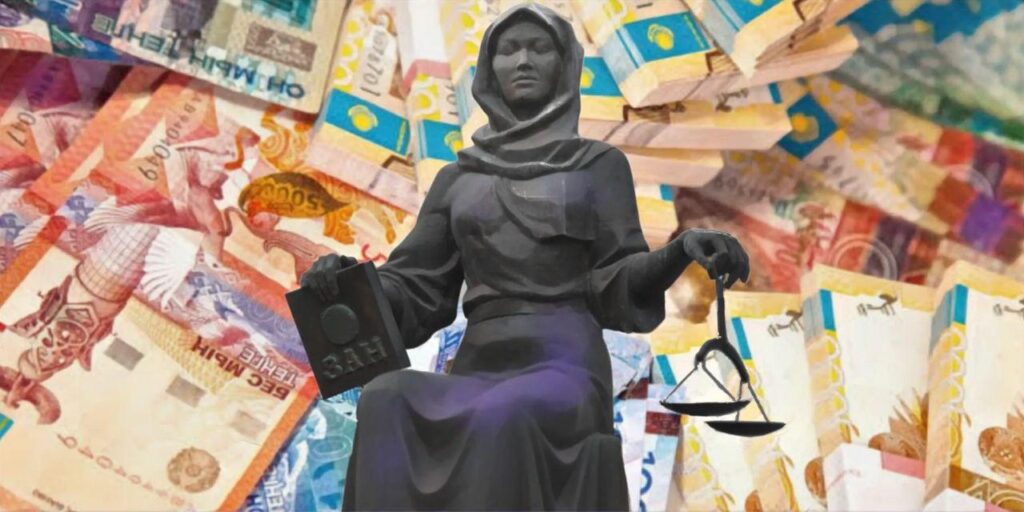
Recent headlines have revived scrutiny of Nazarbayev’s nephew Nurbоl Nazarbayev, the son of his late brother Bolat. Authorities have launched bankruptcy proceedings against him, citing debts of approximately 58 billion tenge ($107 million). His assets and bank accounts have been frozen, and he is subject to travel restrictions.

Under the current law, Nurbоl will be barred from taking out loans for five years, registering as an individual entrepreneur, or conducting major financial transactions without notifying the relevant authorities. His assets may be liquidated to repay creditors, with the exception of his primary residence.

Once listed as Kazakhstan’s 57th richest businessman by Forbes Kazakhstan, he held ownership stakes in Prime Capital Invest and Prime Capital Holding, was a co-owner of PLS Construction Company and PLS-TM, and the majority shareholder of the Almaty Heavy Machinery Plant.

This legal action follows a parliamentary inquiry into a previously sealed court case initiated by the General Prosecutor’s Office. The court ordered the confiscation of assets worth 57 billion tenge ($105.5 million) and imposed a fine of 925 million tenge ($1.7 million), along with penalties totaling 230.4 million tenge ($425,000). Members of parliament, Rinat Zaitov and Ermurat Bapi, have both demanded transparency in the case.

Zaitov called for a comprehensive audit of Nurbоl’s assets, including those linked to the Altyn Orda market and land plots in Almaty and its surrounding areas. Shortly afterward, Bapi echoed the call, referencing a complaint from a Karaganda businessman who claimed his company was seized in a raid involving Nazarbayev’s circle. Bapi criticized law enforcement for closing the case, calling it “a betrayal of the President’s vision of a Fair Kazakhstan.”

Zhomart Ertayev

Zhomart Ertayev, a flamboyant banker once sentenced to 11 years for embezzling 144 billion tenge ($266 million) from Bank RBK, was unexpectedly released earlier this year under an amnesty, according to the Committee of the Penal System. However, a month later, parliament deputy Abzal Kuspan announced that the court’s decision had been overturned, and a formal appeal to the Prosecutor General’s Office led to Ertayev’s re-arrest.

Ertayev previously held refugee status and a Russian residence permit, both of which were revoked after Kazakhstan issued an international warrant for his arrest.

Kairat Boranbayev

Kairat Boranbayev, a prominent businessman and former in-law of the Nazarbayev family, was arrested in 2022 and convicted the following year of large-scale embezzlement and money laundering. Initially sentenced to eight years in prison, he later had his sentence reduced to six years after voluntarily transferring several assets to the state.

In October 2023, Boranbayev was released from prison, with the remainder of his sentence replaced by a restricted-freedom order. Last week, he withdrew a petition for early release during an online hearing, a move likely motivated by caution amid renewed scrutiny of figures tied to the Nazarbayev era.

Marat Beketayev

Former Justice Minister Marat Beketayev, long considered a loyal technocrat within the Nazarbayev administration, has come under scrutiny for alleged misuse of office during his 2016–2022 tenure. In mid-2024, the Anti-Corruption Agency confirmed that he was being investigated over the multi-billion tenge arbitration settlement with Moldovan investors Anatolie and Gabriel Stati — a case that cost Kazakhstan hundreds of millions in foreign courts.

Beketayev’s resignation in early 2022, officially for “personal reasons,” coincided with the January unrest and the first wave of dismissals among Nazarbayev-era officials. Analysts note that his case represents a shift in focus from oligarchs to bureaucrats once shielded by institutional loyalty. In July 2025, the authorities announced that Beketayev had been convicted on fraud and embezzlement charges and sentenced to nine years.

Kairat Satybaldy

Kairat Satybaldy, the powerful nephew of the former president, became one of the most prominent figures targeted in the post-Nazarbayev crackdown. Arrested in March 2022 while attempting to leave the country, he was sentenced to six years in prison for embezzlement and abuse of power tied to Kazakhtelecom and the Transport Service Center. Prosecutors said substantial sums and assets were returned to the state as part of the proceedings.

Satybaldy’s case became emblematic of President Tokayev’s pledge to dismantle elite monopolies. The General Prosecutor’s Office has since opened further inquiries into his affiliated entities, including charitable and religious foundations. Despite his conviction, speculation persists that Satybaldy retains influence through proxies in business and religious circles.

Timur Kulibayev

Timur Kulibayev, the husband of Nazarbayev’s middle daughter, Dinara Kulibayeva, remains one of Kazakhstan’s wealthiest men despite stepping back from public life. Once a dominant figure in the Samruk-Kazyna sovereign wealth fund and former chairman of Atameken, the national business chamber, Kulibayev resigned from most official positions following the January 2022 protests.

Since then, he has kept a low profile while restructuring parts of his holdings in the energy and banking sectors, including interests in Halyk Bank. International investigations have examined his offshore wealth and property portfolio, including findings from the ICIJ’s Caspian Cabals project. While no domestic criminal case has been announced against Kulibayev, his reduced public visibility suggests a pragmatic adaptation to the post-unrest political order.

Navigating Kazakhstan’s Transition

Taken together, the cases of Nazarbayev’s allies reveal a pattern that is both transformative and ambiguous. Some have faced prison sentences and asset seizures, others negotiated reduced penalties through cooperation, while a few remain insulated but cautious, adapting quietly to the new political climate. The government presents these actions as part of a necessary break with monopolies and opaque practices of the past, while critics warn of selective justice and a lack of systemic transparency. What is clear is that Kazakhstan’s leadership is redrawing the country’s political and business map, piece by piece, and that the outcome will define the credibility of “New Kazakhstan” for years to come.