• KGS/USD = 0.01144 0%
  • KZT/USD = 0.00195 -0%
  • TJS/USD = 0.10896 -0%
  • UZS/USD = 0.00008 0%
  • TMT/USD = 0.28571 0.28%
  • KGS/USD = 0.01144 0%
  • KZT/USD = 0.00195 -0%
  • TJS/USD = 0.10896 -0%
  • UZS/USD = 0.00008 0%
  • TMT/USD = 0.28571 0.28%
  • KGS/USD = 0.01144 0%
  • KZT/USD = 0.00195 -0%
  • TJS/USD = 0.10896 -0%
  • UZS/USD = 0.00008 0%
  • TMT/USD = 0.28571 0.28%
  • KGS/USD = 0.01144 0%
  • KZT/USD = 0.00195 -0%
  • TJS/USD = 0.10896 -0%
  • UZS/USD = 0.00008 0%
  • TMT/USD = 0.28571 0.28%
  • KGS/USD = 0.01144 0%
  • KZT/USD = 0.00195 -0%
  • TJS/USD = 0.10896 -0%
  • UZS/USD = 0.00008 0%
  • TMT/USD = 0.28571 0.28%
  • KGS/USD = 0.01144 0%
  • KZT/USD = 0.00195 -0%
  • TJS/USD = 0.10896 -0%
  • UZS/USD = 0.00008 0%
  • TMT/USD = 0.28571 0.28%
  • KGS/USD = 0.01144 0%
  • KZT/USD = 0.00195 -0%
  • TJS/USD = 0.10896 -0%
  • UZS/USD = 0.00008 0%
  • TMT/USD = 0.28571 0.28%
  • KGS/USD = 0.01144 0%
  • KZT/USD = 0.00195 -0%
  • TJS/USD = 0.10896 -0%
  • UZS/USD = 0.00008 0%
  • TMT/USD = 0.28571 0.28%
09 December 2025

EBRD Helps Improve Efficiency of Agricultural Production in Kazakhstan

The European Bank for Reconstruction and Development (EBRD) on December 29th said it is extending a US $10 million loan to Atameken-Agro, one of the largest vertically integrated agricultural holdings in Kazakhstan, thus contributing to greater efficiency of agricultural production in the Central Asian country.

Atameken-Agro will use the funds to support the modernization, energy efficiency and environmental improvements of its agricultural machinery, including tractors, harvester-threshers and sprayers, the EBRD said.

It is also expected that new agricultural machinery, procured with the help of the EBRD loan, will contribute to environmental improvements across Kazakhstan by increasing fuel efficiency and reducing air pollution.

As part of the project, Atameken-Agro will also train workers in more advanced agricultural skills and thus contribute to the development of human capital in the sector.

The loan is complemented with an investment under the Agrifood Nexus Program, funded by the Government of Germany through its International Climate Initiative.

The Agrifood Nexus Program is part of a broader consortium program among the EBRD, the Food and Agricultural Organization of the United Nations (FAO), the Organization for Economic Co-operation and Development (OECD), the United Nations Economic Commission for Europe (UNECE) and the Scientific-Information Center of the Interstate Commission for Water Coordination of Central Asia (SIC ICWC), as well as ministries from participating countries. The consortium will address the challenges posed by the interdependence of energy, water and land use, which are exacerbated by climate change.

Uzbekistan and Turkey Aim to Increase Bilateral Trade to $5 Billion

Over the past five years, trade turnover between Uzbekistan and Turkey has grown 1.5-fold, and the leaders of the two countries have set the task of increasing bilateral trade up to $5 billion. This was stated during an Uzbek–Turkish business forum held in Ankara earlier this week, the Uzbek Ministry of Economy and Finance reported.

The event gathered together around 300 representatives of the business community from both countries and was attended by Vice President of Turkey, Cevdet Yilmaz, President of the Association of Chambers and Commodity Exchanges of Turkey, Rifat Hisarciklioglu, President of the Council for Foreign Economic Relations, Nail Olpak, and Deputy Prime Minister–Minister of Economy and Finance of Uzbekistan, Jamshid Kuchkarov.

Speaking at the forum, Turkish Vice President Yilmaz said that Turkish-Uzbek trade reached $3.5 billion in 2022, and Turkish investments in Uzbekistan amounted to $1.5 billion, Turkish media reported.

At the forum, the Uzbek side, represented by the Ministry of Mining and Geology, the Agency for State Asset Management, the Ministry of Health, and the Chamber of Commerce and Industry, held presentations about opportunities created in Uzbekistan for foreign entrepreneurs, the Uzbek ministry said.

The forum participants agreed that among the promising areas for cooperation between the two countries were pharmaceuticals, the leather and shoe industry, the jewelry industry, and the production of building materials, furniture and glass products. Today, approximately 1,800 enterprises with the participation of Turkish capital are operating in Uzbekistan.

On the same day, the 7th meeting of the Uzbekistan-Turkey Intergovernmental Commission was held in Ankara, co-chaired by Uzbekistan’s Deputy Prime Minister–Minister of Economy and Finance, Jamshid Kuchkarov, and Turkey’s Vice President, Cevdet Yilmaz.

Kazakhstan’s Senate Speaker Highlights Major Laws Passed in 2023

Maulen Ashimbaev, the Speaker of the Senate, emphasized during the final plenary session of the chamber this year that the Parliament had passed a total of 92 laws in 2023, with significant implications for the political, economic, and social spheres of the country.

Ashimbaev stated that 2023 was a year of substantial change and believed it marked a period of genuine political modernization within the framework of constitutional reforms under the President’s leadership.

“This year, constitutional amendments relating to Parliament were implemented. As a result of these constitutional reforms, the role of the chambers of Parliament has been enhanced. The legislative procedure has evolved, with laws being considered using new methodologies,” said the Senate Speaker.

He recollected that at the start of 2023, the Head of State appointed 10 Senate deputies by decree, including five nominees from the ANC for the first time. Regular elections of Senate deputies also took place in the regions, leading to a significant refreshment of the upper house of Parliament.

“In January, the President issued a decree to dissolve the Mazhilis of Parliament; the Senate dutifully performed the functions of Parliament for two months,” Ashimbaev recalled. “In total, Parliament passed 92 laws this year, ensuring the country’s political stability and sustainable socio-economic development.”

The laws included constitutional legislation on judicial system issues, the prosecutor’s office activities, and administrative reform matters. The adoption of the new Social Code was particularly noteworthy. Additionally, several critical laws were enacted, such as those relating to the return of illicitly obtained assets to the state and public control.

“We approved the country’s main financial document last month – the Republican budget for 2024-2026,” concluded Maulen Ashimbaev.

On December 27, 2023, the Mazhilis held its final plenary meeting of the year. Erlan Koshanov, the Speaker of the chamber, also reviewed the deputies’ work over the year.

Investing in the Future: Upgrading Kazakhstan’s Heating and Power Infrastructure

As nations around the globe grapple with the urgency of climate change and the need for sustainable development, one country that stands out is Kazakhstan. With its vast natural resources and strategic location, Kazakhstan has the potential to become a leader in renewable energy and sustainable infrastructure. However, upgrading Kazakhstan’s heating and power infrastructure is a significant undertaking that requires substantial time and financial investment.

The Challenge

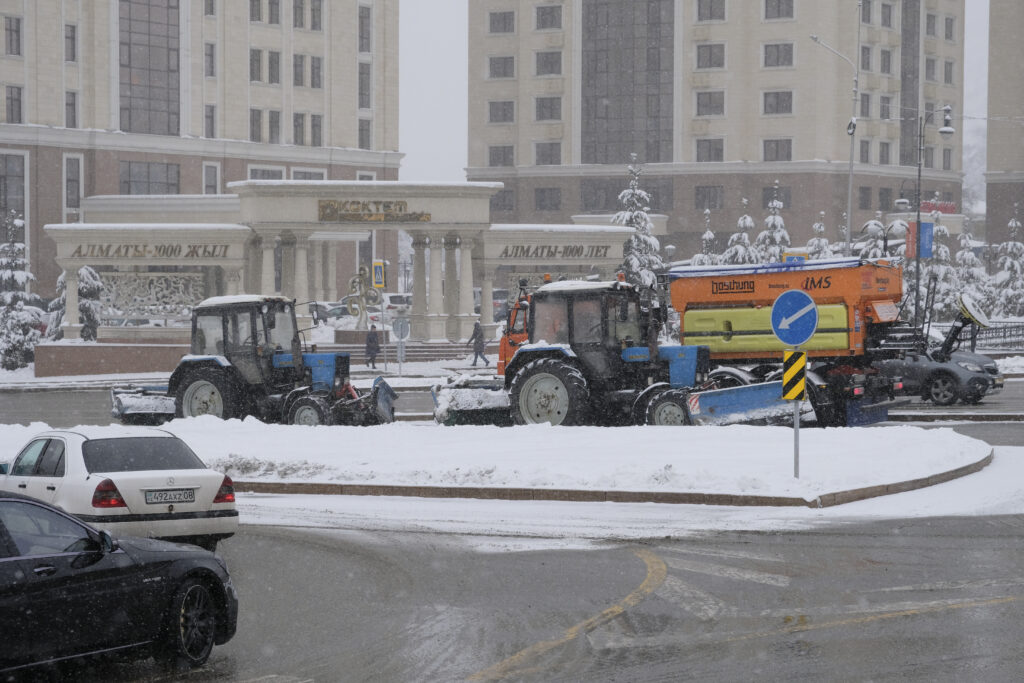
Kazakhstan is no stranger to the harsh realities of tough winters. With temperatures often dropping below -30 degrees Celsius and even reaching lows of -52 degrees Celsius in some northern regions, the capacity and resilience of the country’s heating infrastructure is tested annually.

In a country where winter can last up to six months, maintaining a reliable heating supply isn’t just a matter of comfort—it’s a matter of survival. However, the extreme weather conditions put a considerable strain on Kazakhstan’s heating infrastructure and lead to several challenges.

Many of Kazakhstan’s heating systems, built during the Soviet era, are showing their age and inefficiency, necessitating an expensive overhaul. These outdated systems often break down, leading to extended periods without heat in the coldest months. A striking example was the 2022 incident in Ekibastuz, a city known for its harsh winters, where residents endured nearly three months without heat due to a power plant failure, which subsequently sparked a government-led corruption investigation.

Compounding these issues, Kazakhstan’s heating sector heavily relies on fossil fuels, primarily coal. This reliance not only exacerbates environmental pollution but also leads to energy inefficiency. Due to poor insulation in buildings and obsolete heating systems, much of the produced heat is lost, demanding more energy and resources to maintain warmth in homes and businesses.

The cost of heating is a significant expense for many Kazakh households, particularly those in rural areas where incomes are lower. The government provides subsidies to help offset these costs, but with energy prices rising globally, this is becoming an increasingly heavy burden on the national budget.

The financial aspect of such upgrades is undoubtedly substantial. One source estimates that upgrading transmission and distribution infrastructure alone for all of Central Asia could cost between $25 billion to $49 billion.

Additionally, infrastructure projects of this magnitude can take several years to over a decade to implement. For instance, Denmark began its transition to district heating systems and combined heat and power plants in the 1970s, and is still implementing improvements today. Similarly, Germany started its Energiewende (energy transition) initiative in 2000, with goals set for 2050.

What Steps Have Been Taken?

Efforts are made to upgrade aging systems, improve energy efficiency, and transition to more sustainable sources of energy. In 2023, Kazakhstan significantly upgraded its energy infrastructure, as reported by the Astana Times. The launch of the second Beineu-Zhanaozen gas pipeline and a new distribution pipeline in Mangystau Region improved gas supply, while the completion of the Makat-North Caucasus pipeline met regional demands. The western zone’s energy network was fortified with five new power transmission lines.

Renewable energy saw a boost with the operation of 16 facilities and a 5-year auction schedule. Agreements with foreign investors are set to build three wind power plants, and contracts were signed for the supply of natural uranium with companies from the UAE and China. Also, the government has launched a program to modernize the heat supply system in Astana, the capital city, aiming to reduce heat losses and improve the reliability of the heating supply.

Foreign finance and technology are essential to comprehensive development of the infrastructure. Kazakhstan’s President Kassym-Jomart Tokayev has been active in enhancing the country’s investment appeal. Following civil unrest in early 2022, Tokayev assured foreign investors that Kazakhstan would ensure a stable investment climate and honor its commitments.

By aligning Kazakhstan with Environmental, Social, and Corporate Governance (ESG) credentials, Tokayev has further boosted the country’s investment appeal. At the COP 28 climate summit in Dubai in late 2023, President Tokayev underscored the nation’s commitment to transitioning to a green economy. He pledged to reduce methane emissions, shift to renewable energy sources, and ensure water security and cooperation. His approach was commended by international leaders, including U.S. Special Envoy for Climate, John Kerry.

Kazakhstan is getting a treadmill of support internationally. The Asian Infrastructure Investment Bank (AIIB) has invested $36 million into the country’s wind power sector. SVEVIND Energy Group, a German-Swedish company, has promised a $50 billion investment for producing green hydrogen and it plans to build one of the world’s largest green hydrogen plants to start production by 2030. Several others – including the Climate Investment Funds, USAID, Plenitude (an Eni SpA subsidiary), and the Asian Development Bank with the EBRD – have invested in the country’s solar power industry.

As winter’s chill sets in, the outlook for brighter times may seem bleak. Yet, Kazakhstan is charting a course towards harnessing finance, technology, and trust that promises to benefit its people. With steadfast commitment and international support, the nation is poised to transform its energy landscape, ushering in not just warmer but also greener days ahead.


Charting the Digital Future: Tokayev’s Billion-Dollar Vision

Kazakhstan, a nation rich in natural resources, is charting an ambitious course towards becoming a powerhouse in the Information Technology (IT) sector. The country’s President, Kassym-Jomart Tokayev, has recently announced plans to significantly increase investments in IT services, aiming to reach a staggering $1 billion by 2026. This strategic move underscores Kazakhstan’s commitment to leveraging technology as a key driver of economic growth and forms part of a broader strategy to diversify its economy away from traditional industries like oil and gas.

Investing in Digital Future

In a further push towards digitization and diversification, President Tokayev has announced an investment package worth $20 billion until 2025. This extensive funding is aimed at enhancing the diversification of the economy, with a significant portion allocated towards advancements in the IT sector.

To this end, a National Digital Investment Platform has been launched in Kazakhstan. This joint initiative between Kazakhstan, the Eurasian Development Bank, and National Information Technologies JSC2 aims to bolster the digital infrastructure and create a conducive environment for tech innovation and development.

Collaboration with Global Tech Giants

Recognizing the potential of Kazakhstan as a burgeoning hub for digital innovation, several global tech giants have committed to investing in the country in 2023.

Microsoft is working to position Kazakhstan as a center for digital innovation, while Amazon Web Services has entered into a collaboration to further integrate Kazakhstan’s QazTech platform. These partnerships are expected to bring valuable expertise and technological resources to Kazakhstan’s IT sector.

Furthermore, Elon Musk’s SpaceX company and its satellite-based internet service, Starlink, have undertaken significant investments in Kazakhstan. With total project investments estimated at around $10 billion, this collaboration represents a significant boost to Kazakhstan’s burgeoning IT sector.

General Electric, a multinational conglomerate, is also playing a role in Kazakhstan’s digital transformation, with plans to localize the production of medical equipment in the country.

Encouraging Domestic Investments

In addition to attracting foreign investments, President Tokayev has called for Kazakh elites to invest domestically, arguing that such investment serves national interests.

Kazakhstan’s active role within the United Nations General Assembly has been highlighted by President Tokayev. USAID Administrator Samantha Power announced additional investments in Central Asia at the C5+1 Regional Connectivity Ministerial held in Uzbekistan. While not explicitly stated, some of these investments might be directed towards IT-related projects in Kazakhstan.

All these initiatives underscore Kazakhstan’s ambitious vision for its IT sector, demonstrating the country’s commitment to leveraging technology as a key driver of economic growth. As Kazakhstan continues to attract both domestic and international investments, it is set to emerge as a significant player in the global IT landscape.

Kazakhstan Aligns with UN Practice, Lifts Ban on Taliban

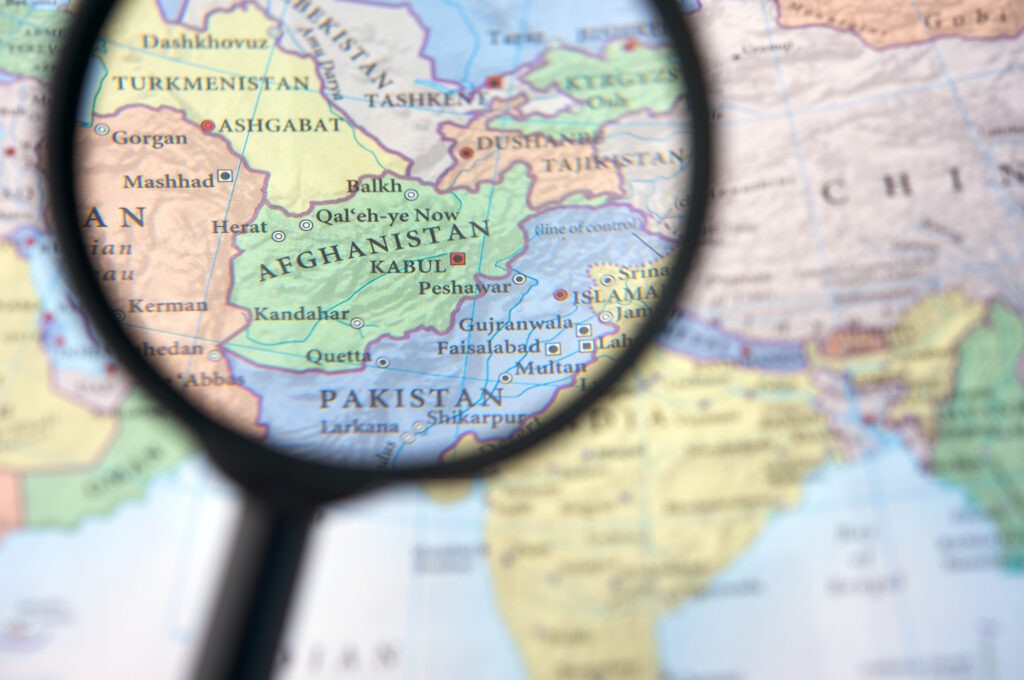
Kazakhstan, located 1,566 km from the Afghanistan border, has announced the removal of the Taliban from its list of proscribed organizations. Aibek Smadiyarov, Spokesperson for the Kazakh Foreign Ministry, declared this policy shift, signifying a significant change in Kazakhstan’s approach towards the Taliban.

Smadiyarov stated that this decision aligns with Kazakhstan’s regular update of its national list of terrorist organizations, ensuring consistency with international standards and practices. The United Nations (UN) does not include the Taliban in the list of organizations recognized as terrorist by the UN Security Council. “These resolutions are binding, and we adhere to them,” affirmed Smadiyarov, underscoring Kazakhstan’s commitment to follow international norms set by the UN.

Originating in 1986-1987, the Taliban – a group labeled as a terrorist organization by numerous countries worldwide – ruled Afghanistan from 1996 to 2001 and returned to power in 2021 following the withdrawal of U.S. troops. The group is now striving to establish diplomatic relationships with various countries, including Kazakhstan.

European countries have varied responses towards the Taliban. While no European nation has officially recognized the Taliban government, some degree of interaction has been initiated due to humanitarian and regional security concerns. For instance, the European Union has engaged in dialogue with the Taliban to address immediate humanitarian issues and evacuation efforts. Similarly, countries like Germany and Norway have been part of diplomatic negotiations with the Taliban, each guided by their respective foreign policies and national security considerations.

The United States has also begun engaging with the Taliban albeit in a complex manner. Despite the Doha Agreement leading to the withdrawal of U.S. forces from Afghanistan and outlining commitments from both parties, it did not equate to formal recognition of the Taliban government. The U.S.’s approach, termed ‘pragmatic engagement’, emphasizes that Afghanistan’s future hinges on mutual engagement between the Taliban and the international community.

However, there remains global apprehension about the Taliban’s policies, particularly concerning women’s rights and education. The Taliban has been widely criticized for its harsh treatment of women and girls, including banning girls from receiving secondary education. Many international entities continue to condemn the Taliban’s actions and demand an end to human rights abuses.

Kazakhstan, being a secular nation, is naturally concerned about the oppressive ideology of the Taliban, especially its potential ramifications on women. The recent decision to remove the Taliban from its list of banned organizations highlights the complex geopolitical challenges Kazakhstan faces. It also demonstrates Kazakhstan’s commitment to aligning with the United Nations charter and the positions of its respective organs.