• KGS/USD = 0.01144 0%
  • KZT/USD = 0.00194 -0%
  • TJS/USD = 0.10896 -0%
  • UZS/USD = 0.00008 0%
  • TMT/USD = 0.28571 0.28%
  • KGS/USD = 0.01144 0%
  • KZT/USD = 0.00194 -0%
  • TJS/USD = 0.10896 -0%
  • UZS/USD = 0.00008 0%
  • TMT/USD = 0.28571 0.28%
  • KGS/USD = 0.01144 0%
  • KZT/USD = 0.00194 -0%
  • TJS/USD = 0.10896 -0%
  • UZS/USD = 0.00008 0%
  • TMT/USD = 0.28571 0.28%
  • KGS/USD = 0.01144 0%
  • KZT/USD = 0.00194 -0%
  • TJS/USD = 0.10896 -0%
  • UZS/USD = 0.00008 0%
  • TMT/USD = 0.28571 0.28%
  • KGS/USD = 0.01144 0%
  • KZT/USD = 0.00194 -0%
  • TJS/USD = 0.10896 -0%
  • UZS/USD = 0.00008 0%
  • TMT/USD = 0.28571 0.28%
  • KGS/USD = 0.01144 0%
  • KZT/USD = 0.00194 -0%
  • TJS/USD = 0.10896 -0%
  • UZS/USD = 0.00008 0%
  • TMT/USD = 0.28571 0.28%
  • KGS/USD = 0.01144 0%
  • KZT/USD = 0.00194 -0%
  • TJS/USD = 0.10896 -0%
  • UZS/USD = 0.00008 0%
  • TMT/USD = 0.28571 0.28%
  • KGS/USD = 0.01144 0%
  • KZT/USD = 0.00194 -0%
  • TJS/USD = 0.10896 -0%
  • UZS/USD = 0.00008 0%
  • TMT/USD = 0.28571 0.28%
09 December 2025

Chinese Company to Produce, Install Charging Stations for Electric Vehicles in Uzbekistan

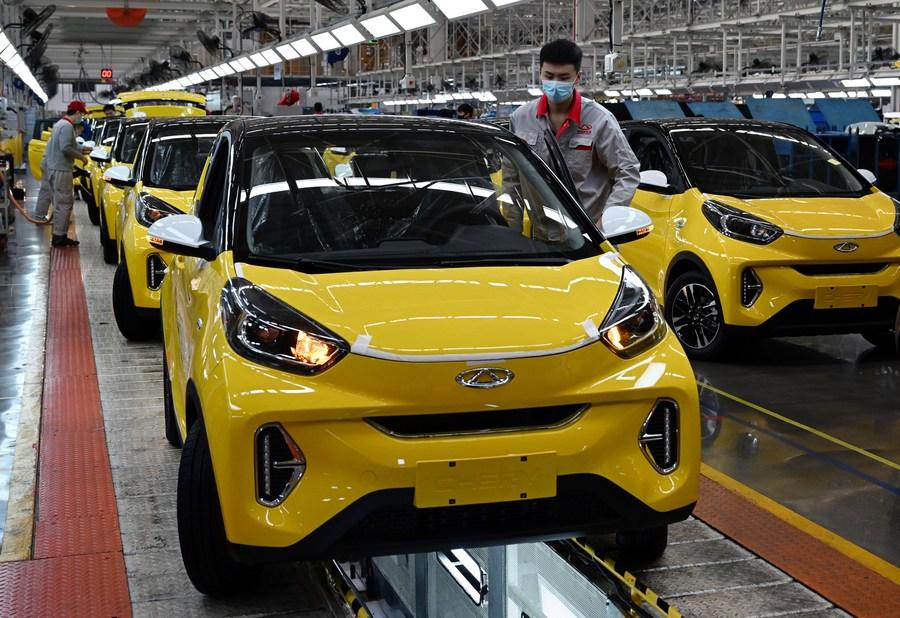
Uzbekistan and China will jointly produce charging stations for electric vehicles, said the Uzbek Ministry of Energy. During its visit to China last week, a delegation of the Uzbek Research Institute of Renewable Energy Sources and the Henan Suda company discussed the implementation of a project for the production of electric charging stations and the exchange of the necessary technologies. As a result, they signed an agreement on cooperation in the field of infrastructure for electric transport.

Henan Suda is a Chinese electric vehicle manufacturer based in the Henan Province.

According to the agreement, by 2033 it is planned to install more than 70 centralized and 50,000 non-centralized charging stations throughout Uzbekistan. They will provide energy to over 700,000 electric vehicles.

According to a presidential decree issued a year ago, Uzbekistan plans to install 2,500 charging stations for electric vehicles across the country by the end of 2024. Their presence will become mandatory for all new gas stations, business centers, hotels, shopping and entertainment centers.

Kazakhstan and Saudi Arabia on Path to Strategic Partnership

Kazakhstan and Saudi Arabia on Path to Strategic Partnership

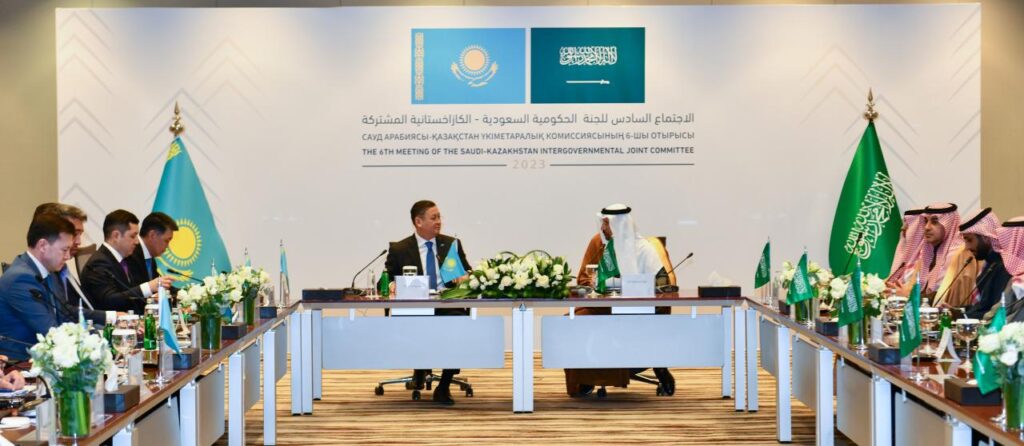
On December 20th, the sixth meeting of the Kazakh-Saudi Intergovernmental Commission on Trade, Economic, Scientific, Technical and Cultural Cooperation (IGC) was held in Riyadh. The co-chairs of the Commission are Deputy Prime Minister-Minister of Foreign Affairs of Kazakhstan, Murat Nurtleu, and Saudi Minister of Investment, Khalid bin Abdulaziz Al-Falih. As part of the IGC meeting, a Kazakh-Saudi investment round table was organized with the participation of over a hundred business representatives from the two countries.

Opening the event, Foreign Minister Nurtleu noted the strategic importance of intensifying cooperation between the public and private sectors of the two countries. The minister drew attention to the enormous potential of the Saudi market for strengthening trade and economic relations, as well as the unlimited prospects for expanding investment partnerships. Nurtleu stated that both countries have significant opportunities to further deepen contacts in such sectors as green energy, food security, transport and logistics, mining, petrochemicals, agriculture, finance, and tourism.

Saudi co-chairman of the IGC, Khalid Al-Falih drew attention to the interest of the Kingdom’s leadership in strengthening a diverse array of ties with Kazakhstan, which is considered the leader of the Central Asian region. “Kazakhstan is the largest country with a vast territory, rich natural resources and human capital. It is extremely important for us today to bring relations with your country to the most serious level, which involves a confidential political dialogue, mutually beneficial trade and economic ties, as well as large-scale investments in your economy,” said the Saudi minister.

The event also featured speeches from the heads of over thirty large companies in the Kingdom, including such giants as Saudi Aramco and ACWA Power. The latter is already starting to implement renewable energy projects in Kazakhstan.

The parties agreed to open a joint innovation hub early next year, which will allow startup projects in Kazakhstan to gain access to the markets of the Middle East and North Africa, and will help promote the brand of Kazakhstan as an IT country.

Turkmenistan and EU Discuss Energy, Transport and Environmental Issues

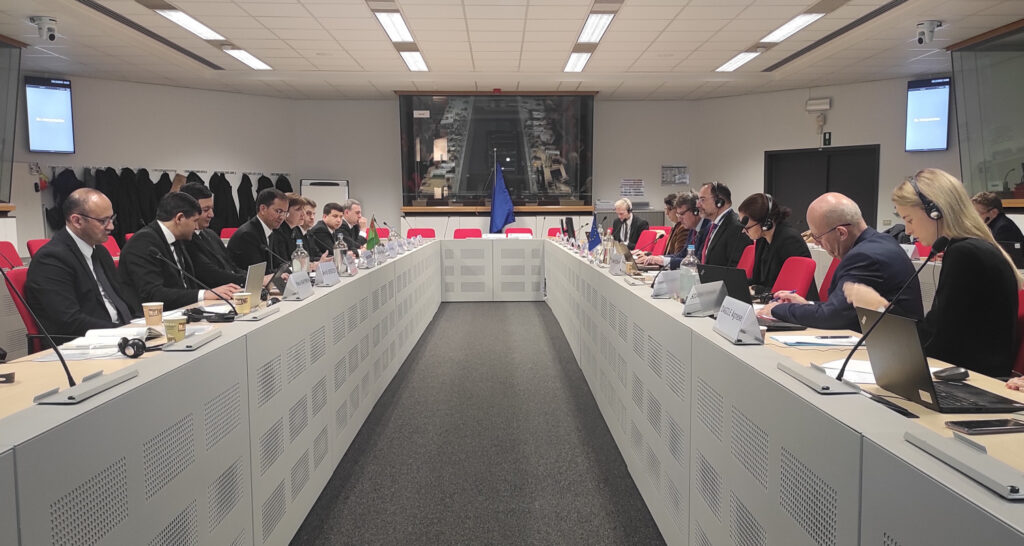
On December 19th, Brussels hosted the 22nd joint committee meeting between Turkmenistan and the European Union. The Turkmenistan delegation, led by the minister of finance and economy, included a deputy minister of education, along with representatives from State Concerns such as Turkmengas and Turkmenhowayollary (Turkmenistan Airlines).

The EU delegation was represented by the deputy managing director for Eastern Europe and Central Asia of the European External Action Service (EEAS) and delegates from various European Commission directorates overseeing international partnerships, trade, energy, transport, climate change, environment, research, and innovation.

Discussions revolved around Turkmenistan’s macroeconomic status and its efforts toward global economic integration, notably focusing on its ambition for World Trade Organization (WTO) membership.

The agenda encompassed energy and environmental concerns, including strategies for gas exports, initiatives targeting methane emission reduction, and the advancement of renewable energy sources, such as hydrogen.

Both parties engaged in dialogue concerning collaboration in transport, education, youth policy, as well as research and innovation.

Iran Cancels Visa Requirement for Citizens of Kyrgyzstan, Tajikistan, Uzbekistan

Iran has lifted visa requirements for visitors from 33 countries, including Kyrgyzstan, Tajikistan, Uzbekistan, and Russia, in an attempt to attract visitors from across the globe and boost its sanctions-hit economy, Iranian news agencies report.

Iranian Minister of Cultural Heritage, Tourism, and Handicrafts, Ezzatollah Zarghami, said the cancellation of the visa requirements was approved in a government meeting last week. “The government intends to open the country’s doors to the world,” Zarghami told reporters after a cabinet meeting on December 13th.

According to the Ministry of Tourism of Iran, the number of foreign visitors in Iran reached 4.4 million during the first eight months of the current Iranian year, which ends in March 2024, representing a 50%increase compared to the same period last year.

The ministry expects six million foreign tourists to visit the country by the end of the year.

Kazakhstan’s Investment Opportunities Presented in Indonesia

Kazakhstan’s Investment Opportunities Presented in Indonesia

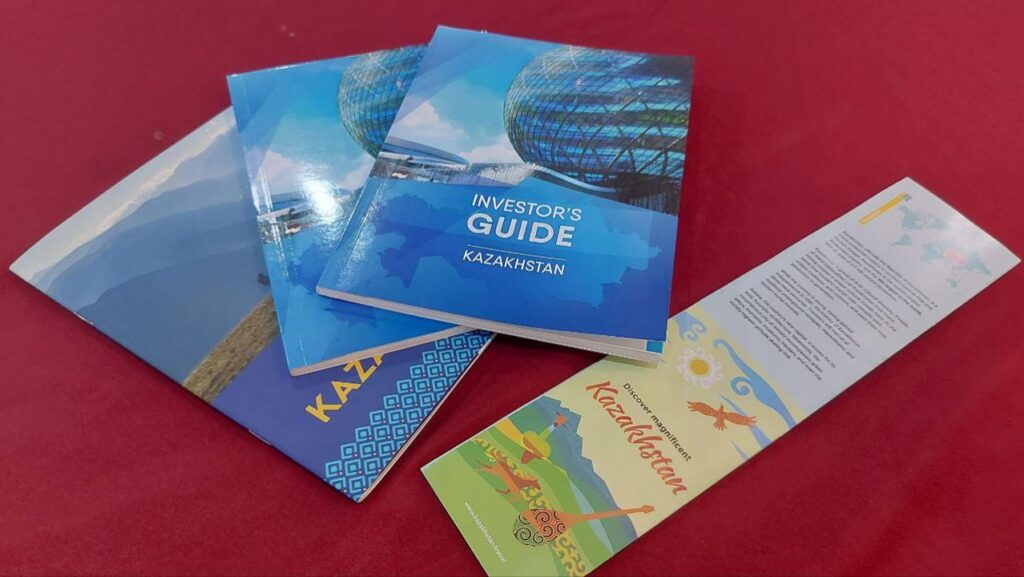
An event was held at the Chamber of Commerce and Industry of East Java (Surabaya) on December 18th dedicated to presenting Kazakhstan’s attractive investment climate and its transport and logistics strategy. Officials from government bodies and business circles of Indonesia’s largest industrial region participated, representing sectors such as oil and gas, mining, chemicals, healthcare, wood processing, textiles, and agriculture.

The Ambassador of Kazakhstan, Serzhan Abdykarimov, provided detailed insights into the successful socio-economic development of Kazakhstan. He spoke about the government’s efforts to attract foreign direct investment, legislative support for investors, the activities of the Foreign Investors Council, the Kazakh Invest national company, and the involvement of major international corporations in Kazakhstan. He also focused on the expansion of the country’s transport and logistics potential.

The Ambassador stressed the effectiveness of Kazakhstan’s investment climate, including various tax incentives, preferences, and accompanying infrastructure provided by the state.

A separate presentation on the transit and transport strategy of Kazakhstan was made during the meeting. This included information on the activities of 13 international corridors, sea and dry ports, railway and road networks that Indonesian entrepreneurs can utilize for trade with Kazakhstan, as well as for shipments and transit of goods between Asia and Europe.

Acknowledging significant progress in the 30 years of bilateral relations between Astana and Jakarta, the Ambassador highlighted the substantial growth in bilateral trade, tourism, business contacts, and human interactions. He called on business circles in East Java to actively engage in investment and trade and economic cooperation with Kazakhstan, encouraging participation in the establishment of a Kazakhstan-Indonesia Business Council.

Adik Putranto, Chairman of the Chamber of Commerce and Industry of East Java, praised the business climate in Kazakhstan. He relayed the region’s significant interest in expanding industrial and economic partnerships with Kazakhstan, considering the presence of Indonesia’s second-largest international seaport in Surabaya. In his words, Kazakhstan can serve as a transport and logistics hub and a financial center for Indonesia in Central Asia, making it highly attractive for the business community of Indonesia’s largest industrial region.

Import of Chinese Cars to Kyrgyzstan Surges, with Russia as Final Destination

A total of 57,000 cars were imported into Kyrgyzstan from China from January-November 2023, according to China’s customs statistics, more than a 49-fold increase compared to the 1,200 vehicles imported from January-November 2022. In monetary terms, imports increased 62-fold, and the average car price increased by over 25% – up to $29,700.

In November, the official website of the State Council of the People’s Republic of China reported that exports of cars through the land port in the Kizilsu Kyrgyz Autonomous Prefecture in western Xinjiang (bordering Kyrgyzstan) has surged about fourfold this year to reach 35,000. According to the port management committee, nearly 80% of those cars were new energy vehicles.

Chinese vehicles are mainly exported to Russia via Central Asian countries, Chinese officials say. Since the introduction of Western sanctions against Russia over its invasion of Ukraine, China has become the main supplier of new cars to the Russian Federation, accounting for about 80% of all imports.