
• KGS/USD = 0.01143 -0%
  • KZT/USD = 0.00198 -0%
  • TJS/USD = 0.10899 0.65%
  • UZS/USD = 0.00008 -0%
  • TMT/USD = 0.28490 -0.28%
  • KGS/USD = 0.01143 -0%
  • KZT/USD = 0.00198 -0%
  • TJS/USD = 0.10899 0.65%
  • UZS/USD = 0.00008 -0%
  • TMT/USD = 0.28490 -0.28%
  • KGS/USD = 0.01143 -0%
  • KZT/USD = 0.00198 -0%
  • TJS/USD = 0.10899 0.65%
  • UZS/USD = 0.00008 -0%
  • TMT/USD = 0.28490 -0.28%
  • KGS/USD = 0.01143 -0%
  • KZT/USD = 0.00198 -0%
  • TJS/USD = 0.10899 0.65%
  • UZS/USD = 0.00008 -0%
  • TMT/USD = 0.28490 -0.28%
  • KGS/USD = 0.01143 -0%
  • KZT/USD = 0.00198 -0%
  • TJS/USD = 0.10899 0.65%
  • UZS/USD = 0.00008 -0%
  • TMT/USD = 0.28490 -0.28%
  • KGS/USD = 0.01143 -0%
  • KZT/USD = 0.00198 -0%
  • TJS/USD = 0.10899 0.65%
  • UZS/USD = 0.00008 -0%
  • TMT/USD = 0.28490 -0.28%
  • KGS/USD = 0.01143 -0%
  • KZT/USD = 0.00198 -0%
  • TJS/USD = 0.10899 0.65%
  • UZS/USD = 0.00008 -0%
  • TMT/USD = 0.28490 -0.28%
  • KGS/USD = 0.01143 -0%
  • KZT/USD = 0.00198 -0%
  • TJS/USD = 0.10899 0.65%
  • UZS/USD = 0.00008 -0%
  • TMT/USD = 0.28490 -0.28%
07 December 2025

Viewing results 1 - 6 of 5

Afghanistan Restores Power Imports from Uzbekistan and Tajikistan After Earthquake

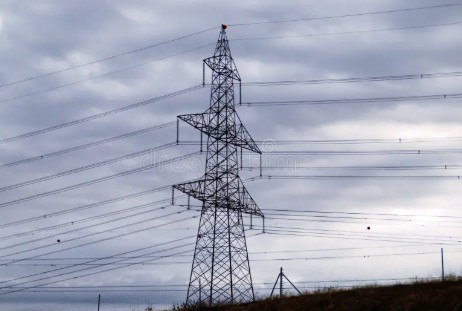
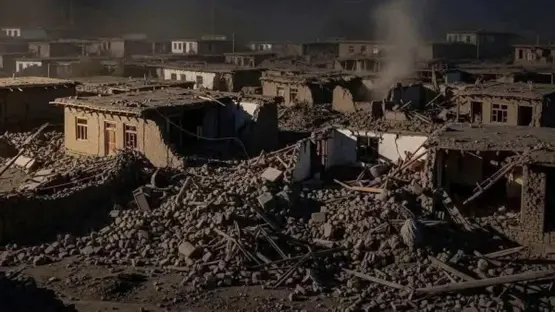
A powerful earthquake that struck northern Afghanistan on November 2 caused significant destruction and disrupted electricity imports from neighboring Uzbekistan and Tajikistan, according to Da Afghanistan Breshna Sherkat (DABS), the country’s national power company. The earthquake damaged two major transmission lines, Nayibabad to Samangan and Kholm to Pul-e-Khumri, severing power supplies from Uzbekistan to several provinces, including Kabul, Baghlan, Parwan, Panjshir, Kapisa, Logar, Paktia, Ghazni, and Maidan Wardak. Electricity imported from Tajikistan to Kunduz was also interrupted, leaving large swathes of northern Afghanistan without power. Technical teams were immediately deployed to assess the damage and begin restoration work. The U.S. Geological Survey reported that the 6.3-magnitude quake struck at a depth of 28 kilometers near Mazar-i-Sharif. Tremors were felt across multiple provinces, including Samangan, Balkh, and the capital, Kabul. The cities of Aybak, Mazar-i-Sharif, Maymana, Takhar, Kunduz, and Sar-e-Pul experienced the strongest shocks. According to CNN, at least 27 people were killed and more than 950 injured, citing Dr. Sharafat Zaman Amar, spokesperson for Afghanistan’s Ministry of Public Health. The quake also damaged one of the country’s historic mosques in the north. DABS confirmed that electricity imports have now been fully restored, including the damaged 220-kilovolt transmission line from Tajikistan. On November 3, the company’s spokesperson told TOLONews that imports from both Uzbekistan and Tajikistan had been interrupted due to the earthquake. DABS representative Mohammad Sadiq Haqparast said, “Our technical teams are working diligently to restore both transmission lines as quickly as possible.” Following the disruption, Kabul residents urged the government to accelerate repairs, emphasizing that stable and reliable access to electricity remains a critical concern, particularly in the capital. Afghanistan is heavily reliant on imported electricity, receiving over 720 megawatts from Uzbekistan, Tajikistan, Turkmenistan, and Iran. These imports cost the country between $250 million and $280 million annually. Separately, on the sidelines of the International Conference and Exhibition on Energy, Construction Affairs, Industry and Development of Chemicals of Turkmenistan-2025, DABS General Director Dr. Abdul Bari Omar met with Turkmen Deputy Cabinet Minister Batur Amanov. Their discussions focused on key regional energy projects, including the 500 kV transmission line, the TAPI gas pipeline, and the electrification of Bala Murghab district. The meeting underscored the importance of regional cooperation in bolstering Afghanistan’s energy infrastructure.
Tajikistan Sends Large Convoy with Quake Aid to Afghanistan

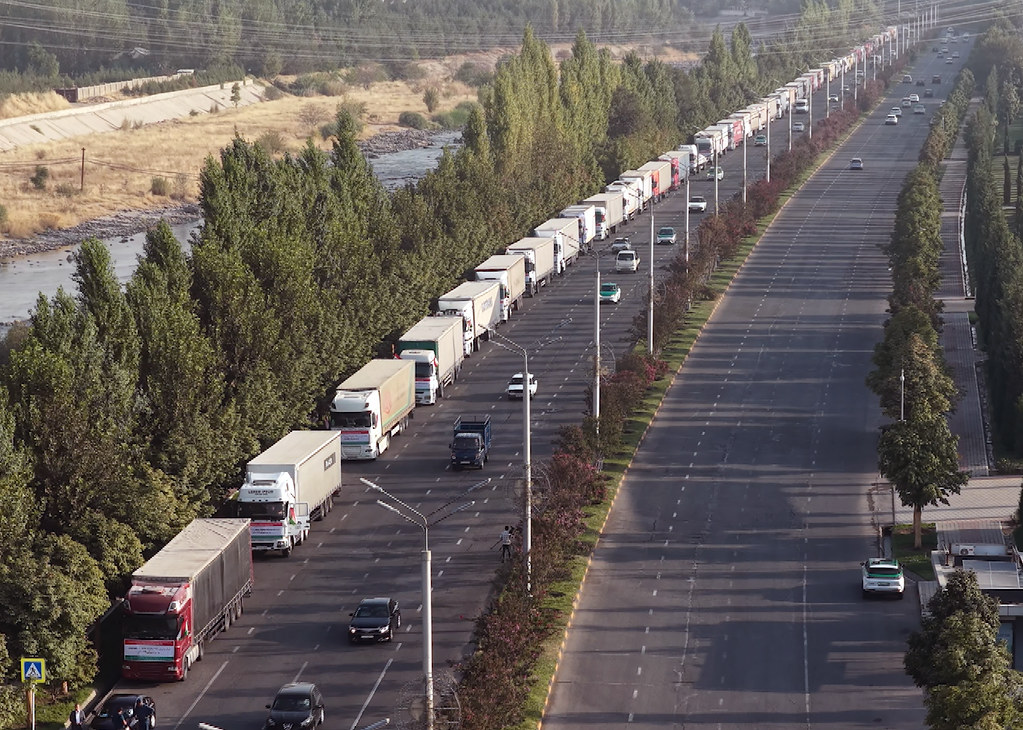
Tajikistan has said it has sent more than 3,000 tons of humanitarian aid to Afghanistan, one of the biggest dispatches of supplies from another country since a devastating earthquake in eastern Afghan provinces on August 31. Photographs released by the office of President Emomali Rahmon show a long line of trucks on a highway, apparently headed to the border with Afghanistan on Monday. The delivery came as the United States and other countries congratulated Tajikistan ahead of the 34th anniversary of its Sept. 9, 1991 independence from the collapsing Soviet Union. “The aid loaded on a caravan of trucks consists of 24 types of necessary products and materials, including flour, oil, sugar, rice, bedding, clothing and footwear for children, adolescents and adults, tents, building materials, reinforcement, boards, slate, cement, and other goods and products,” Tajikistan’s presidential office said. It said the aid exemplified Tajikistan’s “humane and good-neighborly policy.” Tajikistan retains security concerns about its border with Afghanistan. Tajik border guards and fighters with Afghanistan’s Taliban government exchanged fire in an area along the border on August 24, though the two sides later met to reduce tensions. Tajikistan’s aid convoy traveled to Afghanistan two days after Uzbekistan handed over 256 tons of aid in the Afghan border city of Hairatan. Afghanistan’s Ministry of Foreign Affairs has also thanked Turkmenistan, Kazakhstan, and Kyrgyzstan for assistance following the quake, which killed at least 2,200 people. It expressed gratitude in a post on X that listed dozens of countries that have sent help. Central Asian countries in particular have been building ties with Afghanistan as they seek to expand trade routes. The quake destroyed thousands of homes, and humanitarian workers are still struggling to reach affected communities in remote, mountainous areas. Shannon O’Hara, a senior United Nations aid coordination official in Afghanistan, said on Monday that emergency responders are prioritizing aid to women, children, and people with disabilities. “In Afghanistan, in recent years, women and girls have been pushed to the very margins of society and survival,” O’Hara said, according to a U.N. statement. “We know from previous earthquakes and other crises that women and girls always bear the heaviest burden.”

In Aftermath of Afghanistan Earthquake, Uzbekistan Delivers 256 Tons of Aid

As United Nations officials warn of shrinking resources for humanitarian work, Uzbekistan has handed over 256 tons of medicine and food to Afghanistan to help survivors of an August 31 earthquake that killed at least 2,200 people.  The aid was organized in the Uzbek city of Termez and delivered in a convoy of 14 trucks to Hairatan, a city in Balkh province in Afghanistan that lies just across the border from Termez, Uzbekistan’s Ministry of Foreign Affairs said. A ceremony was held in Hairatan on Saturday to mark the handover.    “This assistance was directed in response to the devastating earthquake that shook the eastern provinces — primarily Kunar and Nangarhar, as well as certain areas of Laghman, Nuristan, and Panjshir,” the Uzbek ministry said.  It said that officials from Afghanistan and Uzbekistan “agreed on mechanisms to ensure the targeted delivery and fair distribution of humanitarian assistance.” Some international donors have previously expressed concern that Afghanistan’s Taliban government diverts aid for its own purposes rather than delivering it to those most in need.  Turkmenistan said it sent humanitarian aid to Afghanistan from Ashgabat International Airport on Friday. Turkmenistan’s Ministry of Foreign Affairs said in a statement that food, clothing and other essential goods were sent “primarily to children and residents affected by the natural disaster,” though it didn’t say how much assistance was provided.  Other countries have also provided aid or made pledges to do so. The Iranian Red Crescent Society has sent several shipments, each containing dozens of tons of humanitarian assistance, to Afghanistan. China has said it will provide about $7 million in aid. The European Union has said it approved 1 million euros in humanitarian emergency funding and was also donating 130 tons of relief supplies to Afghanistan. But Tom Fletcher, the U.N.’s relief chief, said that the relief supplies provided so far and critical initial funding isn’t enough to deal with the quake’s massive destruction and displacement of large numbers of people.  “Failing to rally resources now will mean deeper suffering and more lives lost, with winter fast approaching,” Fletcher said on Friday.  The Taliban government has imposed rules making it difficult for female aid workers to help with quake relief efforts, according to the Human Rights Watch group. However, Dr. Abdul Mateen Sahak, a local leader of the U.N. World Health Organization in Afghanistan, said women as well as men were involved in rescuing people in the first few days after the earthquake, indicating that the disaster “briefly broke down barriers,” according to a U.N. account.  Sahak said he did not see female patients being denied care. But he said a big problem is the exodus from the country of female specialist doctors and other professional women since the Taliban took power again in 2021, making it hard to find staff to help with such disasters.
