• KGS/USD = 0.01143 -0%
  • KZT/USD = 0.00198 -0%
  • TJS/USD = 0.10899 0.93%
  • UZS/USD = 0.00008 0%
  • TMT/USD = 0.28490 -0.28%
  • KGS/USD = 0.01143 -0%
  • KZT/USD = 0.00198 -0%
  • TJS/USD = 0.10899 0.93%
  • UZS/USD = 0.00008 0%
  • TMT/USD = 0.28490 -0.28%
  • KGS/USD = 0.01143 -0%
  • KZT/USD = 0.00198 -0%
  • TJS/USD = 0.10899 0.93%
  • UZS/USD = 0.00008 0%
  • TMT/USD = 0.28490 -0.28%
  • KGS/USD = 0.01143 -0%
  • KZT/USD = 0.00198 -0%
  • TJS/USD = 0.10899 0.93%
  • UZS/USD = 0.00008 0%
  • TMT/USD = 0.28490 -0.28%
  • KGS/USD = 0.01143 -0%
  • KZT/USD = 0.00198 -0%
  • TJS/USD = 0.10899 0.93%
  • UZS/USD = 0.00008 0%
  • TMT/USD = 0.28490 -0.28%
  • KGS/USD = 0.01143 -0%
  • KZT/USD = 0.00198 -0%
  • TJS/USD = 0.10899 0.93%
  • UZS/USD = 0.00008 0%
  • TMT/USD = 0.28490 -0.28%
  • KGS/USD = 0.01143 -0%
  • KZT/USD = 0.00198 -0%
  • TJS/USD = 0.10899 0.93%
  • UZS/USD = 0.00008 0%
  • TMT/USD = 0.28490 -0.28%
  • KGS/USD = 0.01143 -0%
  • KZT/USD = 0.00198 -0%
  • TJS/USD = 0.10899 0.93%
  • UZS/USD = 0.00008 0%
  • TMT/USD = 0.28490 -0.28%
07 December 2025

Viewing results 1 - 6 of 130

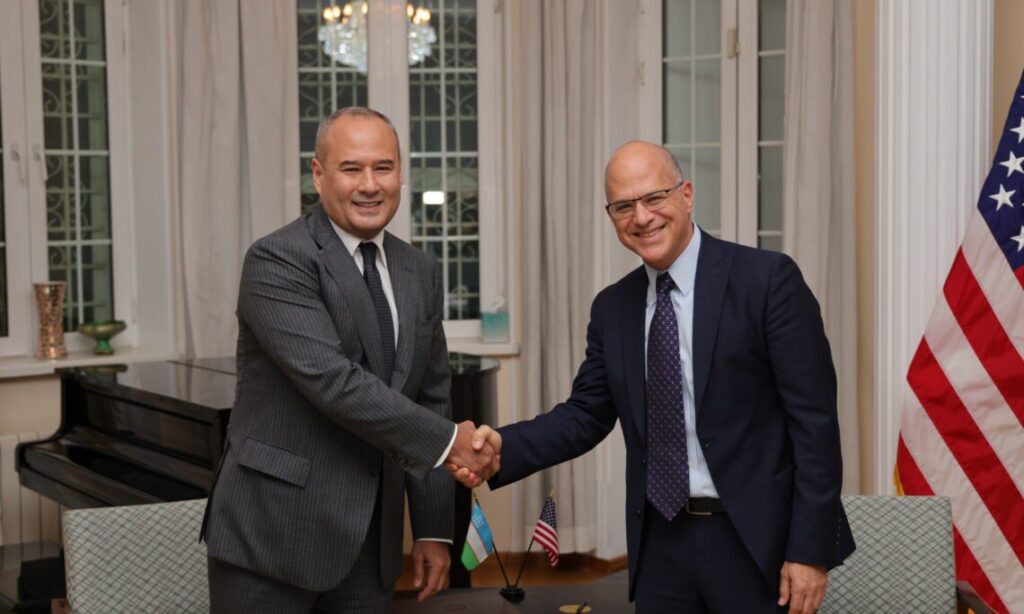
Uzbekistan and U.S. to Strengthen Cooperation on Critical Minerals

On September 16, the U.S. Ambassador to Uzbekistan, Jonathan Henick, and Uzbekistan’s First Deputy Minister of Geology, Omonullo Nasritdinkhodjaev, signed a Memorandum of Understanding to strengthen cooperation on critical minerals. As reported by the U.S. Embassy in Uzbekistan, the signing took place ahead of the Uzbek government’s participation in MINExpo INTERNATIONAL, the mining industry’s largest global event, which will take place from September 24 to 26 in Las Vegas. At the C5+1 summit in New York in September 2023, U.S. President Joe Biden, Uzbek President Shavkat Mirziyoyev, and the leaders of Kazakhstan, Kyrgyzstan, Tajikistan, and Turkmenistan announced their intention to launch a Critical Minerals Dialogue. The Uzbek-U.S. Memorandum signifies the intention of the United States and Uzbekistan to advance this effort, strengthen economic cooperation, and catalyze investment that advances the clean energy transition while protecting Central Asia’s unique ecosystems. As critical minerals and rare earth elements are essential for clean energy and other technologies, and play an increasingly important role in the economies of both countries, the Embassy said that the United States is actively working to encourage private sector investment in Uzbekistan’s mining sector. It added that the memorandum further reflects both nations’ shared goal of ensuring high environmental, labor, and governance standards in the global mining sector. Ambassador Henick commented: “The United States and Uzbekistan must cooperate to have resilient, secure supply chains supporting the future energy landscape. This memorandum demonstrates our commitment to diversifying global mineral supply chains and expanding our bilateral trade relationship. We are delighted to mark another milestone in our expanding Strategic Partnership with Uzbekistan.” In April 2024, Uzbekistan and the European Union signed a Memorandum of Understanding launching a strategic partnership on critical raw materials (CRMs). Uzbekistan has the second-largest reserves of CRMs in Central Asia (after Kazakhstan), with significant deposits of copper, molybdenum, and gold. The country's mining strategy aligns with its ambitions to increase CRM processing of CRMs for domestic and international industries, particularly in automotive and consumer electronics.
Economy Minister: 70% of Tajikistan’s Trade is With SCO Countries

The Pakistani capital of Islamabad has hosted the 23rd meeting of the Ministers of the Shanghai Cooperation Organization (SCO) Member States responsible for Foreign Economic and Trade Activities. The Minister of Economic Development and Trade of Tajikistan, Zavqi Zavqizoda, who participated in the meeting, said that the country considers the development of relations within the SCO as one of its foreign policy priorities. “Foreign trade turnover between Tajikistan and the SCO countries demonstrates steady growth, and every year, more than 70% of the republic’s foreign trade is with SCO countries,” Zavqizoda said. He recalled that the SCO accounts for almost half of the world’s population and 27% of global GDP, making the region a massive market with great opportunities. Zavqizoda noted that Tajikistan initiated the economic development strategy for the next five years with the SCO, which was developed and adopted by the organization's member states. He proposed to the participants a plan related to developing and implementing large infrastructure projects and expanding cooperation in digital and green economy, green energy, and e-commerce. It was also noted that wide use of transit opportunities of Tajikistan is envisaged. The Times of Central Asia has reported that Tajikistan seeks to become a central international transit hub. In the next two years, 317 kilometers of international highways will be commissioned in Tajikistan. In the remaining months of 2024, Tajikistan will continue implementing projects for highway reconstruction, with the construction of 32 bridges, five tunnels with a length of 11.2 km, and seven avalanche corridors aiming to turn the country into an international transit route.

Tokayev: Russia is “Militarily Invincible”

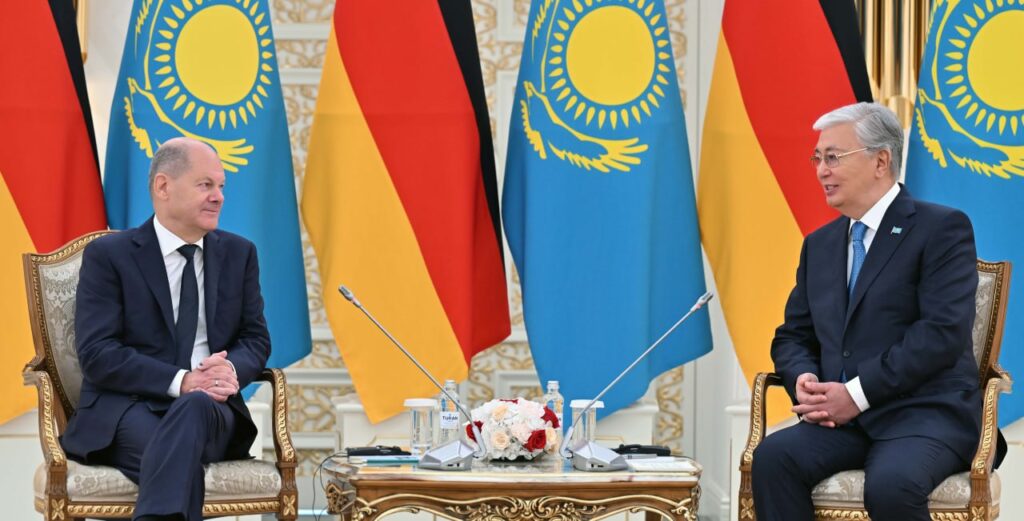
During a meeting in Astana with German Chancellor Olaf Scholz, Kazakhstan's President Kassym-Jomart Tokayev spoke about resolving the Russian-Ukrainian war. According to Tokayev, further escalation of the war will only lead to irreparable consequences for all mankind and, above all, for all countries directly involved in the war. Tokayev said: “The fact is that Russia is militarily invincible. Unfortunately, a good chance to achieve at least a truce was lost with the refusal to conclude the Istanbul Agreement. But the opportunity for peace still exists. We need to carefully consider all peace initiatives put forward by various states, come to a decision to stop hostilities, and then move on to discussing territorial issues. In our opinion, the peace plan of China and Brazil deserves support.” Tokayev reminded the public that Kazakhstan has the world's longest delimited land border with Russia. He further stated that “cooperation between our countries is developing within the framework of strategic partnership and alliance. In Kazakhstan, we have genuine sympathy for the Ukrainian people and their distinctive culture. There have never been any disagreements between our states. The embassy of our country continues to function in Kyiv.” While his comments about seeking peace before discussing territorial issues may seem like Tokayev is backing Russia, in 2022, he said that Kazakhstan would not recognize the independence of the so-called Donetsk and Luhansk people's republics (“DNR” and “LNR”). Speaking about the 'republics', he noted that the two basic principles of the UN Charter -- the right to self-determination for nations, and the territorial integrity of states -- have come into mutual contradiction. On this topic, Tokayev noted: "It is estimated that if the right of self-determination for a nation is realized on the globe, then instead of the current 193 states, more than 500-600 states will emerge on Earth. It will be chaos. For this reason, we do not recognize Taiwan, Kosovo, South Ossetia, or Abkhazia. We will apply this principle to all quasi-state territories, which, in our opinion, includes Luhansk and Donetsk.”

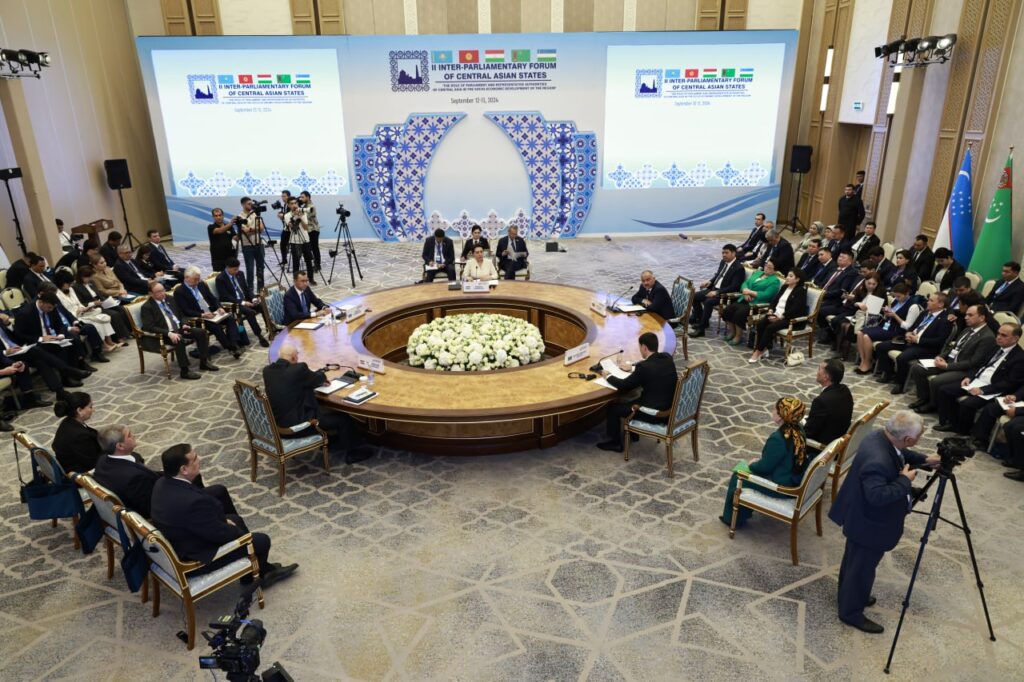
Central Asian Countries Hold Second Inter-Parliamentary Forum, Adopt Khiva Declaration

The second inter-parliamentary forum of Central Asian countries was held in Khiva, Uzbekistan on 12 September. It was attended by political representatives from Kazakhstan, Kyrgyzstan, Tajikistan, Turkmenistan, and Uzbekistan, members of youth parliaments, and local and international mass media. Topics addressed at the forum included new forms of interparliamentary cooperation between Central Asian countries, and recommendations for increasing the role of women and young people in the region's socio-economic development. The Special Representative of the United Nations Secretary-General for Central Asia, Kaha Imnadze, commented: “This forum once again confirms Uzbekistan's important role in strengthening regional cooperation, as well as in ensuring peace and security.” Imnadze added that the UN is ready to strengthen cooperation with Central Asia in areas such as the use of transboundary waters, the melting of glaciers, gender equality, and youth activism. The forum's results resulted in the adoption of the Khiva Declaration, which will serve as the basis for the future cooperation of Central Asian countries within the framework of inter-parliamentary initiatives. The first inter-parliamentary forum of Central Asian countries was held last year in Turkestan, Kazakhstan. The event led to the adoption of the Turkestan Declaration.

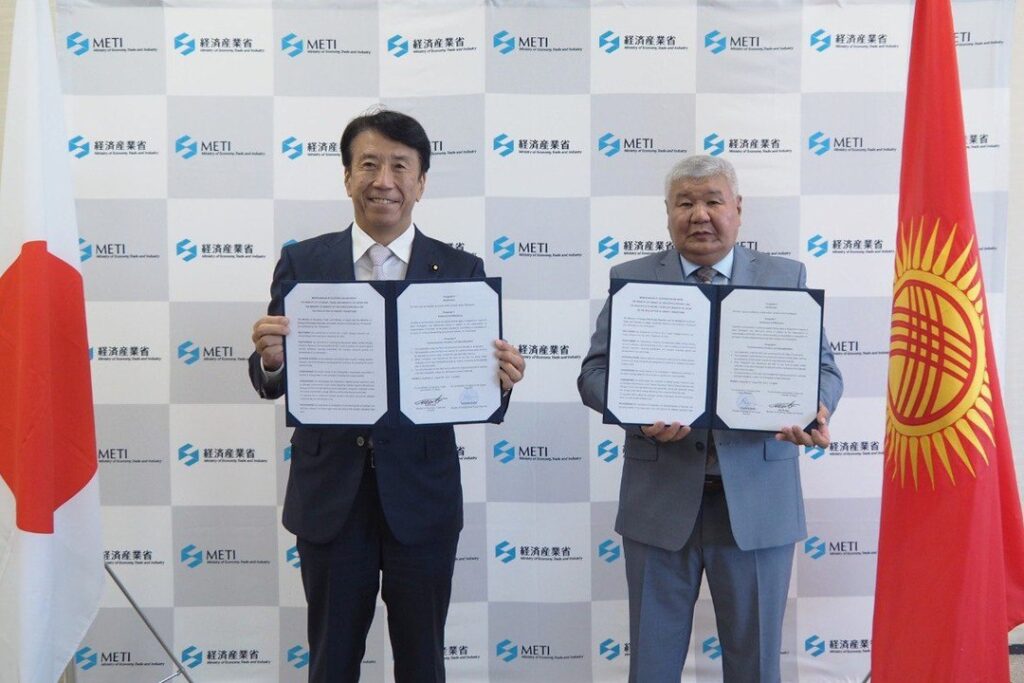
Kyrgyzstan and Japan Agree to Cooperate in Green Energy

In Japan on September 9, Kyrgyzstan’s Minister of Energy, Taalaibek Ibrayev, met with Ken Saito, Japan's Minister of Economy, Trade and Industry, who oversees the country's energy policy. The two ministries signed a memorandum of cooperation to implement joint projects in green energy. The aim of the new partnership is to expand energy cooperation between Japan and Kyrgyzstan, and developing sectors such as energy efficiency, renewable energy, hydrogen energy, ammonia, carbon recycling, and high-efficiency electricity generation. While visiting Japan last November, Kyrgyzstan's President Sadyr Japarov held talks with Japanese Prime Minister Fumio Kishida. Cooperation in the energy sector was one of the issues that they discussed. During the visit, Japarov invited Japanese companies to use the opportunities and potential for cooperation with Kyrgyzstan to develop renewable energy sources and construct hydropower plants.

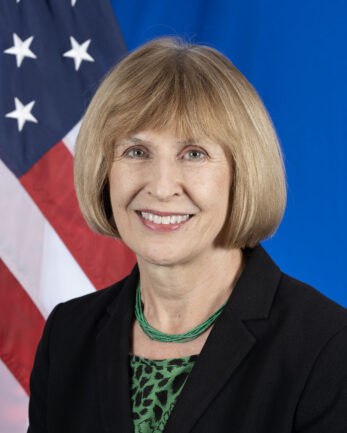
New U.S. Ambassador to Turkmenistan Outlines Priorities For Cooperation

At her first press briefing in Ashgabat, the new U.S. Ambassador to Turkmenistan, Elizabeth Rood, outlined key areas of cooperation between the two countries. She paid particular attention to economic development and investment attraction. Rood emphasized that the U.S. Embassy intends to actively engage with Turkmenistan's government, private sector, and educational institutions to create new jobs and employment opportunities and diversify the national economy. Rood also emphasized four critical areas of work: combating climate change, economic sector development, security issues, and promoting fundamental freedoms. Regarding climate challenges, Rood emphasized Turkmenistan's role in mitigating climate change and welcomed President Serdar Berdymukhamedov's pledge to limit methane emissions. Ambassador Rood also emphasized the importance of supporting civil society in Turkmenistan, including upholding fundamental freedoms and combating forced and child labor. In addition, she expressed her intention to strengthen ties between the peoples of the two countries, noting her inspiration from the determination of Turkmen youth to learn exact sciences and the English language.