• KGS/USD = 0.01143 -0%
  • KZT/USD = 0.00198 -0%
  • TJS/USD = 0.10899 0.65%
  • UZS/USD = 0.00008 -0%
  • TMT/USD = 0.28490 -0.28%
  • KGS/USD = 0.01143 -0%
  • KZT/USD = 0.00198 -0%
  • TJS/USD = 0.10899 0.65%
  • UZS/USD = 0.00008 -0%
  • TMT/USD = 0.28490 -0.28%
  • KGS/USD = 0.01143 -0%
  • KZT/USD = 0.00198 -0%
  • TJS/USD = 0.10899 0.65%
  • UZS/USD = 0.00008 -0%
  • TMT/USD = 0.28490 -0.28%
  • KGS/USD = 0.01143 -0%
  • KZT/USD = 0.00198 -0%
  • TJS/USD = 0.10899 0.65%
  • UZS/USD = 0.00008 -0%
  • TMT/USD = 0.28490 -0.28%
  • KGS/USD = 0.01143 -0%
  • KZT/USD = 0.00198 -0%
  • TJS/USD = 0.10899 0.65%
  • UZS/USD = 0.00008 -0%
  • TMT/USD = 0.28490 -0.28%
  • KGS/USD = 0.01143 -0%
  • KZT/USD = 0.00198 -0%
  • TJS/USD = 0.10899 0.65%
  • UZS/USD = 0.00008 -0%
  • TMT/USD = 0.28490 -0.28%
  • KGS/USD = 0.01143 -0%
  • KZT/USD = 0.00198 -0%
  • TJS/USD = 0.10899 0.65%
  • UZS/USD = 0.00008 -0%
  • TMT/USD = 0.28490 -0.28%
  • KGS/USD = 0.01143 -0%
  • KZT/USD = 0.00198 -0%
  • TJS/USD = 0.10899 0.65%
  • UZS/USD = 0.00008 -0%
  • TMT/USD = 0.28490 -0.28%
07 December 2025

Viewing results 1 - 6 of 79

Uzbek National Arrested in Florida Voter Fraud Case

An Uzbek national residing in Florida been arrested for allegedly submitting fraudulent voter registration applications, the U.S. Department of Justice has announced. According to U.S. authorities, Sanjar Jamilov, a 33-year-old Uzbek citizen living in the Florida town of St. Petersburg, conspired to file 132 false applications with election officials in Pinellas County in early 2023. The fraudulent applications, submitted under different names, exhibited clear signs of irregularity, including identical formatting, repeated birth dates, and nearly sequential Social Security numbers. The suspects also directed election-related mail to addresses they controlled. Jamilov has been charged with conspiracy to commit voter registration fraud and providing false information during registration. If convicted, he faces up to five years in prison. The arrests come shortly after the U.S. presidential election in November 2024, in which Republican candidate Donald Trump won and has recently begun his second term. Authorities have emphasized that investigations are ongoing, and that all defendants are presumed innocent until proven guilty in court.

Riot in Tajik Prison Leaves Several Inmates Dead

On February 3, a riot broke out in Tajikistan's Vahdat Penitentiary No. 3/2, 15 miles from Dushanbe, resulting in the deaths of several prisoners. According to Tajikistan’s Ministry of Justice, the incident occurred when nine inmates - convicted over links to Islamic State and the Jihadi Salafi movement - launched an armed attack on prison staff using improvised weapons. “As a result of the attack, three guards were seriously injured,” the ministry’s statement said. The prisoners, armed with makeshift knives, refused to comply with prison authorities and attempted to kill security personnel in an escape attempt. According to the authorities, the prison guards responded with firearms, killing three of the attackers and detaining the others. The injured staff members received medical treatment and were reported to be in stable condition. Authorities also confirmed that security at the facility has been fully restored. While official reports initially listed three inmate fatalities, some sources suggest that the actual number of prisoner deaths may be higher. Condemning the treatment of detainees by officials at the prison, the Civil Committee for the Rescue of Hostages and Political Prisoners of Tajikistan (CCHP) stated that “at least 10 prisoners were killed and a number were injured as a result of guards shooting at prisoners.” Despite reports that the detainees had briefly raised the Islamic State flag over the prison, CCHP claimed that those killed were political prisoners who had no connection to ISIS or any other banned group.   History of Prison Riots in Tajikistan This is not the first violent uprising within Tajikistan’s penitentiary system. In May 2019, inmates in the same facility armed with knives took three staff members hostage and killed them. They also executed five fellow prisoners before security forces suppressed the riot. Among those killed was Behruz Halimov, son of Gulmurod Halimov, a former Tajik special forces officer who later joined ISIS. The riot left 29 prisoners dead, and Tajikistan’s Supreme Court subsequently increased the sentences of 28 convicts involved in the incident. ISIS claimed responsibility for the riot. In November 2018, a similar riot occurred in a high-security prison in Khujand, where 21 inmates and two prison staff members were killed. Five guards were also injured. Following an investigation, 33 prisoners stood trial, and nine prison officials, including the warden, received prison sentences for negligence. Broader Security Concerns In recent years, Tajikistan has witnessed numerous escape attempts from detention facilities, though nearly all have ended in failure. Most escape organizers have either been killed during apprehension or recaptured. These recurring incidents highlight ongoing security challenges within the country’s prison system and underscore the need for further reforms to prevent future outbreaks of violence.

Prisons Being Relocated from Kyrgyzstan’s Major Cities

Construction of a new detention center has begun in Kyrgyzstan’s Chuy region as part of a broader effort to relocate prisons from major urban areas. The facility will replace the aging SIZO-1, which has operated for 50 years in the center of Bishkek. Deputy Chairman of the Correctional Service Kemel Sydykov announced the initiative during a parliamentary session. Many of Kyrgyzstan’s prisons and detention centers were built in the 1950s and 1960s and no longer meet modern standards for housing inmates. In addition to their outdated infrastructure, these facilities occupy valuable city land, prompting authorities to systematically phase them out. “Construction work has begun on the relocation of SIZO-1. The new detention center will be situated in the Issyk-Ata district of Chuy region. We have been given strict deadlines—to complete construction by the end of the year. The vacated land will be transferred to the state,” Sydykov told MPs. Nationwide Prison Relocation Efforts The Correctional Service has been implementing similar projects across the country. Last year, a new detention center was commissioned in the city of Jalal-Abad, designed to meet modern incarceration standards. Sydykov also confirmed that remand centers in Karakol and Osh are set to be relocated, with land already allocated and construction work expected to begin soon. A few years ago, authorities in Bishkek demolished Colony No. 47, which was located on the city's western outskirts. The site was redeveloped into a residential microdistrict with 900 apartments. Notably, former Kyrgyz President Almazbek Atambayev served part of his sentence in that facility. As previously reported by The Times of Central Asia, many detention facilities in Kyrgyzstan fail to meet international standards, underscoring the urgent need for modernized infrastructure.

Wild Arman Sentenced: From Thief-In-Law to Coup Plotter

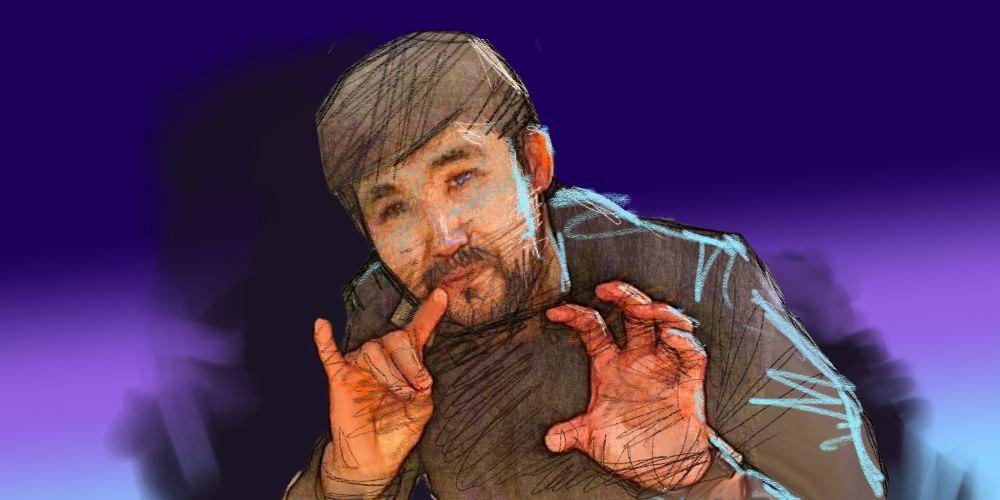
On January 27, another high-profile trial related to the January 2022 events concluded in Almaty. More than 40 individuals were in the dock, but the main figures in the proceedings were three individuals: former Almaty city council deputy and popular blogger Kairat Kudaibergen, former head of the Fifth Department of Kazakhstan’s National Security Committee Ruslan Iskakov, and crime boss Arman Jumageldiev, better known by his criminal nickname, 'Wild Arman.' Harsh Sentences Most of the defendants received short sentences and were released due to time already served. However, for the main figures in the case, the court handed down the following punishments: Kairat Kudaibergen, former deputy and entrepreneur, received eight years in prison. He was also banned from appearing on social media, organizing rallies, debates, and events, and publishing in the media. Ruslan Iskakov, the former head of the Fifth Department of the National Security Committee, was sentenced to 15 and a half years in prison. Arman Jumageldiev (Wild Arman) was sentenced to 20 years in prison. He was prohibited from participating in organizations, organizing events, and publishing in the media or on social networks. In addition to this trio, two other lengthy sentences were handed down: former financial police agent Talgat Makhatov received 15 years, whilst journalist Berdakh Berdymuratov was sentenced to seven years. During the trial, two of the four charges initially brought against Kairat Kudaibergen were dropped. Meanwhile, Arman Jumageldiev, who was originally charged under eleven articles of the Criminal Code of Kazakhstan, faced eight charges by the end of the trial. The 40-year-old crime boss, who along with his defense team has long denied his ties to organized crime, will be released close to the age of retirement should his sentence remain unchanged after his appeal. Under Surveillance Senior Prosecutor of the Almaty Regional Transport Prosecutor’s Office, Mukhit Rysbekov, provided detailed comments on the verdict for Wild Arman (Arman Jumageldiev), revealing the defense’s strategy during the trial. "The court deliberated on the case for about a year. During this time, Jumageldiev’s defenders tried to present him to the court and the public as a patriot, a national hero who helped and protected citizens during the tragic January events. Despite the active campaign organized by Jumageldiev and his defense to rehabilitate his image, we managed to prove the opposite. We proved that back in 2016, long before those events, Jumageldiev led a criminal organization, an armed gang, which included the same representatives of the criminal world,” said Rysbekov. Commenting on Jumageldiev’s sentencing, political analyst Daniyar Ashimbaev noted that the trial had addressed one of the key facets in a broader scheme. "It is clear that the National Security Committee (KNB) was ‘tracking’ this organized criminal group (OCG), which during the January events was supposed to take on the role of establishing 'public governance,' subduing looters, presenting 20 pre-captured individuals as instigators, and ultimately calling for power to be handed over to a 'people’s government' led by the coup organizers," Ashimbaev stated. "This was evident as early as the...

Two Turkmen Citizens Arrested in Istanbul for Counterfeit Alcohol Production

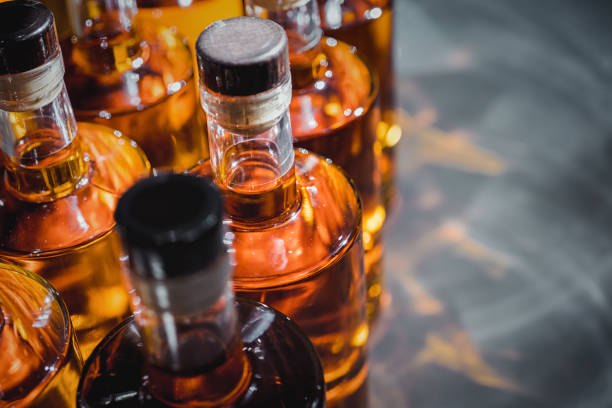
Turkish authorities have detained two Turkmen citizens in Istanbul for their alleged involvement in the production and distribution of counterfeit alcoholic beverages, according to Turkish news agency NTV. The arrests come in the wake of a serious public health crisis in Istanbul, where 38 people have been poisoned by counterfeit alcohol within the past 24 hours. Of those hospitalized, 11 have tragically died. The suspects were reportedly operating in the Ziya Gökalp district of Istanbul. During a search of their residence, police discovered approximately 50 liters of counterfeit alcohol, 36 narcotic pills, fake migrant identification cards, and a large quantity of medical supplies. The Istanbul police have launched a comprehensive investigation into the incident. Authorities have revealed that 26 of those hospitalized due to poisoning were foreign nationals, underscoring the broader impact of the counterfeit alcohol trade. The Consulate General of the Republic of Uzbekistan in Istanbul has confirmed that six Uzbek citizens have died as a result of consuming the counterfeit alcohol. Among the deceased are five men and one woman. Further details about the investigation and potential charges against the detained suspects are awaited.

Reporters Without Borders Condemns Attack on Turkmen Journalist Soltan Achilova

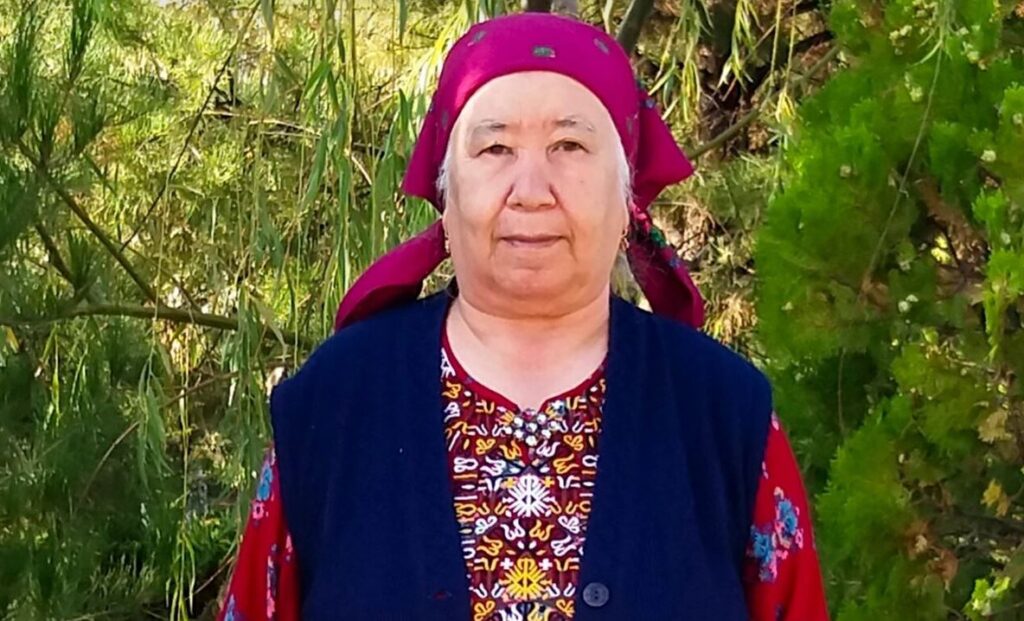
Reporters Without Borders (RSF) has strongly condemned the alleged attempt on the life of independent Turkmen journalist Soltan Achilova and has called on the international community to pressure Turkmenistan to cease its repression of free press. Achilova, a prominent journalist known for her critical reporting on Turkmenistan, stated that authorities attempted to poison her in November 2024 and later barred her from leaving the country under the pretext of an infectious disease diagnosis. On the morning of November 20, as Achilova prepared to leave for the airport with her daughter, several individuals in medical uniforms arrived at her home. They demanded she open the door, with one forcibly snatching her key and reportedly threatening her, saying, “Why do you need a key in the other world?” As previously reported by The Times of Central Asia, despite exhibiting no signs of illness, Achilova was forcibly taken to an infectious disease center in Ashgabat, where she was held in isolation for six days and barred from communicating her whereabouts. In a video message published by Chronicles of Turkmenistan, Achilova directly blamed Turkmenistan's authoritarian leadership, including President Serdar Berdimuhamedov and former President Gurbanguly Berdimuhamedov, for orchestrating the incident, stating: “They will not rest until they destroy me. This is all done on their orders.” Achilova suspects the poisoning attempt is connected to her journalistic work. Just days before she was scheduled to travel to Geneva to accept the prestigious Martin Ennals Award for human rights defenders, a man visited her home, claiming to have evidence of police corruption. He later returned with samosas, a traditional snack, which he offered as a gesture of goodwill. One of Achilova’s neighbors who sampled the food lost consciousness within 15 minutes and was rushed to the hospital, where she was placed in intensive care. RSF has described the incident as part of a broader pattern of repression aimed at silencing dissenting voices in Turkmenistan. Jeanne Cavelier, RSF’s head of Eastern Europe and Central Asia, has expressed concern: “This attempted poisoning and systematic persecution of Soltan Achilova show that the Turkmen authorities will stop at nothing to suppress independent journalism. We call on the international community to intervene immediately to protect her life and her right to independent reporting.” Soltan Achilova is one of the few journalists in Turkmenistan who openly engages with independent outlets, making her a frequent target of government harassment. Since beginning her work in 2006, she has faced threats, attacks, and constant surveillance. Her relatives are regularly interrogated, and her phone remains under strict monitoring. This is not the first time authorities have obstructed Achilova’s international travel. In 2023, while attempting to travel to Geneva, border officials deliberately defaced her passport, rendering it invalid. Turkmenistan consistently ranks among the world’s worst countries for freedom of the press, placing 175th out of 180 nations in the World Press Freedom Index. RSF continues to spotlight Achilova’s case as emblematic of Turkmenistan’s efforts to suppress independent journalism and maintain strict control over information. RSF’s statement calls for...