• KGS/USD = 0.01143 0%
  • KZT/USD = 0.00216 0%
  • TJS/USD = 0.10633 -0.28%
  • UZS/USD = 0.00008 0%
  • TMT/USD = 0.28571 0%
  • KGS/USD = 0.01143 0%
  • KZT/USD = 0.00216 0%
  • TJS/USD = 0.10633 -0.28%
  • UZS/USD = 0.00008 0%
  • TMT/USD = 0.28571 0%
  • KGS/USD = 0.01143 0%
  • KZT/USD = 0.00216 0%
  • TJS/USD = 0.10633 -0.28%
  • UZS/USD = 0.00008 0%
  • TMT/USD = 0.28571 0%
  • KGS/USD = 0.01143 0%
  • KZT/USD = 0.00216 0%
  • TJS/USD = 0.10633 -0.28%
  • UZS/USD = 0.00008 0%
  • TMT/USD = 0.28571 0%
  • KGS/USD = 0.01143 0%
  • KZT/USD = 0.00216 0%
  • TJS/USD = 0.10633 -0.28%
  • UZS/USD = 0.00008 0%
  • TMT/USD = 0.28571 0%
  • KGS/USD = 0.01143 0%
  • KZT/USD = 0.00216 0%
  • TJS/USD = 0.10633 -0.28%
  • UZS/USD = 0.00008 0%
  • TMT/USD = 0.28571 0%
  • KGS/USD = 0.01143 0%
  • KZT/USD = 0.00216 0%
  • TJS/USD = 0.10633 -0.28%
  • UZS/USD = 0.00008 0%
  • TMT/USD = 0.28571 0%
  • KGS/USD = 0.01143 0%
  • KZT/USD = 0.00216 0%
  • TJS/USD = 0.10633 -0.28%
  • UZS/USD = 0.00008 0%
  • TMT/USD = 0.28571 0%

Viewing results 43 - 48 of 65

Chinese Company Opens Genetic Laboratory in Astana

Kazakh Invest has reported that the opening ceremony of the Astana Genetic Center laboratory of the Chinese company BGI Group took place in Kazakhstan’s capital, Astana, on July 19. BGI Group, a world leader in genome research of living organisms, has over a hundred joint laboratories, medical centers, and production facilities in more than 30 countries. The opening ceremony was attended by Yin Ye, CEO of BGI Group; Kunsulu Zakariya, Advisor to the President of Kazakhstan on Science and Innovation; Akmaral Alnazarova, Kazakhstan’s Minister of Health; and Saule Sabyr, First Secretary of the Investment Committee of the Kazakh Ministry of Foreign Affairs. BGI Group opened the laboratory jointly with a local partner, scientific and production company BIOGEN Technopark LLP. The laboratory will conduct various molecular genetic tests related to reproductive health and diagnosis of hereditary and oncological diseases. The Astana Genetic Center is the only full-cycle laboratory in Kazakhstan capable of conducting all stages of genetic research without taking biomaterial abroad.

AstraZeneca Manufacture of Medicines in Kazakhstan

On July 2, the British-Swedish pharmaceutical giant AstraZeneca and Kazakhstan’s SK-Pharmacy signed a long-term contract for the establishment of production and technology transfer in Kazakhstan, and the direct supply of original patented medicines manufactured in Kazakhstan by SK Pharmacy. "Today, SK-Pharmacy and I signed an important agreement that reflects our company's plans to produce medicines in Kazakhstan,” said Maria Shipuleva, CEO of AstraZeneca in Kazakhstan. “AstraZeneca's innovative drugs will be produced at the site of a domestic manufacturer, Nobel Almaty Pharmaceutical Factory JSC. In particular, it is planned to contract the production of drugs for the treatment of diabetes mellitus, chronic heart failure, chronic kidney disease, for the treatment of chronic lymphocytic leukemia and mantle cell lymphoma, for the treatment of ovarian cancer, breast cancer, prostate cancer, pancreatic cancer, as well as for the treatment of non-small cell lung cancer. We hope that our activities within the framework of a long-term agreement with SK–Pharmacy will help further develop the country's healthcare system and, most importantly, improve the quality of life of our Kazakhstani patients.” Yerzhan Yelekeyev, Chairman of the Management Board of Kazakh Invest, commented that the long-term agreement between AstraZeneca and SK-Pharmacy LLP will provide a positive impetus to implementing an investment project for the contract production of biotechnological drugs in Kazakhstan.    

Central Asia Needs $12 Billion to Secure Drinking Water

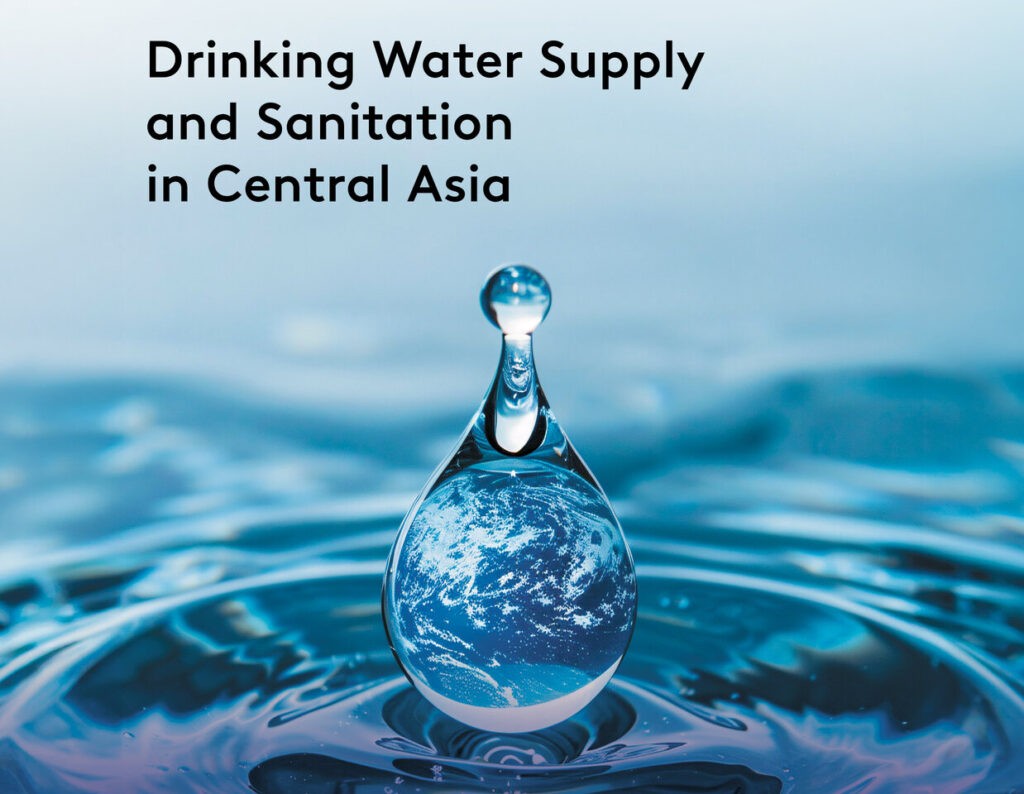
According to the new research paper “Drinking Water Supply and Sanitation in Central Asia” released by the Eurasian Development Bank (EDB), almost 10 million people, or 14% of the population, have poor access to safe drinking water in Central Asia. Water withdrawals for drinking and domestic use increased twofold to reach 8.6 km3 between 1994 and 2020. Investment in its supply infrastructure, however, failed to match growth in consumption. It is estimated that as much as 80% of the region’s water and sanitation equipment is no longer fit for purpose. In addition, physical and commercial water losses in distribution networks can be as high as 55%. The EDB research paper highlights a clear lack of  financial support for plans adopted by Central Asia to develop the sector, and forecasts a deficit of over $12 billion, or around $2 billion per year, between 2025-30. The largest shortfall is expected in Uzbekistan, estimated at $826 million per year, or almost $5 billion between 2025–30. A large shortfall is also projected for Kazakhstan at $700 million per year, or $4.2 billion from 2025–30. In Tajikistan, the shortfall will also be significant, given the size of the country’s economy, reaching $209 million per year, or more than $1.2 billion from 2025–30. To address the issue, the EDB paper outlines three solutions that could help Central Asian countries raise the required investment capital. First, the funding gap can be reduced by attracting finance from international financial institutions (IFIs), multilateral development banks, and development agencies. The water and sanitation sector in Central Asia currently accounts for only 6% of total IFI-approved sovereign funding provided to the region CA, with 147 projects valued at $4 billion (out of a total of $67.5 billion) completed from 2008–2023. Concerted efforts are required to improve the appeal of investment in the sector to attract more active involvement by IFIs. With the emergence of a new, favourable institutional environment and the arrival of private players, the potential of the corporate investment becomes significant. Secondly, to attract the much-needed finance from private investors and major players, the CA water and sanitation sector must not only  modify the ownership and governance structure, but also create conditions conducive to the effective development of market relations. Regarding the above, Evgeny Vinokurov, EDB Chief Economist, stated, “The strengthening of public-private partnership institutions can be of great help. With PPPs active in the water sector, state and private structures will be able to cooperate in a more productive fashion. Expansion of the water sector services market will boost competitiveness and improve the operating efficiency of individual companies. The presence of strong PPP institutions is likely to encourage private operators to join water sector projects. The advent of private players will help the CA countries to attract investments and gain access to innovations, technologies, and experience required to modernise the sector.” Thirdly, improving the tariff system is becoming increasingly compelling. Water tariffs in the region are extremely low and could therefore be raised to improve the financial sustainability...

Doctor Shortage in Turkmenistan’s Prisons

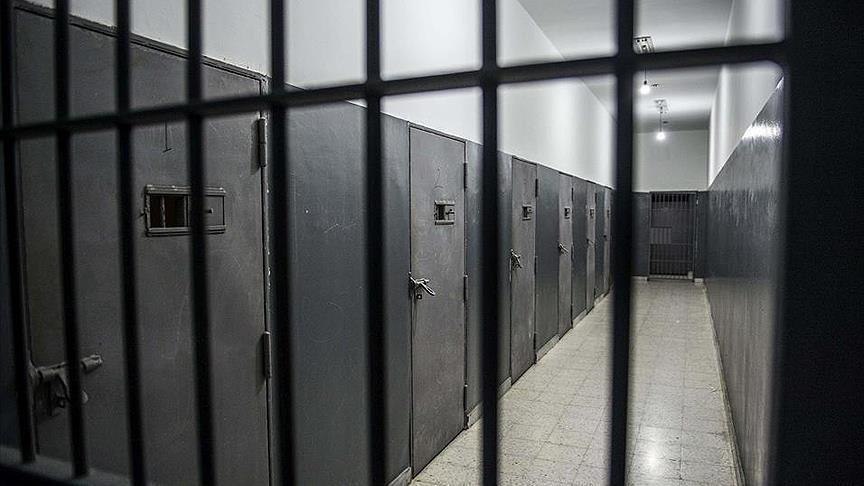
As outlined in a report in Turkmen Newsed, the Turkmenistan's Ombudsman Yazdursun Gubannazarova has recently published a paper highlighting concerns following visits to detention centres and meetings with prisoners in 2023. Throughout the past year, the Ombudsman conducted investigations in both the MR-E/14 detention centre and the MR-B/15 prison hospital in the Maryam region. The detention centre consists of two rooms with 160 and 150 beds, built in 1964 and 1984. Inspections showed that conditions in the dormitories required updating to meet modern sanitary and hygiene standards. Staffing in the prison hospital is a serious issue. Vacancies remain unfilled, creating a chronic shortage of medical personnel and on occasion, leaving inmates to administer their own injections and IVs (intravenous injections). Nevertheless, according to feedback on group and individual meetings with the hospital's prisoners,  “Except for the convicts' remorse and requests (for)parole, no complaints were made". It was a different situation in the prison. The Ombudsman reports that 562 written complaints were submitted in 2023: 457  by Turkmens, 65 by Uzbeks, 46 by Russians, and 13 by Azerbaijanis, 3 by  Tatars, 6 by Mordovians and Ukrainians, 2 by Persians, and one each by Armenians, Kazakhs, and Germans.  Requests for help from the Human Rights Ombudsman  from the  Baloch ethnic minority, who living in the Meri province, are frequent targets of violence, were either not received or ignored. Perhaps this is unsurprising given that only 17 of the complaints were addressed whilst the rest went ignored.

Kazakhstan Supplies Vital Radiopharmaceuticals to Kyrgyzstan

On 15 June, the Institute of Nuclear Physics in Almaty, Kazakhstan delivered a molybdenum-99/technetium-99 generator, used to diagnose cancer and heart diseases, to Kyrgyzstan. As reported by the Kazakh Ministry of Energy, the provision of the generator to Kyrgyzstan was organized in cooperation with the International Atomic Energy Agency (IAEA). The Institute of Nuclear Physics is the only organization in Kazakhstan certified to produce radiopharmaceuticals that comply with international standards. Today, the Institute produces some 75% of Kazakhstan’s radiopharmaceuticals supplied to medical institutions in the cities of Almaty, Shymkent, and Semey. The supply of radiopharmaceuticals to Kyrgyzstan marks an important step towards strengthening the healthcare system and the availability of advanced medical technologies for the country’s residents.