• KGS/USD = 0.01144 0%
  • KZT/USD = 0.00215 0%
  • TJS/USD = 0.10641 0%
  • UZS/USD = 0.00008 0%
  • TMT/USD = 0.28530 0%
  • KGS/USD = 0.01144 0%
  • KZT/USD = 0.00215 0%
  • TJS/USD = 0.10641 0%
  • UZS/USD = 0.00008 0%
  • TMT/USD = 0.28530 0%
  • KGS/USD = 0.01144 0%
  • KZT/USD = 0.00215 0%
  • TJS/USD = 0.10641 0%
  • UZS/USD = 0.00008 0%
  • TMT/USD = 0.28530 0%
  • KGS/USD = 0.01144 0%
  • KZT/USD = 0.00215 0%
  • TJS/USD = 0.10641 0%
  • UZS/USD = 0.00008 0%
  • TMT/USD = 0.28530 0%
  • KGS/USD = 0.01144 0%
  • KZT/USD = 0.00215 0%
  • TJS/USD = 0.10641 0%
  • UZS/USD = 0.00008 0%
  • TMT/USD = 0.28530 0%
  • KGS/USD = 0.01144 0%
  • KZT/USD = 0.00215 0%
  • TJS/USD = 0.10641 0%
  • UZS/USD = 0.00008 0%
  • TMT/USD = 0.28530 0%
  • KGS/USD = 0.01144 0%
  • KZT/USD = 0.00215 0%
  • TJS/USD = 0.10641 0%
  • UZS/USD = 0.00008 0%
  • TMT/USD = 0.28530 0%
  • KGS/USD = 0.01144 0%
  • KZT/USD = 0.00215 0%
  • TJS/USD = 0.10641 0%
  • UZS/USD = 0.00008 0%
  • TMT/USD = 0.28530 0%

Viewing results 841 - 846 of 1316

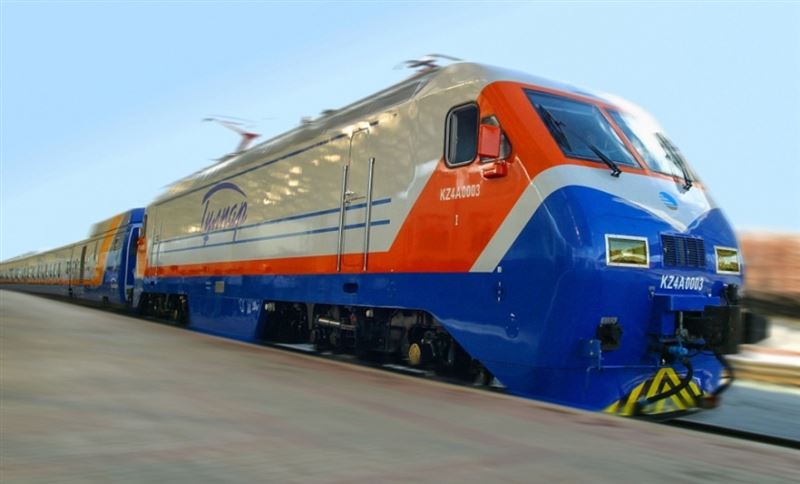
Kazakhstan’s National Railway Carrier Under Threat of Default

The Chairman of the Supreme Audit Chamber (SAC), Alikhan Smailov, has discussed the possible default of national rail carrier, Kazakhstan Temir Zholy (KTZ). According to Smailov, the company cannot currently fulfill its obligations. "The company is in the ‘red’ zone of credit risk. At the beginning of 2024, its debt amounted to 2.9 trillion tenge ($6 billion) and continues to grow; 45%, or 1.3 trillion tenge ($2 billion), of the total debt is aimed at refinancing previously assumed debt obligations,” said Smailov, answering questions from deputies. According to Smailov, Samruk-Kazyna JSC's existing corporate governance methods and development strategy, which include KTZ, are not able to prevent the crisis the country's national railway company is facing. “Further deterioration of assets, the build-up of debts, and the inability to service them without fundamental management changes will lead to the default of KTZh,” Smailov stated. A large amount of budget funds has been spent on developing the railway industry over the past four years, but it has not been enough. The money invested has yet to meet the nation's needs for freight and passenger transportation, Smailov emphasized.

Kyrgyzstan Introduces Temporary Ban on Deputies’ International Travel

Deputies of the Jogorku Kenesh have been restricted from taking foreign trips until the summer vacation. Speaker Nurlanbek Shakiev announced this at a parliamentary session, 24.kg reports. According to him, the deputies must hold five more plenary sessions before the recess. "There are many bills important for the fate of the country and the population. We must have time to consider them. Therefore, I ask you to participate in the Parliament sessions actively. Foreign travel has been restricted since Monday, except for several important events. We will not go anywhere. We are actively working for three weeks,” Shakiev said. The Kyrgyz parliament goes on summer vacation on July 1st, and deputies will return to work on September 1st.

Turkmenistan President’s Visit Causes Havoc in Dashoguz

According to reports published by Turkmen.news, traffic was restricted in the Dashoguz region from June 2nd due to President Serdar Berdimuhamedov's arrival to open new power plants. The head of state came to the region on June 5th, but residents endured inconvenience for three days due to safety precautions. The restrictions also affected pedestrians. On the eve of the president’s visit, houses were painted, and extra police officers were placed on duty. As stated in the report, “From June 2nd, access to Tashkhovuz from distant districts was closed. On June 3rd, the ban also affected the residents of the areas directly adjacent to the city. No one was allowed into the regional center: it doesn’t matter if a person works there, studies, or needs treatment.” Also, residents' cars in the regional center were only allowed on the road if they were painted white and were manufactured after 2015. Pedestrians were forbidden to walk freely; on June 3rd, police officers from all etraps (territorial units) were called onto duty in Dashoguz and placed at posts on central roads every hundred meters. This lasted from 6 am until 10 pm. All houses facing the main road, where the presidential motorcade passed, were hastily painted white or covered with whitewash. The work was carried out very carelessly, with no one protecting windows and doors from paint, and traces of paint were left smeared on the ground.

Two Arrested Over Calls for Milk Riots in Kyrgyzstan

In the Issyk-Kul region, citizens suspected of calling for mass riots have been detained; this was reported by 24.kg citing the State Committee for National Security (GKNB) press center. According to the GKNB, two citizens used WhatsApp messenger to agitate local farmers and organize riots in groups with over a thousand participants, calling for blockades and taking milk truck drivers hostage. These actions are related to the seasonal decrease in milk prices due to its low-fat content. Experts confirmed the presence of calls to organize mass riots in the audio recordings. A criminal case has been opened, and an investigation is underway. The GKNB urged citizens to observe public order and not to give in to provocations spread through social networks.

By 2025, All of Kazakhstan Will Have Access to Clean Drinking Water

The Prime Minister of Kazakhstan, Olzhas Bektenov, has said at a government meeting where issues of water supply services to urban and rural settlements were addressed that the entire population will have access to clean drinking water within eighteen months. At the end of last year, access to water supply services in Kazakhstan's cities amounted to 98.9%, and in rural settlements, 96.6%. Full coverage of the urban population has been achieved in nine regions, with the lowest level of provision noted in the Abai and Pavlodar regions. To improve the situation in the regions with low indicators, funds are being allocated on a priority basis. Twenty-nine projects to construct and reconstruct pipelines in nine oblasts are being implemented, with plans to reconstruct and develop 2,000 kilometers of water pipelines, providing water supply to 437 settlements. A connection to a centralized water supply will be made in 44 of these, with a total population of 92,000 people. Five projects are under development and will be implemented after receiving state expertise; their implementation will improve the water supply in 200 settlements. In 2024, 218 billion tenge was bookmarked from the republican budget to fund the construction and reconstruction of water supply and sewage systems. The Prime Minister emphasized that by the end of 2025, 100% of the population must have access to quality drinking water. "This is one of the most socially important tasks. Only one-and-a-half-years are left for its fulfillment. Despite the high percentage of fulfillment, akimats (local authorities) should intensify work to achieve the plans to bring the relevant infrastructure to villages and towns. All works on the water supply should be prioritized. The implementation of water supply networks within settlements should be synchronized with the plans to bring the infrastructure of group water conduits to the borders of villages", said Bektenov.

Child Malnutrition Hits Central Asia

In its recently published report “Child Food Poverty 2024,” UNICEF has identified 63 countries, including four Central Asian countries, where child malnutrition has reached a  crisis point. Severe child food poverty threatens the survival, growth, and development of an estimated 181 million children under five globally, denying them the opportunity to escape social and economic deprivation. As stated in the report, “Child food poverty harms all children, but it is particularly damaging in early childhood when insufficient dietary intake of essential nutrients can cause the greatest harm to child survival, physical growth, and cognitive development. The consequences can last a lifetime: children deprived of good nutrition in early childhood perform worse in school and have lower learning capacity in adulthood, trapping them and their families in a cycle of poverty and deprivation.” The indicator of food ration determines children’s food security. It was developed by UNICEF and the World Health Organization (WHO). For healthy growth and development, children should consume at least five products from the following eight groups: Breast milk Grains, roots, tubers, and plantains Pulses, nuts, and seeds Dairy products Fresh foods Egg Vitamin A-rich fruits and vegetables Other fruits and vegetables. If children consume products that belong to just two groups, they live in extreme nutritional poverty; if they consume products belonging to three-four groups, they live in a moderate state related to nutrition. If they consume products belonging to five or more groups, they are considered not to be in a poor situation related to nutrition. Uzbekistan and Kyrgyzstan have average levels of child malnutrition, Turkmenistan has a low level, and Tajikistan has a high level.