
• KGS/USD = 0.01144 0%
  • KZT/USD = 0.00204 0%
  • TJS/USD = 0.10398 0%
  • UZS/USD = 0.00008 0%
  • TMT/USD = 0.28490 0%
  • KGS/USD = 0.01144 0%
  • KZT/USD = 0.00204 0%
  • TJS/USD = 0.10398 0%
  • UZS/USD = 0.00008 0%
  • TMT/USD = 0.28490 0%
  • KGS/USD = 0.01144 0%
  • KZT/USD = 0.00204 0%
  • TJS/USD = 0.10398 0%
  • UZS/USD = 0.00008 0%
  • TMT/USD = 0.28490 0%
  • KGS/USD = 0.01144 0%
  • KZT/USD = 0.00204 0%
  • TJS/USD = 0.10398 0%
  • UZS/USD = 0.00008 0%
  • TMT/USD = 0.28490 0%
  • KGS/USD = 0.01144 0%
  • KZT/USD = 0.00204 0%
  • TJS/USD = 0.10398 0%
  • UZS/USD = 0.00008 0%
  • TMT/USD = 0.28490 0%
  • KGS/USD = 0.01144 0%
  • KZT/USD = 0.00204 0%
  • TJS/USD = 0.10398 0%
  • UZS/USD = 0.00008 0%
  • TMT/USD = 0.28490 0%
  • KGS/USD = 0.01144 0%
  • KZT/USD = 0.00204 0%
  • TJS/USD = 0.10398 0%
  • UZS/USD = 0.00008 0%
  • TMT/USD = 0.28490 0%
  • KGS/USD = 0.01144 0%
  • KZT/USD = 0.00204 0%
  • TJS/USD = 0.10398 0%
  • UZS/USD = 0.00008 0%
  • TMT/USD = 0.28490 0%

Viewing results 1 - 6 of 3

Tajikistan Escalates Deportations of Afghan Refugees Amid Growing Concerns

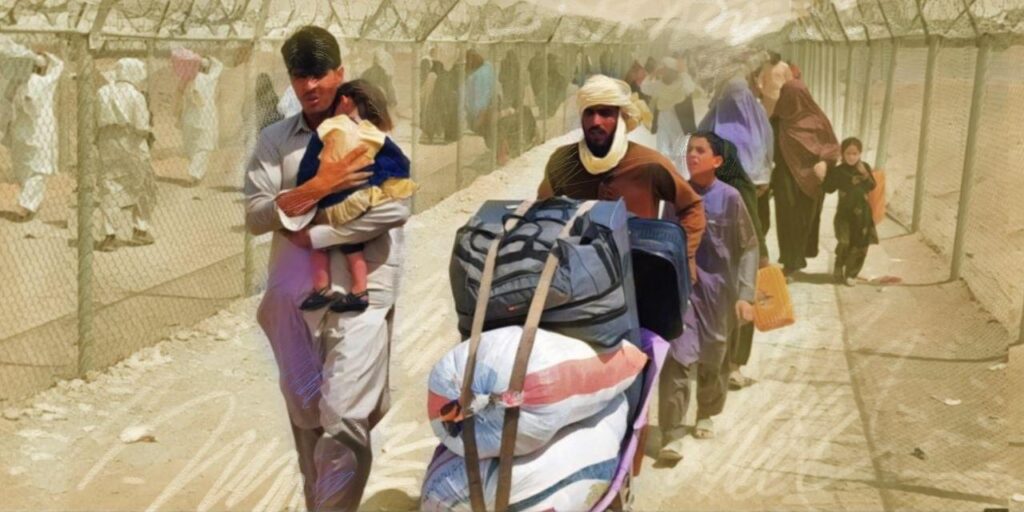
Afghans who fled to Tajikistan are keeping a low profile lately. Tajik authorities have started the latest wave of deportations, and this one looks to be bigger than the previous sweeps. “You Have 15 Days” At the beginning of July, Afghan refugees and asylum-seekers in Tajikistan received an SMS warning them to leave the country within 15 days or else they would be forcibly deported. Tajikistan’s government has not commented on these messages, but the detention of Afghans started not long after the messages were sent. So far, the only two places mentioned where Afghans were being apprehended were the Rudaki district outside of Dushanbe and the town of Vahdat, 26 kilometers from Dushanbe. Hundreds of Afghan refugees are known to be living in these two areas. Radio Free Europe/Radio Liberty’s Tajik Service, known locally as Ozodi, reported that journalists who went to the houses of Afghan refugees in Vahdat were stopped and turned away by men in military uniforms outside the homes. Some Afghan refugees in Vahdat spoke with Ozodi under the condition of anonymity and said that on July 15, several vans arrived and took away “dozens” of Afghan men, women, and children. One said Afghan refugees are staying inside their homes, fearing that if they go out, they will be detained and deported. Police “take the documents from Afghans and set a date for them to leave the country,” the refugee said, “For more than 20 days we have practically not stepped outside at all.” Local Tajiks confirmed that Afghans were being taken away and that many of those who remained were searching for new places to live to avoid being apprehended. The Tajik authorities did not say anything about the deportations until July 19, when the state news agency Khovar posted a text from the Press Center of the Border Troops of the State Committee for National Security. The statement said some “foreign citizens” had entered Tajikistan illegally, and a “certain number” of them engaged in illegal activities such as “narcotics trafficking, [spreading] the ideas of extremist movements,” or providing false information or documents to acquire refugee status. The office of the UN High Commissioner for Refugees (UNHCR) said that as of the end of 2024, there were 9,902 Afghan refugees registered in Tajikistan. However, Afghans have been fleeing their homeland and coming to Tajikistan for many years, and some estimates for the number of Afghans in Tajikistan run as high as 13,000. Something else which remains unclear about the Afghan refugees in Tajikistan is how many are ethnic Tajiks. Ostensibly, most of them could be since the ethnic Tajik population of Afghanistan is mainly found in areas adjacent to Tajikistan. Many who came to Tajikistan 10 or 15 years ago have assimilated and are likely not refugees or asylum seekers, but may not have obtained Tajik citizenship. It is unclear how many Afghan citizens have been detained and deported since the start of July, but they are just the latest to be sent back to...

Tajikistan Confirms Deportation of Afghan Refugees

Tajikistan has officially confirmed the deportation of Afghan refugees residing in the country, according to a statement issued by the Press Center of the Border Troops of the State Committee for National Security. As previously reported by The Times of Central Asia, Tajik authorities launched a large-scale campaign to expel Afghan nationals, giving them just 15 days to leave the country. The move, which has been verified by the United Nations refugee agency (UNHCR), has sparked fear and confusion among thousands of Afghan refugees, including those holding valid residence permits and asylum documents. Tajik officials justified the decision by citing what they described as a “difficult political and economic situation in the region and worldwide.” The statement emphasized that while many foreign citizens reside legally in Tajikistan for various reasons, some have entered the country illegally or committed serious violations of local laws. According to the authorities, inspections revealed multiple infractions, including illegal drug trafficking, the promotion of extremist ideologies, submission of false documentation for refugee status, violations of migration rules, possession of citizenship from third countries, and the use of Tajikistan as a transit route. “As a result, actions are being taken in accordance with national legislation to deport these individuals,” the statement read. “In particular, the deportation of a number of Afghan citizens is linked to these violations.” In January 2025, UNHCR publicly called on Tajikistan to halt the deportations, following reports that dozens of Afghan refugees were expelled in December 2024. The agency said that at least 80 Afghans were deported, many of whom had valid refugee documentation. UNHCR warned that such actions contravene international law and place individuals at risk. By the end of 2024, approximately 9,000 Afghan refugees were residing in Tajikistan.

Tajikistan Gives Afghan Refugees 15 Days to Leave

Tajikistan has launched a large-scale campaign to detain and deport Afghan refugees, giving them just 15 days to leave the country. The move, reported by Afghanistan’s Khaama Press and confirmed by the UN refugee agency UNHCR, has sparked fear and confusion among thousands of Afghans in Tajikistan, including many with valid residency permits or official asylum documentation. According to Khaama Press, detentions have intensified in recent days, particularly around Vahdat township and Rudaki district near the capital, Dushanbe. Afghan men are reportedly being arrested in large numbers, often directly from their workplaces, with little to no warning or opportunity to contact family members. The deportation order is believed to affect thousands of Afghans, including individuals legally residing in Tajikistan while awaiting resettlement to countries such as Canada. Many are former civil servants, military personnel, or others affiliated with the pre-Taliban Afghan government who fled after the Taliban’s return to power in August 2021. Human rights advocates warn that forced repatriation could expose them to immediate danger UNHCR Condemnation and International Concerns The UN High Commissioner for Refugees has expressed deep concern over Tajikistan’s actions. In January 2025, UNHCR urged Dushanbe to cease deportations after confirming that at least 80 Afghan refugees were forcibly returned in December 2024, despite holding UN-issued refugee documents. UNHCR stated that these deportations violate international protection obligations and risk exposing vulnerable individuals to persecution, detention, or violence in Taliban-controlled Afghanistan. As of late 2024, approximately 9,000 Afghan refugees were officially registered in Tajikistan. With the new 15-day ultimatum and ongoing arrests, many more are now at risk. Refugee advocates report that detentions are being carried out indiscriminately, often without regard for legal status. Part of a Wider Regional Crackdown Tajikistan’s campaign mirrors broader regional trends. In recent months, both Iran and Pakistan have undertaken mass deportations of Afghan nationals. Human rights organizations have documented widespread reports of abuse, intimidation, and even killings of returnees by Taliban forces. Observers warn that options for Afghan refugees are rapidly diminishing. Resettlement programs remain slow, and few countries have opened new asylum pathways. As a result, thousands of displaced Afghans across Central and South Asia face a stark choice: live under constant threat of arrest and expulsion or return to a homeland where persecution may await.
