• KGS/USD = 0.01143 -0%
  • KZT/USD = 0.00198 -0%
  • TJS/USD = 0.10899 0.93%
  • UZS/USD = 0.00008 0%
  • TMT/USD = 0.28490 -0.28%
  • KGS/USD = 0.01143 -0%
  • KZT/USD = 0.00198 -0%
  • TJS/USD = 0.10899 0.93%
  • UZS/USD = 0.00008 0%
  • TMT/USD = 0.28490 -0.28%
  • KGS/USD = 0.01143 -0%
  • KZT/USD = 0.00198 -0%
  • TJS/USD = 0.10899 0.93%
  • UZS/USD = 0.00008 0%
  • TMT/USD = 0.28490 -0.28%
  • KGS/USD = 0.01143 -0%
  • KZT/USD = 0.00198 -0%
  • TJS/USD = 0.10899 0.93%
  • UZS/USD = 0.00008 0%
  • TMT/USD = 0.28490 -0.28%
  • KGS/USD = 0.01143 -0%
  • KZT/USD = 0.00198 -0%
  • TJS/USD = 0.10899 0.93%
  • UZS/USD = 0.00008 0%
  • TMT/USD = 0.28490 -0.28%
  • KGS/USD = 0.01143 -0%
  • KZT/USD = 0.00198 -0%
  • TJS/USD = 0.10899 0.93%
  • UZS/USD = 0.00008 0%
  • TMT/USD = 0.28490 -0.28%
  • KGS/USD = 0.01143 -0%
  • KZT/USD = 0.00198 -0%
  • TJS/USD = 0.10899 0.93%
  • UZS/USD = 0.00008 0%
  • TMT/USD = 0.28490 -0.28%
  • KGS/USD = 0.01143 -0%
  • KZT/USD = 0.00198 -0%
  • TJS/USD = 0.10899 0.93%
  • UZS/USD = 0.00008 0%
  • TMT/USD = 0.28490 -0.28%
07 December 2025

Viewing results 1 - 6 of 5

Kazakhstan Boosts Animal Feed Exports to China

Kazakhstan has significantly increased its exports of compound animal feed to China, even as shipments of unprocessed grain have declined, according to Kazakhstan Temir Zholy (KTZ), the national railway operator. The shift in export dynamics is attributed to China’s record 700-million-ton grain harvest in 2025. In response to domestic supply, the Chinese authorities have tightened grain import regulations and introduced customs restrictions. As a result, Kazakhstan’s grain export structure has shifted toward processed goods with higher added value, most notably, compound animal feed. Animal feed is in high demand within China’s livestock sector and receives priority clearance at border checkpoints. This preferential treatment has contributed to a notable surge in Kazakh feed exports. During the first two months of the current marketing year (September-October 2025), KTZ transported 873,000 tons of grain for export, including 672,000 tons of animal feed, a 3.5-fold increase compared to the same period last year. Overall grain exports to China, however, rose 35% year-on-year to 3.5 million tons between January and October 2025, reflecting a shift toward higher-value processed goods rather than bulk grain. According to the Ministry of Agriculture, Kazakhstan continues to export most of its grain to countries across Central Asia and the Caucasus, including Uzbekistan, Tajikistan, Kyrgyzstan, Afghanistan, Turkmenistan, and Azerbaijan.

Kyrgyzstan Urges Farmers to Expand Fodder Crop Cultivation

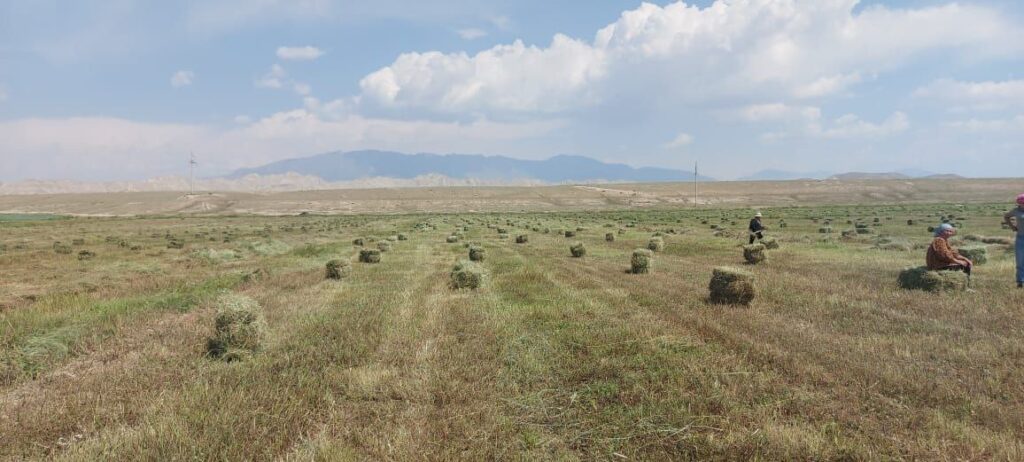
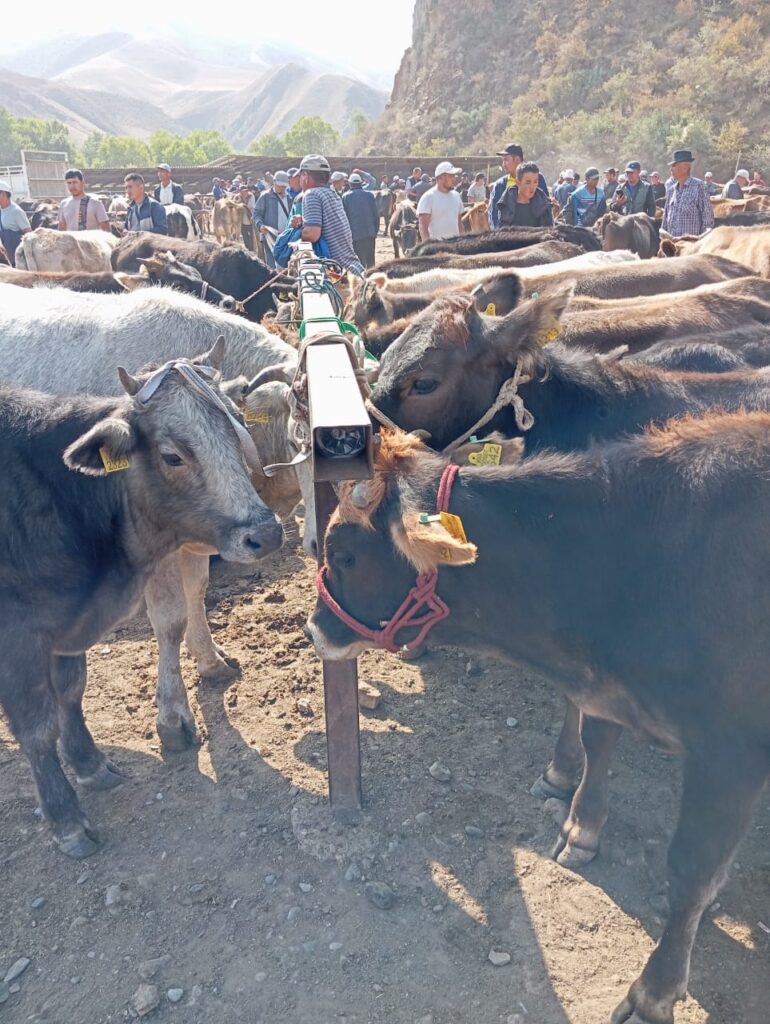
The Kyrgyz Ministry of Water Resources, Agriculture, and Processing Industry has called on farmers to actively plant corn, soybeans, sorghum, and other fodder crops for animal feed. The appeal was published on the ministry’s website. According to the ministry, these crops are used to produce green fodder for livestock during the winter months, when pastures are bare. This practice is particularly important in regions with developed livestock farming. Naryn region, for example, is the coldest in the country but also a leader in livestock production. Experts say expanding fodder crop cultivation would strengthen the sector’s resilience, boost meat and dairy output, and support overall agricultural growth. The ministry noted that each autumn, prices for hay and feed rise sharply due to shortages. In Chui region, many farmers prefer to grow alfalfa to fatten livestock. Alfalfa is also used for hay bales, but it is highly water-intensive. Given Kyrgyzstan’s limited water resources and reliance on flood irrigation, this can lead to disputes between farmers. While alfalfa remains popular, the ministry stressed that it is not suitable for all regions. As The Times of Central Asia previously reported, Kyrgyz authorities recently imposed price controls on meat amid growing exports to neighboring countries. One of the factors behind the price hikes was a shortage of animal feed.

Kazakhstan Looks to Reduce Dependence on Feed Imports

On March 12, Kazakhstan’s Deputy Prime Minister, Serik Zhumangarin, met with executives from Hungary’s UBM Group, which plans to build three plants in Kazakhstan to produce 48,000 tons of premixes and 300,000 tons of compound feed annually. The project also includes the establishment of a laboratory and a training center. According to the Kazakh government’s press service, the project aims to reduce Kazakhstan’s reliance on imported compound animal feed, which currently exceeds 250,000 tons per year. Zhumangarin emphasized that ensuring local livestock farmers have access to high-quality, domestically produced feed is a strategic priority for lowering meat production costs. He also reiterated Kazakhstan’s broader goal of meeting at least 90% of domestic food demand with locally produced goods, particularly essential food products. The UBM Group project will involve the construction of facilities in the Kostanay and Karaganda regions, as well as in Almaty. In the Karaganda region, a business partner and construction site have already been selected. In Kostanay and Almaty, local partners have been identified, but final decisions on construction sites are still pending. To expedite the process, Zhumangarin instructed local administrations and the Ministry of Agriculture to allocate land plots by the end of March, allowing the investor to begin earthworks in the second quarter of this year. The entire construction project is expected to be completed within two years.