Kyrgyzstan-Tajikistan Border Fencing Complete in Batken, Demarcation Continues
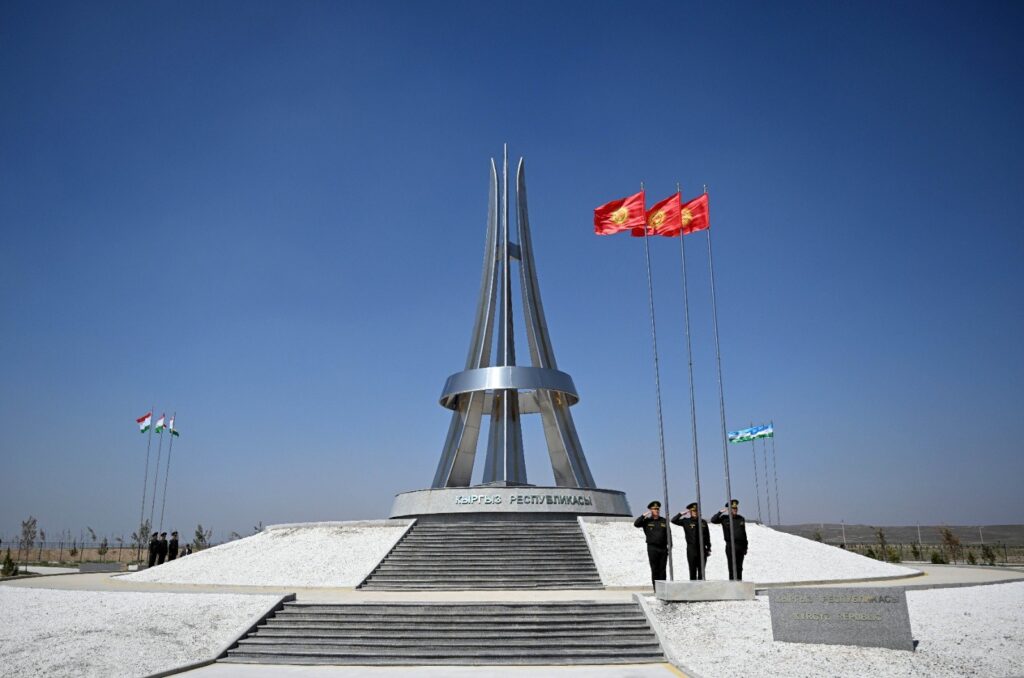
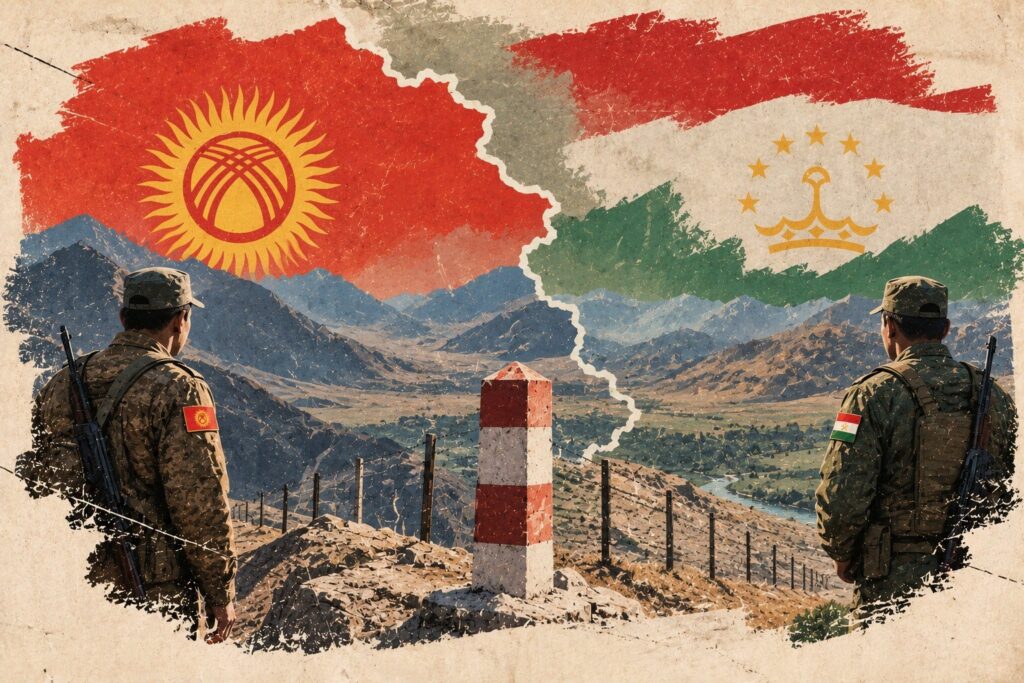
Kyrgyzstan has completed the installation of nearly 328 kilometers of border fencing in the Batken region in the country’s southwest, where armed clashes with Tajikistan took place in 2021 and 2022. For some residents, the new boundary has also raised questions about compensation for lost homes and farmland. On October 29, the Batken regional administration confirmed completion of the fencing, two weeks after the State Border Service made the same announcement. During 2025–2026, 338.5 kilometers of patrol roads were built in the region’s Batken and Leilek districts, allowing patrols to reach previously difficult-to-access areas. The fencing covers part of the countries’ approximately 1,008-kilometer border. The two countries began installing border markers in July 2026 and are continuing this process of demarcation, alongside the preparation of formal boundary records. Three Decades of Disputes Batken lies in the densely populated Fergana Valley, which is divided among Kyrgyzstan, Tajikistan, and Uzbekistan. National borders here run close to villages and farmland, making disputes over territory particularly sensitive. Following the collapse of the Soviet Union, Kyrgyzstan and Tajikistan were unable to agree on the course of substantial sections of their shared border. Disputes over access to land and water were particularly frequent in Kyrgyzstan’s Batken region and the neighboring Sughd region in northern Tajikistan. Kyrgyzstan also had a longstanding border dispute with Uzbekistan, which the two countries settled in 2022. In April 2021 and September 2022, clashes escalated into armed conflicts involving heavy weapons. The September 2022 fighting killed more than 100 people across both sides and destroyed hundreds of homes. On the Kyrgyz side alone, more than 140,000 people were displaced. Cross-border movement was severely restricted following the 2021 violence, disrupting trade and visits between communities. Negotiations continued after the fighting, with the two countries’ security chiefs leading efforts to resolve the remaining territorial disputes. The eventual settlement involved exchanges of land, including in areas where communities had grown up close to one another. In December 2024, Bishkek and Dushanbe announced that they had reached agreement on the remaining disputed sections. The two sides completed a draft description of the border alignment and signed the corresponding protocol. In February 2025, negotiators also reached preliminary agreements on road use and access to water infrastructure, two longstanding sources of friction between border communities. On March 13, 2025, Presidents Sadyr Japarov and Emomali Rahmon signed a state border treaty in Bishkek, alongside agreements covering road access and water and energy facilities. That same day, the Kyzyl-Bel–Guliston and Kairagach–Madaniyat international border crossings reopened after being closed for nearly four years. Tajik entrepreneurs were able to return to markets in the Batken region. On March 31, 2025, the presidents of Kyrgyzstan, Tajikistan, and Uzbekistan signed an agreement on the junction of their three national borders as well as the Khujand Declaration on Eternal Friendship. Compensation Claims Remain Former Kyrgyz Deputy Prime Minister Tokon Mamytov said in comments to the state news agency Kabar on April 29, 2025, that installing border fencing would help reduce the risk of renewed clashes...