

• KGS/USD = 0.01144 0%
  • KZT/USD = 0.00204 0%
  • TJS/USD = 0.10398 0%
  • UZS/USD = 0.00008 0%
  • TMT/USD = 0.28490 0%
  • KGS/USD = 0.01144 0%
  • KZT/USD = 0.00204 0%
  • TJS/USD = 0.10398 0%
  • UZS/USD = 0.00008 0%
  • TMT/USD = 0.28490 0%
  • KGS/USD = 0.01144 0%
  • KZT/USD = 0.00204 0%
  • TJS/USD = 0.10398 0%
  • UZS/USD = 0.00008 0%
  • TMT/USD = 0.28490 0%
  • KGS/USD = 0.01144 0%
  • KZT/USD = 0.00204 0%
  • TJS/USD = 0.10398 0%
  • UZS/USD = 0.00008 0%
  • TMT/USD = 0.28490 0%
  • KGS/USD = 0.01144 0%
  • KZT/USD = 0.00204 0%
  • TJS/USD = 0.10398 0%
  • UZS/USD = 0.00008 0%
  • TMT/USD = 0.28490 0%
  • KGS/USD = 0.01144 0%
  • KZT/USD = 0.00204 0%
  • TJS/USD = 0.10398 0%
  • UZS/USD = 0.00008 0%
  • TMT/USD = 0.28490 0%
  • KGS/USD = 0.01144 0%
  • KZT/USD = 0.00204 0%
  • TJS/USD = 0.10398 0%
  • UZS/USD = 0.00008 0%
  • TMT/USD = 0.28490 0%
  • KGS/USD = 0.01144 0%
  • KZT/USD = 0.00204 0%
  • TJS/USD = 0.10398 0%
  • UZS/USD = 0.00008 0%
  • TMT/USD = 0.28490 0%

Viewing results 1 - 6 of 9

Kyrgyzstan Seeks End to Extra Transit Fees for Its Citizens Crossing Uzbekistan

Kyrgyzstan has formally requested that Uzbekistan eliminate additional fees imposed on Kyrgyz citizens transiting through Uzbek territory, including charges for vehicle insurance and window tinting. The matter was raised during a session of the Jogorku Kenesh (parliament), where Deputy Foreign Minister Almaz Imangaziev confirmed that negotiations with Uzbek authorities are ongoing. According to Imangaziev, the request is currently under internal review in Uzbekistan. “When Kyrgyz citizens transit through Uzbekistan, mainly en route to the southern regions of our country, they are required to purchase car insurance and pay additional fees if their windows are tinted. On our side, no such requirement exists,” said lawmaker Dastan Bekeshev, who called on the Foreign Ministry to advocate for the removal of these rules. Imangaziev affirmed that Bishkek has already submitted a formal request to Tashkent. He added that if Uzbekistan fails to eliminate the fees, Kyrgyzstan may consider imposing reciprocal measures on Uzbek citizens transiting through Kyrgyz territory. The development comes amid broader regional concerns over trade and transit barriers. On January 17, Uzbek Deputy Prime Minister Jamshid Khodjaev addressed similar frustrations during a meeting in Tashkent with entrepreneurs, ambassadors, and government officials. He pointed to challenges faced by Uzbek exporters to Tajikistan, citing excessive procedures and additional customs fees that reportedly raise the price of Uzbek goods by approximately 15%, undermining their competitiveness. Khodjaev warned that unless such restrictions are lifted, Uzbekistan may introduce symmetrical measures in response.
Kazakhstan Proposes Doubling Insurance Payments for Traffic Accident Victims

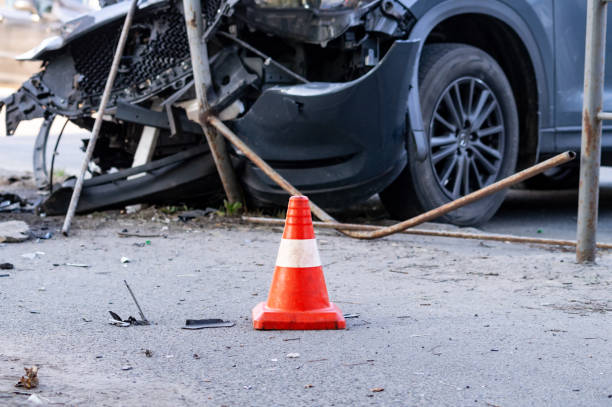
Kazakhstan is considering major changes to its compulsory motor insurance legislation, with members of parliament proposing to double compensation payments for victims of traffic accidents. Presenting the bill in the Mazhilis, MP Nartay Sarsengaliyev said the initiative aims to restore social justice and strengthen financial protection for citizens. He said current compensation levels no longer reflect the country’s actual economic conditions. At present, in the event of a fatal traffic accident, the dependents of an adult victim receive approximately $13,600. Under the proposed amendments, this amount would rise to around $29,100. The bill also outlines a similar twofold increase in compensation for children and individuals who become disabled as a result of accidents. A key provision of the legislation addresses how compensation is distributed in the event of a fatality. Currently, payouts are made only to dependents or those under the care of the deceased. If no such individuals exist, no compensation is paid. Lawmakers propose amending this policy to allow funds to be transferred to the spouse or parents of the deceased in such cases. According to Sarsengaliyev, denying compensation despite regular insurance premium payments during a person’s lifetime is unjust. The proposed legislation would also require insurance companies to proactively contact the families of deceased victims and hire independent experts to assess damages. While the initiative has broad parliamentary support, lawmakers acknowledged the financial risks involved. Deputy Tatyana Savelyeva noted that while the government supports the proposal in principle, the Cabinet has warned that doubling insurance payouts could result in a more than threefold increase in the cost of insurance policies. Maria Khadzhieva, Deputy Chair of the Agency for Regulation and Development of the Financial Market, highlighted the financial pressure already facing insurers. Over the past five years, auto insurance payouts have increased 3.7 times to reach $135.1 million, while premiums collected have grown by just 47% to $67 million. She argued that further increases in payouts would be unsustainable without a corresponding rise in insurance premiums. As previously reported by the Times of Central Asia, Kazakhstan set a national record for new car sales this year, further straining the country’s auto insurance system.

Kyrgyz Car Owners Receive $200,000 in Insurance Payouts Since Start of 2025

Since the beginning of 2025, car owners in Kyrgyzstan have received approximately $200,000 in insurance payouts under the country’s compulsory motor insurance (CMI) program, according to the State Insurance Organization (SIO). The rise in payouts has been matched by growing coverage of motor insurance, particularly after fines were introduced for individuals without insurance policies on July 1, 2025. The fine is set at $35, while the cost of an annual policy ranges from $20 to $50, depending on engine size and the number of insured persons. For legal entities and foreign nationals, the cost of an annual policy is $150. Compulsory insurance for these groups has been in effect since April 1, 2023. Additionally, insurance is now mandatory when re-registering or purchasing a vehicle, as part of the phased implementation of universal motor insurance in Kyrgyzstan. According to the SIO, 38,345 individuals purchased policies in the first month following the introduction of penalties. Between January 1 and July 28, 2025, a total of 266,465 vehicles were insured through the SIO. The organization told The Times of Central Asia that many citizens had voluntarily obtained insurance before the penalties were introduced, reflecting a growing culture of legal compliance and personal responsibility among car owners. During the reporting period, the SIO registered 190 insurance claims. The largest payout in 2025 was $3,500, which was divided between two parties involved in a traffic accident. Insurers report that the sector is prepared to handle further growth in claims. The SIO was initially capitalized with $12 million from the state budget. Its authorized capital has since been increased at least twice. Additionally, all state institutions are required to insure their assets through the SIO. Alongside the state-run insurer, 14 private insurance companies operate in the Kyrgyz market, contributing to a competitive environment. As previously reported by The Times of Central Asia, the SIO’s financial model includes a fund reservation mechanism for insurance payouts, ensuring the organization's ability to meet its obligations even amid a rise in accident claims. While some experts caution that the market could face saturation in the coming years, the short-term outlook for the industry remains one of steady growth.

From Reform to Roadblocks: The Uneven Evolution of Motor Insurance in Central Asia

Motor insurance markets across Central Asia exhibit contrasting levels of development, from Kazakhstan’s expanding, digitized sector to Kyrgyzstan and Turkmenistan, where the system remains largely ineffective. Beyond compensating for damages, motor insurance is increasingly viewed as a tool for strengthening financial markets, promoting road safety, and easing the fiscal burden during emergencies. Kazakhstan Kazakhstan leads the region in insurance market volume. According to the Agency for Regulation and Development of the Financial Market (ARDFM), compulsory third-party motor insurance (OSGPO) premiums totaled more than KZT 106 billion ($205 million) in 2023, an 18% increase from the previous year. Since 2019, Kazakhstan has operated an electronic OSGPO registration system, streamlining policy purchases and reducing fraud. Integration with the Ministry of Internal Affairs databases now enables more effective monitoring of compliance. In April 2025, the country introduced a revised bonus-malus system with 18 risk classes, ranging from M2 (highest risk, coefficient 3.5) to Class 13 (lowest risk, coefficient 0.5). New drivers are assigned Class A with a coefficient of 1.8. The updated system accounts for accident history, traffic violations, and the duration of accident-free driving. Despite this progress, voluntary comprehensive insurance (CASCO) remains underutilized; fewer than 5% of car owners hold such policies. Barriers include high costs, limited public understanding, and the persistent mistrust of insurers. Nevertheless, demand for CASCO is growing amid rising accident rates and vehicle costs. Once considered a luxury for owners of new cars, CASCO is increasingly popular among middle-income drivers, particularly those buying vehicles on credit or lease. According to Ranking.kz, CASCO premiums reached KZT 13.4 billion ($26 million) in January-February 2025, slightly below the same period in 2024 ($29 million) but still well above pre-pandemic levels. CASCO now covers a broad range of risks, including accidents, theft, vandalism, fire, and natural disasters. For many Kazakhstani drivers, comprehensive coverage is becoming a central part of their financial strategy rather than a discretionary purchase. Kyrgyzstan In Kyrgyzstan, however, the motor insurance system is largely dormant. Although a compulsory insurance law was passed in 2015, only 8-10% of the vehicle fleet is insured. The absence of a unified digital platform, weak interagency coordination, and low public confidence hinder progress. The authorities intend to relaunch reforms in 2025, focusing on digital integration between the Ministry of Internal Affairs and the National Bank. Beginning July 1, 2025, fines will be imposed on uninsured drivers: 3,000 KGS (around $35) for individuals and 13,000 KGS (about $150) for foreign nationals and legal entities. The new penalties are expected to promote compliance and foster a stronger insurance culture. Uzbekistan Uzbekistan, in contrast, has made substantial strides since 2019. Restrictions on foreign insurers have been lifted, and the Insurance Market Development Agency has spearheaded a digital transformation of the sector. In 2023, motor insurance premiums surpassed 250 billion som, largely from OSGPO policies. The government has expanded policy coverage and supports online issuance to increase accessibility and competition. As of September 1, 2024, all compulsory motor insurance policies will be digitized and issued through a centralized...

Kyrgyzstan to Enforce Mandatory Car Insurance in July 2025

Beginning July 1, 2025, all vehicle owners in Kyrgyzstan will be subject to fines if they fail to obtain mandatory car insurance. Individuals found without coverage will face a penalty of 3,000 Kyrgyz soms (approximately $35), while foreigners and legal entities will be fined 13,000 soms (around $150), according to the State Insurance Organization (SIO). The introduction of penalties is expected to promote greater discipline among drivers and boost overall insurance coverage nationwide. “Compulsory car insurance protects not only car owners but also other road users. It helps reduce social tensions, lowers the number of legal disputes, and eases the financial burden on citizens,” the SIO stated in comments to The Times of Central Asia. Although the law on compulsory Motor Third-Party Liability (MTPL) insurance was passed in 2016, widespread public opposition and a lack of supporting infrastructure led to multiple delays in its enforcement. The most recent postponement, in January 2025, deferred fines for individuals once again. Authorities now affirm that no further delays will be made. The SIO emphasized that the measure aligns Kyrgyzstan with international norms. "In countries with a high culture of insurance, compulsory MTPL insurance is an integral part of road safety systems. Kyrgyzstan is moving steadily in this direction,” representatives said. Data from the National Statistical Committee shows that 7,100 traffic accidents were recorded in Kyrgyzstan in 2024, continuing a yearly upward trend. Some experts have expressed skepticism about the law’s effectiveness, citing the country’s large and growing vehicle fleet. However, the SIO remains confident in its capacity to manage the increased demand. “Our financial model includes calculating potential risks and setting aside funds for payments. This means that even if the accident rate rises, the SIO can still meet its obligations to insured drivers on time and in full,” the organization assured. As enforcement looms, authorities and insurers are urging the public to prepare and comply with the law to help foster a safer and more financially secure road environment in Kyrgyzstan.
