
• KGS/USD = 0.01143 0%
  • KZT/USD = 0.00205 0%
  • TJS/USD = 0.10433 0.1%
  • UZS/USD = 0.00008 0%
  • TMT/USD = 0.28577 0%
  • KGS/USD = 0.01143 0%
  • KZT/USD = 0.00205 0%
  • TJS/USD = 0.10433 0.1%
  • UZS/USD = 0.00008 0%
  • TMT/USD = 0.28577 0%
  • KGS/USD = 0.01143 0%
  • KZT/USD = 0.00205 0%
  • TJS/USD = 0.10433 0.1%
  • UZS/USD = 0.00008 0%
  • TMT/USD = 0.28577 0%
  • KGS/USD = 0.01143 0%
  • KZT/USD = 0.00205 0%
  • TJS/USD = 0.10433 0.1%
  • UZS/USD = 0.00008 0%
  • TMT/USD = 0.28577 0%
  • KGS/USD = 0.01143 0%
  • KZT/USD = 0.00205 0%
  • TJS/USD = 0.10433 0.1%
  • UZS/USD = 0.00008 0%
  • TMT/USD = 0.28577 0%
  • KGS/USD = 0.01143 0%
  • KZT/USD = 0.00205 0%
  • TJS/USD = 0.10433 0.1%
  • UZS/USD = 0.00008 0%
  • TMT/USD = 0.28577 0%
  • KGS/USD = 0.01143 0%
  • KZT/USD = 0.00205 0%
  • TJS/USD = 0.10433 0.1%
  • UZS/USD = 0.00008 0%
  • TMT/USD = 0.28577 0%
  • KGS/USD = 0.01143 0%
  • KZT/USD = 0.00205 0%
  • TJS/USD = 0.10433 0.1%
  • UZS/USD = 0.00008 0%
  • TMT/USD = 0.28577 0%

Viewing results 1 - 6 of 4

Kyrgyzstan to Eliminate Service Charges in Cafes and Restaurants

Kyrgyzstan's Cabinet of Ministers has approved amendments to the regulations governing public catering establishments, effectively banning separate service charges in cafes and restaurants. Beginning January 1, 2026, businesses across the country will no longer be allowed to list service fees, typically 10-15% of the total bill, as a separate line item. Under the new rules, the full cost of service must be incorporated into the listed prices of food and beverages on the menu. According to the Ministry of Economy and Commerce, the reform aims to enhance price transparency and better protect consumer rights. “The consumer must see the final price before placing an order. Information about the cost of services must be transparent, accessible, and understandable,” the ministry stated. While customers may still tip at their discretion, the tipping culture in Kyrgyzstan remains underdeveloped, largely due to the existing practice of automatically including service charges. Authorities expect the new pricing model to gradually shift public attitudes toward discretionary tipping. Government officials emphasized that the primary objective of the reform is to eliminate hidden charges and simplify oversight. “Consumers should understand how much they are paying and what they are paying for. This not only protects citizens’ rights but also streamlines tax control,” the Ministry of Economy and Commerce added. Restaurant and café operators have been urged to adjust their menu pricing and update point-of-sale systems ahead of the new regulation’s implementation. Staff are advised to inform customers about the changes and ensure that menu prices match the final bill.

Air Astana to Serve Horse Meat and Baursaks to VIP Passengers

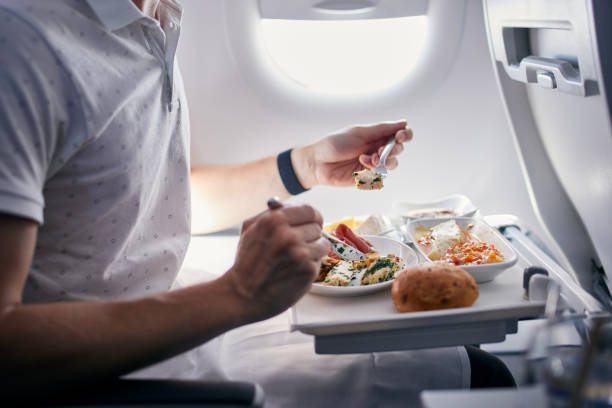
Kazakhstan’s flagship carrier, Air Astana, is introducing a new in-flight dining concept on international routes, offering business class passengers a taste of national cuisine reimagined through contemporary culinary techniques. The updated menu, available from June 2025, features dishes such as pumpkin-stuffed manty (dumplings), horsemeat tartare, and traditional desserts, part of a collaboration with the AUYL neo-nomadic cuisine restaurant and its chef, Ruslan Zakirov. Available from June, the menu also includes sweets infused with sesame, salted caramel, and balkaymak (a sweet made with camel's milk). “Our goal was to express Kazakhstan’s culture through flavor and a modern presentation,” said Zakirov, highlighting the project’s fusion of authenticity and innovation. The new offerings were tested on domestic flights during the Nauryz holiday and received overwhelmingly positive feedback, leading to their expansion to international routes. “We want passengers to feel at home, even at cruising altitude,” said Air Astana CEO Peter Foster. He added that the airline is committed to working with local producers and supporting small businesses, with plans to broaden the range of Kazakh-made products on board.  Vice President of Onboard Services Elena Obukhova noted that these initiatives enhance the airline’s cultural identity and create a unique travel experience for international guests. “It’s not just a menu, it’s Kazakhstan’s business card,” echoed Zakirov.  Beyond food, Air Astana has also updated its entertainment system. The airline now offers an expanded media library, including new movies, music, and audiobooks in Kazakh. With help from the National Library of Kazakhstan, passengers can listen to folk epics and modern interpretations of classic works. Long-haul business class passengers will also receive Moschino-branded travel kits containing cosmetics by the British brand TEMPLESPA. Cabin interiors now feature subtle elements reflecting Kazakh aesthetics. Air Astana’s efforts align with a broader shift in Kazakhstan’s tourism strategy. The Ministry of Tourism and Sports is now focusing on attracting high-spending travelers. “While growing numbers matter, quality should come first,” said Vice Minister Yerzhan Erkinbayev, who advocates for targeting tourists capable of spending $250 per day without overwhelming local infrastructure.  Kazakhstan, he added, is well-positioned to develop luxury tourism offerings, especially in its mountainous regions. Drawing on models from Barcelona, Milan, and the Alps, the country aims to build high-end infrastructure rather than pursue mass tourism. In this context, Air Astana’s gourmet in-flight service becomes more than just a culinary upgrade, it’s a strategic move to showcase Kazakhstan’s cultural sophistication and strengthen its appeal to discerning global travelers.