
• KGS/USD = 0.01144 0%
  • KZT/USD = 0.00204 0%
  • TJS/USD = 0.10422 -0.1%
  • UZS/USD = 0.00008 0%
  • TMT/USD = 0.28490 -0.28%
  • KGS/USD = 0.01144 0%
  • KZT/USD = 0.00204 0%
  • TJS/USD = 0.10422 -0.1%
  • UZS/USD = 0.00008 0%
  • TMT/USD = 0.28490 -0.28%
  • KGS/USD = 0.01144 0%
  • KZT/USD = 0.00204 0%
  • TJS/USD = 0.10422 -0.1%
  • UZS/USD = 0.00008 0%
  • TMT/USD = 0.28490 -0.28%
  • KGS/USD = 0.01144 0%
  • KZT/USD = 0.00204 0%
  • TJS/USD = 0.10422 -0.1%
  • UZS/USD = 0.00008 0%
  • TMT/USD = 0.28490 -0.28%
  • KGS/USD = 0.01144 0%
  • KZT/USD = 0.00204 0%
  • TJS/USD = 0.10422 -0.1%
  • UZS/USD = 0.00008 0%
  • TMT/USD = 0.28490 -0.28%
  • KGS/USD = 0.01144 0%
  • KZT/USD = 0.00204 0%
  • TJS/USD = 0.10422 -0.1%
  • UZS/USD = 0.00008 0%
  • TMT/USD = 0.28490 -0.28%
  • KGS/USD = 0.01144 0%
  • KZT/USD = 0.00204 0%
  • TJS/USD = 0.10422 -0.1%
  • UZS/USD = 0.00008 0%
  • TMT/USD = 0.28490 -0.28%
  • KGS/USD = 0.01144 0%
  • KZT/USD = 0.00204 0%
  • TJS/USD = 0.10422 -0.1%
  • UZS/USD = 0.00008 0%
  • TMT/USD = 0.28490 -0.28%

Viewing results 1 - 6 of 4

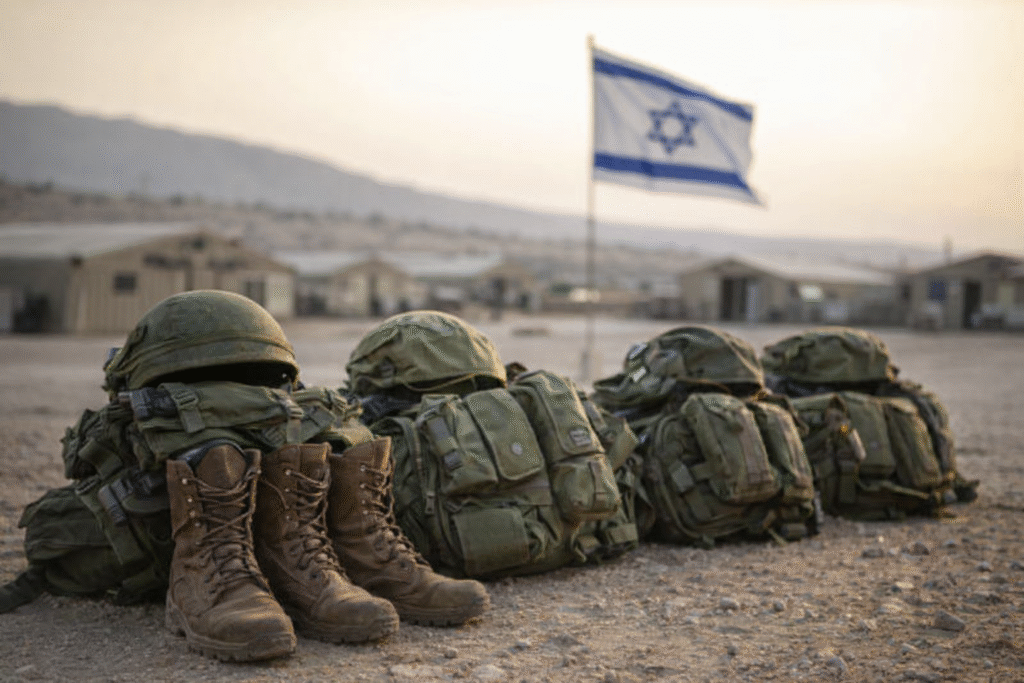
Hundreds of Central Asian Nationals Have Served in Israeli Army During Gaza War

Hundreds of citizens from Central Asia have served in the Israeli military during its ongoing campaign in Gaza, according to an analytical report published by Al Jazeera, which cited official data provided by Israeli sources. The data, shared with Al Jazeera by Israeli lawyer Elad Man, legal counsel for the organization Hatzlacha, indicates that as of March 2025, thousands of foreign nationals were enlisted in the Israeli army, 17 months after the outbreak of the war in Gaza in October 2023. Among them were 264 individuals holding Uzbek citizenship, according to the report. The publication noted that these individuals were described as belonging to five different ethnic groups, although their specific backgrounds were not disclosed. It was also stated that they hold Israeli citizenship in addition to Uzbek nationality. The figures suggest that foreign nationals serve in significant numbers within the Israeli military. Between 12,000 and 13,000 service members are reported to be U.S. citizens, forming the largest group. The data lists 6,127 French nationals, 5,067 Russian citizens, 3,901 Ukrainians, and 1,668 Germans. The Israeli military clarified that individuals with multiple citizenships are counted more than once in the country-by-country breakdown. In addition to Uzbekistan, other Central Asian states were represented. The report states that 189 citizens of Kazakhstan, 52 citizens of Kyrgyzstan, 31 citizens of Turkmenistan, and eight citizens of Tajikistan were serving in the Israeli armed forces. Since October 7, 2023, Israel’s military campaign in Gaza has resulted in at least 72,061 deaths, according to figures cited in the report. Human rights organizations have described aspects of the campaign as constituting war crimes and crimes against humanity. Rights groups have sought to identify and pursue legal action against foreign nationals allegedly involved in violations, including individuals who have shared footage from the conflict on social media. In March 2024, the International Centre of Justice for Palestinians launched the “Global 195” campaign, aimed at holding Israeli and dual-national individuals accountable for alleged crimes committed in Gaza. The initiative seeks to pursue private arrest warrants and initiate proceedings across multiple jurisdictions. For countries that are parties to the Rome Statute of the International Criminal Court, including Palestine, which acceded in 2015, the court may assert jurisdiction in relevant cases. Israel’s relations with Central Asia have drawn increased attention in recent years. In late 2025, Kazakhstan became the first Muslim-majority country outside the Middle East to join the Abraham Accords framework, while Uzbekistan has maintained longstanding diplomatic and trade ties with Israel. Analysts note that these established relations contrast with the more critical positions adopted by some European countries.


Central Asian Nations Rank Low in Global Mental Health Index

Mental health remains a significant challenge across Central Asia, with populations reporting high levels of distress and rising rates of self-harm. According to the Mental State of the World survey, Uzbekistan ranked 74th out of 82 countries on the Mental Health and Wellbeing Index, scoring 54.5 points. Kazakhstan followed at 76th (52.3), Kyrgyzstan at 79th (51.2), and Tajikistan at 80th (51.2). The global average stands at 63 points, suggesting that, on average, people around the world feel mentally stable and active for about 21 days each month. Experts point to a range of factors driving poor mental health in the region, including anxiety, depression, fatigue, loneliness, and unresolved personal issues. A joint survey by the UN Population Fund (UNFPA) and YouGov, which included more than 14,000 respondents across 14 countries, found that 32 percent had experienced unplanned pregnancies and 23 percent were unable to start families when they wished. Financial hardship was the most frequently cited barrier to wellbeing (39 percent), followed by job insecurity (21 percent), inadequate housing (19 percent), and fear of war or pandemics (19 percent). A study published in BMC Public Health reported age-standardized suicide rates per 100,000 people in 2019 as follows: Kazakhstan at 18.05; Uzbekistan and Kyrgyzstan both at 8.28; Turkmenistan at 6.07; and Tajikistan at 5.32. By comparison, the global suicide rate that year was approximately 9 per 100,000. Despite its relative economic strength, Kazakhstan ranked 17th globally for suicide rate in 2020, with 18 deaths per 100,000 people, according to World Health Organization (WHO) data. UNICEF has also recorded a disturbing trend among the country’s youth: between January and August 2024, over 2,300 self-harm incidents were reported, including 128 involving children aged 5 to 18. Among adolescents aged 15 to 19, self-harm has become the leading cause of death. Uzbekistan, which received the highest score in the region, is expanding access to counseling services and training school psychologists. Meanwhile, Kyrgyzstan and Tajikistan are piloting community-based mental health centers. However, specialists warn that without broader social reforms, such as stable employment, affordable housing, and gender equality, both reproductive and mental health will continue to fall short of international standards. “True progress means giving people freedom to choose and live without fear,” the UNFPA report concludes. For Central Asia, this requires greater investment in rights, services, and long-term wellbeing.