• KGS/USD = 0.01143 0%
  • KZT/USD = 0.00216 0%
  • TJS/USD = 0.10684 -0.28%
  • UZS/USD = 0.00008 0%
  • TMT/USD = 0.28571 0%
  • KGS/USD = 0.01143 0%
  • KZT/USD = 0.00216 0%
  • TJS/USD = 0.10684 -0.28%
  • UZS/USD = 0.00008 0%
  • TMT/USD = 0.28571 0%
  • KGS/USD = 0.01143 0%
  • KZT/USD = 0.00216 0%
  • TJS/USD = 0.10684 -0.28%
  • UZS/USD = 0.00008 0%
  • TMT/USD = 0.28571 0%
  • KGS/USD = 0.01143 0%
  • KZT/USD = 0.00216 0%
  • TJS/USD = 0.10684 -0.28%
  • UZS/USD = 0.00008 0%
  • TMT/USD = 0.28571 0%
  • KGS/USD = 0.01143 0%
  • KZT/USD = 0.00216 0%
  • TJS/USD = 0.10684 -0.28%
  • UZS/USD = 0.00008 0%
  • TMT/USD = 0.28571 0%
  • KGS/USD = 0.01143 0%
  • KZT/USD = 0.00216 0%
  • TJS/USD = 0.10684 -0.28%
  • UZS/USD = 0.00008 0%
  • TMT/USD = 0.28571 0%
  • KGS/USD = 0.01143 0%
  • KZT/USD = 0.00216 0%
  • TJS/USD = 0.10684 -0.28%
  • UZS/USD = 0.00008 0%
  • TMT/USD = 0.28571 0%
  • KGS/USD = 0.01143 0%
  • KZT/USD = 0.00216 0%
  • TJS/USD = 0.10684 -0.28%
  • UZS/USD = 0.00008 0%
  • TMT/USD = 0.28571 0%

Viewing results 1 - 6 of 9

Uzbekistan’s Economy to Remain Strong in 2026, IMF Forecasts 6.8% Growth

The International Monetary Fund (IMF) has released its latest assessment of Uzbekistan’s economy, reporting strong growth in 2025 alongside recommendations for continued fiscal discipline and structural reforms. According to the IMF, Uzbekistan’s real GDP grew by 7.7% in 2025, driven by robust domestic consumption and investment. Growth was broad-based, with the services and construction sectors expanding the fastest. At the same time, the unemployment rate declined to 4.8%, down 0.7 percentage points from the previous year. Inflation showed a downward trend, with annual consumer price growth falling to 7.3% by the end of 2025, compared to 9.8% a year earlier. The IMF attributed this to the fading impact of energy price increases introduced in May 2024, a stronger national currency, and what it described as an “appropriately tight monetary policy stance.” Core inflation also declined over the same period. External balances improved. The current account deficit narrowed to 3.9% of GDP, supported by strong exports and remittance inflows. International reserves remained stable, covering around 13 months of imports, while the fiscal deficit fell to 2.1% of GDP, below the government’s 3% target. “The economic outlook remains favorable,” the IMF said, while pointing to increasing global uncertainties, particularly linked to geopolitical tensions and the conflict in the Middle East. Economic growth is projected at 6.8% in 2026, before moderating to around 6% in 2027. Inflation is expected to remain above the Central Bank’s 5% target in 2026, partly due to higher global oil prices, before easing toward the target level in 2027. The IMF stressed that monetary policy should remain focused on price stability, noting that the policy rate has been held at 14% since March 2025. The report also highlighted risks related to global economic conditions, including trade disruptions and commodity price volatility, as well as domestic challenges such as potential pressure for increased public spending and vulnerabilities linked to state-owned enterprises. The IMF recommended limiting additional government spending in 2026 to avoid fuelling inflation. It also called for targeted social support measures instead of broad subsidies, alongside continued reforms in tax policy, public financial management, and state-owned enterprises. Further recommendations included accelerating the privatisation of state-owned banks, strengthening financial sector oversight, and improving governance standards. The IMF also emphasised the importance of maintaining exchange rate flexibility to help the economy absorb external shocks. The findings build on last year’s IMF assessment, which reported 7.6% growth in the first nine months of 2025, also driven by strong consumption and investment, while inflation showed signs of easing.

Uzbekistan’s International Reserves Decline After Seven Months of Growth

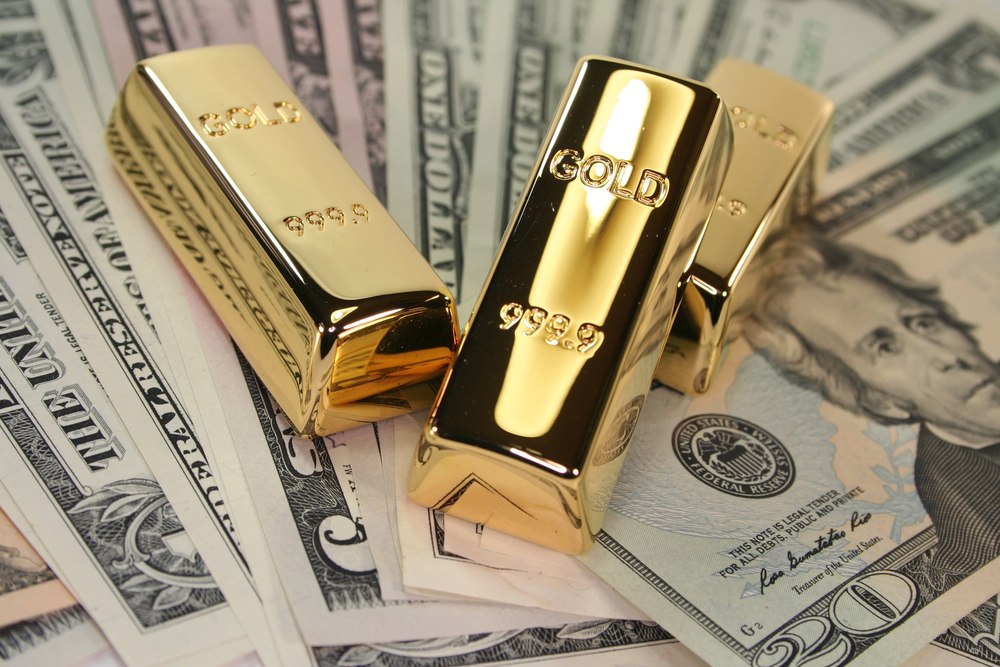
Uzbekistan’s gold and foreign currency reserves declined in March after seven consecutive months of growth, according to data released by the Central Bank. As of April 1, the country’s total international reserves stood at more than $68.99 billion, marking a monthly decrease of over $8.09 billion, or around 10%. The Central Bank attributed the drop primarily to a fall in global gold prices during March, when the price per ounce declined from $5,174.1 to $4,553.95. Gold remains the largest component of Uzbekistan’s reserves. Its total value fell by $6.82 billion to $60.85 billion, ending an eight-month growth streak. At the same time, the physical volume of gold held by the Central Bank continued to increase, rising by 0.3 million troy ounces to reach 13.4 million troy ounces, or approximately 416.8 tons. Foreign currency reserves also declined over the same period. In March, they dropped by $1.26 billion, or 14.3%, to $7.57 billion. Of this amount, $1.3 billion is held in foreign central banks and the International Monetary Fund, while $4.71 billion is deposited in foreign commercial banks. In addition, the value of foreign securities purchased by the Central Bank reached $1.545 billion, accounting for 2.24% of total reserves. The latest figures follow a period of strong growth in Uzbekistan’s reserves. As previously reported by The Times of Central Asia, the country’s international reserves rose sharply in 2025, increasing by $25.1 billion to reach a record $66.3 billion as of January 1, 2026. This growth, equivalent to a 61% increase over the year, was largely driven by high global gold prices, alongside gains in foreign currency holdings.

Uzbekistan’s International Reserves Hit Record $66.3 Billion

Uzbekistan’s international reserves surged in 2025, rising by $25.1 billion to reach a record $66.3 billion as of January 1, 2026, according to the Central Bank of Uzbekistan. This 61% increase compared to the start of the year was primarily driven by rising global gold prices, although foreign currency reserves also grew significantly. In December alone, gold and foreign exchange reserves increased by $5.08 billion, an 8.3% month-on-month gain. This marks the highest reserve level since the Central Bank began publishing official statistics in 2013. Gold remained the dominant contributor to the increase. According to the Central Bank, the value of gold in the country’s reserves rose by more than $4.23 billion in December, reaching $55.09 billion. The physical volume of gold holdings also expanded, growing from 12.2 million to 12.6 million troy ounces, an increase of 0.4 million ounces in just one month. Earlier in 2025, Uzbekistan’s gold strategy diverged from global trends. In September, the World Gold Council reported that Uzbekistan was the only country to record net gold sales. While most central banks were increasing their reserves, the Central Bank of Uzbekistan reduced its holdings during that period.