


Tajikistan’s Paperless Trade Reforms Aim to Reduce Border Delays
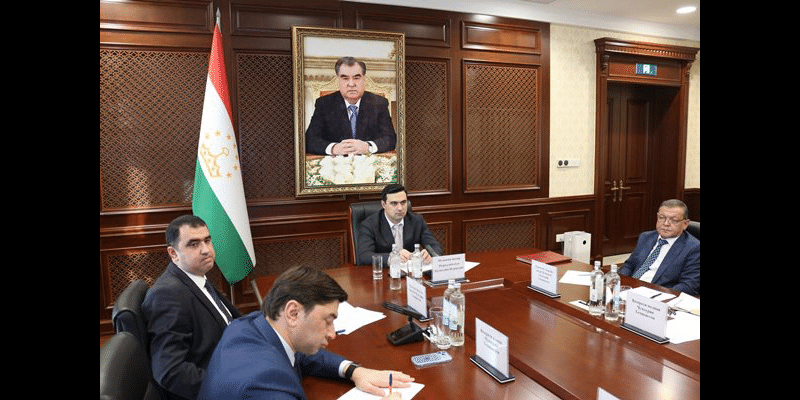
Tajik exporters can apply for trade certificates online, but some shipments still need paper copies to clear customs. Tajikistan is working with its Central Asian trading partners to exchange and recognize electronic documents so goods can cross borders faster and at lower cost. At its November 23 meeting, Tajikistan’s Coordinating Committee on Trade Facilitation reviewed the work of a group implementing an Asia-Pacific agreement on paperless trade. In its account of the meeting, the Ministry of Economic Development and Trade gave no launch date for cross-border exchanges and named no partner countries. Since 2020, Tajik businesses have been able to use a single online platform to apply for 24 types of permits and certificates from 11 government agencies. A 2025 feasibility study by the United Nations Economic and Social Commission for Asia and the Pacific (ESCAP) examined how exporters shipped goods from Tajikistan to Kazakhstan. Exporters could apply electronically for a certificate of origin, which identifies where goods were produced. They still had to give the carrier a paper copy to present to Kazakh customs officials. ESCAP identified Kazakhstan as a potential partner for a pilot project to exchange certificates of origin electronically. It estimated that the system would cost the two countries $314,400 to set up and could save government agencies about $204,000 a year and businesses a further $202,000. Tajikistan and Uzbekistan signed an agreement on March 26, 2026, to exchange and recognize electronic certificates of origin. At an April 30 meeting in Tashkent, technical experts from both countries discussed what data to exchange and how to transmit it. Differences in national regulations remain an obstacle. Businesses consulted by the Organisation for Economic Co-operation and Development (OECD) reported delays at Uzbek border crossings when plant health inspectors requested certificates that Tajikistan did not routinely issue. Companies also cited unclear requirements for transport documents and discrepancies between the Tajik and Russian versions of Tajikistan’s regulations. Tajikistan ranked third in Europe and Central Asia for the pace of trade facilitation reforms between 2022 and 2024, according to the OECD. Its overall score in 2024 was lower than those of Kazakhstan and Kyrgyzstan. Tajikistan’s foreign trade rose 35.1% year on year to $11.79 billion in the first ten months of 2026. Imports increased by 41.2%, while exports grew by 15.2%. China remained the country’s largest trading partner, followed by Russia and Kazakhstan.
