• KZT/USD = 0.00225
  • TJS/USD = 0.10860
  • UZS/USD = 0.00008
  • TMT/USD = 0.29850
  • KZT/USD = 0.00225
  • TJS/USD = 0.10860
  • UZS/USD = 0.00008
  • TMT/USD = 0.29850
  • KZT/USD = 0.00225
  • TJS/USD = 0.10860
  • UZS/USD = 0.00008
  • TMT/USD = 0.29850
  • KZT/USD = 0.00225
  • TJS/USD = 0.10860
  • UZS/USD = 0.00008
  • TMT/USD = 0.29850
  • KZT/USD = 0.00225
  • TJS/USD = 0.10860
  • UZS/USD = 0.00008
  • TMT/USD = 0.29850
  • KZT/USD = 0.00225
  • TJS/USD = 0.10860
  • UZS/USD = 0.00008
  • TMT/USD = 0.29850
  • KZT/USD = 0.00225
  • TJS/USD = 0.10860
  • UZS/USD = 0.00008
  • TMT/USD = 0.29850
  • KZT/USD = 0.00225
  • TJS/USD = 0.10860
  • UZS/USD = 0.00008
  • TMT/USD = 0.29850
17 November 2026

Viewing results 1 - 6 of 2

Kazakhstan Uranium Reserve Planned by End of 2027

Kazakhstan, the world’s largest uranium producer, plans to create a state strategic uranium reserve by the end of 2027 to secure fuel supplies for its future nuclear power plants. Deputy Prime Minister and National Economy Minister Serik Zhumangarin announced the deadline at a government meeting on November 3. The country’s nuclear development strategy calls for reserving at least 150,000 metric tons of uranium by 2050. Atomic Energy Agency Chairman Almassadam Satkaliyev said on November 2 that the reserve could include deposits left underground, physical stocks of natural uranium, and manufactured nuclear fuel. The government has not announced how much material will be held in each form or how the reserve will be financed. Most of Kazakhstan’s uranium output is exported. In 2026, national uranium company Kazatomprom signed new supply contracts with energy companies in China and India. The company is also exploring six sites covering more than 1,000 square kilometers and plans to begin exploration at the Kyzyltu site. Kazakhstan approved the construction of its first plant under the new nuclear program in an October 2024 referendum. Its longer-term plans envisage at least three plants operating by 2050, reintroducing nuclear generation into an electricity system still heavily dependent on coal. The first plant, Balkhash, is planned near the village of Ulken in the Zhambyl district of the Almaty region. Russia’s Rosatom will lead construction of the two-reactor facility, with a combined generating capacity of 2.4 gigawatts. Construction is scheduled to begin in 2027, with commissioning provisionally expected in 2037–2038. China National Nuclear Corporation has been selected to lead the second project, Moyynkum, in the same district near Lake Balkhash. Kazakhstan plans to sign an intergovernmental agreement on the project by the end of 2027. For a third nuclear power plant, it is considering Kurchatov in eastern Kazakhstan and a location in the west of the country, although no final site has been announced. Kazakhstan’s vast uranium deposits do not eliminate the need for international partners to produce reactor fuel. Natural uranium must undergo further processing, including enrichment to make it suitable for the planned reactors, before being manufactured into fuel assemblies, or bundles of fuel rods. Kazakhstan already produces these assemblies at the Kazakh-Chinese Ulba-FA fuel assembly plant in Oskemen. The facility reached its annual design capacity of 200 metric tons of low-enriched uranium in fuel assemblies in 2024. It supplies Chinese reactors using manufacturing technology from France’s Framatome and uranium enriched in Russia.

Two Locations Considered for Kazakhstan’s Third Nuclear Power Plant

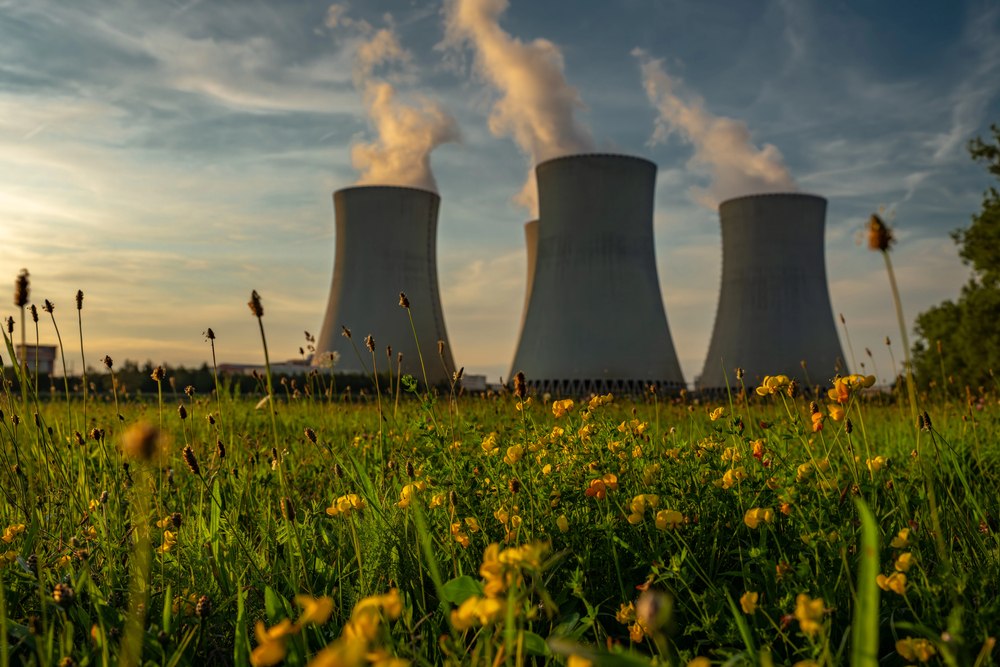
Kazakhstan is considering two possible locations for its third nuclear power plant: the city of Kurchatov in the east of the country and an as-yet-unspecified site in western Kazakhstan. Almassadam Satkaliyev, chairman of the Atomic Energy Agency, outlined the options at a parliamentary committee meeting on November 2, according to Kazinform. He said a medium-capacity plant of 300 to 600 megawatts is being considered. In addition to generating electricity, it could supply heat and desalinate water. The potential sites were identified through preliminary studies; a final location has not yet been selected. Kurchatov, in the Abai region, supported operations at the Semipalatinsk nuclear test site during the Soviet era and is now home to Kazakhstan’s National Nuclear Center. In western Kazakhstan, the BN-350 fast-neutron reactor in Aktau operated until 1999, generating electricity and desalinating water. “Western Kazakhstan has unique experience operating a reactor. Kurchatov is a city of nuclear specialists. All the necessary expertise is available,” Satkaliyev said. In the October 6, 2024, referendum, 71.12% of participants voted in favor of building a nuclear power plant. In April 2026, Kazakhstan adopted a nuclear industry strategy calling for at least three plants to be operational by 2050. The first plant, Balkhash, is planned near the village of Ulken on the shore of Lake Balkhash, in the Zhambyl district of the Almaty region, with the involvement of Russia’s state nuclear corporation Rosatom. The project calls for two reactors with a combined capacity of 2.4 gigawatts. The first reactor is expected to enter service in 2034. Satkaliyev said engineering surveys at the Balkhash site are nearing completion, with construction scheduled to begin in 2027. Preparatory work began in August 2025. The same district has been selected for the second plant, provisionally named Moyynkum. China National Nuclear Corporation is the preferred contractor for the project. According to estimates cited by Satkaliyev, more than 10,000 workers will be needed at the peak of construction of a single plant with two reactors, and about 1,800 specialists will be needed to operate it. The government approved a comprehensive plan on September 23 to train personnel for the nuclear industry in 2027–2031. It provides for updated curricula, training and internships, and the development of educational infrastructure and international cooperation. In 2025, six universities in Kazakhstan were training specialists for the nuclear industry, with about 1,000 students enrolled in related engineering programs. Kazakhstan is also planning a state strategic uranium reserve to fuel its future nuclear power plants. Satkaliyev said the nuclear industry strategy calls for reserving at least 150,000 metric tons of uranium by 2050. The reserve could include uranium deposits left underground as well as physical stocks of natural uranium and nuclear fuel. The mechanisms for creating the reserve are still being developed.