


Samarkand’s CoP20 Opens with High-Stakes Debates on Wildlife Trade and Species Protection
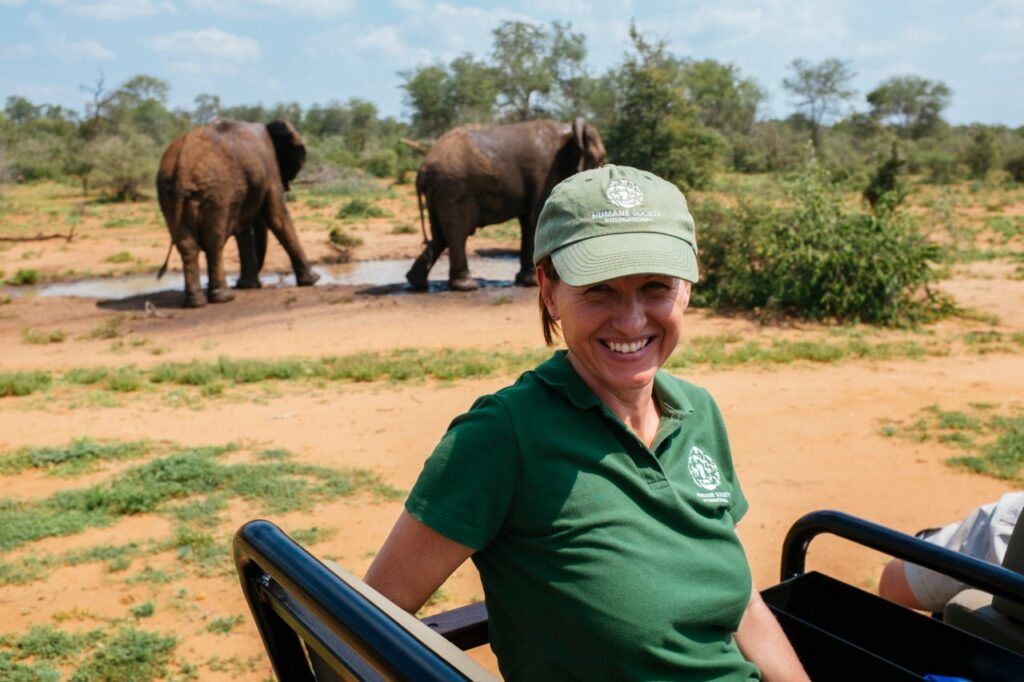
The world’s largest conference on wildlife trade opened last week in Samarkand, drawing nearly 3,000 delegates to Uzbekistan for two weeks of critical negotiations that could reshape global conservation policy. The 20th meeting of the Conference of the Parties to the Convention on International Trade in Endangered Species of Wild Fauna and Flora (CITES CoP20) is being held in Central Asia for the first time, a region increasingly impacted by transcontinental wildlife trafficking routes connecting Africa and Asia. Hosted by Uzbekistan’s National Committee on Ecology and Climate Change, CoP20 carries the theme “CITES at 50 in Samarkand: Bridging Nature and People,” commemorating five decades of global conservation under the Convention and echoing the city’s legacy as a historic crossroads of commerce and ideas. One of the central issues dominating this year’s meeting is a series of proposals concerning African megafauna, particularly elephants, rhinos, and giraffes. These proposals, submitted by several African range states, challenge the extent to which legal trade in vulnerable species should be permitted, given decades of poaching and habitat degradation. Audrey Delsink, Senior Director at Humane World for Animals, warned of the dangers these proposals pose. “All the species proposals concerning African megafauna are highly concerning because of the impact they will have on the respective species and the repercussions on illegal trade should the proposals be accepted,” she told The Times of Central Asia. Among the most controversial is a joint proposal by Namibia, South Africa, Tanzania, and Zimbabwe to remove most southern African giraffe populations from CITES Appendix II. Delsink cautioned that this would create a fragmented regulatory regime, complicating enforcement. “It is very difficult to differentiate bones and pelts of the different species and subspecies, making it easy to launder endangered giraffe species through the system,” she said. With wild giraffe populations estimated at fewer than 120,000, any weakening of controls could prove disastrous. Similar concerns surround Namibia’s proposal to sell ivory from registered government stockpiles. Delsink warned that the legal ivory trade has historically masked illicit flows and could trigger renewed poaching. “Legal trade provides a cover for illegal ivory and fuels illegal trade, poaching, and consumer demand,” she said, noting that CITES members have rejected such proposals for nearly two decades. Central Asian countries, increasingly used as transit corridors for high-value wildlife contraband, are becoming key players in enforcement. Smuggling networks exploit Eurasian air, rail, and road links to move products such as ivory, rhino horn, and exotic animals. Delsink highlighted the “Samarkand Declaration and Action Plan (2025-2032),” signed this week by Kazakhstan, Kyrgyzstan, Tajikistan, Turkmenistan, and Uzbekistan, as a major step toward regional coordination. The agreement commits signatories to harmonize laws and improve intelligence-sharing mechanisms. [caption id="attachment_40166" align="aligncenter" width="2560"] Image: National Committee on Ecology of Uzbekistan[/caption] “Intelligence-led operations and rapid information exchange between agencies can disrupt organized crime networks that exploit porous borders,” Delsink said. She also underscored the need for customs modernization and officer training, supported by organizations such as TRAFFIC and the UN Office on Drugs and Crime. Beyond...
