
• KGS/USD = 0.01144 0%
  • KZT/USD = 0.00200 0%
  • TJS/USD = 0.10553 -0.19%
  • UZS/USD = 0.00008 0%
  • TMT/USD = 0.28571 0.28%
  • KGS/USD = 0.01144 0%
  • KZT/USD = 0.00200 0%
  • TJS/USD = 0.10553 -0.19%
  • UZS/USD = 0.00008 0%
  • TMT/USD = 0.28571 0.28%
  • KGS/USD = 0.01144 0%
  • KZT/USD = 0.00200 0%
  • TJS/USD = 0.10553 -0.19%
  • UZS/USD = 0.00008 0%
  • TMT/USD = 0.28571 0.28%
  • KGS/USD = 0.01144 0%
  • KZT/USD = 0.00200 0%
  • TJS/USD = 0.10553 -0.19%
  • UZS/USD = 0.00008 0%
  • TMT/USD = 0.28571 0.28%
  • KGS/USD = 0.01144 0%
  • KZT/USD = 0.00200 0%
  • TJS/USD = 0.10553 -0.19%
  • UZS/USD = 0.00008 0%
  • TMT/USD = 0.28571 0.28%
  • KGS/USD = 0.01144 0%
  • KZT/USD = 0.00200 0%
  • TJS/USD = 0.10553 -0.19%
  • UZS/USD = 0.00008 0%
  • TMT/USD = 0.28571 0.28%
  • KGS/USD = 0.01144 0%
  • KZT/USD = 0.00200 0%
  • TJS/USD = 0.10553 -0.19%
  • UZS/USD = 0.00008 0%
  • TMT/USD = 0.28571 0.28%
  • KGS/USD = 0.01144 0%
  • KZT/USD = 0.00200 0%
  • TJS/USD = 0.10553 -0.19%
  • UZS/USD = 0.00008 0%
  • TMT/USD = 0.28571 0.28%
21 February 2026

Viewing results 1 - 6 of 6

Kyrgyzstan Sets Higher Capital Thresholds for Commercial Banks

The National Bank of the Kyrgyz Republic (NBKR) has approved new minimum capital requirements for commercial banks, including foreign bank branches, which will take effect in January 2026. Under the revised regulations, the minimum authorized capital must reach $34.5 million by 2030. The central bank stated that the increase is intended to foster a more resilient and stable banking sector. To mitigate the impact on existing financial institutions, the capital thresholds will be raised incrementally over the coming years. According to the schedule, commercial banks must raise their authorized capital to: $9 million by July 1, 2026 $11.5 million by July 2026 $17.1 million by July 2027 $23 million by July 1, 2028 $28.6 million by July 1, 2029 $34.5 million by July 2030 Systemically important banks, defined as the largest players in the market, will face stricter standards. These institutions must raise their authorized capital to $91.5 million. If designated as systemically important, a bank will have one year to meet the authorized capital requirement and three months to bring its regulatory capital in line, according to the NBKR. Previously, the minimum authorized capital for commercial banks stood at $9.1 million, and $22.8 million for systemically important institutions. The NBKR said the revised requirements reflect the growth of both the national economy and the banking sector. The banking industry in Kyrgyzstan is expanding rapidly. As of the end of October 2025, the sector's total assets reached $12.8 billion, an increase of 38% since the beginning of the year. Customer deposits climbed to $9.1 billion, marking a 35% rise. The growth is largely attributed to higher interest income from loans. There are currently 21 commercial banks and 306 branches operating across the country.
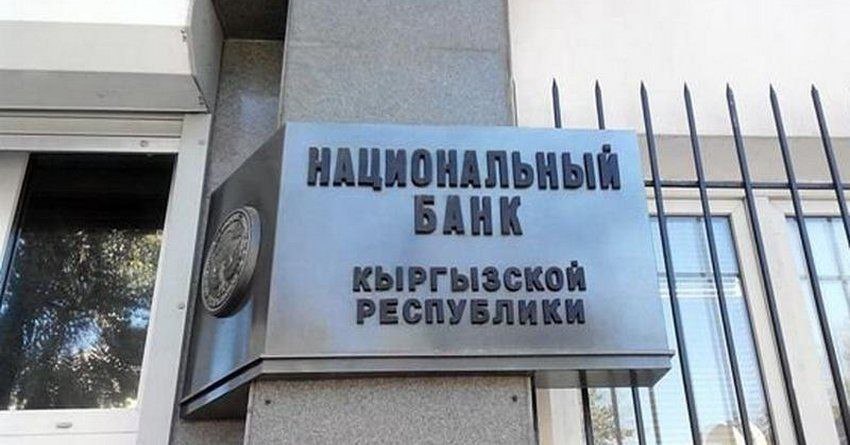

National Bank of Kyrgyzstan Reports Profit Surge in 2025

The National Bank of the Kyrgyz Republic (NBKR), the country’s central bank, reported a net profit of 33.2 billion soms (about $380.7 million) for the first nine months of 2025, nearly 13 times higher than in the same period last year. The sharp increase was driven by gains from monetary gold transactions, the revaluation of foreign currency reserves, and overall asset appreciation. According to the central bank, gold now accounts for around $5 billion of its total assets, a 2.5-fold rise from 2024. Gold holdings currently represent about half of the NBKR’s total assets. Officials attributed the growth to the bank’s risk-diversification strategy and higher global gold prices. The NBKR also reported a rise in household investment in government securities, reflecting stronger public confidence in domestic financial instruments. While the overall asset structure remains stable, several notable shifts have occurred. The volume of nonmonetary gold and bullion has declined to $1.1 billion, reflecting strong demand from the jewelry industry and increased gold exports. Gold continues to be a key contributor to Kyrgyzstan’s export portfolio. The commercial banking sector is also expanding. The total loan portfolio reached $2 billion, up from $1.5 billion a year earlier. As previously reported by The Times of Central Asia, Kyrgyzstan’s GDP grew by 11.5% in January–July 2025, supported by strong investment in finance, manufacturing, and construction. Construction firms have been borrowing more from local banks, which are expanding lending to meet rising demand from businesses.