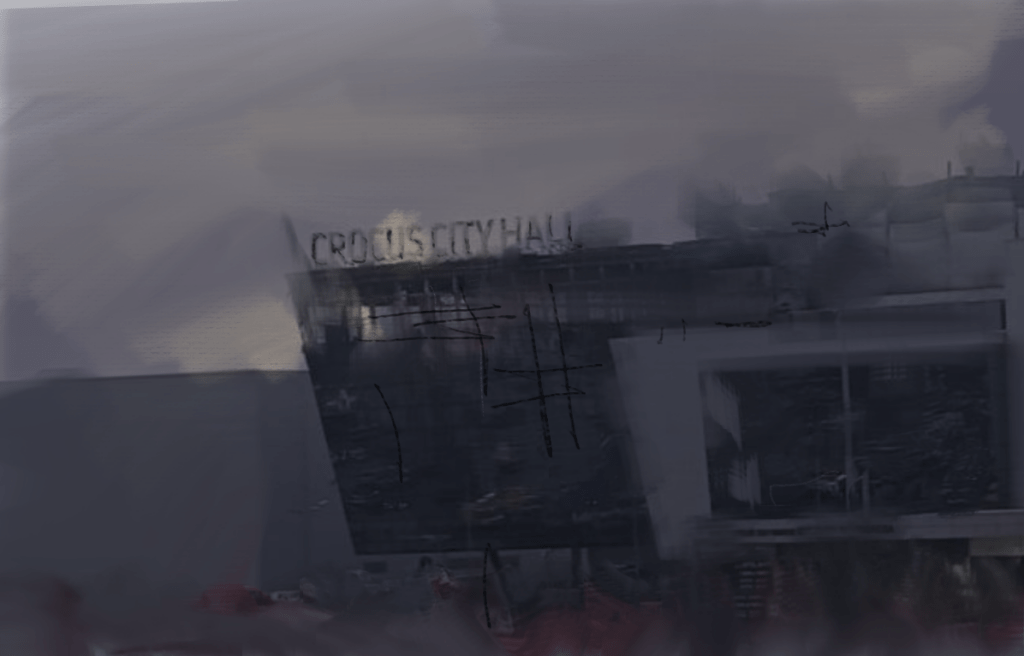
Appeals Filed Against Life Sentences in Crocus City Hall Attack Case
Lawyers representing those convicted of carrying out the 2024 attack at Crocus City Hall have filed appeals against the court’s verdict, arguing that the sentences are excessively harsh, Russian state media reported. According to Russia’s state news agency TASS, defense attorneys have submitted initial appeals on behalf of the main perpetrators and several accomplices following a ruling by the 2nd Western District Military Court. Earlier, the Russian outlet RBC reported that the four gunmen who carried out the attack were sentenced to life imprisonment. The court ruled that they would serve extended initial terms in prison under the strictest conditions before being transferred to high-security penal colonies. In addition to life sentences, the defendants were ordered to pay fines of nearly 1 million rubles (approximately $12,139) each. The court also handed down severe sentences to a number of accomplices. Several received life terms, while others were given lengthy prison sentences of more than 20 years. Financial penalties imposed on accomplices ranged from hundreds of thousands to several million rubles. The attack took place on March 22, 2024, in Krasnogorsk, in the Moscow Region. According to investigators, armed assailants entered the concert venue, opened fire on the audience, and set the building on fire. The assault left 149 people dead and more than 550 injured, and the venue was largely destroyed. During the trial, which lasted around seven months, prosecutors had requested life sentences for the main perpetrators along with substantial fines. They argued that the defendants had undergone training for terrorist activities, illegally handled weapons, and participated in a terrorist organization. At the same time, lawyers representing victims expressed dissatisfaction with parts of the ruling. As cited by RBC, some legal representatives said they had sought even stricter prison conditions for the perpetrators, including longer periods in high-security prisons before transfer to penal colonies. Under Russian law, sentences served in prisons differ significantly from those served in penal colonies. Prison regimes are typically stricter, with limited visitation rights, reduced access to parcels, and tighter daily controls. Both the defense and representatives of victims are now seeking to challenge aspects of the verdict through the appeals process.