
• KGS/USD = 0.01143 0%
  • KZT/USD = 0.00213 0%
  • TJS/USD = 0.10593 0.47%
  • UZS/USD = 0.00008 0%
  • TMT/USD = 0.28571 0%
  • KGS/USD = 0.01143 0%
  • KZT/USD = 0.00213 0%
  • TJS/USD = 0.10593 0.47%
  • UZS/USD = 0.00008 0%
  • TMT/USD = 0.28571 0%
  • KGS/USD = 0.01143 0%
  • KZT/USD = 0.00213 0%
  • TJS/USD = 0.10593 0.47%
  • UZS/USD = 0.00008 0%
  • TMT/USD = 0.28571 0%
  • KGS/USD = 0.01143 0%
  • KZT/USD = 0.00213 0%
  • TJS/USD = 0.10593 0.47%
  • UZS/USD = 0.00008 0%
  • TMT/USD = 0.28571 0%
  • KGS/USD = 0.01143 0%
  • KZT/USD = 0.00213 0%
  • TJS/USD = 0.10593 0.47%
  • UZS/USD = 0.00008 0%
  • TMT/USD = 0.28571 0%
  • KGS/USD = 0.01143 0%
  • KZT/USD = 0.00213 0%
  • TJS/USD = 0.10593 0.47%
  • UZS/USD = 0.00008 0%
  • TMT/USD = 0.28571 0%
  • KGS/USD = 0.01143 0%
  • KZT/USD = 0.00213 0%
  • TJS/USD = 0.10593 0.47%
  • UZS/USD = 0.00008 0%
  • TMT/USD = 0.28571 0%
  • KGS/USD = 0.01143 0%
  • KZT/USD = 0.00213 0%
  • TJS/USD = 0.10593 0.47%
  • UZS/USD = 0.00008 0%
  • TMT/USD = 0.28571 0%

Viewing results 1 - 6 of 7

Uzbekistan’s International Reserves Decline After Seven Months of Growth

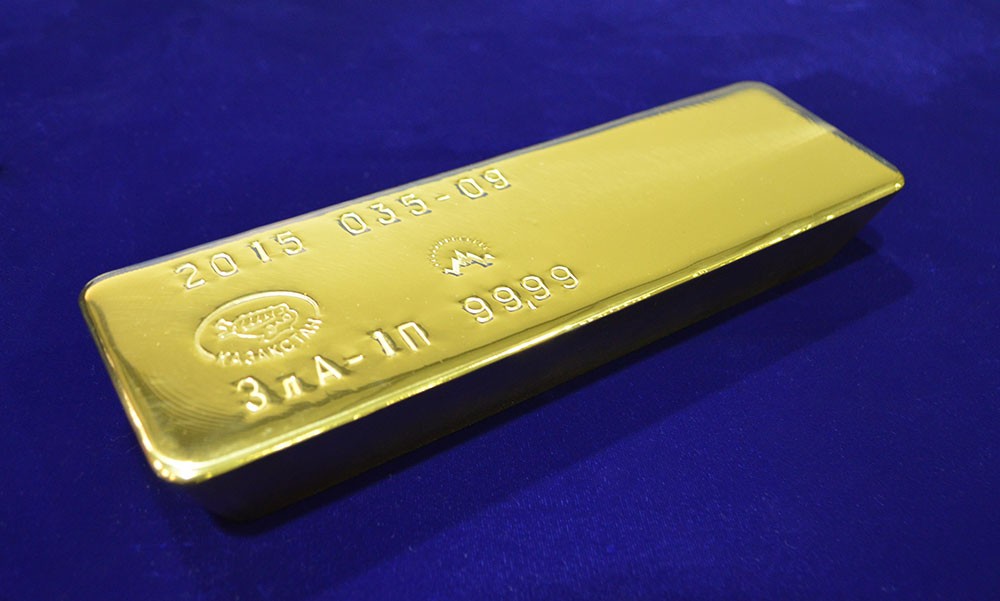
Uzbekistan’s gold and foreign currency reserves declined in March after seven consecutive months of growth, according to data released by the Central Bank. As of April 1, the country’s total international reserves stood at more than $68.99 billion, marking a monthly decrease of over $8.09 billion, or around 10%. The Central Bank attributed the drop primarily to a fall in global gold prices during March, when the price per ounce declined from $5,174.1 to $4,553.95. Gold remains the largest component of Uzbekistan’s reserves. Its total value fell by $6.82 billion to $60.85 billion, ending an eight-month growth streak. At the same time, the physical volume of gold held by the Central Bank continued to increase, rising by 0.3 million troy ounces to reach 13.4 million troy ounces, or approximately 416.8 tons. Foreign currency reserves also declined over the same period. In March, they dropped by $1.26 billion, or 14.3%, to $7.57 billion. Of this amount, $1.3 billion is held in foreign central banks and the International Monetary Fund, while $4.71 billion is deposited in foreign commercial banks. In addition, the value of foreign securities purchased by the Central Bank reached $1.545 billion, accounting for 2.24% of total reserves. The latest figures follow a period of strong growth in Uzbekistan’s reserves. As previously reported by The Times of Central Asia, the country’s international reserves rose sharply in 2025, increasing by $25.1 billion to reach a record $66.3 billion as of January 1, 2026. This growth, equivalent to a 61% increase over the year, was largely driven by high global gold prices, alongside gains in foreign currency holdings.
Uzbekistan’s International Reserves Hit Record $66.3 Billion

Uzbekistan’s international reserves surged in 2025, rising by $25.1 billion to reach a record $66.3 billion as of January 1, 2026, according to the Central Bank of Uzbekistan. This 61% increase compared to the start of the year was primarily driven by rising global gold prices, although foreign currency reserves also grew significantly. In December alone, gold and foreign exchange reserves increased by $5.08 billion, an 8.3% month-on-month gain. This marks the highest reserve level since the Central Bank began publishing official statistics in 2013. Gold remained the dominant contributor to the increase. According to the Central Bank, the value of gold in the country’s reserves rose by more than $4.23 billion in December, reaching $55.09 billion. The physical volume of gold holdings also expanded, growing from 12.2 million to 12.6 million troy ounces, an increase of 0.4 million ounces in just one month. Earlier in 2025, Uzbekistan’s gold strategy diverged from global trends. In September, the World Gold Council reported that Uzbekistan was the only country to record net gold sales. While most central banks were increasing their reserves, the Central Bank of Uzbekistan reduced its holdings during that period.

Uzbekistan’s Gold Reserves Drop by $1.7 Billion in December

Uzbekistan’s international reserves declined in November, with the Central Bank of Uzbekistan reporting a decrease of $1.7 billion, or approximately 3.9%, bringing the total reserves to $41.5 billion as of December 1. The country’s gold reserves, which form a significant part of its international assets, saw a decrease in value by $623 million—from $33.4 billion to $32.7 billion—despite a slight increase in the physical volume of gold to 12.3 million troy ounces. Meanwhile, assets in freely convertible currency dropped by $1.04 billion in November, reaching $8.2 billion. This decrease is mirrored in the cash held in foreign accounts by the Central Bank, which also fell by $1.04 billion to $8.08 billion. Of this, $370.1 million is held in accounts with other central banks and the International Monetary Fund (IMF), while the remaining $7.7 billion is distributed among foreign financial institutions. In contrast to the decline in gold and currency reserves, the value of securities purchased by the Central Bank rose slightly, increasing by $101.3 million during the same period. Uzbekistan’s international reserves had reached a record high of $39.15 billion as of September 1, a peak since the country began disclosing reserve data in 2018. While November’s decline marks a significant drop, the reserves remain above the levels recorded earlier in the year. The fluctuation in Uzbekistan’s reserves reflects changing global market conditions and highlights the dynamics of managing gold and foreign currency assets. As the Central Bank navigates these challenges, the stability and long-term outlook of Uzbekistan’s financial reserves remain areas to watch closely.
