• KGS/USD = 0.01144 0%
  • KZT/USD = 0.00197 -0%
  • TJS/USD = 0.10904 0%
  • UZS/USD = 0.00008 0%
  • TMT/USD = 0.28490 0%
  • KGS/USD = 0.01144 0%
  • KZT/USD = 0.00197 -0%
  • TJS/USD = 0.10904 0%
  • UZS/USD = 0.00008 0%
  • TMT/USD = 0.28490 0%
  • KGS/USD = 0.01144 0%
  • KZT/USD = 0.00197 -0%
  • TJS/USD = 0.10904 0%
  • UZS/USD = 0.00008 0%
  • TMT/USD = 0.28490 0%
  • KGS/USD = 0.01144 0%
  • KZT/USD = 0.00197 -0%
  • TJS/USD = 0.10904 0%
  • UZS/USD = 0.00008 0%
  • TMT/USD = 0.28490 0%
  • KGS/USD = 0.01144 0%
  • KZT/USD = 0.00197 -0%
  • TJS/USD = 0.10904 0%
  • UZS/USD = 0.00008 0%
  • TMT/USD = 0.28490 0%
  • KGS/USD = 0.01144 0%
  • KZT/USD = 0.00197 -0%
  • TJS/USD = 0.10904 0%
  • UZS/USD = 0.00008 0%
  • TMT/USD = 0.28490 0%
  • KGS/USD = 0.01144 0%
  • KZT/USD = 0.00197 -0%
  • TJS/USD = 0.10904 0%
  • UZS/USD = 0.00008 0%
  • TMT/USD = 0.28490 0%
  • KGS/USD = 0.01144 0%
  • KZT/USD = 0.00197 -0%
  • TJS/USD = 0.10904 0%
  • UZS/USD = 0.00008 0%
  • TMT/USD = 0.28490 0%
08 December 2025

Viewing results 1 - 6 of 2

Karaganda Engineers Unveil Safety-Enhancing Drone Prototypes

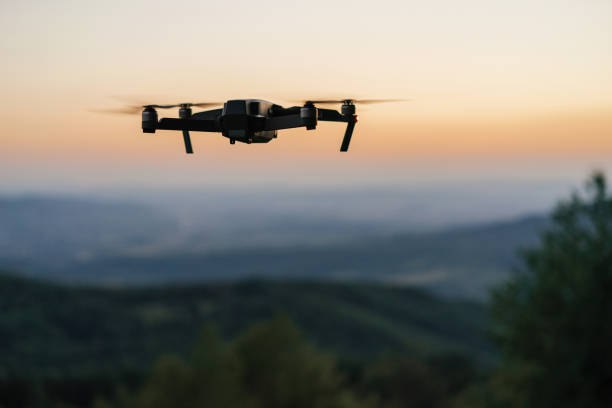
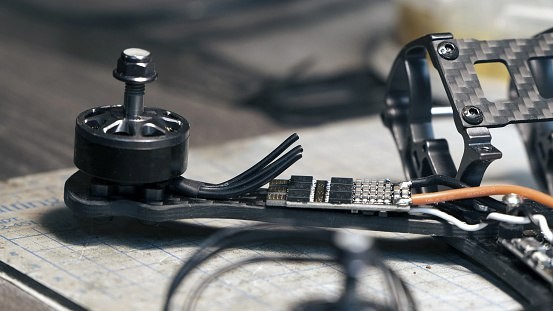
The Karaganda-based research and production association Perspektiva has unveiled three prototypes of unmanned aerial vehicles (UAVs) designed to enhance public safety across Kazakhstan. The drones are intended for a range of uses, including recording traffic violations, locating missing persons, and detecting fires. The company is currently assessing the feasibility of launching mass production. The initiative is part of Kazakhstan’s broader effort to develop high-tech industries with a high degree of domestic localization. Among the newly developed UAVs are the Vista-7, a long-range drone; the compact Chimera-5, which is suitable for indoor use and operation in hard-to-reach areas; and the versatile Apex-7, designed for street patrols, mass event monitoring, and fire safety surveillance. According to Maxim Kim, project manager at NPO Perspektiva, the drones integrate foreign electronic components with locally manufactured frames, which are low-cost and easily replaceable. “Even if the body is damaged, it can be printed in 20 minutes and the existing electronics can continue to be used,” he explained. Imported drones currently cost upwards of 12 million KZT (approximately $22,000), and their frames are often irreparable. By contrast, local production is expected to significantly reduce costs, making drones more accessible to both government agencies and private enterprises. Kim added that UAVs could serve as a cost-effective alternative to fixed surveillance cameras on highways and could also be deployed to monitor infrastructure such as oil pipelines. Perspektiva previously developed the Argus-Pedestrian automated system, which captures violations at pedestrian crossings in Karaganda. According to developers, no pedestrian accidents have occurred in areas where the system has been installed. There are plans to expand the program to other cities across the country. As The Times of Central Asia previously reported, members of Kazakhstan’s parliament have proposed introducing a mandatory remote identification system for drones weighing 250 grams or more, a regulatory step aimed at ensuring greater transparency and accountability in UAV operations.

Uzbekistan and Russia to Launch Joint Drone Production Plant by End of 2025

A new drone manufacturing facility is set to open in Uzbekistan by the end of 2025, as part of a joint project with the Russian company “Transport of the Future,” a developer of unmanned aerial systems. The announcement was made by the company’s Director General, Yuri Kozarenko, during the INNOPROM Central Asia industrial exhibition in Tashkent on April 28, according to TASS. Kozarenko stated that his company had conducted a market analysis and identified robust demand for civilian drones across the region. “We believe that tens of thousands of drones can already be used effectively in the market,” he said. The joint venture is currently under construction and is expected to be fully operational by the end of this year. In its first phase, the plant is projected to produce drones valued at over $100 million. Approximately 50% of production will be localized in Uzbekistan, encompassing design, assembly, and the development of systems for drone applications across multiple sectors. Kozarenko also noted that the company is collaborating with Russia’s aviation regulator and Uzbekistan’s Civil Aviation Agency to ensure the safe and efficient deployment of drones. This includes the development of supporting infrastructure and regulatory frameworks. Education and Innovation as Strategic Priorities As part of the broader initiative, Kozarenko endorsed the creation of a joint scientific and technical council on unmanned systems. He emphasized the council’s potential role in shaping both current operations and long-term market development. He further highlighted the importance of investing in education and skills development. “Businesses should understand the value of investing in human potential,” he said. “Transport of the Future” plans to expand its cooperation with Uzbekistan through additional projects focused on technology sharing and joint development. As The Times of Central Asia previously reported, the INNOPROM exhibition also featured an announcement on the launch of construction for Uzbekistan’s first small-capacity nuclear power plant.