• KGS/USD = 0.01144 0%
  • KZT/USD = 0.00206 0%
  • TJS/USD = 0.10771 0.09%
  • UZS/USD = 0.00008 0%
  • TMT/USD = 0.28490 0%
  • KGS/USD = 0.01144 0%
  • KZT/USD = 0.00206 0%
  • TJS/USD = 0.10771 0.09%
  • UZS/USD = 0.00008 0%
  • TMT/USD = 0.28490 0%
  • KGS/USD = 0.01144 0%
  • KZT/USD = 0.00206 0%
  • TJS/USD = 0.10771 0.09%
  • UZS/USD = 0.00008 0%
  • TMT/USD = 0.28490 0%
  • KGS/USD = 0.01144 0%
  • KZT/USD = 0.00206 0%
  • TJS/USD = 0.10771 0.09%
  • UZS/USD = 0.00008 0%
  • TMT/USD = 0.28490 0%
  • KGS/USD = 0.01144 0%
  • KZT/USD = 0.00206 0%
  • TJS/USD = 0.10771 0.09%
  • UZS/USD = 0.00008 0%
  • TMT/USD = 0.28490 0%
  • KGS/USD = 0.01144 0%
  • KZT/USD = 0.00206 0%
  • TJS/USD = 0.10771 0.09%
  • UZS/USD = 0.00008 0%
  • TMT/USD = 0.28490 0%
  • KGS/USD = 0.01144 0%
  • KZT/USD = 0.00206 0%
  • TJS/USD = 0.10771 0.09%
  • UZS/USD = 0.00008 0%
  • TMT/USD = 0.28490 0%
  • KGS/USD = 0.01144 0%
  • KZT/USD = 0.00206 0%
  • TJS/USD = 0.10771 0.09%
  • UZS/USD = 0.00008 0%
  • TMT/USD = 0.28490 0%

Viewing results 1 - 6 of 12

Uzbek Authorities Dismantle Major Telegram-Based Drug Trafficking Network

Uzbek customs officials have dismantled a large-scale regional drug trafficking network operating via the Telegram messaging app, revealing one of Central Asia’s most extensive online narcotics markets. Several key distributors were arrested in a series of coordinated operations carried out in August and September 2025, according to Uzbekistan’s customs service. At the center of the investigation was a darknet drug marketplace known as “Deadpool,” which had been active since 2017 and maintained a following of around 4,000 subscribers. On August 31, a special operation in the Khodjaobod district of Andijan region led to the arrest of a suspect caught with 602 grams of alpha-PVP, a synthetic stimulant. The drugs had been smuggled from Kyrgyzstan. Investigators determined that the individual had been working with the Deadpool network since 2023 and was involved in distributing nearly 50 kilograms of synthetic drugs over a two-year period. A second major operation was conducted on September 10 in the Zangiota district of Tashkent region, where two additional suspects were detained while receiving a package containing 492.2 grams of clephedrone. Authorities stated that both individuals had been affiliated with the network for at least six months and were responsible for distributing over 12,500 doses of synthetic drugs. Each distributor reportedly managed a network of at least 10 “zakladchiki,” or low-level dealers, who placed drugs in public spaces such as parks and areas near educational institutions across multiple districts of Tashkent. A criminal case has been opened, and investigations are ongoing. The crackdown in Uzbekistan coincides with a broader regional effort to combat synthetic drug trafficking. In Kazakhstan, Interior Minister Yerzhan Sadenov reported that authorities seized 6.4 tons of narcotics during the first half of 2025. This included 570 kilograms of synthetic substances, nearly double the amount seized during the same period last year and led to the closure of 103 illegal drug laboratories. Kazakhstan's law enforcement also blocked more than 17,000 drug-related websites, detained 474 suspects, and disrupted 63 smuggling operations. Among those arrested were 28 administrators of similar Telegram drug distribution channels.

Kazakhstan Drug Seizure Tops Six Tons in First Half of 2025

Kazakh authorities seized 6.4 tons of narcotic substances in the first half of 2025, Interior Minister Yerzhan Sadenov announced at a recent meeting of the Interdepartmental Commission on Crime Prevention. For comparison, the Ministry of Internal Affairs reported a total of 21 tons of drugs confiscated in 2024. That figure included 547 kilograms of synthetic substances, 2.5 kilograms of heroin, over 10 tons of marijuana, and 572 kilograms of hashish. Authorities also recorded more than 8,000 drug-related offenses, dismantled 63 drug laboratories, and identified 7,400 internet resources involved in the distribution of drug-related content. Between January and June 2025, the volume of synthetic drugs seized nearly doubled compared to the same period last year, reaching 570 kilograms. In addition, law enforcement blocked over 17,000 drug-related websites and detained 474 individuals on drug charges, including 28 administrators of Telegram channels. Authorities shut down 103 underground drug labs and uncovered 63 drug smuggling cases. Twenty-one criminal cases have been opened against organized drug trafficking groups, including three transnational networks. Health Minister Akmaral Alnazarova reported that more than 17,000 individuals suffering from drug addiction are registered with medical facilities across Kazakhstan. While the number of opioid users has declined by 50 percent over the past five years, there has been a marked rise in addictions linked to synthetic stimulants and poly-drug use. In response to these developments, Prime Minister Olzhas Bektenov has ordered the implementation of stricter mechanisms to identify and block online drug content and to restrict financial transactions associated with drug trafficking. “The increase in drug use among young people is particularly concerning,” Bektenov stated. “Distribution occurs via the internet, postal services, hidden ‘stash’ drops, and anonymous electronic payments, removing direct contact between dealers and consumers.” The Prime Minister also called for tighter control over the dispensation of addictive pharmaceuticals, the expansion of rehabilitation centers including those for minors, and stronger efforts for early detection and treatment of drug dependence. As previously reported by The Times of Central Asia, Central Asia remains a significant transit corridor for narcotics smuggled from Afghanistan. However, the situation is becoming increasingly complex, as more drugs are now being consumed within the region itself.

Tajik Security Forces Thwart Major Cross-Border Drug Smuggling Attempt from Afghanistan

Tajik authorities have disrupted an attempt by an Afghan drug trafficking group to smuggle a significant quantity of narcotics into the country, according to the State Committee for National Security (SCNS) of Tajikistan. The operation unfolded in the Shamsiddin Shohin district of Khatlon region, where four Afghan nationals illegally crossed the border near the village of Kishty. The group, led by 50-year-old Azarkhon waladi Saidumar from Badakhshan province, aimed to transport narcotics into Tajik territory. The SCNS reported that regional security officers, working with border guards from outpost No. 5 of the Hirmandjo unit, tracked the smugglers’ movements and launched a targeted operation. When authorities attempted to apprehend the group, the traffickers opened fire. In the ensuing clash, Azarkhon and another group member, 30-year-old Rozmuhammad Azizi, were killed. The remaining two suspects escaped back across the border into Afghanistan. Security forces recovered two Kalashnikov rifles with 17 rounds of ammunition, a night vision device, a rubber boat, and three sacks containing 59 packages of narcotics. Forensic analysis confirmed the substances included over 57.5 kilograms of opium and 960 grams of methamphetamine, totaling 58.475 kilograms. Criminal proceedings have been initiated under several articles of Tajikistan’s Criminal Code, and authorities are pursuing efforts to identify and apprehend the remaining suspects. In a statement, the SCNS highlighted the critical importance of safeguarding the country's borders and urged residents in border regions to assist law enforcement. “Every citizen has a sacred duty to protect the homeland,” the SCNS said, warning that drug trafficking poses a direct threat to national health and security. The government reaffirmed its commitment to combating drug trafficking, cross-border crime, terrorism, extremism, and the illegal arms trade. As previously reported by The Times of Central Asia, beginning in 2026, the Collective Security Treaty Organization (CSTO) will begin delivering weapons and military equipment to its member states to strengthen the alliance’s southern frontier, with a particular focus on the Tajik-Afghan border.

Kyrgyzstan to Ban Frog Imports to Combat Drug Trafficking

On January 23, Kyrgyzstan’s parliament discussed amendments to the law on combating the illicit trafficking of narcotics and psychotropic substances. Among the proposed changes is a ban on the import of frogs and toads, which can contain psychoactive substances. Psychoactive Risks of Amphibians During the parliamentary session, MP Iskhak Masaliyev questioned the use of the term “living organisms” in the text of the bill and asked for clarification. Deputy Health Minister Kaarmanbek Baidavletov explained that certain species of toads, whose skin and venom have narcotic effects, are prevalent in some countries. The amendment aims to prevent the import of such amphibians into Kyrgyzstan. Nurbek Abdiyev, Deputy Head of the Interior Ministry, elaborated that the term “living organisms” encompasses both plants and animals, including dried toads that are used as sources of banned substances. Unusual Laws and Global Context The bill’s sponsor, Meder Aliyev, referenced examples of foreign legislation to highlight the necessity of such laws, even if they may seem unusual. “For instance, in one U.S. state, teenagers are forbidden to kiss frogs because some frogs secrete psychoactive substances,” Aliyev said. While MP Iskhak Masaliyev supported the bill, he criticized its wording. “It turns out that now our young people are forbidden to kiss frogs! I’m not against this initiative, but it should have been analyzed in more detail when drafting. A frog is not just a living organism - it is an animal, an amphibian,” he said. The Danger of 5-MeO-DMT Some amphibians, such as the Bufo alvarius toad, secrete the psychoactive substance 5-MeO-DMT (5-methoxy-N,N-dimethyltryptamine). This powerful alkaloid, belonging to the class of tryptamines, can cause intense hallucinations, euphoria, and a sensation of warmth when its vapors are inhaled. The compound is known for its use in shamanic rituals in South America and poses risks of misuse in other contexts. Legislative Context The proposed amendment aims to address concerns about the potential for these amphibians, or their derivatives, to be trafficked for illegal drug use. By banning their import, Kyrgyzstan seeks to prevent the introduction of new psychoactive substances into the country, reinforcing its broader fight against drug trafficking. The debate over the bill underscores Kyrgyzstan's ongoing efforts to strengthen its drug policies while also illustrating the challenges of crafting precise legislative language. While some aspects of the law may seem peculiar, the government views it as a necessary step to curb the risks posed by psychoactive substances derived from amphibians.

Navigating Challenges: The ICG Reports on Taliban Drug Ban and Its Global Implications

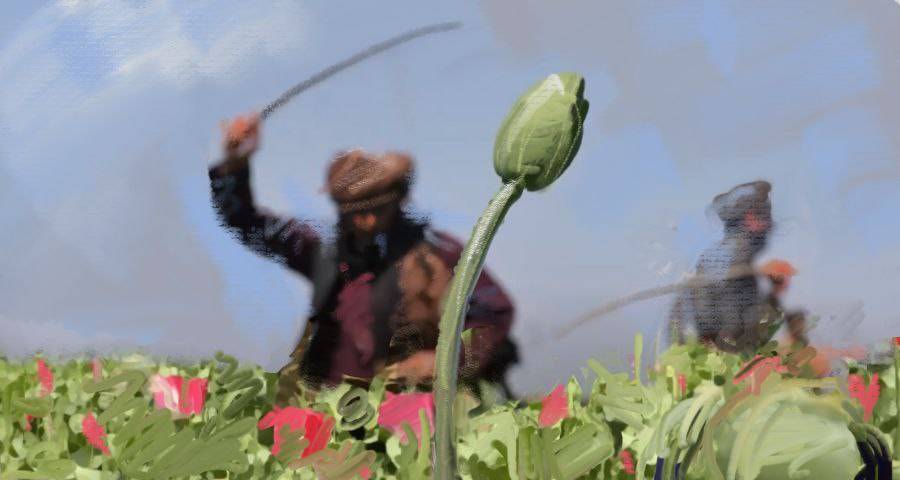
The International Crisis Group, an NGO focused on analyzing conflicts, has reported that “After the Taliban's severe restrictions on women's rights made the regime odious to much of the outside world, the narcotics ban offers a rare opportunity to work with the new authorities on a pressing issue for the benefit of all sides.” Drugs from Afghanistan are a universal problem affecting all regions of the world except for Latin America, with Central Asia remaining one of the main routes for Afghan drugs on their way to Russia and Europe. The so-called “Northern Route” passes through Tajikistan and Uzbekistan, then to Kyrgyzstan and Kazakhstan before reaching the Russian and European markets. Turkmenistan also plays an important role as a transit country for drugs, but on the “Balkan route.” The drug threat from Afghanistan to the five Central Asian republics is not simply a political narrative used by the governments of these republics for their own political purposes. There is a risk of political instability, criminality, corruption, social degradation, and damage to human health as a result of drug trafficking from Afghanistan. Additionally, the elimination of Afghan drug production and trafficking is a key issue in the fight against terrorism, primarily against the Islamic State, as drugs are one of the main sources of income for these groups. In April 2022, hopes for a resolution to this problem appeared following the ban on opium poppy cultivation imposed by the Taliban. Papaver somniferum, commonly known as the opium poppy, has been cultivated in Afghanistan since at least the early twentieth century. The history of opium production is detailed in the Global Illicit Drug Trends report by the United Nations Office on Drugs and Crime (UNODC). Besides the history of opium production, the report provides an overview of measures taken by states in their attempts to regulate and control the drug. Opium began to dominate world drug markets in the early 1980s, after the “April Revolution” and the Soviet invasion of Afghanistan, when the state began to lose control of rural areas, and agriculture itself began to decline. As the UNODC points out, by 1989, opium production was firmly established as the country's main source of income - Afghanistan had become a narco-state. The civil war continued, and the opium economy became firmly entrenched in the country during the 1990s. The first fall of the Taliban in 2001 and the formation of a republican government failed to change the situation due to the newly formed state still having no control over the regions. As a result, its counter-narcotics measures were not effective. It should be noted that only the Taliban managed to reduce drug production. According to the UN, since the Taliban's 2023 ban, opium crops in Afghanistan have declined by 95%, and opium prices have reached record levels. However, many experts wonder if Afghanistan will be able to continue with its chosen policy. Can the new Afghan authorities alone continue to confront the drug threat, and what should be the role of...

Central Asia Counts the Cost of Drug Trafficking

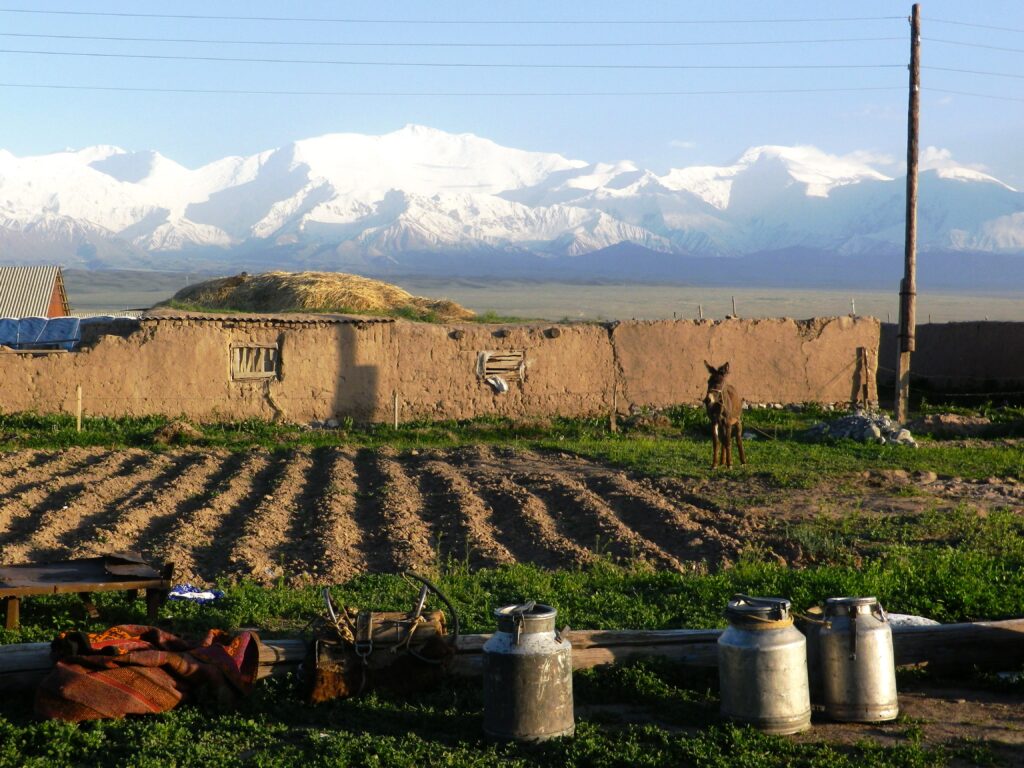
Speaking at the 67th session of the UN Commission on Narcotic Drugs in March, Zafar Samad - director of the Narcotics Control Agency under the President of Tajikistan - admitted that vast quantities of drugs are being smuggled to Europe and Russia through Tajikistan’s “northern route.” In other Central Asian nations, increased efforts are being made to curtail the problem. Kazakhstan, for example, is strengthening its legal systems and policies to effectively counter the laundering of proceeds from drug trafficking in cooperation with the United Nations Office on Drugs and Crime (UNODC). The Kazakh government also recently approved a Comprehensive Plan to Combat Drug Addiction and Trafficking. Given its long and porous border with Afghanistan, however, the problem in Tajikistan remains acute. “The increase in the volume of drug seizures in Tajikistan indicates that there are large stocks of drugs in the northern provinces of Afghanistan intended for shipment along the northern route,” Samad stated. Smugglers are “assessing the situation and exploring the possibilities of transporting drugs into Tajikistan, taking into account the measures taken by the Tajik Government to strengthen the Tajik-Afghan border by creating new border facilities.” This year will see the adoption of a CSTO program aimed at fortifying the border between Tajikistan and Afghanistan. However, the “northern route” - sometimes called the “Heroin Highway” - has a long and checkered history, which has not always led to interstate cooperation. [caption id="attachment_16236" align="aligncenter" width="495"] The village of Karakul, GBAO[/caption]   The Pamir Highway route was established in the 1990s, opening up new avenues for suppliers following the collapse of the Soviet Union. Beginning in the Kyrgyz second city of Osh, the highway - the second highest international road in the world - traverses the length of Tajikistan and down through the south of Uzbekistan before terminating in Afghanistan. An estimated 15 tons of opium and 80 tons of heroin are trafficked through Tajikistan each year, the majority passing through the poverty-stricken, self-governing Gorno-Badakhshan Autonomous Oblast (GBAO) along a desolate mountainous route known locally as Bam-i-Dunya - the Roof of the World. Said by locals to be older than Rome, Osh is a dusty spread of Soviet-era buildings adorned with satellite dishes and murals of MIG fighter jets and Misha the Bear. Having long been dubbed one of the drug capitals of Central Asia, Kalashnikov-wielding soldiers guarded cafés after dark. An ancient Silk Road route in use for millennia, the modern Pamirsky Trakt was completed in 1937. From Osh, the red soil highway ascends to the windswept mud-brick hamlet of Sary Tash, a major stopover on the smuggling route where the roads to Kashgar in China and the border with Tajikistan converge. Despite covering 45% of its landmass, the self-governing Gorno-Badakhshan Autonomous Oblast (GBAO) is home to just 3% of the population of Tajikistan. The only Central Asian country to have descended into civil war following the collapse of the USSR, the Pamiris chose the losing side, with the five-year-long conflict leaving approximately 100,000 dead and 1.2 million...