Viewing results 1 - 6 of 2
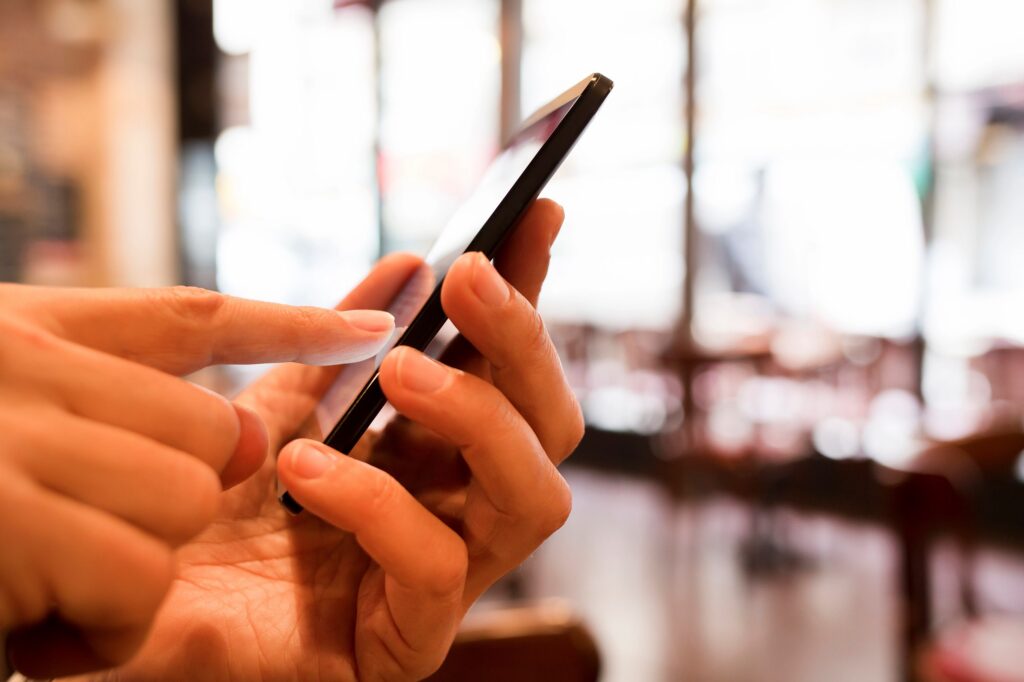
Turkmen authorities have approved new regulations governing the use of personal mobile devices in educational institutions, introducing formal rules for smartphones, tablets, laptops, and other devices used by students and teachers. The document, prepared by the Ministry of Education, outlines how digital devices may be used in the learning process. Under the new rules, such technology may serve as a source of information and be used to access electronic libraries, educational platforms, and distance-learning tools. Schools have been assigned a number of responsibilities. Educational institutions must ensure access to essential digital services, specialized software, and data networks. They are also required to train staff in the use of modern technologies and provide students with methodological support in configuring devices for academic purposes. A separate section of the regulations addresses digital discipline and safety. Students are required to use devices exclusively for educational purposes and only with a teacher’s permission. During lessons, devices must be switched to silent or airplane mode. The document also prohibits taking photos or videos of participants in the educational process without their consent. The document says the new measures are intended to strengthen preventive work with students and parents, with a focus on protecting children’s moral and physical well-being. Oversight of compliance with the new regulations has been assigned to the relevant departments of Turkmenistan’s Ministry of Education.
Seven students in Dushanbe face possible expulsion for up to three years after police conducted raids targeting university students who arrived for classes in private vehicles. The inspections were announced by the city’s Interior Ministry department, which said officers from the department for the prevention of youth-related offenses conducted raids near universities in the capital and recorded seven cases of students arriving on campus in their own cars. “Under current legal regulations and an order issued by the Ministry of Education and Science of the Republic of Tajikistan, students are strictly prohibited from arriving at classes in private vehicles,” the statement said. “However, some students deliberately ignore this requirement in an attempt at self-display.” Police said the students attend institutions including Tajik National University, Russian-Tajik Slavonic University, the Academy of Public Administration under the President of Tajikistan, and the Tajik State University of Commerce. Authorities stated that case materials have already been forwarded to the Education Ministry and university administrations for further action. Under existing regulations, students who arrive at classes in private vehicles can be expelled for up to three years without the right to reinstatement. Similar incidents have occurred previously in Dushanbe. Earlier, Tajik National University student Fazliddin Bakhriev faced possible expulsion after arriving at the university in a Range Rover. No final decision in that case was publicly announced. The ban on students and schoolchildren using private cars has been in force in Tajikistan since 2017, and police regularly conduct raids near educational institutions to identify violations. Authorities justify the restrictions partly on safety grounds, arguing that young drivers are disproportionately involved in traffic accidents. Officials have also framed the issue as a social concern, saying that luxury vehicles parked outside schools and universities are viewed as displays of wealth and status that contradict principles of equality among students.