
• KGS/USD = 0.01143 -0%
  • KZT/USD = 0.00198 -0%
  • TJS/USD = 0.10899 0.65%
  • UZS/USD = 0.00008 -0%
  • TMT/USD = 0.28490 -0.28%
  • KGS/USD = 0.01143 -0%
  • KZT/USD = 0.00198 -0%
  • TJS/USD = 0.10899 0.65%
  • UZS/USD = 0.00008 -0%
  • TMT/USD = 0.28490 -0.28%
  • KGS/USD = 0.01143 -0%
  • KZT/USD = 0.00198 -0%
  • TJS/USD = 0.10899 0.65%
  • UZS/USD = 0.00008 -0%
  • TMT/USD = 0.28490 -0.28%
  • KGS/USD = 0.01143 -0%
  • KZT/USD = 0.00198 -0%
  • TJS/USD = 0.10899 0.65%
  • UZS/USD = 0.00008 -0%
  • TMT/USD = 0.28490 -0.28%
  • KGS/USD = 0.01143 -0%
  • KZT/USD = 0.00198 -0%
  • TJS/USD = 0.10899 0.65%
  • UZS/USD = 0.00008 -0%
  • TMT/USD = 0.28490 -0.28%
  • KGS/USD = 0.01143 -0%
  • KZT/USD = 0.00198 -0%
  • TJS/USD = 0.10899 0.65%
  • UZS/USD = 0.00008 -0%
  • TMT/USD = 0.28490 -0.28%
  • KGS/USD = 0.01143 -0%
  • KZT/USD = 0.00198 -0%
  • TJS/USD = 0.10899 0.65%
  • UZS/USD = 0.00008 -0%
  • TMT/USD = 0.28490 -0.28%
  • KGS/USD = 0.01143 -0%
  • KZT/USD = 0.00198 -0%
  • TJS/USD = 0.10899 0.65%
  • UZS/USD = 0.00008 -0%
  • TMT/USD = 0.28490 -0.28%
07 December 2025

Viewing results 1 - 6 of 2

Lawyers for Crocus City Hall Victims Seek Agalarov Asset Seizure

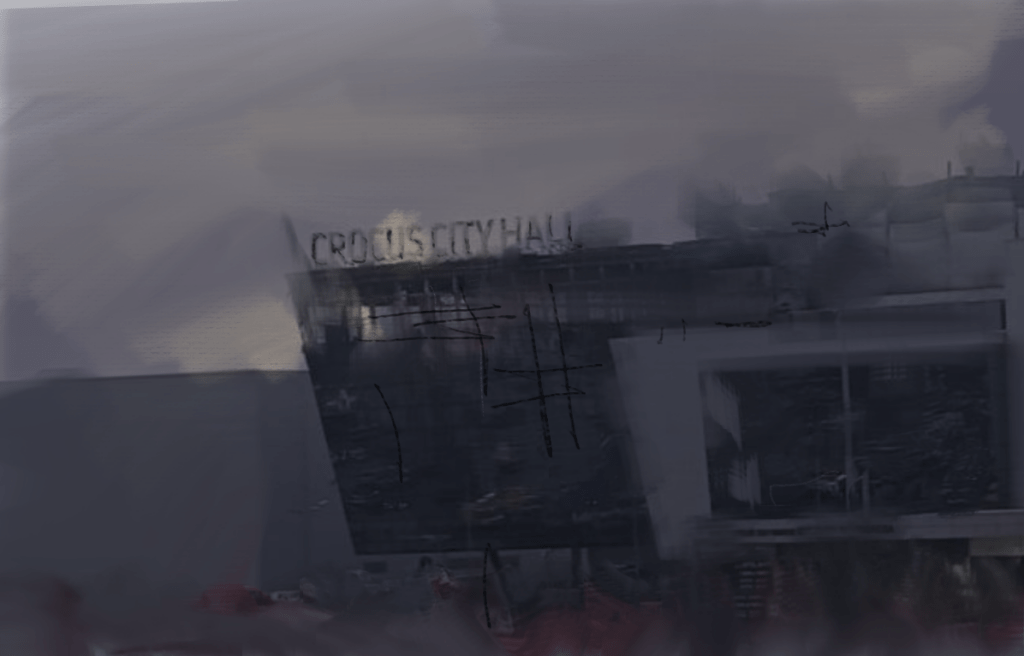
Lawyers representing victims of the March 2024 terrorist attack at Crocus City Hall near Moscow have petitioned Russia’s Investigative Committee to freeze the assets of businessmen Araz and Emin Agalarov. Attorney Igor Trunov, who represents several victims, told RBC, a major Russian business news outlet, that the request targets companies under the Agalarovs’ Crocus Group: JSC Crocus, the private security firm Crocus Profi, and JSC Crocus International. According to Trunov, JSC Crocus was responsible for the fire suppression system and evacuation mechanisms at the venue. Crocus Group organized cultural events at Crocus City Hall, while Crocus Profi provided security services. Lawyers argue that these companies failed to ensure adequate safety and should bear partial responsibility for the attack’s human toll. “We are requesting data from the Unified State Register of Rights to identify remaining assets, as properties are being sold and funds moved abroad,” Trunov said. He added that the petition forms part of the broader criminal investigation, which includes two separate proceedings: one targeting the perpetrators of the attack, now in court, and another examining the actions of those responsible for managing the building. The Crocus City Hall attack occurred on March 22, 2024, when armed assailants stormed the concert venue during a performance and set fire to parts of the building. The attack killed 146 people and injured hundreds more, making it one of the deadliest terrorist incidents in modern Russian history. In addition to the terrorism charges, a parallel case was opened in March under Article 238 of Russia’s Criminal Code, which covers the provision of services that fail to meet safety standards when such violations result in deaths. Investigators concluded that the fire suppression system did not activate, allowing the blaze to spread rapidly. The use of highly flammable construction materials during renovation further intensified the disaster. According to Trunov, at least 45 people died directly from extreme heat and toxic smoke inhalation, deaths that might have been prevented had safety systems functioned properly. The Agalarov family, long prominent in Russia’s business and entertainment spheres, has also faced scrutiny in Central Asia. In Uzbekistan, Araz Agalarov’s plans to develop the Sea Breeze Charvak resort complex near Tashkent sparked intense public backlash earlier this year. Environmental activists raised concerns about the potential destabilization of fragile clay soil along the Charvak reservoir and broader ecological risks. Despite widespread opposition, the Uzbek government approved the project, fueling national debates on transparency, environmental governance, and the role of foreign developers in the tourism sector. RBC reported that it had requested comment from representatives of the Agalarovs regarding the asset seizure petition, but no official response has been issued. For the victims’ legal teams, the central question is whether accountability for the Crocus City Hall massacre will be confined to the attackers themselves or extended to those responsible for ensuring the safety of one of Russia’s most prominent cultural venues.


Economist Raises Concerns Over $5 Billion Sea Breeze Resort Project at Charvak

The Uzbek government has approved the construction of the Sea Breeze Uzbekistan resort complex along the Charvak Reservoir, granting the investor 577 hectares of land on a 25-year lease at a sharply reduced rate. According to a Cabinet resolution, construction may begin even before the completion of project documentation. Tree relocation is expected as part of the development process. The project, led by Russian-Azerbaijani developer Emin Agalarov, envisions a new lakeside tourist destination complete with hotels, villas, swimming pools, sports facilities, restaurants, shops, and a bridge linking both sides of the reservoir. Financial Concerns Raised by Local Economist Uzbek economist and blogger Otabek Bakirov has voiced strong concerns over the project, arguing that while public debate has focused on environmental issues, the financial aspects have not been adequately examined. After reviewing the Cabinet resolution, he raised several questions about investor selection, project financing, lease terms, and the shifting of infrastructure costs onto the state. Questions About Investor Selection The government resolution names Sea Breeze Uzbekistan, a joint venture involving Agalarov’s development firm, as the winner of the site through what it describes as the “best proposal.” Bakirov questioned whether other bids were solicited or evaluated and whether any Uzbek partners hold ownership in the project. He noted that the resolution lacks information about the local share. Skepticism Over Project Financing Bakirov expressed doubt about the reported $5 billion investment figure, suggesting the Agalarov family likely lacks the capital to fund the project independently. “The Agalarovs don’t have their own $5 billion, which means the money will be borrowed,” he wrote. He questioned the source of financing, the terms of any loans, and what guarantees would be provided. He also pointed to a provision allowing the land to be subdivided and released without restrictions, warning that this could lead to speculation rather than real development. Concerns About Lease Pricing The land was leased for 17 billion soms (approximately $1.4 million), to be paid in installments over five years. This price reflects a 0.01 coefficient discount granted as an incentive. Bakirov argued that such a deeply discounted lease is inappropriate for a large-scale commercial venture. “Why has such a drastically reduced price been set for a commercial project, when this is a major business venture and not a social initiative?” he asked. He called for comparisons with other tourism projects to determine whether similar incentives were offered. “Mr. Agalarov is not building a hospital; he is building a commercial enterprise,” he added. Public Funding for Private Infrastructure According to Bakirov, the resolution assigns responsibility for essential infrastructure—such as access roads, utilities, and the reservoir bridge—to the Uzbek government. He argued that these should be covered by the investor. “Weren’t sewage treatment and bridge construction supposed to be the investor’s responsibility? Or were the public presentations misleading?” he asked. He emphasized the contradiction between promoting Sea Breeze as a $5 billion private investment and then shifting core expenses to the public sector. Fast-Tracked Construction Raises Red Flags Bakirov also criticized the decision to...