
• KGS/USD = 0.01144 0%
  • KZT/USD = 0.00198 -0%
  • TJS/USD = 0.10903 0.18%
  • UZS/USD = 0.00008 0%
  • TMT/USD = 0.28571 0%
  • KGS/USD = 0.01144 0%
  • KZT/USD = 0.00198 -0%
  • TJS/USD = 0.10903 0.18%
  • UZS/USD = 0.00008 0%
  • TMT/USD = 0.28571 0%
  • KGS/USD = 0.01144 0%
  • KZT/USD = 0.00198 -0%
  • TJS/USD = 0.10903 0.18%
  • UZS/USD = 0.00008 0%
  • TMT/USD = 0.28571 0%
  • KGS/USD = 0.01144 0%
  • KZT/USD = 0.00198 -0%
  • TJS/USD = 0.10903 0.18%
  • UZS/USD = 0.00008 0%
  • TMT/USD = 0.28571 0%
  • KGS/USD = 0.01144 0%
  • KZT/USD = 0.00198 -0%
  • TJS/USD = 0.10903 0.18%
  • UZS/USD = 0.00008 0%
  • TMT/USD = 0.28571 0%
  • KGS/USD = 0.01144 0%
  • KZT/USD = 0.00198 -0%
  • TJS/USD = 0.10903 0.18%
  • UZS/USD = 0.00008 0%
  • TMT/USD = 0.28571 0%
  • KGS/USD = 0.01144 0%
  • KZT/USD = 0.00198 -0%
  • TJS/USD = 0.10903 0.18%
  • UZS/USD = 0.00008 0%
  • TMT/USD = 0.28571 0%
  • KGS/USD = 0.01144 0%
  • KZT/USD = 0.00198 -0%
  • TJS/USD = 0.10903 0.18%
  • UZS/USD = 0.00008 0%
  • TMT/USD = 0.28571 0%
05 December 2025

Viewing results 1 - 6 of 6

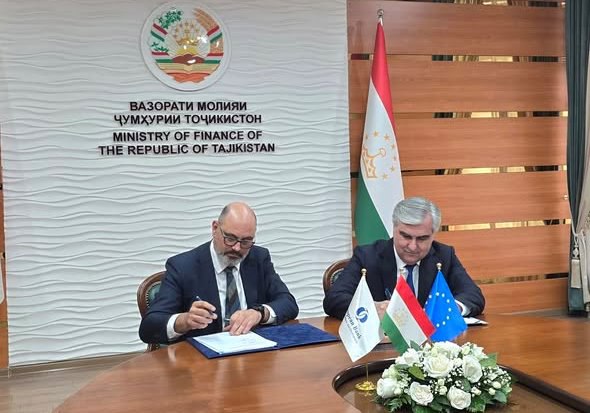
EBRD and EU Allocate €43 Million to Modernize Tajikistan’s Power Grid

The European Bank for Reconstruction and Development (EBRD) and the European Union have announced a joint initiative to enhance the reliability and transparency of Tajikistan’s electricity distribution system. Under the agreement, a €43 million financing package will support the state-owned electricity distributor Shabakahoi Taqsimoti Barq (STB). The funding aims to reduce technical losses and improve efficiency by upgrading essential infrastructure. The “Energy Loss Reduction” project was officially signed on December 4 at Tajikistan’s Ministry of Finance. The agreement was endorsed by Minister of Finance Faiziddin Kahhorzoda and the EBRD’s permanent representative in Tajikistan, Holger Wiefel. The project is backed by €28 million in sovereign loans from the EBRD and €15 million in EU grants via the Asia-Pacific Investment Fund. Funds will be directed toward upgrading billing systems and installing new electricity metering equipment in nine cities across the Sughd and Khatlon regions. These areas are among the most affected by outdated infrastructure, which contributes to technical power losses, inaccurate metering, and the reduced financial viability of STB. The modernization program includes digitizing STB’s core operations and implementing cybersecurity measures to safeguard the national power grid. Technical assistance from both the EU and EBRD will support the rollout of these reforms. A key component of the initiative is human capital development. Specialized training programs on sustainable technologies and modern energy sector skills will be offered, with a focus on youth and women. This is intended to enhance the qualifications of local professionals and strengthen the regional labor market. The EBRD remains one of Tajikistan’s most significant international investors. To date, the bank has invested more than €1 billion across 188 projects in various sectors. The new energy initiative reflects the continued strategic role of international partners in supporting the modernization of Tajikistan’s critical infrastructure.


Energy-Saving Measures Introduced in Kyrgyzstan: Who Will Be Affected?

Kyrgyzstan's Cabinet of Ministers has implemented a series of measures aimed at improving energy efficiency and ensuring the rational use of electricity. The move comes amid an electricity shortage caused by persistently low water levels in the country’s main reservoirs. What’s Happening? Officials have reported a record surge in electricity consumption this year, coupled with a continuing regional drought. In response, the government has ordered a restriction on indoor and outdoor lighting between 6p.m. and 6a.m. However, the Cabinet emphasized that the new measures will not apply to strategic facilities, 24-hour operations, or institutions responsible for defense, security, health care, social services, or other critical public functions. “These measures do not affect processes essential to the technological operation of buildings,” stated the government’s press service. According to official estimates, the restrictions could save approximately 40 million kilowatt-hours of electricity per month. This year, Kyrgyzstan has already recorded electricity consumption that exceeds last year’s figures by 1 billion kilowatt-hours. The government attributes the increased demand to the launch of new industrial enterprises, the expansion of social and educational institutions, and ongoing residential construction. The situation is further worsened by declining water inflow to the Naryn River, which feeds the Toktogul Reservoir and its namesake hydroelectric plant. The reservoir's water level is currently 2 billion cubic meters lower than it was during the same period last year. “The Cabinet’s primary objective is to ensure rational water use in the Toktogul Reservoir and reduce the load on the energy system,” the government said. The goal is to prevent the reservoir from reaching a critical low. Who Will Be Responsible? The Ministry of Energy has mandated that all government agencies and state-owned entities switch off power in the evenings and at night once staff have left their workplaces. Heads of municipal bodies and public institutions will bear personal responsibility for any violations of the new regulations. How Are Residents Responding? For now, residents in the private sector report that little has changed. However, there are growing concerns that household power limits may soon be tightened. “They say our electricity consumption will be restricted. It used to be capped at 5 kilowatts at a time, but now they’re talking about reducing it to 3. That would make things much harder, especially if it’s a cold winter,” said Alexander Verkholantsev, a resident of central Bishkek, who spoke with The Times of Central Asia. Authorities have already announced that electricity restrictions for residential consumers during peak hours will be in place from October 2025 through March 2026. Despite this, many households still exceed the 3-kilowatt threshold.