
• KGS/USD = 0.01144 0%
  • KZT/USD = 0.00216 0%
  • TJS/USD = 0.10663 0%
  • UZS/USD = 0.00008 0%
  • TMT/USD = 0.28530 0%
  • KGS/USD = 0.01144 0%
  • KZT/USD = 0.00216 0%
  • TJS/USD = 0.10663 0%
  • UZS/USD = 0.00008 0%
  • TMT/USD = 0.28530 0%
  • KGS/USD = 0.01144 0%
  • KZT/USD = 0.00216 0%
  • TJS/USD = 0.10663 0%
  • UZS/USD = 0.00008 0%
  • TMT/USD = 0.28530 0%
  • KGS/USD = 0.01144 0%
  • KZT/USD = 0.00216 0%
  • TJS/USD = 0.10663 0%
  • UZS/USD = 0.00008 0%
  • TMT/USD = 0.28530 0%
  • KGS/USD = 0.01144 0%
  • KZT/USD = 0.00216 0%
  • TJS/USD = 0.10663 0%
  • UZS/USD = 0.00008 0%
  • TMT/USD = 0.28530 0%
  • KGS/USD = 0.01144 0%
  • KZT/USD = 0.00216 0%
  • TJS/USD = 0.10663 0%
  • UZS/USD = 0.00008 0%
  • TMT/USD = 0.28530 0%
  • KGS/USD = 0.01144 0%
  • KZT/USD = 0.00216 0%
  • TJS/USD = 0.10663 0%
  • UZS/USD = 0.00008 0%
  • TMT/USD = 0.28530 0%
  • KGS/USD = 0.01144 0%
  • KZT/USD = 0.00216 0%
  • TJS/USD = 0.10663 0%
  • UZS/USD = 0.00008 0%
  • TMT/USD = 0.28530 0%

Viewing results 1 - 6 of 5

Uzbekistan to Restrict Foreign Access to Farmland as Land Reforms Advance

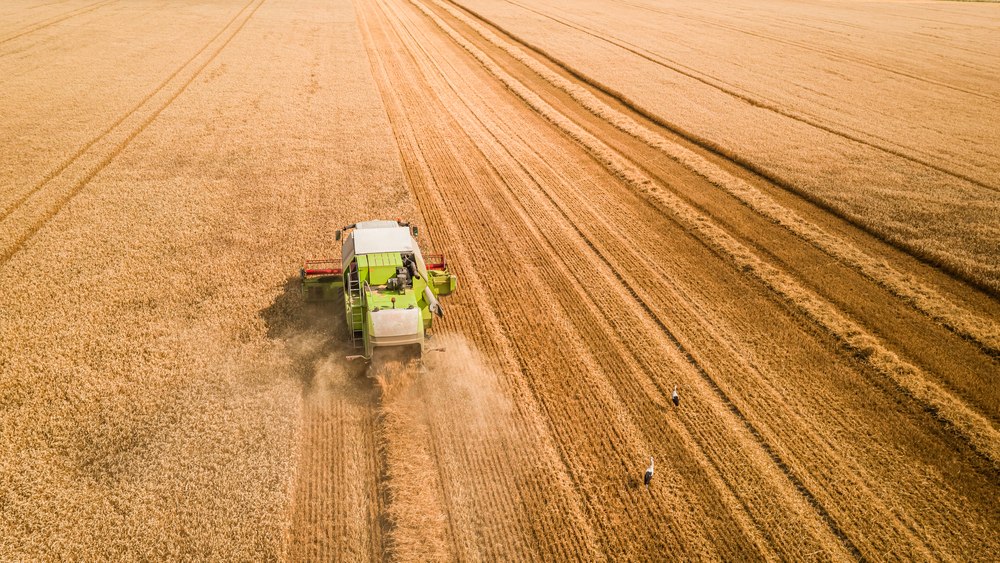
Uzbekistan plans to stop offering agricultural land lease rights to foreign investors through auctions as part of a broader effort to improve land use efficiency, according to the presidential press service. The measures were presented during a government briefing on land reform, where officials outlined changes to the current system. Over the past five years, Uzbekistan has shifted to an auction-based model for land allocation, removing the authority of local governors to distribute plots directly. During this period, more than 616,000 hectares of land were allocated through auctions, generating 1.4 trillion UZS ($115,940) in state revenue. Officials said the reforms have led to the emergence of private land users and increased productivity. Income per hectare has tripled to around 50-60 million UZS ($4,140-$4,970), while land allocated through auctions now produces goods worth an estimated 539 trillion UZS ($44,635,398,500) annually and generates $2.1 billion in exports. Despite these gains, authorities acknowledged ongoing challenges. Around 117,600 hectares of land remain unallocated, partly due to limited autonomy for tenants in how they use the land. To address this, the government plans to introduce a revised leasing system and auction an additional 100,000 hectares under new conditions this year, with stronger economic incentives for efficient use. A key change will affect foreign investors. Under the proposed rules, they will no longer be able to acquire land through auctions. Instead, access to agricultural land will be limited to secondary lease agreements arranged through regional authorities, and only for projects with a minimum investment of $10 million. These projects must also focus on developing underused land, including pasture and rain-fed areas. At the same time, participation in agricultural land auctions will be restricted to domestic farmers and entrepreneurs. Land designated for defense, border zones, forests, and cultural heritage sites will be allocated exclusively to Uzbek citizens. A unified lease term of up to 49 years is also proposed for all land categories. The presentation highlighted successful pilot projects in the Fergana Valley, as well as in Jizzakh and Tashkent regions, and Karakalpakstan, where entrepreneurs were allowed to independently choose crops. On 16,000 hectares, farmers planted high-yield and export-oriented crops, contributing to an estimated $150 million in exports in 2025. To support new projects, the government plans to offer financial incentives, including preferential loans of up to seven years with grace periods, subsidies for infrastructure costs, and compensation of up to 50% of packaging expenses. Authorities also intend to expand the use of modern agricultural technologies to increase land productivity. Officials also stressed the need to accelerate digitalization in the sector, noting that many processes, such as land reclassification and compensation calculations, are still handled on paper, causing delays and investor dissatisfaction. Plans include integrating cadastral, agricultural, and legal databases, as well as introducing transparent procedures for extending lease agreements.

Kyrgyz Government Urges Farmers and Migrants to Cultivate Underused Farmland

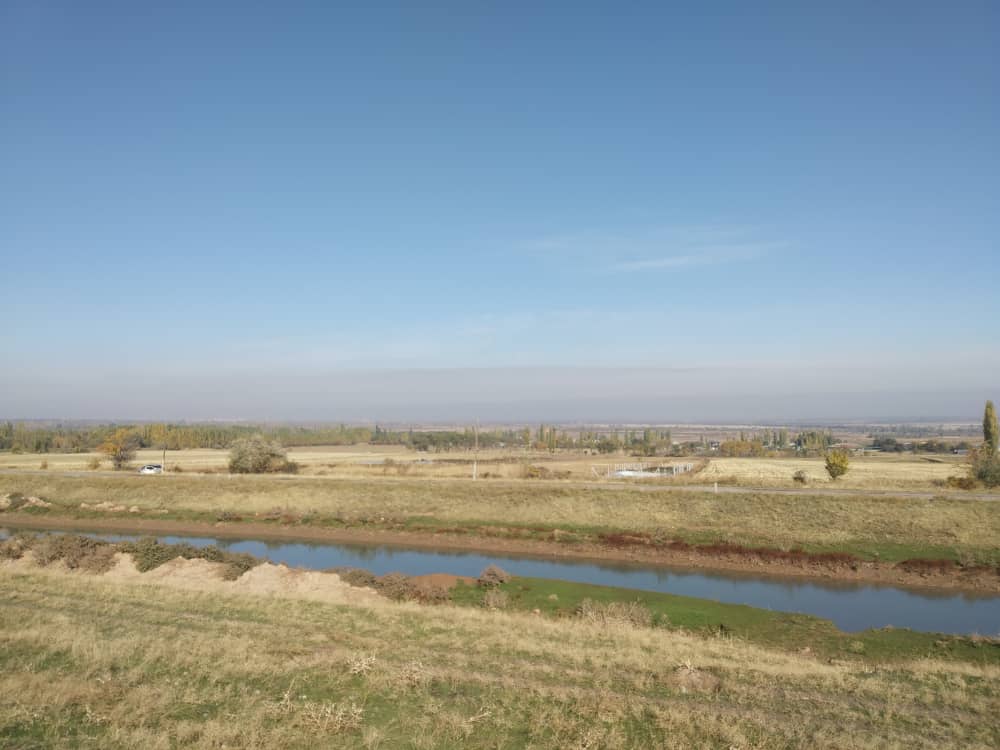
Kyrgyzstan’s Ministry of Water Resources, Agriculture, and Processing Industry is encouraging both domestic farmers and citizens working abroad to return and develop the country’s underutilized, low-productivity farmland. According to the ministry, Kyrgyzstan currently has 614,000 hectares of such land. The initiative invites citizens to convert these idle plots into productive agricultural zones, helping to green the country and generate income. Those interested will receive comprehensive support from both the ministry and local authorities. Assistance includes the installation of drip irrigation systems, access to preferential loans, supply of high-quality seedlings, and expert consultations. The ministry recommends planting fruit trees and berry shrubs that thrive in low-fertility, arid soil conditions. Suggested crops include apple, apricot, cherry, mulberry, currant, rosehip, sea buckthorn, hawthorn, as well as walnut and pistachio trees. This initiative is part of a broader strategy to stimulate agricultural production and exports in Kyrgyzstan, where more than half the population lives in rural areas.

Kyrgyzstan to Improve Farmland Monitoring with EBRD and FAO Support

The European Bank for Reconstruction and Development (EBRD) and the Food and Agriculture Organization of the United Nations (FAO) have launched a joint initiative titled Greening Kyrgyzstan’s Economy: Know More, Act Better, Enhance Results. The project aims to foster climate-smart agriculture through the use of geographic information system (GIS) technology, improving farmland management and bolstering food security in Kyrgyzstan. According to the EBRD, the initiative is supported by its Food and Agribusiness team and involves close cooperation with three key local aggregators: Kaindy-Kant (sugar beet processing), Kirbi (potato processing), and Dan Agro (pulses and legume processing). Together, these partners will help extend the project’s reach to more than 5,000 farmers. Harnessing GIS Technology The GIS platform will be managed by Kyrgyzstan’s State Agency for Land Resources, Cadastre, Geodesy and Cartography. It will be accessible to stakeholders across the agricultural sector, including the Ministry of Water Resources, Agriculture and Processing Industry, as well as farmers and aggregators. The system will enable users to identify sown crops, assess land-use efficiency, estimate productivity, and monitor crop rotation and sustainable water use. With additional funding from the Ministry of Digital Development, the State Agency will also develop a mobile application to improve access and facilitate the adoption of GIS tools at the grassroots level. Meanwhile, the EBRD and FAO will roll out a free e-extension application to provide advisory services to farmers. This collaboration promises substantial benefits for Kyrgyzstan, where agriculture employs nearly half the workforce and contributes approximately 12% of the national GDP. Broader Impact and Expectations The initiative is also expected to deliver environmental gains by enhancing efficiency in a sector responsible for roughly 37% of Kyrgyzstan’s greenhouse gas emissions. These efforts align with the country’s Paris Agreement target of cutting emissions by 16% by 2030. In addition to supporting environmental goals, the project is set to improve food security for Kyrgyzstan’s growing population, projected to reach 9.6 million by 2050. The data-driven approach to land management is designed to help rural communities adapt to climate change, strengthen agribusiness supply chains, and contribute to sustainable economic development. Participating aggregators stand to benefit from access to more accurate planting data, which will improve harvest forecasting and help optimize financing strategies.
