


Kazakhstan Begins Construction of Its First Fish Feed Plant
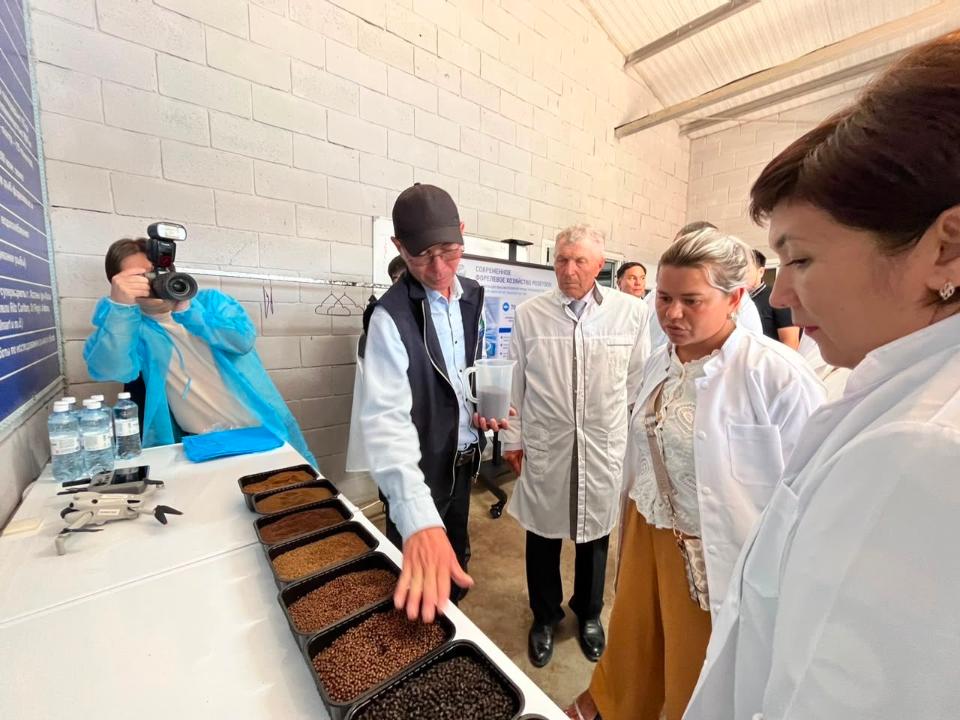
Kazakhstan has begun construction of its first plant to produce extruded fish feed, with support from the Ministry of Agriculture. The facility will have an annual capacity of 25,000 tons, helping to meet the needs of the country’s rapidly expanding aquaculture sector. The project is regarded as a strategic step for Kazakhstan’s fisheries industry because it is expected to reduce dependence on imported feed and expand domestic fish production capacity. Commercial fish farming has been growing steadily in recent years. In 2025, Kazakhstan produced approximately 23,000 tons of aquaculture products, including around 4,000 tons of trout. According to the Ministry of Agriculture, aquaculture output is projected to reach 64,700 tons in 2026. The expansion of fish farming has significantly increased demand for high-quality feed. Kazakhstan’s aquaculture sector requires approximately 72,000 tons of fish feed annually. While domestic manufacturers already supply most of this demand, the industry continues to rely on imports for high-protein feed. The shortage is particularly acute for feed used to raise high-value species such as trout and sturgeon, as this type of feed has not previously been produced domestically. The new plant is therefore expected to supply Kazakhstan’s fish farms with high-quality domestic feed. Kazakhstan’s fish market reached 106,500 tons in 2025, up 13% from 2024. According to Serik Sermagambetov, chairman of the Fisheries Committee at the Ministry of Agriculture, fish production is expected to reach 2.5 times its current level by 2028. He cited government support and industry digitalization, with new investment projects also expected to contribute. Commercial fish catches are projected to reach 100,000 tons by 2029. By 2029, the modernization of fish hatcheries is expected to increase annual juvenile fish production from 18 million to 85 million. According to Sermagambetov, Kazakhstan harvested 49,600 tons of fish from natural water bodies and produced 22,900 tons through aquaculture in 2025. Exports totaled 21,000 tons of fish products. The fishing industry currently comprises 537 enterprises employing more than 12,000 people. Fish processing is carried out by 73 facilities with a combined annual capacity of 126,000 tons. Twenty of these plants are authorized to export to the European Union, while Kazakhstan’s fish products are shipped to 21 countries. In 2025, fish processing volumes reached 37,000 tons, up 24% from the previous year. To encourage higher-value processing, the government has introduced tax incentives and financial support measures. Fish processors benefit from a 70% reduction in value-added tax and access to preferential working capital loans at an annual interest rate of 5%. Aquaculture remains a key government priority. State support for fish farms reached approximately $10.1 million in 2026, 11.5 times the 2021 level. Over the same period, the number of registered fish farms doubled to 684.
