

• KGS/USD = 0.01143 0%
  • KZT/USD = 0.00200 0%
  • TJS/USD = 0.10593 -0.19%
  • UZS/USD = 0.00008 0%
  • TMT/USD = 0.28575 0%
  • KGS/USD = 0.01143 0%
  • KZT/USD = 0.00200 0%
  • TJS/USD = 0.10593 -0.19%
  • UZS/USD = 0.00008 0%
  • TMT/USD = 0.28575 0%
  • KGS/USD = 0.01143 0%
  • KZT/USD = 0.00200 0%
  • TJS/USD = 0.10593 -0.19%
  • UZS/USD = 0.00008 0%
  • TMT/USD = 0.28575 0%
  • KGS/USD = 0.01143 0%
  • KZT/USD = 0.00200 0%
  • TJS/USD = 0.10593 -0.19%
  • UZS/USD = 0.00008 0%
  • TMT/USD = 0.28575 0%
  • KGS/USD = 0.01143 0%
  • KZT/USD = 0.00200 0%
  • TJS/USD = 0.10593 -0.19%
  • UZS/USD = 0.00008 0%
  • TMT/USD = 0.28575 0%
  • KGS/USD = 0.01143 0%
  • KZT/USD = 0.00200 0%
  • TJS/USD = 0.10593 -0.19%
  • UZS/USD = 0.00008 0%
  • TMT/USD = 0.28575 0%
  • KGS/USD = 0.01143 0%
  • KZT/USD = 0.00200 0%
  • TJS/USD = 0.10593 -0.19%
  • UZS/USD = 0.00008 0%
  • TMT/USD = 0.28575 0%
  • KGS/USD = 0.01143 0%
  • KZT/USD = 0.00200 0%
  • TJS/USD = 0.10593 -0.19%
  • UZS/USD = 0.00008 0%
  • TMT/USD = 0.28575 0%
22 February 2026

Viewing results 1 - 6 of 4

ADB Approves $56.4 Million Disaster-Response Package for Tajikistan and Kyrgyzstan

The Asian Development Bank (ADB) has approved a $56.4 million program aimed at strengthening disaster-response capacity in Tajikistan and Kyrgyzstan, the bank announced in an official statement. According to the ADB, both countries face high exposure to earthquakes, floods, and other climate-related hazards. Their ability to respond effectively remains limited by constrained fiscal resources and a lack of risk-transfer mechanisms. The newly approved program is designed to enhance financial preparedness through two pre-arranged ADB financing instruments, each tailored to different levels of disaster risk. Innovative Tools for Disaster-Risk Financing The program incorporates two key components: Contingent Disaster Financing (CDF) and Disaster Resilience Bonds (DRB). CDF provides budgetary support during medium-scale natural disasters or public health emergencies. DRBs, issued on international capital markets, offer rapid liquidity for major, high-severity disasters. “This program will help reduce the fiscal burden on both countries following natural disasters, including geophysical events, extreme weather, and health emergencies,” said Leah Gutierrez, ADB Director General for Central and West Asia. She emphasized that the combination of policy reforms, institutional strengthening, and innovative financing marks a shift from reactive response to proactive disaster-risk management. Focus on Institutional Reforms and Regional Cooperation The initiative also emphasizes strategic policy reforms, capacity building, and governance improvements to ensure a coordinated and transparent disaster-risk management system. It was developed under ADB’s technical assistance program to establish disaster-risk transfer mechanisms in the Central Asia Regional Economic Cooperation (CAREC) region, a partnership supporting sustainable development and regional integration. The program will be financed through a $53.1 million grant from the Asian Development Fund (ADF), with an additional $3.3 million from the Asia-Pacific Climate Fund. ADF grants are targeted at the poorest and most vulnerable countries in the Asia-Pacific. From 2021 to 2024, the fund supported the lifting of 384,000 people out of poverty and the creation of approximately 500,000 jobs.

Eight Regions in Kazakhstan Face High Flood Risk

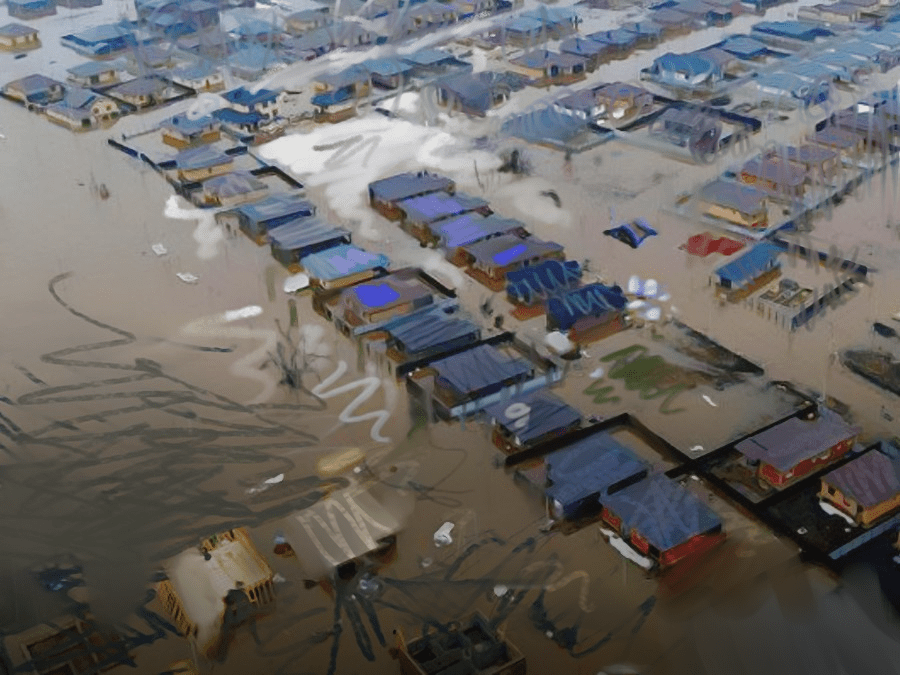
Kazakhstan's National Headquarters for Coordination of Flood Control Measures has identified the most flood-prone regions of Kazakhstan. As of March 13, 67% of the country remains covered in snow. Minister of Ecology and Natural Resources Yerlan Nyssanbayev noted that snowmelt has already begun in the Kyzylorda, Turkestan, Zhambyl, West Kazakhstan, Atyrau, and Mangystau regions. Meanwhile, maximum soil freezing has been recorded in the northwest, northeast, and central parts of the country. In the Kostanay region, frost penetration exceeds 150cm, while in the Akmola region, it reaches 139cm. The Pavlodar and Karaganda regions have experienced frost depths of up to 159cm and 132cm, respectively. Weather forecasts indicate that March and April will be warmer than usual, with heavy precipitation expected in most of the country, increasing the risk of flooding. For the first time in 2025, Kazakhstan has issued detailed flood risk assessments for each region, including maximum water flow levels, runoff volumes at hydrological posts, and at-risk settlements. Based on this analysis, eight regions have been classified as high-risk flood zones: East Kazakhstan, Karaganda, Akmola, North Kazakhstan, Kostanay, Aktobe, Abay, and Ulytau. An additional five regions, Almaty, Zhambyl, West Kazakhstan, Atyrau, and Zhetisu, are considered medium-risk zones. “Regions must maintain a high level of preparedness. Akimats [local councils] should take comprehensive measures to prevent flooding in settlements, prioritizing protection from steppe water. Culverts, bridges, and drainage systems should be cleared of ice and debris, and riverbanks must be reinforced. Bottlenecks in rivers should be widened. Additionally, emergency response teams must be stationed in flood-prone areas, with designated evacuation sites fully equipped with life-support resources,” said Prime Minister Olzhas Bektenov. The Ministry of Emergency Situations has been tasked with providing round-the-clock monitoring of the flood situation. In the event of worsening conditions, additional emergency response forces will be deployed. According to Minister of Emergency Situations Chingis Arinov, more than 37,000 civil protection personnel, 13,000 units of equipment, 4,000 water pumps, and 640 boats have been mobilized. Ministry aircraft remain on standby, and a reserve force of 1,000 employees with 120 specialized vehicles, 123 water pumps, and 39 boats is also prepared for deployment. As The Times of Central Asia previously reported, Kazakhstan began releasing water from reservoirs in January to maximize capacity ahead of spring floods​. However, last year, the greatest damage was caused not by overflowing rivers but by the rapid melting of the snowpack​.