
• KGS/USD = 0.01144 0%
  • KZT/USD = 0.00208 0%
  • TJS/USD = 0.10440 0%
  • UZS/USD = 0.00008 0%
  • TMT/USD = 0.28571 0%
  • KGS/USD = 0.01144 0%
  • KZT/USD = 0.00208 0%
  • TJS/USD = 0.10440 0%
  • UZS/USD = 0.00008 0%
  • TMT/USD = 0.28571 0%
  • KGS/USD = 0.01144 0%
  • KZT/USD = 0.00208 0%
  • TJS/USD = 0.10440 0%
  • UZS/USD = 0.00008 0%
  • TMT/USD = 0.28571 0%
  • KGS/USD = 0.01144 0%
  • KZT/USD = 0.00208 0%
  • TJS/USD = 0.10440 0%
  • UZS/USD = 0.00008 0%
  • TMT/USD = 0.28571 0%
  • KGS/USD = 0.01144 0%
  • KZT/USD = 0.00208 0%
  • TJS/USD = 0.10440 0%
  • UZS/USD = 0.00008 0%
  • TMT/USD = 0.28571 0%
  • KGS/USD = 0.01144 0%
  • KZT/USD = 0.00208 0%
  • TJS/USD = 0.10440 0%
  • UZS/USD = 0.00008 0%
  • TMT/USD = 0.28571 0%
  • KGS/USD = 0.01144 0%
  • KZT/USD = 0.00208 0%
  • TJS/USD = 0.10440 0%
  • UZS/USD = 0.00008 0%
  • TMT/USD = 0.28571 0%
  • KGS/USD = 0.01144 0%
  • KZT/USD = 0.00208 0%
  • TJS/USD = 0.10440 0%
  • UZS/USD = 0.00008 0%
  • TMT/USD = 0.28571 0%

Viewing results 1 - 6 of 9

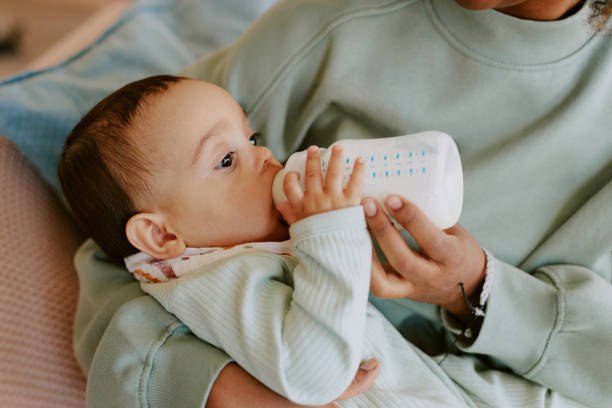
Uzbekistan Among Countries Affected by Lactalis Infant Formula Recall

French dairy conglomerate Lactalis has announced a voluntary recall of several batches of its Picot infant milk formula, citing concerns over potential contamination with a toxin. The recall affects products distributed in France and more than a dozen other countries, including Uzbekistan, according to Al Jazeera, which cited a company statement. Lactalis reported that six batches of Picot infant formula, sold in pharmacies and major retail chains, are being withdrawn following the detection of cereulide in one ingredient supplied by an external provider. Cereulide is a heat-stable toxin that can cause gastrointestinal symptoms such as vomiting and diarrhea. In its statement, the company acknowledged that the recall may alarm parents of young children but emphasized that the move is a precautionary measure. The recall is voluntary and specific to the contaminated ingredient, not the entire Picot product range. Outside France, the recall impacts consumers in Australia, Chile, China, Colombia, the Democratic Republic of Congo, Ecuador, Spain, Madagascar, Mexico, Uzbekistan, Peru, Georgia, Greece, Kuwait, the Czech Republic, and Taiwan. A company spokesperson told AFP that only “a few batches” are involved in each country. Lactalis confirmed that no adverse health incidents linked to the affected formula have been reported to French authorities, and no illnesses have been officially attributed to the recalled products to date. This follows a similar recall earlier in the year by Nestlé, which voluntarily withdrew certain baby food products due to concerns over cereulide contamination. That recall, initiated in January, was also described as precautionary. Lactalis stated it is working closely with distributors and public health authorities to ensure the prompt removal of the affected products from shelves and to inform consumers of recall procedures.
Nestlé Recalls Batches of Infant Formula in Uzbekistan and Kazakhstan

Nestlé has initiated a voluntary recall of limited batches of infant formula in Uzbekistan due to a potential contamination risk involving one of the product’s ingredients supplied by an external vendor. The decision, described as precautionary, was announced by Nestlé Food LLC, the company’s local subsidiary. The recall affects select batches of dry instant milk and fermented milk-based formulas, as well as certain amino acid-based products intended for infants on specialized medical diets. The affected items include NAN 1 OPTIPRO, NAN 2 OPTIPRO, NAN Kislomolochniy (for infants up to 12 months), NAN Supreme (same age group), and ALFARÉ Amino. Nestlé Food LLC clarified that the recall applies only to the specified batches and does not impact other infant nutrition products sold in Uzbekistan. The company said the action follows a global recall initiated after a potential contamination with cereulide toxin was identified in arachidonic acid sourced from an external supplier. Although the quantity of this ingredient is minimal and Uzbekistan does not impose regulatory limits for cereulide in food products, Nestlé opted for a voluntary recall to mitigate any possible risk. The recall process began in Uzbekistan on January 5, 2026. Nestlé Food LLC confirmed it has informed local regulators and is prepared to provide comprehensive information to authorities, consumers, and retail partners. Consumers who purchased products from the affected batches can return them according to company-issued procedures. Customer support services are available to assist with the process. Similar precautionary measures have been announced in Kazakhstan. There, Nestlé is also recalling a limited number of infant food products, including dry and sour-milk formulas, as well as amino acid-based dietary items. The company explained that cereulide is a toxin produced by the bacterium Bacillus cereus. It is particularly hazardous because it cannot be destroyed by boiling or reheating. Exposure to cereulide can cause acute food poisoning, with symptoms including nausea, vomiting, and abdominal pain. The issue is not confined to Central Asia. Reuters reported that Nestlé has also recalled certain batches of its SMA, BEBA, and NAN infant formulas across parts of Europe due to the same contamination risk. Nestlé emphasized that consumer health and safety remain its highest priority. The company stated that the recall is a precautionary step aligned with its global quality and safety standards, and that no confirmed cases of harm have been reported to date.

Bishkek City Hall Tightens School Meal Oversight After Mass Food Poisoning

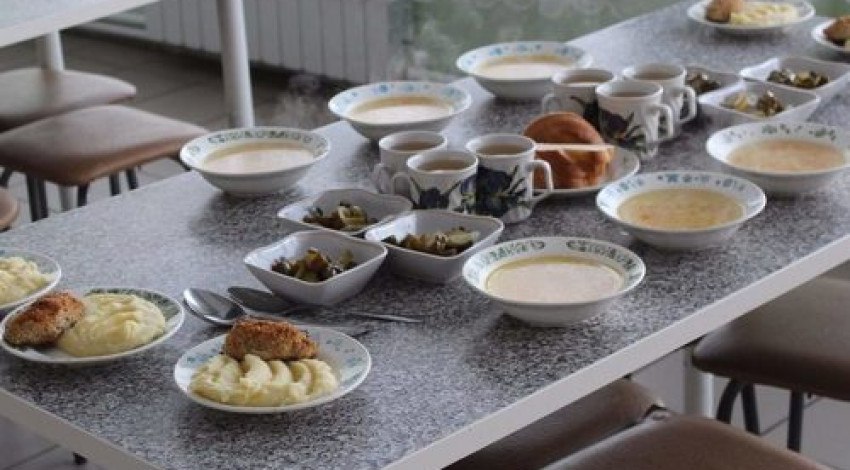
A mass food poisoning incident at a Bishkek school has prompted city authorities to intensify oversight of school meal programs. Eighty children and four adults were affected after consuming shawarma (flatbread wraps filled with grilled meat) prepared with allegedly poor-quality ingredients, according to the Bishkek City Hall. The Bishkek Center for Hygiene and Epidemiology has launched an inspection of all schools in the capital. Dozens of children sought medical care, reporting symptoms such as nausea, vomiting, abdominal pain, and diarrhea. Twelve individuals were hospitalized, while the remaining victims are receiving outpatient treatment. The school cafeteria involved has been shut down pending an epidemiological investigation. Deputy Mayor of Bishkek Victoria Mozgacheva met with the school's director and underscored the zero-tolerance policy for violations of the approved meal plan and sanitary protocols. “All general education institutions in the capital, regardless of their ownership, have been ordered to strictly follow the approved meal regulations,” the mayor’s office stated. “Any deviation from the menu, which is approved in consultation with medical and epidemiological experts, is strictly prohibited.” Preliminary findings suggest the source of the poisoning may have been improperly handled chicken used in the shawarma served. In response, Bishkek authorities have instructed schools to tighten food quality control measures. The Ministry of Health of Kyrgyzstan has also initiated legislation to ban the sale of unhealthy food products in close proximity to schools.
