
• KGS/USD = 0.01144 0%
  • KZT/USD = 0.00208 0%
  • TJS/USD = 0.10407 -0.29%
  • UZS/USD = 0.00008 0%
  • TMT/USD = 0.28571 0%
  • KGS/USD = 0.01144 0%
  • KZT/USD = 0.00208 0%
  • TJS/USD = 0.10407 -0.29%
  • UZS/USD = 0.00008 0%
  • TMT/USD = 0.28571 0%
  • KGS/USD = 0.01144 0%
  • KZT/USD = 0.00208 0%
  • TJS/USD = 0.10407 -0.29%
  • UZS/USD = 0.00008 0%
  • TMT/USD = 0.28571 0%
  • KGS/USD = 0.01144 0%
  • KZT/USD = 0.00208 0%
  • TJS/USD = 0.10407 -0.29%
  • UZS/USD = 0.00008 0%
  • TMT/USD = 0.28571 0%
  • KGS/USD = 0.01144 0%
  • KZT/USD = 0.00208 0%
  • TJS/USD = 0.10407 -0.29%
  • UZS/USD = 0.00008 0%
  • TMT/USD = 0.28571 0%
  • KGS/USD = 0.01144 0%
  • KZT/USD = 0.00208 0%
  • TJS/USD = 0.10407 -0.29%
  • UZS/USD = 0.00008 0%
  • TMT/USD = 0.28571 0%
  • KGS/USD = 0.01144 0%
  • KZT/USD = 0.00208 0%
  • TJS/USD = 0.10407 -0.29%
  • UZS/USD = 0.00008 0%
  • TMT/USD = 0.28571 0%
  • KGS/USD = 0.01144 0%
  • KZT/USD = 0.00208 0%
  • TJS/USD = 0.10407 -0.29%
  • UZS/USD = 0.00008 0%
  • TMT/USD = 0.28571 0%

Viewing results 1 - 6 of 9

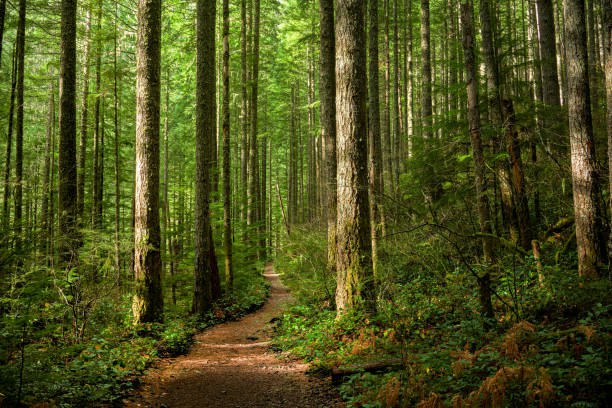
Kazakhstan Plans to Expand Nature Reserves by Two Million Hectares by 2035

Kazakhstan plans to significantly expand its system of specially protected natural areas (SPNAs) over the next decade. Under a new state strategy, the country aims to increase the area of nature reserves and national parks by 2 million hectares by 2035 and expand its forest fund by 0.8 million hectares. The targets are outlined in the Concept for the Conservation and Sustainable Use of Biological Diversity for 2026-2035, which defines key environmental policy priorities and long-term measures to protect natural resources. The first priority of the concept is the development of a unified ecological network and the expansion of the system of specially protected natural areas. According to the Ministry of Ecology and Natural Resources, creating and expanding such areas is one of the most effective tools for preserving biodiversity and is widely used internationally. By 2035, the area of specially protected natural areas in Kazakhstan is expected to increase from the current 31 million hectares to 33.2 million hectares. The second priority focuses on improving forest protection and developing sustainable forest management. The government plans to increase the country’s forest area to 14.7 million hectares, up from the current 13.9 million hectares, while ensuring more rational use of timber resources. The third area of the concept concerns improving systems for monitoring and protecting wildlife. The fourth set of measures focuses on protecting fish species and natural fish resources. Authorities plan to strengthen ecosystem monitoring and expand scientific research into risk factors affecting aquatic biological resources. The fifth and sixth areas address the conservation of plant life and the problem of pasture degradation, one of the country’s most significant environmental challenges. The concept was developed through interagency cooperation with the participation of international partners. In particular, the United Nations Development Programme in Kazakhstan provided support through a project funded by the Global Environment Facility. The Ministry of Ecology says the strategy should strengthen Kazakhstan’s role as one of Central Asia’s regional leaders in nature conservation and create a foundation for new international environmental partnerships. Earlier, it was reported that Kazakhstan is also considering the possibility of limited and strictly regulated exports of saiga horns from the rare steppe antelope whose population has increased hundreds of times over the past two decades.
Kyrgyzstan to Launch State Nurseries as Part of National Afforestation Campaign

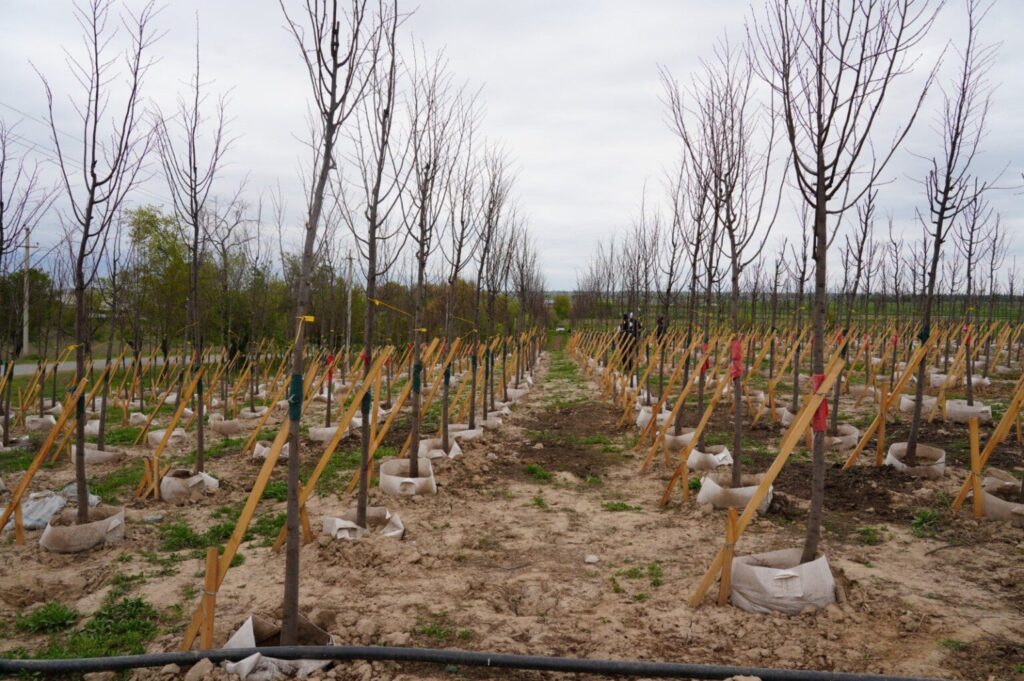
Four institutions in Kyrgyzstan have been awarded a total of $534,000 in grant funding to establish and develop state-owned nurseries for growing tree saplings, as part of a nationwide effort to restore forests, improve sapling quality, and support environmental sustainability. According to the Ministry of Natural Resources, Ecology and Technical Supervision, the funding was allocated through a competitive selection process to Osh Forestry, Chon-Kemin State Nature Park, Kara-Kulja Forestry, and the Kyrgyz National Agrarian University. Applicants were required to submit a business plan and have access to at least five hectares of land to qualify. The grants were approved by the International Fund for Agricultural Development (IFAD), which serves as the project's donor. The Ministry of Water Resources, Agriculture, and Processing Industry stated that the new nurseries will have the capacity to produce up to 2 million saplings annually. These will include nut, fruit, and conifer species and serve as a stable supply of planting material for various regions across the country. “The establishment of modern nurseries is not just an investment in reforestation and environmental health. It is a step toward ecosystem restoration and helping rural communities adapt to climate change,” said First Deputy Minister Janybek Kerimaliev. The nursery initiative is part of Kyrgyzstan’s broader “Jashyl Muras” (Green Heritage) campaign, launched in March 2022 by President Sadyr Japarov. The national program targets the planting of 5 to 6 million saplings annually. In 2024, more than 8.1 million saplings were planted across the country under the program, according to official figures.

Tajikistan’s Forests on the Brink of Extinction

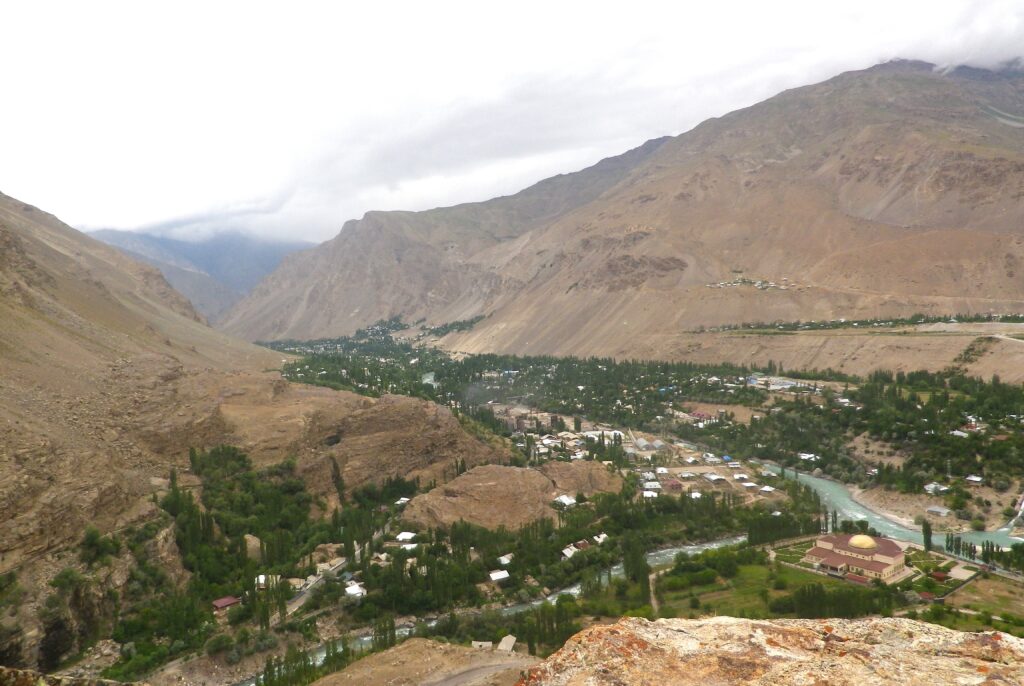
Tajikistan's forests, already scarce, covering just 3% of the country's territory, are facing unprecedented threats due to climate change and human activity. These fragile ecosystems, vital for maintaining the country’s ecological balance, are rapidly disappearing, with far-reaching consequences for the environment and public safety. Since the early 1990s, Tajikistan’s forest area has shrunk significantly. Currently, forests cover approximately 423,000 hectares, compared to about 20% of the national territory a century ago. In the 19th century, tugai forests alone spanned one million hectares, now reduced more than eightfold. The causes of deforestation are complex: widespread logging during past energy crises, land conversion for agriculture, rising temperatures, and declining precipitation. These factors have accelerated ecosystem degradation and disrupted the country’s water balance. Forest loss is also directly linked to the rising frequency of natural disasters. According to the National Climate Report, the number of mudslides and landslides has increased by 25-30% over the past two decades. Experts estimate that one in five landslides in mountainous regions is directly related to deforestation. Climate warming is also hastening snow and glacier melt, resulting in sudden floods, while prolonged droughts render the soil brittle and unstable. Forests once served as a natural buffer against these effects, but are no longer able to perform this function effectively. As temperatures rise, Tajikistan’s forests are becoming increasingly susceptible to fires. In 2025 alone, wildfires scorched over 430 hectares of forest in nine regions, including Varzob and Penjikent. Compounding the crisis is inadequate infrastructure. “There are no roads, equipment cannot reach the area, and the material and technical base is poorly developed,” said Davlatali Sharifzoda, Deputy Director of the Forestry Agency. Rising temperatures are also fueling the spread of pests such as bark beetles, which threaten rare species already listed in the Red Book of endangered flora. Forest degradation is also contributing to soil erosion, particularly in mountainous areas. This poses a serious threat to agriculture, which occupies 3.7 million hectares of Tajikistan’s land. “Soils are becoming less productive due to rising temperatures and reduced rainfall, which reduces crop yields and complicates the lives of farmers,” said Murod Ergashev, a researcher at the Institute of Soil Science. Tajikistan’s forests are home to approximately 270 species of trees and shrubs, 30 of which are endangered. Biologist Rustam Muratov warns that ongoing degradation could lead to the irreversible loss of unique ecosystems and endemic species. The Tajik government is taking action. Under the Bonn Challenge, the country has committed to restoring 66,000 hectares of degraded forests by 2030. Plans include planting drought-resistant species, such as pistachio, walnut, and saxaul. The national forest sector development program for 2022-2026 aims to modernize nurseries, expand seedling production, and establish industrial plantations. The goal is to restore 15,000 hectares of forest, double forest productivity, and reduce livestock grazing in forest areas by 30%. Community involvement is key to sustainable forest management. In the Sangvor and Shokhin districts, local residents, with support from the FAO, participate in regulated harvesting of berries and medicinal plants. Tajikistan’s forests...
