
• KGS/USD = 0.01143 -0%
  • KZT/USD = 0.00198 -0%
  • TJS/USD = 0.10899 0.65%
  • UZS/USD = 0.00008 -0%
  • TMT/USD = 0.28490 -0.28%
  • KGS/USD = 0.01143 -0%
  • KZT/USD = 0.00198 -0%
  • TJS/USD = 0.10899 0.65%
  • UZS/USD = 0.00008 -0%
  • TMT/USD = 0.28490 -0.28%
  • KGS/USD = 0.01143 -0%
  • KZT/USD = 0.00198 -0%
  • TJS/USD = 0.10899 0.65%
  • UZS/USD = 0.00008 -0%
  • TMT/USD = 0.28490 -0.28%
  • KGS/USD = 0.01143 -0%
  • KZT/USD = 0.00198 -0%
  • TJS/USD = 0.10899 0.65%
  • UZS/USD = 0.00008 -0%
  • TMT/USD = 0.28490 -0.28%
  • KGS/USD = 0.01143 -0%
  • KZT/USD = 0.00198 -0%
  • TJS/USD = 0.10899 0.65%
  • UZS/USD = 0.00008 -0%
  • TMT/USD = 0.28490 -0.28%
  • KGS/USD = 0.01143 -0%
  • KZT/USD = 0.00198 -0%
  • TJS/USD = 0.10899 0.65%
  • UZS/USD = 0.00008 -0%
  • TMT/USD = 0.28490 -0.28%
  • KGS/USD = 0.01143 -0%
  • KZT/USD = 0.00198 -0%
  • TJS/USD = 0.10899 0.65%
  • UZS/USD = 0.00008 -0%
  • TMT/USD = 0.28490 -0.28%
  • KGS/USD = 0.01143 -0%
  • KZT/USD = 0.00198 -0%
  • TJS/USD = 0.10899 0.65%
  • UZS/USD = 0.00008 -0%
  • TMT/USD = 0.28490 -0.28%
07 December 2025

Viewing results 1 - 6 of 4

Planting Trees to Heal Old Wounds: Can a Desert Forest Save the Aral’s Last Residents?

In the Aralkum Desert, afforestation campaigns have multiplied since the early 2000s. They are meant to slow the sandstorms, temper a rapidly warming climate, and protect the health of those still living in the shadow of the Aral Sea. But the promised results have not appeared yet. The road from Aralsk to Aiteke Bi cuts through a palette of ochre and dust. Trucks drift forward in pale clouds, dragging the desert behind them like a long train. In these villages scattered along the former shoreline of the Aral Sea, the wind never leaves. It is abrasive, restless, and a witness to a vanished water body that once cooled the hottest corner of Kazakhstan. Respiratory diseases now run through family histories, and doctors say they can recognize lungs shaped by ecological collapse. At the polyclinic in Aiteke Bi, patients describe the same symptoms with weary precision: breath shortening too quickly, coughs that never fully recede, a fatigue that never seems to lift. Nuralay, 52, says the storms “get into the house, into the throat, into everything.” She admits she cannot remember a season without irritation in her chest. For Dr. Kuanyshqar Assilov, who has watched the pattern deepen for years, the cause is unmistakable: decades of airborne salts, pesticide residues, and industrial chemicals lifted from the dried seabed of the Aral Sea. [caption id="attachment_39897" align="aligncenter" width="1378"] In Aralsk, sand covers everything[/caption] Marat Narbaev, executive director of the International Fund to Save the Aral Sea (IFAS), recounts the disaster’s origins with a mixture of resignation and habit. He traces it back to the 1960s, when Soviet planners diverted the Amu Darya and Syr Darya to feed cotton monocultures. “The cotton was used to make clothing for soldiers and ammunition,” he says. Today, he argues, the basin faces two pressures: “climate change and demographic growth. Fifty million inhabitants… soon seventy.” In this landscape, the promise of restoring the region through afforestation has acquired symbolic weight. Saxaul trees - hardy, grey-green, capable of surviving in brackish soils - are planted by the millions on the exposed seabed. Officially, they are meant to stabilize sand, calm storms, and cool the surface. Unofficially, they carry the hope that life here might once be breathable again. Survivalist tree? On paper, the saxaul is a biological survivalist: roots plunging more than 30 feet deep, the ability to stabilize dunes, lower surface salinity, and grow dense enough within a few years to slow the wind. In Aralkum, a village east of Aralsk, residents praise the planting that lines a dozen houses. “It really worked, the storms became more bearable,” a man says. Then he shrugs: more trees should have been planted. “We asked for the other side of the village, but there’s no funding left.” Nowadays, half of the trees have died, and the rest lie buried beneath the dunes. [caption id="attachment_39896" align="aligncenter" width="1378"] In Aralkum village, half of the surviving trees barely emerge from the sand[/caption] Sometimes, past plantations have almost zero trees left. According to a 2021...

Anthrax Outbreak Reported in Northern Kazakhstan

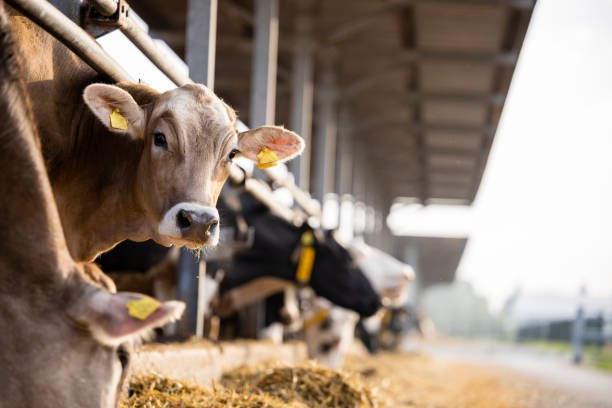
An outbreak of anthrax has been confirmed in the Akmola region of northern Kazakhstan. According to official data, at least seven people have been infected after coming into contact with contaminated livestock. Kazakhstan’s Minister of Agriculture, Aidarbek Saparov, identified the source as unvaccinated and unregistered animals grazing near an old cattle burial ground located approximately seven kilometers from the villages of Magdalinovka and Novomarinovka. Ten infected cattle have been identified and culled. “There are many questions for the owners of these animals. They were not registered anywhere,” Saparov said at a press briefing. Authorities have imposed a quarantine, carried out disinfection procedures, and restricted access to the affected pastures. Sanitary measures have also been intensified in nearby settlements. The Ministry of Health reported that 19 individuals underwent medical examinations, with seven cases confirmed in laboratory tests. One patient is in serious condition, while the remaining six are in stable condition. Four of these cases had been previously reported. Saparov also dismissed speculation that contaminated meat had entered Astana’s markets. "We checked everything, even the door handles. All samples tested negative. Suspicious meat was immediately seized," the minister stated. The outbreak in the Atbasar district has exposed long-standing deficiencies in Kazakhstan’s veterinary oversight and livestock registration systems. Although the country maintains an electronic livestock registration system, its usage is inconsistent, particularly in remote regions where many farmers fail to register or vaccinate their animals. In response, the government has pledged to tighten regulatory enforcement. Inspections will begin in the affected areas, with violators facing increased fines. Authorities also plan to target so-called “dealers,” middlemen trading in unregistered livestock. “This is not just about private property. It is a threat to public health,” Saparov added. The quarantine in the outbreak zone will last a minimum of 15 days. Authorities will assess whether to lift the restrictions following additional inspections. Anthrax is a dangerous bacterial infection transmitted from animals to humans, primarily through contact with infected meat or contaminated soil. Outbreaks occur periodically in Kazakhstan, particularly in areas where Soviet-era cattle burial sites remain unregistered and unmapped. Regional veterinary officials have warned that many of these burial grounds have not yet been properly identified, posing a continuing risk to grazing livestock. In recent days, Minister Saparov proposed introducing criminal liability for the sale of meat that bypasses veterinary and sanitary controls.