
• KGS/USD = 0.01144 0%
  • KZT/USD = 0.00207 0%
  • TJS/USD = 0.10456 0.19%
  • UZS/USD = 0.00008 0%
  • TMT/USD = 0.28571 0%
  • KGS/USD = 0.01144 0%
  • KZT/USD = 0.00207 0%
  • TJS/USD = 0.10456 0.19%
  • UZS/USD = 0.00008 0%
  • TMT/USD = 0.28571 0%
  • KGS/USD = 0.01144 0%
  • KZT/USD = 0.00207 0%
  • TJS/USD = 0.10456 0.19%
  • UZS/USD = 0.00008 0%
  • TMT/USD = 0.28571 0%
  • KGS/USD = 0.01144 0%
  • KZT/USD = 0.00207 0%
  • TJS/USD = 0.10456 0.19%
  • UZS/USD = 0.00008 0%
  • TMT/USD = 0.28571 0%
  • KGS/USD = 0.01144 0%
  • KZT/USD = 0.00207 0%
  • TJS/USD = 0.10456 0.19%
  • UZS/USD = 0.00008 0%
  • TMT/USD = 0.28571 0%
  • KGS/USD = 0.01144 0%
  • KZT/USD = 0.00207 0%
  • TJS/USD = 0.10456 0.19%
  • UZS/USD = 0.00008 0%
  • TMT/USD = 0.28571 0%
  • KGS/USD = 0.01144 0%
  • KZT/USD = 0.00207 0%
  • TJS/USD = 0.10456 0.19%
  • UZS/USD = 0.00008 0%
  • TMT/USD = 0.28571 0%
  • KGS/USD = 0.01144 0%
  • KZT/USD = 0.00207 0%
  • TJS/USD = 0.10456 0.19%
  • UZS/USD = 0.00008 0%
  • TMT/USD = 0.28571 0%

Viewing results 1 - 6 of 7

EBRD to Allocate $6 Million for Modernization of Dushanbe’s Heat Supply System

The European Bank for Reconstruction and Development (EBRD) will provide $6 million to Tajikistan for the implementation of the “Heat Supply in Dushanbe” project. The decision was approved by parliament on December 12. According to MP Nigina Sharifzoda, the financing will comprise a $3 million grant and a $3 million loan. The funds will be used to reconstruct and expand the capital’s central heating infrastructure. The project includes the modernization of Dushanbe’s heating networks, with the aim of ensuring reliable heat supply during the winter months. By 2028, over 500,000 residents are expected to benefit from stable heating services. This initiative is part of an ongoing program. The initial credit line has been in place since 2021, and the current stage was formalized as an additional credit agreement. The document was signed on October 6 between the Ministry of Finance, the Dushanbe mayor’s office, the state-owned Dushanbe Heat Network company, and the EBRD. First Deputy Minister of Finance Yusuf Majidi noted that the project is intended not only to modernize infrastructure but also to address long-standing systemic issues in the sector. Currently, more than 43% of Dushanbe’s residential buildings, schools, kindergartens, hospitals, and businesses are connected to centralized hot water supply. By the 2025-2026 heating season, an estimated 3,300 facilities are expected to be integrated into the system. Despite progress, challenges remain. Residents in several districts continue to report inadequate heating. A recent inspection by the Energy Supervision Agency revealed that in some heating stations, the temperature of the heat carrier was just 55°C, well below the standard 75°C. Separately, the EBRD, in partnership with the European Union, has announced another major initiative: the modernization of Tajikistan’s electricity distribution infrastructure, with €43 million allocated for the project.
Uzbekistan Suspends New Gas Connections for Homes to Conserve Energy

Uzbekistan has halted the issuance of technical permits for new natural gas connections in residential and commercial buildings that use gas exclusively for heating or cooking. Minister of Energy Jurabek Mirzamahmudov announced the decision on October 28, according to Gazeta.uz. The measure applies to newly built properties that consume gas purely for combustion rather than industrial production. “This does not concern only apartment buildings,” Mirzamahmudov said. “According to a Cabinet of Ministers resolution, starting this year, technical permits for gas connection are no longer issued to consumers who use gas solely for burning. However, if gas is used to create added value in industry, that is allowed, because resources are limited.” Existing buildings already connected to the gas network will not be affected. In new developments, gas stoves will be replaced with electric ones, and heating will be provided through centralized or local boiler systems. The minister said that the rational use of resources has become a national priority, particularly given the country’s reliance on certain external energy supplies. “Since there are alternative sources, such as electric stoves for cooking and electricity for heating, they serve the same purpose,” he added. Mirzamahmudov said that the country’s centralized heating network is being expanded during the current heating season, with several projects under development through public-private partnerships. “Urban networks are being modernized, and cogeneration facilities are under construction. For example, on November 18 in Samarkand, during an international forum, we plan to sign a heating supply agreement based on a public-private partnership with a Saudi company,” he noted, likely referring to a project in Nukus involving the Emirati firm Tadweer. The policy shift comes amid a continued decline in domestic gas output. Uzbekistan’s natural gas production fell by 4.2% in the first two months of 2025 compared to the same period last year. Production has steadily dropped from 61.59 billion cubic meters in 2018 to 44.59 billion in 2024. The new restrictions reflect the government’s growing efforts to conserve resources and improve nationwide energy efficiency.

Video: Meet Marziya Aitzhanova, the Woman Helping To Bring Purified Water to Shymkent

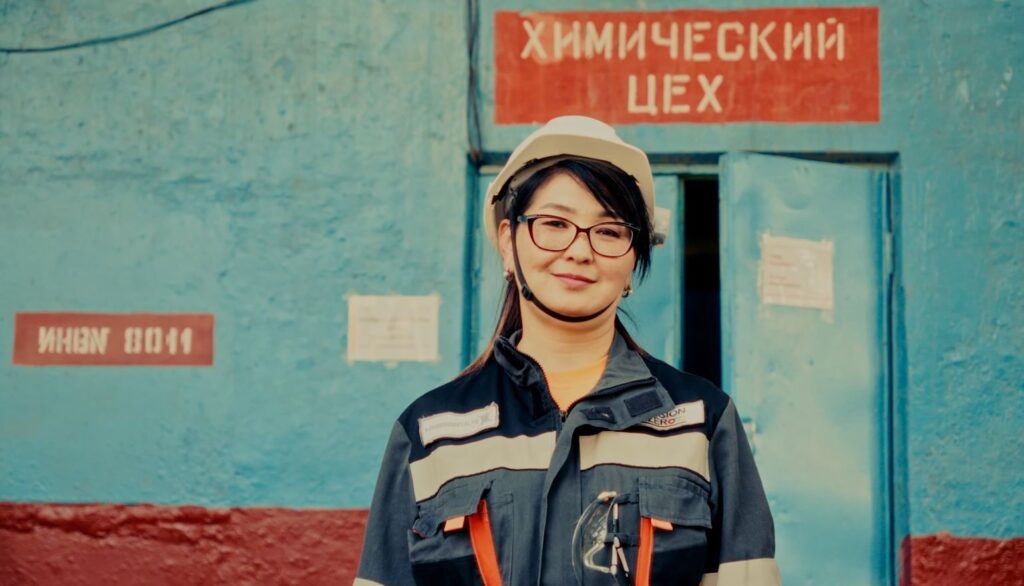
The Times of Central Asia spoke to Marziya Aitzhanova, who is helping to bring purified water to Shymkent as part of the growing number of women in management positions in New Kazakhstan. “We purify two kinds of water,” she told TCA, “one desalinated and the other chemically purified. The first goes to the boiler and turbine, and the second goes to the city for heating.” [video width="1920" height="1080" mp4="https://timesca.com/wp-content/uploads/2025/05/Конкурс-2-ролик-1.mp4"][/video]
