• KGS/USD = 0.01144 0%
  • KZT/USD = 0.00216 0%
  • TJS/USD = 0.10659 0%
  • UZS/USD = 0.00008 0%
  • TMT/USD = 0.28530 0%
  • KGS/USD = 0.01144 0%
  • KZT/USD = 0.00216 0%
  • TJS/USD = 0.10659 0%
  • UZS/USD = 0.00008 0%
  • TMT/USD = 0.28530 0%
  • KGS/USD = 0.01144 0%
  • KZT/USD = 0.00216 0%
  • TJS/USD = 0.10659 0%
  • UZS/USD = 0.00008 0%
  • TMT/USD = 0.28530 0%
  • KGS/USD = 0.01144 0%
  • KZT/USD = 0.00216 0%
  • TJS/USD = 0.10659 0%
  • UZS/USD = 0.00008 0%
  • TMT/USD = 0.28530 0%
  • KGS/USD = 0.01144 0%
  • KZT/USD = 0.00216 0%
  • TJS/USD = 0.10659 0%
  • UZS/USD = 0.00008 0%
  • TMT/USD = 0.28530 0%
  • KGS/USD = 0.01144 0%
  • KZT/USD = 0.00216 0%
  • TJS/USD = 0.10659 0%
  • UZS/USD = 0.00008 0%
  • TMT/USD = 0.28530 0%
  • KGS/USD = 0.01144 0%
  • KZT/USD = 0.00216 0%
  • TJS/USD = 0.10659 0%
  • UZS/USD = 0.00008 0%
  • TMT/USD = 0.28530 0%
  • KGS/USD = 0.01144 0%
  • KZT/USD = 0.00216 0%
  • TJS/USD = 0.10659 0%
  • UZS/USD = 0.00008 0%
  • TMT/USD = 0.28530 0%

Viewing results 1 - 6 of 6

Kazakhstan Expands Kashagan Legal Fight as Arbitration and Claims Mount

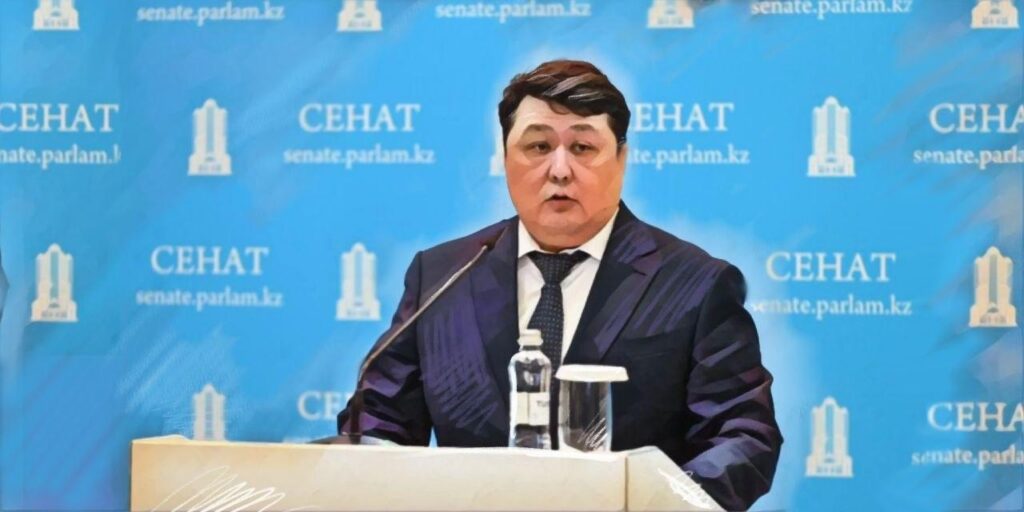
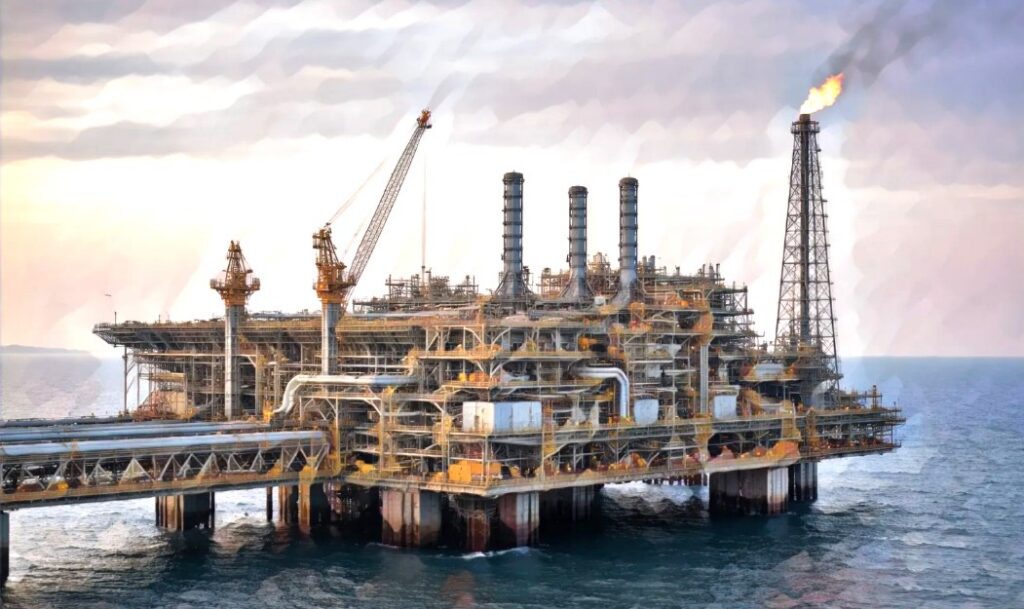
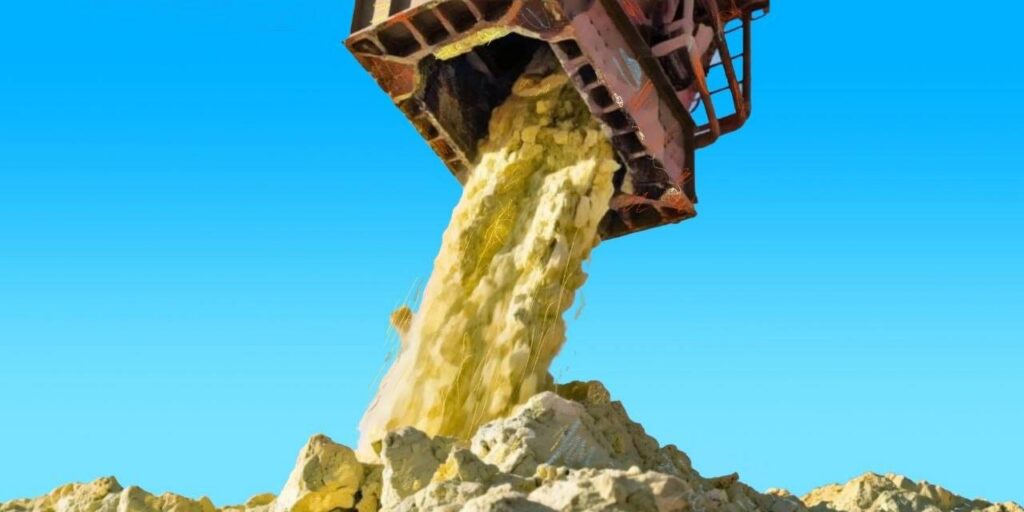
For several years, Kazakhstan has been engaged in arbitration proceedings worth billions of dollars, many of which have been conducted behind closed doors. Recently, new details have emerged about one of the largest disputes, involving the North Caspian Operating Company (NCOC).  The dispute stems from environmental violations identified during a 2022 inspection at the Kashagan field. Environmental authorities found that the operator, NCOC, had stored approximately 1.2 million tons of sulfur in excess of permitted limits. As a result, the company faced a fine of around $5 billion. Kashagan is one of the largest and most technically complex offshore oil fields ever discovered, with proven hydrocarbon reserves estimated at 4.65 billion tons. The consortium includes seven major international energy companies: KazMunayGas (16.88%); Eni (16.81%); Shell (16.81%); ExxonMobil (16.81%); TotalEnergies (16.81%); CNPC (8.33%); and INPEX Ltd (7.56%). A lawsuit was filed by all consortium members except KazMunayGas, Kazakhstan’s national oil company. The field has long been central to Kazakhstan’s oil production and relations with international investors. Kazakhstan’s interests in the Kashagan dispute are represented by the Ministry of Ecology and the Ministry of Justice. According to the Vice Minister of Justice, Daniel Vaisov, a trial court has already ruled in favor of the state. “A first-instance court has ruled in Kazakhstan, recognizing the state’s position as lawful. Six contractors — excluding KazMunayGas — filed an appeal in March,” Vaisov said. NCOC challenged the environmental inspection results. In June 2023, a court in Astana partially upheld the company’s claims. However, this was overturned in February 2024, when an appellate court ruled in favor of the government, confirming the inspection’s legality. Subsequent developments have further complicated the case. In August 2025, an Astana court overturned the environmental agency’s order, citing procedural violations. The case is once again under appeal. At the same time, the contractors have challenged the $5 billion fine through international arbitration. The proceedings are set to take place in Washington at the International Centre for Settlement of Investment Disputes (ICSID), where the arbitral tribunal is currently being formed, Vaisov said. The case is being closely watched as a test of how far Kazakhstan is willing to push legal pressure on major Western energy investors. Separately, Kazakhstan is pursuing much larger claims against Kashagan consortium members under the production-sharing agreement. In May 2024, Kazakhstan’s Ministry of Energy said claims against Kashagan project developers could reach up to $150 billion. Initially, the government sought $15 billion from NCOC. It later increased its claims by a further $138 billion, citing lost profits linked to oil volumes that investors had committed to supply to the state. The Ministry of Energy has described the dispute as purely commercial, relating to Kazakhstan’s rights under the production-sharing agreement. Officials maintain that the legal proceedings do not affect the investment standing of project participants. Separately, in January last year, an economic court in Astana ordered NCOC to pay 3.5 billion KZT (about $8 million) for excessive flaring of raw gas. In addition to Kashagan, Shell is involved in...

Kazakhstan–Kashagan Dispute Heads to International Arbitration

Kazakhstan’s Vice Minister of Justice, Daniel Vaisov, announced that the country’s claims over the removal of sulfur storage limits at the Kashagan field, operated by North Caspian Operating Company N.V. (NCOC), will be heard under the International Centre for Settlement of Investment Disputes framework, which is headquartered in Washington. NCOC includes Shell, TotalEnergies, Eni, ExxonMobil, CNPC, Inpex, and KazMunayGas. In March 2023, an inspection of the Kashagan consortium by Kazakhstan’s environmental authorities identified violations of environmental legislation, including the excessive storage of sulfur volumes exceeding permitted limits. The resulting claim was valued at around $5 billion, according to the authorities. A court of first instance in Kazakhstan ruled in favor of the environmental authorities, according to Vaisov. Six of the seven NCOC participants, excluding KazMunayGas, challenged the ruling in a Kazakh court in March this year. At the same time, the foreign investors initiated international arbitration proceedings. “This claim was filed under bilateral international agreements: the agreement between the Republic of Kazakhstan and the Republic of France, and the agreement between the Republic of Kazakhstan and the Kingdom of the Netherlands,” Vaisov said during a briefing. The Ministry of Justice, Ministry of Ecology, and Ministry of Energy are jointly handling the case. Kazakhstan has been steadily tightening its position in major energy projects, seeking a larger share of revenues from fields developed under production-sharing agreements signed in the 1990s. Disputes over Kashagan and Karachaganak reflect broader efforts to rebalance terms with foreign investors as production stabilizes and fiscal pressures grow. The outcome of these cases could reshape how Central Asia’s largest economy manages foreign participation in its energy sector. A separate dispute concerning project costs, reportedly exceeding $100 billion, is being handled under the framework of the Production Sharing Agreement (PSA), in line with government policy, Vaisov said. Kazakhstan maintains that under the current terms, participating oil companies receive up to 98% of revenue from oil production at Kashagan, leaving the state with comparatively limited income in the form of royalties. Astana’s claim related to this issue has been reported at approximately $160 billion. “As far as I know, an interim decision has been made regarding Karachaganak. Further work is currently underway,” Vaisov said. In January 2026, an international arbitration tribunal ruled in favor of Kazakhstan in its dispute with shareholders in the Karachaganak Oil and Gas Projects, Eni, Shell, Chevron, and Lukoil. Compensation for the shareholders’ unjustified reimbursement of expenses has yet to be determined, but experts estimate it at between $2 billion and $4 billion. Vaisov also noted that Kazakhstan has been reducing the cost of arbitration proceedings involving foreign investors. “The Ministry of Justice has managed to reduce spending on these matters each year. Since 2021, costs have been reduced by nearly threefold. At the same time, the Republic of Kazakhstan engages leading law firms for these proceedings, as contracting companies do the same,” he said.