Kazakhstan Targets 50% Increase in Refined Copper Output with Balkhash Smelter
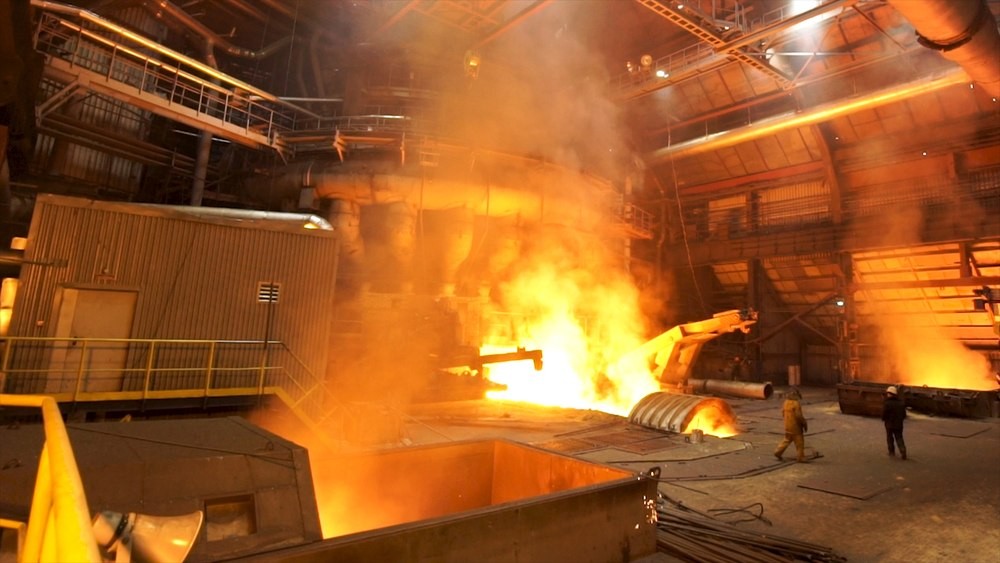
Kazakhstan plans to increase refined copper production by around 50% after approving the construction of a new smelter in Balkhash, one of the country’s largest industrial projects in recent years. The government expects the plant to expand exports of products with greater added value and reinforce Kazakhstan’s position among the world’s leading copper producers. The investment agreement was signed between the Ministry of Industry and Construction and Qazaq Smelter LLP and approved by Prime Minister Olzhas Bektenov. The project forms part of Kazakhstan’s strategy to increase domestic processing of mineral resources and reduce exports of raw materials. Private investment is estimated at 750 billion tenge, or approximately $1.6 billion. Construction is scheduled to begin in 2027, with commissioning planned for 2030. The smelter will have an annual production capacity of 300,000 metric tons of cathode copper, 10 metric tons of gold, 300 metric tons of silver, and more than 1.5 million metric tons of sulfuric acid. According to government estimates, the new facility will raise Kazakhstan’s total refined copper output to more than 800,000 metric tons per year. Exports of cathode copper and other processed copper products are expected to increase from 460,000 metric tons to 760,000 metric tons annually. The project will create around 1,200 permanent jobs. Kazakh citizens are expected to account for 90% of the workforce when the plant enters operation, rising to 95% over time. The investor has also committed to financing the education of 50 students each year at educational institutions in Karaganda Region to help train future specialists. Government data show that Kazakhstan’s manufacturing sector expanded by 9.8% during the first half of 2026, while cathode copper production reached 232,000 metric tons. Officials have repeatedly identified deeper processing of mineral resources as one of the country’s principal industrial-policy priorities. Kazakhstan already ranks among the world’s major copper producers. Production is concentrated within several vertically integrated mining groups, led by Kazakhmys, which operates mining and smelting facilities in Zhezkazgan and Balkhash. Other major producers include KAZ Minerals, whose flagship operations are Aktogay and Bozshakol, and Kazzinc, which produces refined copper alongside zinc, lead, and precious metals. The new Balkhash smelter is part of Kazakhstan’s effort to increase domestic processing as global demand for copper rises. Expanding power grids and the growth of electric vehicles are expected to support demand in the coming years. The Times of Central Asia previously reported that Australia’s C29 Metals partnered with Kazakh companies to explore new copper and gold deposits. The partnership is another example of international interest in the country’s mineral resources.