
• KGS/USD = 0.01143 0%
  • KZT/USD = 0.00205 0%
  • TJS/USD = 0.10724 0.09%
  • UZS/USD = 0.00008 0%
  • TMT/USD = 0.28571 0%
  • KGS/USD = 0.01143 0%
  • KZT/USD = 0.00205 0%
  • TJS/USD = 0.10724 0.09%
  • UZS/USD = 0.00008 0%
  • TMT/USD = 0.28571 0%
  • KGS/USD = 0.01143 0%
  • KZT/USD = 0.00205 0%
  • TJS/USD = 0.10724 0.09%
  • UZS/USD = 0.00008 0%
  • TMT/USD = 0.28571 0%
  • KGS/USD = 0.01143 0%
  • KZT/USD = 0.00205 0%
  • TJS/USD = 0.10724 0.09%
  • UZS/USD = 0.00008 0%
  • TMT/USD = 0.28571 0%
  • KGS/USD = 0.01143 0%
  • KZT/USD = 0.00205 0%
  • TJS/USD = 0.10724 0.09%
  • UZS/USD = 0.00008 0%
  • TMT/USD = 0.28571 0%
  • KGS/USD = 0.01143 0%
  • KZT/USD = 0.00205 0%
  • TJS/USD = 0.10724 0.09%
  • UZS/USD = 0.00008 0%
  • TMT/USD = 0.28571 0%
  • KGS/USD = 0.01143 0%
  • KZT/USD = 0.00205 0%
  • TJS/USD = 0.10724 0.09%
  • UZS/USD = 0.00008 0%
  • TMT/USD = 0.28571 0%
  • KGS/USD = 0.01143 0%
  • KZT/USD = 0.00205 0%
  • TJS/USD = 0.10724 0.09%
  • UZS/USD = 0.00008 0%
  • TMT/USD = 0.28571 0%

Viewing results 1 - 6 of 4

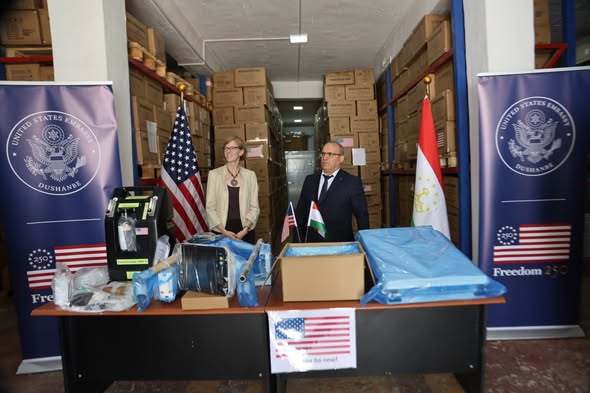
Tajikistan Receives Nearly $1.9 Million in U.S. Medical Equipment

Tajikistan has received nearly $1.9 million worth of medical equipment under a healthcare cooperation program with the United States, with the main focus on improving emergency care, supporting maternity hospitals, and reducing infant mortality. According to Tajikistan’s Ministry of Health, the equipment was delivered as part of the Global Health Supply Chain Program - Procurement and Supply Management (GHSC-PSM). The total value of the shipment exceeded $1.87 million. The handover ceremony took place in Dushanbe and was attended by First Deputy Minister of Health and Social Protection Salomuddin Yusufi and Carson Relitz Rocker, chargé d’affaires at the U.S. Embassy in Tajikistan. Officials said particular emphasis would be placed on equipping healthcare facilities with oxygen delivery systems and neonatal resuscitation equipment. Authorities expect the new supplies to improve the quality of emergency medical care and reduce health risks for mothers and infants. Part of the equipment has already been installed in five maternity hospitals and 11 additional medical facilities across the country. Representatives of the Health Ministry said the new equipment is especially important for intensive care and resuscitation units, where timely oxygen delivery and specialized care directly affect patient survival rates. They described the transfer as another example of long-term U.S. support for Tajikistan’s healthcare system. According to Yusufi, medical cooperation between the U.S. and Tajikistan has continued for many years and spans a wide range of areas, including equipment supplies, efforts to combat infectious diseases, sanitary and epidemiological safety, healthcare infrastructure modernization, and the training of medical personnel. Authorities in Tajikistan also expressed hope for further expansion of cooperation following the signing of a new memorandum of understanding between the country’s Ministry of Health and Social Protection and the U.S. Embassy in Tajikistan.


Maternal and Infant Mortality Rates Continue to Decline in Kazakhstan

Kazakhstan's Health Minister Akmaral Alnazaraeva has announced further reductions in maternal and infant mortality rates, although some regions are showing a troubling reversal of the trend. Speaking at a recent government meeting, Alnazaraeva attributed the improvements to the adoption of recommendations from the World Health Organization (WHO) and UNICEF. In 2024, maternal mortality declined by 12 percent to 10.1 deaths per 100,000 live births, while infant mortality dropped by 11 percent to 6.88 deaths per 1,000 live births. The positive trend continued into the first half of 2025, with maternal mortality falling by another 10 percent and infant mortality by 26 percent. The minister noted that clinical protocols in obstetrics and pediatrics have been revised nationwide. Since June 2024, tariffs for obstetric and pediatric services, including childbirth, surgeries, and neonatal care, have been increased. These changes have improved access to expensive medications, reduced the debt burden of medical institutions, and helped attract qualified specialists to the sector. The Health Ministry also highlighted the expanded role of air ambulance services, which have saved 96 percent of women in labor and their newborns in remote areas. In 2025, for the first time, medications for pregnant women with conditions such as pyelonephritis, diabetes, and hypertension were added to the list of free drugs. To improve rural maternal care, "Salaawatty Ana" (Healthy Mother) boarding houses have opened in Turkestan, East Kazakhstan, and Akmola regions. These facilities offer pre-hospital care and postnatal rehabilitation for women with complicated births, with their effectiveness monitored in real time by regional situation centers. Kazakhstan is also making strides in healthcare digitalization. The electronic child health passport, now mandatory for kindergarten and school enrollment, has been introduced nationwide. A monitoring system for early detection of pediatric health problems has been deployed, and a digital health profile is being developed for every child under 18. Despite overall national progress, the minister acknowledged rising maternal mortality in Akmola, Zhambyl, Aktobe, Kostanay, Zhetysu, and Abai regions. Infant mortality has also increased in Kostanay, West Kazakhstan, Zhambyl, Abai, and Zhetysu. The situation is most severe in Akmola, where maternal mortality is seven times the national average. Key factors include severe extragenital conditions, obstetric complications, congenital malformations, and neonatal respiratory disorders. In response, stricter regulatory oversight will be introduced starting in September 2025. The Medical and Pharmaceutical Control Committee will be granted new powers to suspend the licenses of medical facilities and dismiss uncertified personnel. Qualification standards will be raised, and patient support services will be expanded. As previously reported by The Times of Central Asia, Kazakhstan continues to experience a steady decline in birth rates despite government efforts to encourage demographic growth.