
• KGS/USD = 0.01143 0%
  • KZT/USD = 0.00211 0%
  • TJS/USD = 0.10793 0.09%
  • UZS/USD = 0.00008 0%
  • TMT/USD = 0.28571 0%
  • KGS/USD = 0.01143 0%
  • KZT/USD = 0.00211 0%
  • TJS/USD = 0.10793 0.09%
  • UZS/USD = 0.00008 0%
  • TMT/USD = 0.28571 0%
  • KGS/USD = 0.01143 0%
  • KZT/USD = 0.00211 0%
  • TJS/USD = 0.10793 0.09%
  • UZS/USD = 0.00008 0%
  • TMT/USD = 0.28571 0%
  • KGS/USD = 0.01143 0%
  • KZT/USD = 0.00211 0%
  • TJS/USD = 0.10793 0.09%
  • UZS/USD = 0.00008 0%
  • TMT/USD = 0.28571 0%
  • KGS/USD = 0.01143 0%
  • KZT/USD = 0.00211 0%
  • TJS/USD = 0.10793 0.09%
  • UZS/USD = 0.00008 0%
  • TMT/USD = 0.28571 0%
  • KGS/USD = 0.01143 0%
  • KZT/USD = 0.00211 0%
  • TJS/USD = 0.10793 0.09%
  • UZS/USD = 0.00008 0%
  • TMT/USD = 0.28571 0%
  • KGS/USD = 0.01143 0%
  • KZT/USD = 0.00211 0%
  • TJS/USD = 0.10793 0.09%
  • UZS/USD = 0.00008 0%
  • TMT/USD = 0.28571 0%
  • KGS/USD = 0.01143 0%
  • KZT/USD = 0.00211 0%
  • TJS/USD = 0.10793 0.09%
  • UZS/USD = 0.00008 0%
  • TMT/USD = 0.28571 0%

Viewing results 1 - 6 of 2

Kazakhstan Opens Drone Operator Training Lab for Interior Ministry

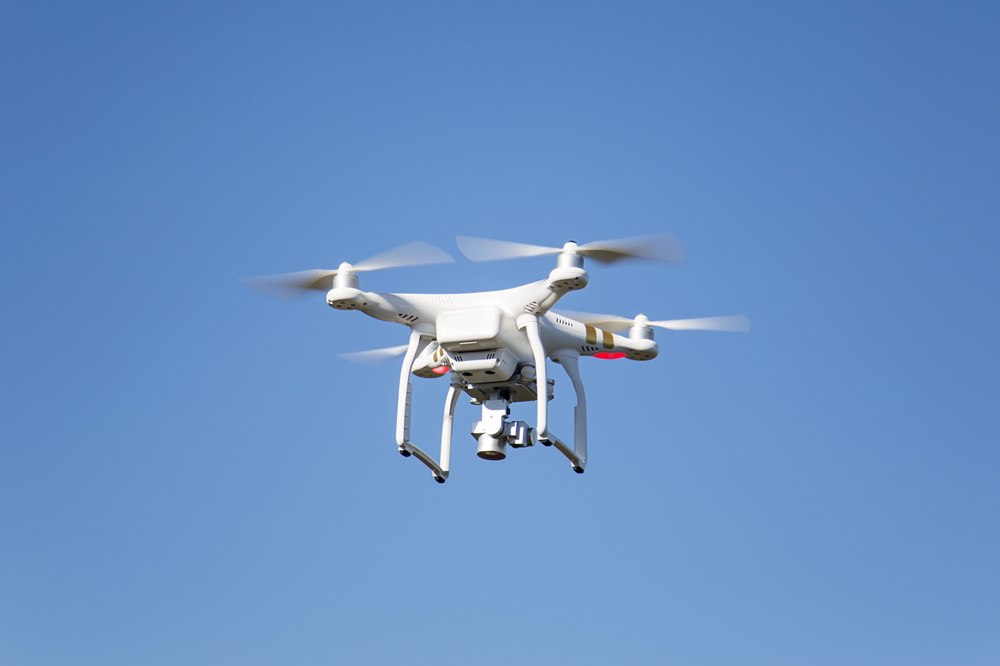
Kazakhstan is actively integrating modern unmanned aerial technologies into law enforcement, with the Interior Ministry opening a new training laboratory where police officers will receive comprehensive instruction in drone operations. According to Polisia.kz, the training program includes several stages: theoretical coursework, simulator-based exercises, and practical computer-based training. Particular attention is being given to the use of drones in real operational tasks, from rapid response missions to search and rescue operations. “On the instructions of the minister of internal affairs, a training laboratory for unmanned aerial systems has been established at the ministry’s Operational and Forensic Department. Our task is to prepare officers who can confidently and effectively use modern technologies in their daily work,” said Rolland Moldybayev, chief forensic specialist at the department. Unmanned aerial vehicles are already being used by police for night surveillance and aerial reconnaissance. Equipped with high-resolution cameras and thermal imaging systems, they allow officers to search for missing persons at night and in difficult weather conditions. Drones also provide an operational aerial view of crime scenes, allowing officers to document situations before investigative teams arrive and helping preserve critical evidence. In addition, drones are used to inspect hard-to-reach areas, including mountainous terrain, steppe zones, and abandoned facilities. This has significantly improved the effectiveness of searches for missing persons and supports the surveillance and apprehension of wanted suspects by enabling covert and safer monitoring. “The practical effectiveness of these technologies has already been proven in the field: in the Turkestan region, the use of a drone helped quickly solve a livestock theft case. Suspects were identified, their movements tracked, and evidence collected, which led investigators to the buyer of the stolen property,” the Interior Ministry said. The ministry added that the introduction of drone technologies marks an important step in the development of modern policing, increasing response speed, operational accuracy, and overall public safety. As previously reported by The Times of Central Asia, Kazakhstan also plans to launch mass production of drones for police needs, both at the Karaganda-based research and production association Perspektiva and at a correctional facility in the Akmola region.


Kazakhstan Seeks to Block Nearly 12,000 Drug-Related Websites in 2026

Kazakhstan has referred nearly 12,000 websites for blocking since the beginning of 2026 for advertising or facilitating the sale of narcotics, according to Eldar Abdikenov, deputy chairman of the Interior Ministry’s Committee for Combating Drug Crime. According to official data, more than 3,000 drug-related criminal offenses were recorded in Kazakhstan between January and May 2026, including around 1,500 classified as drug crimes. “As part of efforts to combat online drug trafficking, nearly 12,000 internet resources used for advertising and selling banned substances have been submitted for blocking through the Cybernadzor system,” Abdikenov said. The number of drug-related websites flagged through Cybernadzor has risen sharply in recent years. In 2022, authorities submitted 1,996 websites for blocking, of which 1,493 were blocked. In 2023, the number of blocked sites rose to 3,500, while in 2025 it reached 10,289. Abdikenov also said that, in cooperation with the National Bank, law enforcement agencies have stepped up efforts to trace and disrupt financial flows linked to the drug trade. Since the start of the year, suspicious transactions worth more than 107 million tenge, or about $207,000, have been halted. Around 125,000 foreign payment cards have also been blocked, and authorities are reviewing data from some 20,000 cryptocurrency wallets. During the same period, six organized criminal groups, including one transnational network, were dismantled. Police also shut down 12 laboratories producing synthetic drugs and 42 “phyto-laboratories” cultivating plants containing banned substances. “The main threat continues to come from synthetic drugs. Authorities have seized 466 kilograms of synthetic substances and more than 11 tons of precursors from illegal circulation,” Abdikenov added. Under Article 297 of Kazakhstan’s Criminal Code, the illegal possession, transportation, sale, and distribution of narcotic substances are punishable by prison terms ranging from five to 20 years, depending on the severity of the offense. As previously reported by The Times of Central Asia, Kazakhstan’s Interior Ministry is also planning to introduce financial rewards for citizens who provide information leading to the detection of drug-related crimes.