Kazakhstan Freezes Projects with Iran Amid Military Conflict
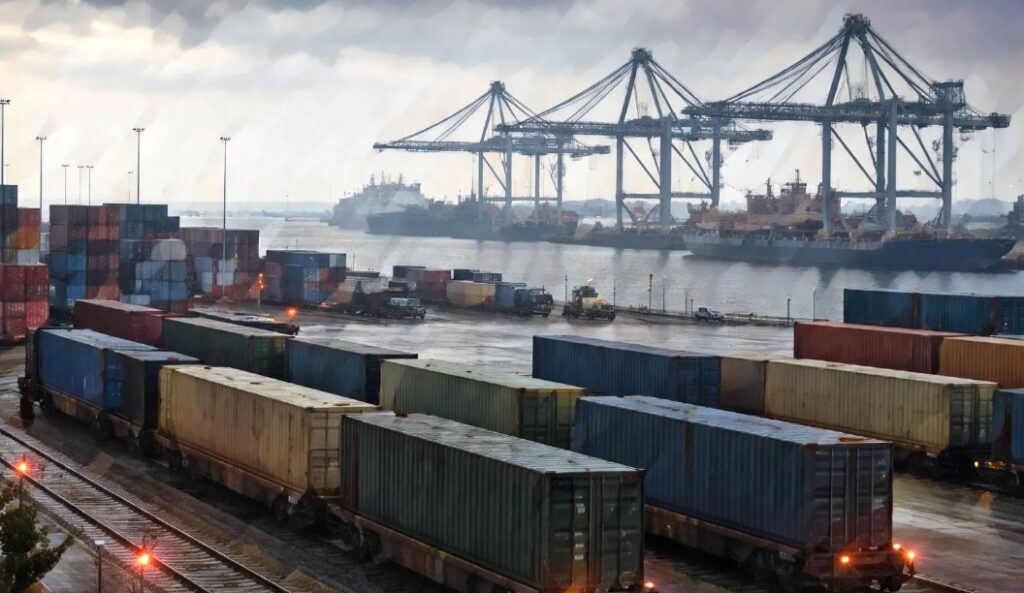
Kazakhstan has suspended several joint projects with Iran amid ongoing military hostilities in the country, Deputy Foreign Minister Arman Issetov has announced. The decision effectively puts on hold plans to expand trade and economic cooperation between Astana and Tehran, despite previously stated ambitions to significantly increase bilateral trade. On December 11, 2025, during the Kazakhstan-Iran business forum in Astana, Tokayev said bilateral trade had exceeded $340 million the previous year. The two sides set an initial goal of raising trade to $1 billion, with a longer-term aim of doubling that figure. However, the escalation of military activity in Iran has forced both sides to reconsider these plans. “The situation is currently very complicated. At this point, many of our projects with Iran have been frozen due to the country being in a state of war. As a result, our businesses and entrepreneurs are now in a wait-and-see position,” Issetov said. “Kazakhstan is not suffering major losses, as the volumes were relatively small and did not significantly impact the national economy. Nevertheless, given our strong partnership with Iran, there is an effect, though not a substantial one,” he added. Despite the growth in trade, Iran’s share in Kazakhstan’s foreign economic relations remains limited. According to the Ministry of National Economy, exports to Iran in 2025 amounted to $239.3 million, while imports totaled $191 million, equivalent to roughly 0.3% of the country’s total foreign trade turnover. The agricultural sector accounted for the bulk of trade: approximately 90% of Kazakhstan’s exports to Iran consisted of wheat and barley. In the first ten months of last year alone, grain shipments reached $280 million, exceeding the total agricultural trade volume for 2024 ($220 million). Government officials believe these volumes can be redirected to alternative markets if necessary. From a logistics perspective, Iran is not considered a critical transit route for Kazakhstan. This was previously confirmed by Deputy Prime Minister and Minister of National Economy Serik Zhumangarin. “I don’t think the conflict will have any impact on our logistics. Shipments through the Persian Gulf were never dominant for us,” he said. Despite its currently limited role, Iran had been viewed as a promising direction for the development of transport corridors. In December 2025, Tokayev announced plans to build a transport and logistics terminal at Shahid Rajaee Port, which was intended to provide direct access for Kazakh exports to global markets. Plans also included strengthening links between Kazakhstan’s ports of Aktau and Kuryk and Iran’s ports of Amirabad and Anzali, as well as integrating Bandar Abbas and Chabahar into regional logistics chains. “It is important for us to develop multimodal corridors connecting Central Asia with the Persian Gulf, and the Kazakhstan-Turkmenistan-Iran railway plays a key role in this,” Tokayev previously stated. According to his estimates, cargo traffic along this route could have doubled by 2030. For now, those plans are effectively on hold. - Explore our complete Gulf crisis timeline, bringing together every major development and its implications for Central Asia in chronological order.